Why Everyone Is Talking About Zoo Animal Photos for Conservation (And Why Your Press Release Needs Them Too)
The Visual Shift in Conservation
Conservation is changing.
It’s no longer just about data.
It’s about eyes.
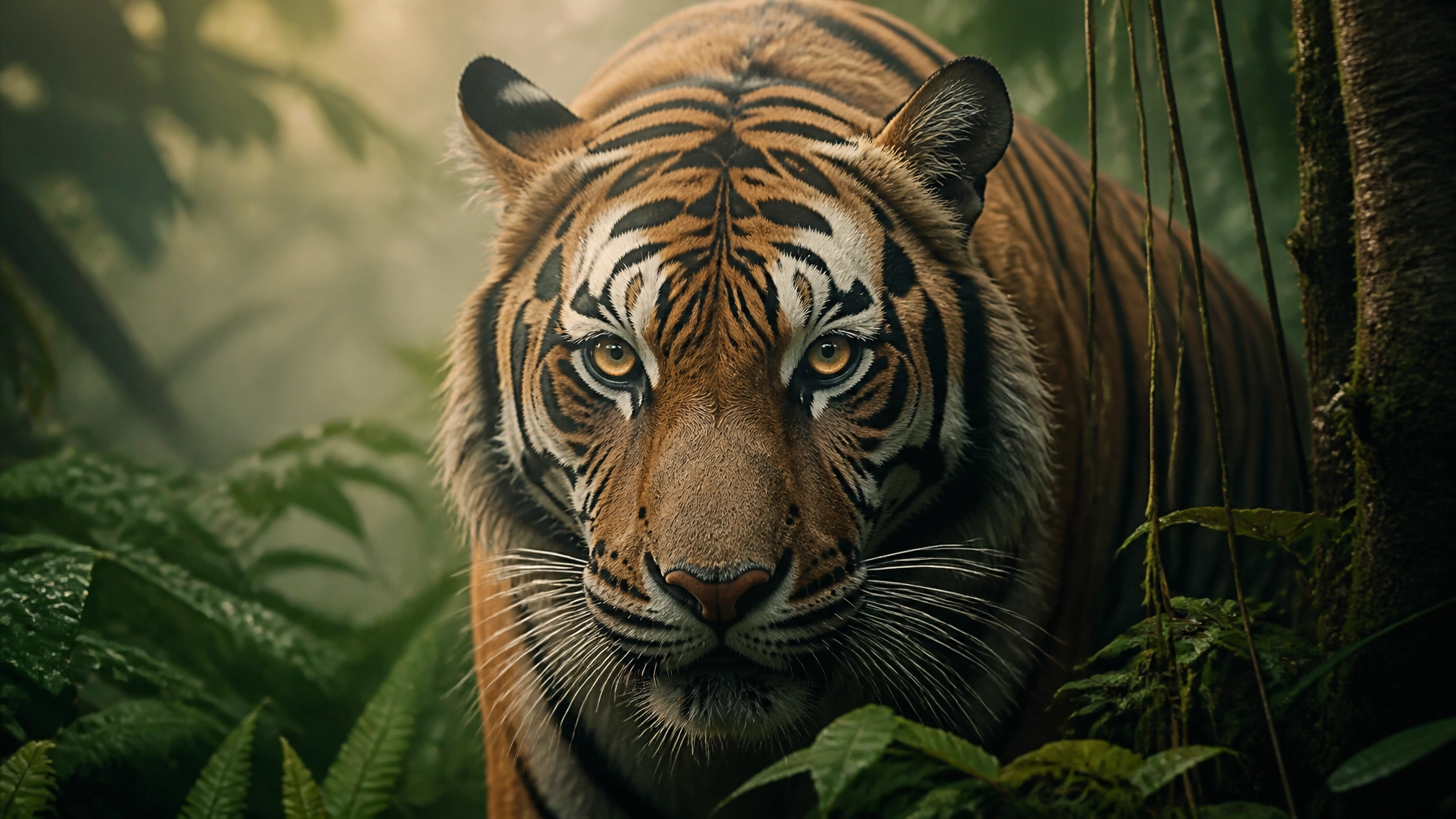
Specifically, the eyes of a tiger.
Or an elephant.
Or a panda.
Photos bridge the gap.
Between science and the public.
Between a problem and a solution.
High-quality imagery turns abstract issues into concrete stories.
It makes the invisible visible.
Why Your Press Release Needs More Than Text
A standard press release is often ignored.
Too much jargon.
Too many numbers.
Not enough soul.
Journalists receive hundreds of emails daily.
They look for stories.
They look for visuals.
A press release with a high-res photo has a higher pickup rate.
It reduces the editor’s workload.
It provides instant layout.
It gets clicks.
The Numbers Speak Plainly
- Higher engagement: Visual content is shared 40x more on social media.
- Instant recognition: Humans process images 60,000 times faster than text.
- Media preference: 90% of journalists prefer press releases with multimedia.
The Human Element in Zoo PR

Conservation is a human story.
It’s about keepers.
Vets.
Researchers.
Local partners.
Our Zoo Media digital signage press release highlights this connection.
When you show the person behind the project, you build trust.
You move from "facility" to "institution."
Species Spotlight: Protecting the Giants

Take the African elephant.
A symbol of strength.
A target of poaching.
When we share photos of a mother shielding her calf, we don't need to explain protection.
The image does the work.
We recently featured 7 species conservation stories you need to know.
From lions to pandas.
Each story started with a photo.
Each photo started a conversation.
The 3-Shot Strategy for Press Releases
Don't just send one photo. Send three:
- The Wide Shot: Context. The habitat. The scale.
- The Interaction Shot: The human side. A vet checkup. A keeper training session.
- The Detail Shot: The soul. A close-up of an eye. A texture of skin.
Why Quality Matters (Rarely but Best)
Low-quality photos hurt your brand.
Grainy images feel unprofessional.
Staged, flat lighting feels corporate.
We believe in "Emotional Brand" photography.
Natural lighting.
Golden hour depth.
Authentic micro-expressions.
Captured memories, not stock photos.
Our wildlife marketing trends for 2026 highlight this shift.
Aesthetics drive donations.
Beauty drives policy.
Success Through Visual Narrative

Success looks like this.
A press release that goes viral.
A conservation campaign that hits its goal.
A journalist calling back because your photos were "stunning."
We saw this when Zoo Media partnered with the California Living Museum.
The visual assets were key.
They allowed the museum to tell a story of regional conservation.
It was simple.
It was effective.
Real-Time Engagement with ZooMedia
Marketing doesn't stop at the press release.
It continues with the guests.
The ZooMedia.us phone app turns visitors into advocates.
They take photos.
They share them.
User-generated content creates authentic engagement.
It provides real-time ROI tracking.
It lets the guests tell your story for you.
Check our latest update on fan engagement tools.
Innovation for zoos.
Simplicity for users.
Species Spotlight: The Panda’s Purpose

The Giant Panda.
A global conservation icon.
A success story in breeding and protection.
Macro shots reveal the details.
The fur texture.
The reflection in the eye.
It reminds us why we work.
It reminds us what we are saving.
Zoo Imagery: Your Partner in Storytelling
We provide stunning animal photography.
We save you time.
We save you money.
We help you tell the stories that matter.
Our library is diverse.
Polar bears.
Wild tigers.
Elephants.
Birds.
Fish.
Landscape and portrait formats.
Easy-to-use platform.
Join the Conversation
Your conservation work deserves to be seen.
Your press releases deserve to be read.
Start with the right image.
Visit zooimagery.com to browse our library.
Follow us on LinkedIn for daily species spotlights and milestones.
Let the photos do the talking.


