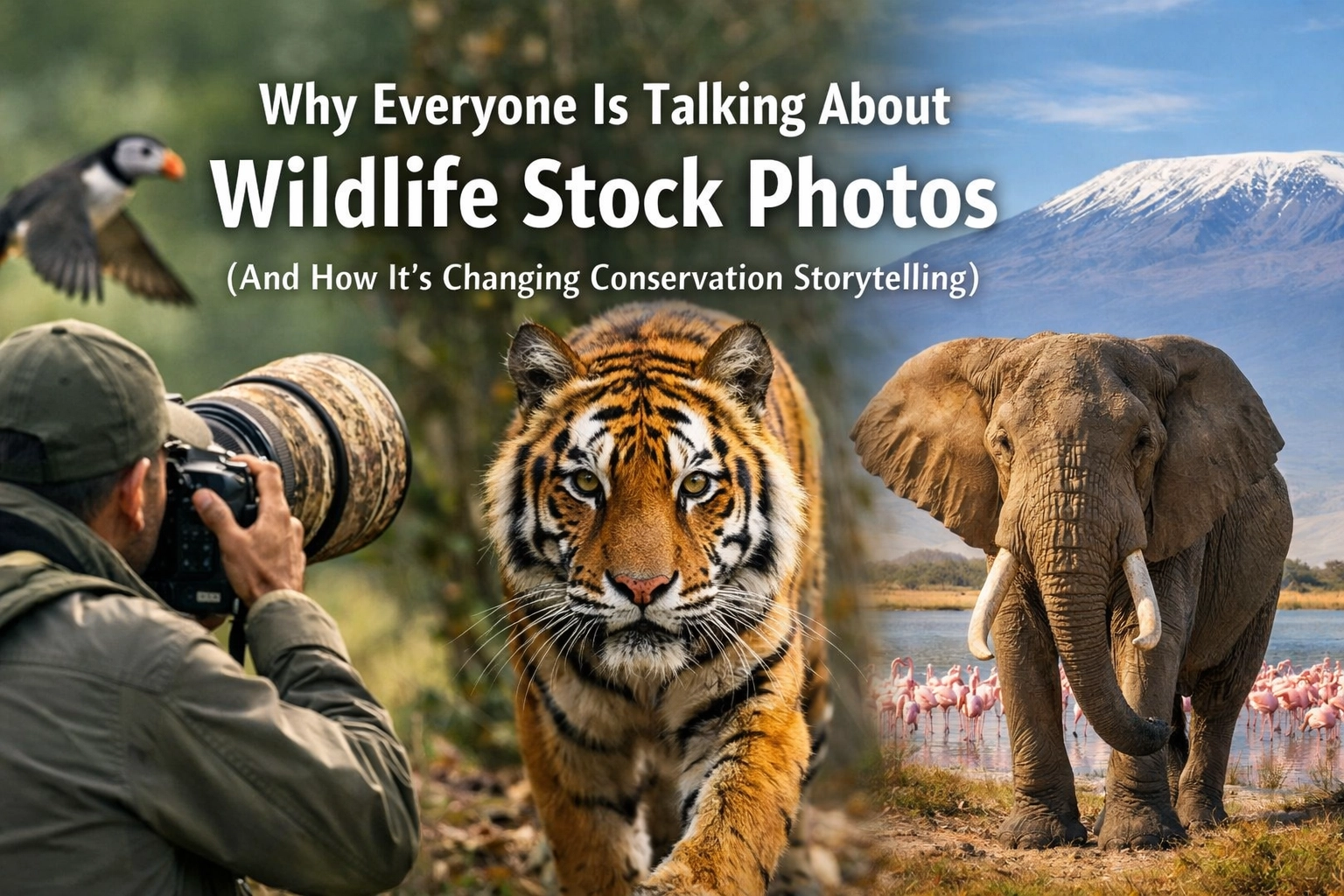
Why Everyone Is Talking About Wildlife Stock Photos (And How It’s Changing Conservation Storytelling)
Visuals drive action. In 2026, the demand for authentic wildlife imagery has reached a peak. People want more than a pretty picture. They want a story. They want a connection to the natural world.
At Zoo Imagery, we provide that connection.
The Shift in Visual Media
Traditional stock photography is changing. Generic landscapes and staged nature shots are losing ground. Authenticity is the new standard.
Why wildlife?
- Emotional resonance.
- Educational value.
- Conservation urgency.
- Scientific accuracy.
Audiences are sophisticated. They recognize the difference between a random animal shot and a photograph that captures a specific moment in a conservation journey.
Wednesday, 11 of March 2026: A Milestone Day
Today marks a significant step for Zoo Imagery. We are expanding our digital media library to include over 5,000 new high-resolution assets.
These aren't just files. They are windows into the lives of species across the globe.
Our mission remains simple:
- Support zoos.
- Empower aquariums.
- Tell the stories that matter.

Conservation Storytelling: Beyond the Frame
Storytelling is the backbone of modern conservation. A photo of a rhinoceros is powerful. A photo of a rhinoceros being cared for by a dedicated veterinary team is transformative.
Visuals do the heavy lifting:
- They simplify complex ecological issues.
- They humanize the work of researchers.
- They highlight success stories in the field.
- They bridge the gap between urban life and the wild.

Species Spotlight: The Sumatran Tiger
Current focus: The Sumatran Tiger.
Status: Critically Endangered.
Estimated population: Fewer than 400 in the wild.
Our latest collection features exclusive imagery of these majestic cats.
- Detailed close-ups.
- Natural behaviors.
- Conservation efforts in managed care.
Using these images allows organizations to tell a specific narrative. Not just "tigers are beautiful," but "this tiger represents hope for a species."
Learn more about our mission on our about-us page.
Why Quality Matters
Low-quality imagery hurts the message. In a world of fast scrolling, a grainy or poorly composed photo is ignored.
High-quality wildlife photography:
- Captures attention instantly.
- Establishes credibility for the user.
- Shows respect for the subject matter.
- Enhances digital and print campaigns.
We prioritize clarity. We prioritize the animal.
The Role of Zoos and Aquariums
Zoos and aquariums are the frontline of conservation. They are the storytellers.
Zoo Imagery partners with these institutions to:
- Document breeding programs.
- Highlight rehabilitation efforts.
- Market educational programs.
- Increase public engagement.
By using professional-grade assets, these facilities can better communicate their impact to the world.

ESG-Aligned Campaigns
Corporate social responsibility is no longer optional. Companies are looking for ways to align with environmental and social goals.
Wildlife imagery is a key component of ESG (Environmental, Social, and Governance) reporting.
- Annual reports.
- Sustainability websites.
- Internal communication.
- Social impact marketing.
Simple, direct visuals provide proof of commitment. No jargon needed. Just the facts. Just the animals.
The Zoo Imagery Approach
We keep things simple.
- Discovery. Find the species you need.
- Download. High-resolution files ready for use.
- Deploy. Use the media to tell your story.
Our library is built for professionals. Marketers. Educators. Conservationists.
Check out our blog for more insights on visual trends.
The Power of Rare Visuals
Some species are rarely seen. Documenting them is vital for scientific and public record.
Our contributors work in diverse environments to bring back:
- Rare behaviors.
- Unique interactions.
- Growth stages of endangered species.
Rare imagery sparks curiosity. Curiosity leads to education. Education leads to action.

Making an Impact
Every image used is a tool for change.
When a non-profit uses a Zoo Imagery photo for a fundraising campaign, they are using a proven asset. When a school uses our media for a lesson plan, they are inspiring the next generation.
We are proud to be part of that cycle.
Milestones and Growth
Zoo Imagery started with a vision to make professional wildlife photography accessible.
Growth markers:
- 100+ partnering facilities.
- Global reach.
- 24/7 digital access.
- Simplified licensing.
We focus on the quality of our library, not just the quantity.
Why Everyone Is Talking About It
The conversation is shifting because the stakes are higher. Climate change. Habitat loss. These are no longer abstract concepts. They are visible.
Wildlife stock photos are the evidence. They are the proof of what is worth saving.
Everyone is talking about them because they are the most direct way to communicate the beauty and fragility of our planet.

Simplification of the Process
Marketing doesn't have to be complicated.
Digital media shouldn't be a hurdle.
We offer:
- Easy navigation.
- Simple search tools.
- Direct downloads.
- Transparent licensing.
This allows you to focus on the storytelling, not the logistics.
Moving Forward
As we look toward the rest of 2026, our goals are clear.
- More species.
- More stories.
- More impact.
The world needs these visuals. We are here to provide them.
Contact and Connection
We believe in open communication.
If you have questions about how our imagery can help your organization:
- Visit our FAQ page.
- Check how-it-works.
- Reach out to us via our contact page.
Join the conversation on our LinkedIn profile to stay updated on daily press releases and species spotlights.
Conclusion
The power of a single image is undeniable. In conservation, it can be the difference between awareness and apathy.
Zoo Imagery is committed to providing the world with the visuals needed to protect wildlife. One photo at a time. Simple. Effective. Direct.
Visit zooimagery.com to explore the library.
Tell your story. Save a species.


