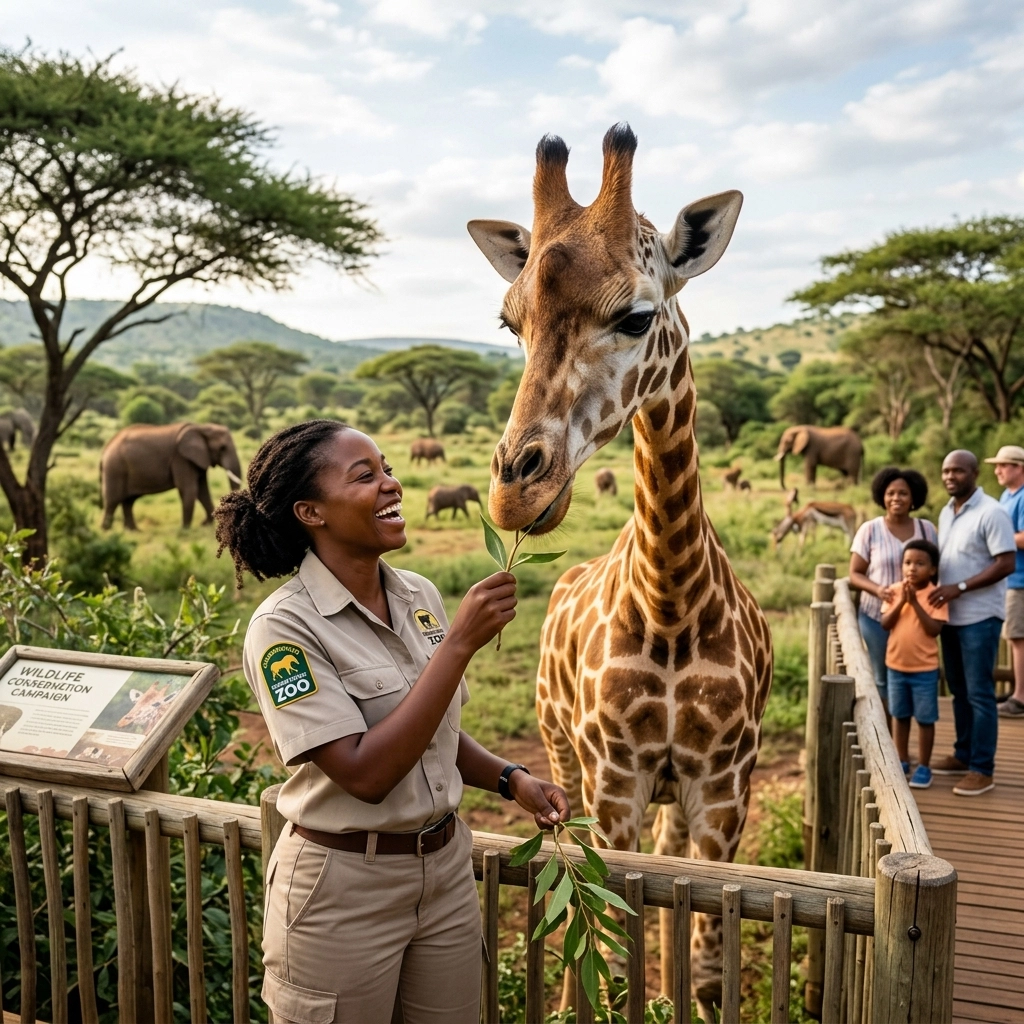
Why Everyone Is Talking About Sustainable Wildlife Campaigns (And Your Zoo Should Too)
Public interest in wildlife is shifting.
It is no longer enough to showcase animals behind glass. Visitors want to know what happens beyond the gates. They want to see the impact of their ticket price. They want to know the species they love will exist in fifty years.
This is why sustainable wildlife campaigns are dominating the conversation. They focus on long-term survival, transparency, and real-world results.
If your zoo or aquarium isn't part of this shift, you're missing the chance to build deeper trust.
The Problem with "Business as Usual"
Traditional marketing often stops at "come see the lion." It’s a transaction. The visitor gives money, the zoo provides a view.
But the world is moving toward accountability.
People are looking for businesses that align with their values. In the corporate world, this is often called ESG. In the zoo world, we call it conservation that works.
- Transparency matters. People want to know where funds go.
- Action matters. Showing a wild tiger is good. Protecting its habitat is better.
- Connection matters. Visitors want to feel like they are part of the solution.
What Makes a Campaign "Sustainable"?
A sustainable campaign isn’t about a one-time donation. It’s about systemic change. It’s about shifting how people think, act, and spend.
Research shows that wildlife protection fails when it stays in a vacuum. It succeeds when it addresses the root causes:
- Supply chain failures.
- Consumer demand for unsustainable products.
- Habitat loss due to industry.
- Lack of public awareness.
Your zoo sits at the center of this. You have the animals. You have the audience. You have the expertise.

The Psychology of Choice
Why do people care now more than ever? Because conservation is finally using psychology.
We used to think that giving people facts would change their behavior. It didn’t. Now, we use behavioral insights.
- Social Proof: People do what they see others doing. If a zoo shows that 90% of its visitors support a specific elephant habitat project, others will follow.
- Ease of Action: Don't ask people to "save the world." Ask them to choose a specific product or support a specific program.
- Positive Reinforcement: Focus on what we can save, not just what we are losing.
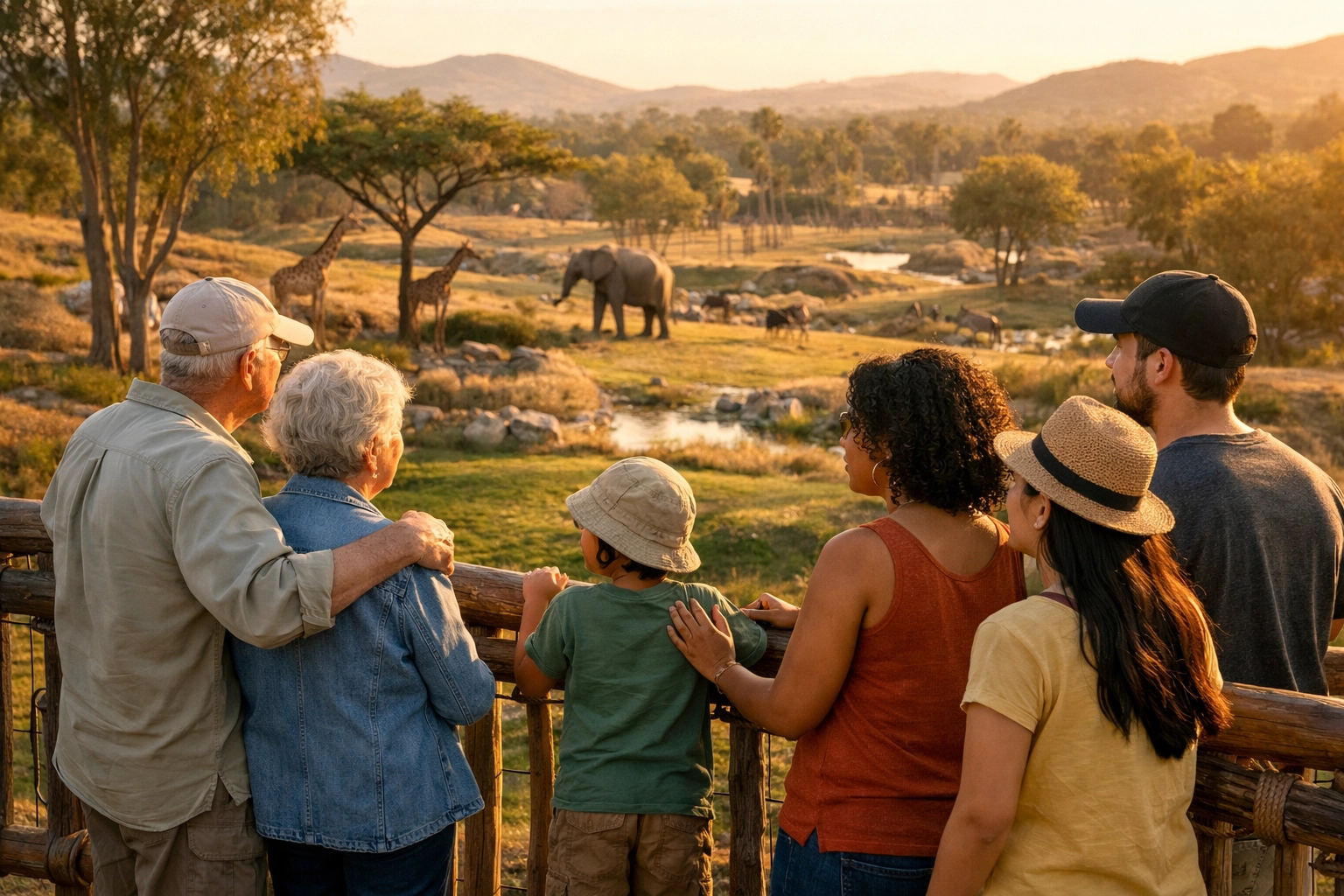
Bridging the Gap
Conservation agencies have noticed a gap. Many people think wildlife protection is only for researchers or hunters. They don’t see how it fits into their daily lives.
Zoos bridge this gap.
You take the abstract idea of an endangered polar bear and make it real. You take the concept of a hyena and show its importance to the ecosystem.
When you run a campaign that highlights these connections, you aren't just selling a ticket. You are building an advocate.
Strategy: The "Presented By" Model
One of the most effective ways to run a sustainable campaign is through species-specific spotlights.
At Zoo Imagery, we see this working across the industry. Instead of a general "Save the Animals" message, zoos are creating deep dives.
- Sponsored Spotlights: Partner with a brand that shares your values to highlight giraffes.
- Impact Reporting: Use simple numbers. "Last year, your visits helped us restore 500 acres of habitat."
- Visual Storytelling: Use high-quality imagery to show the animal in its natural state. This connects the zoo experience to the wild reality.
The Role of Imagery
You cannot tell a story about sustainability with low-quality photos.
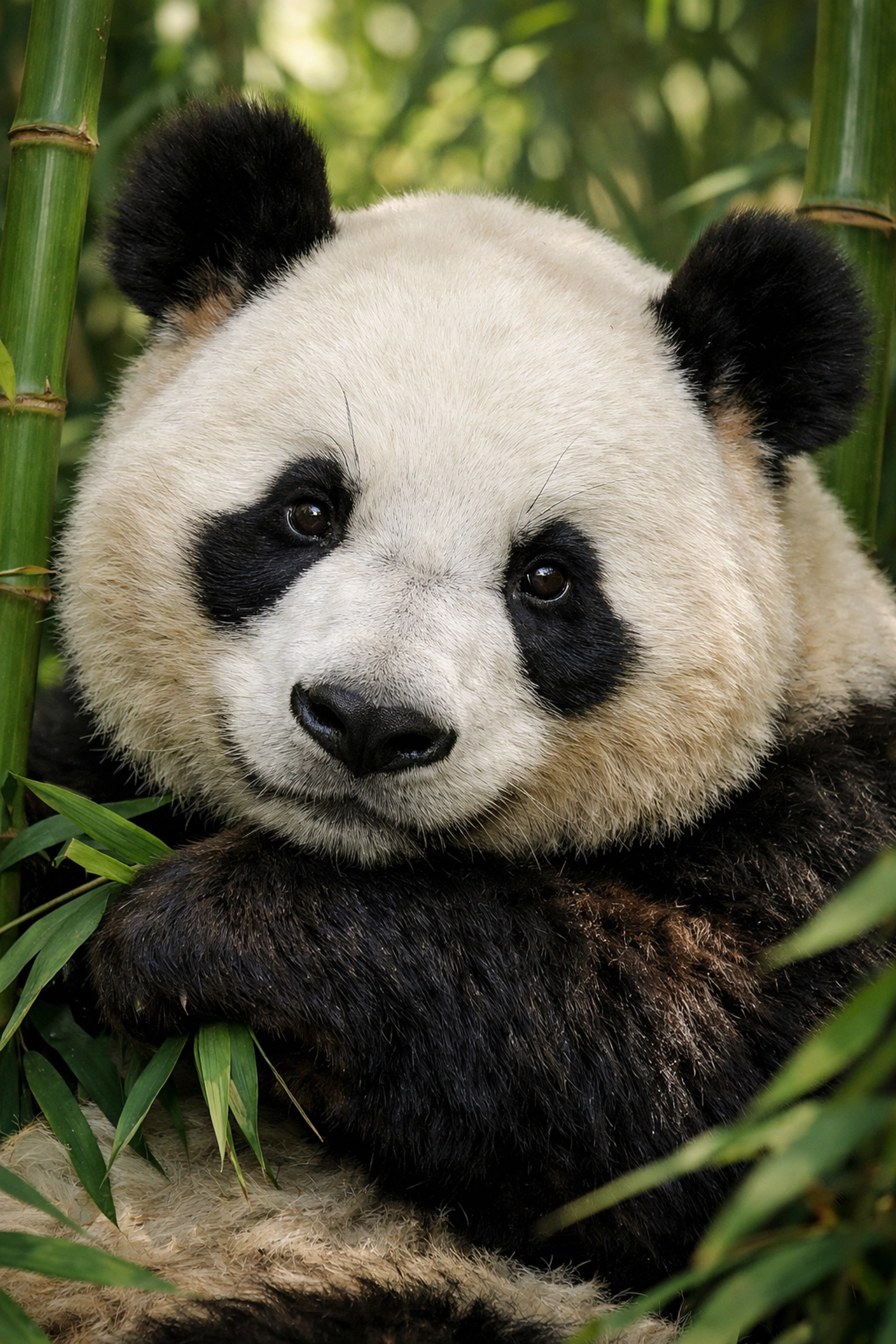
If you want people to care about birds or pandas, they need to see them clearly. High-resolution, professional photography does the heavy lifting. It creates an emotional bridge.
Moving Beyond the Buzzwords
The term "ESG-aligned" sounds corporate. You don't need to use it in your guest-facing copy.
Instead, focus on these three simple pillars:
1. Conservation Storytelling
Tell the story of one animal. Give it a name. Talk about its journey. People relate to individuals, not just species. When you talk about lions, talk about the specific pride your zoo is helping in the wild.
2. Practical Insights
Give your visitors something to do.
- Buy sustainable palm oil.
- Reduce single-use plastics.
- Support local wildlife corridors.
Keep it simple. Keep it direct.
3. Long-term Commitment
Sustainability means "making it last." Show your visitors that your zoo is in it for the long haul. Share your 10-year goals. Be honest about the challenges.
Trends to Watch in 2026
The landscape of wildlife marketing is changing fast. Here is what we are seeing:
- Systemic Accountability: Consumers are looking at the businesses behind the scenes. They want to know that the gift shop and the cafe are as sustainable as the animal habitats.
- Political Momentum: Governments are putting more money into wildlife crossings and habitat restoration. Zoos can align their campaigns with these national efforts to gain more traction.
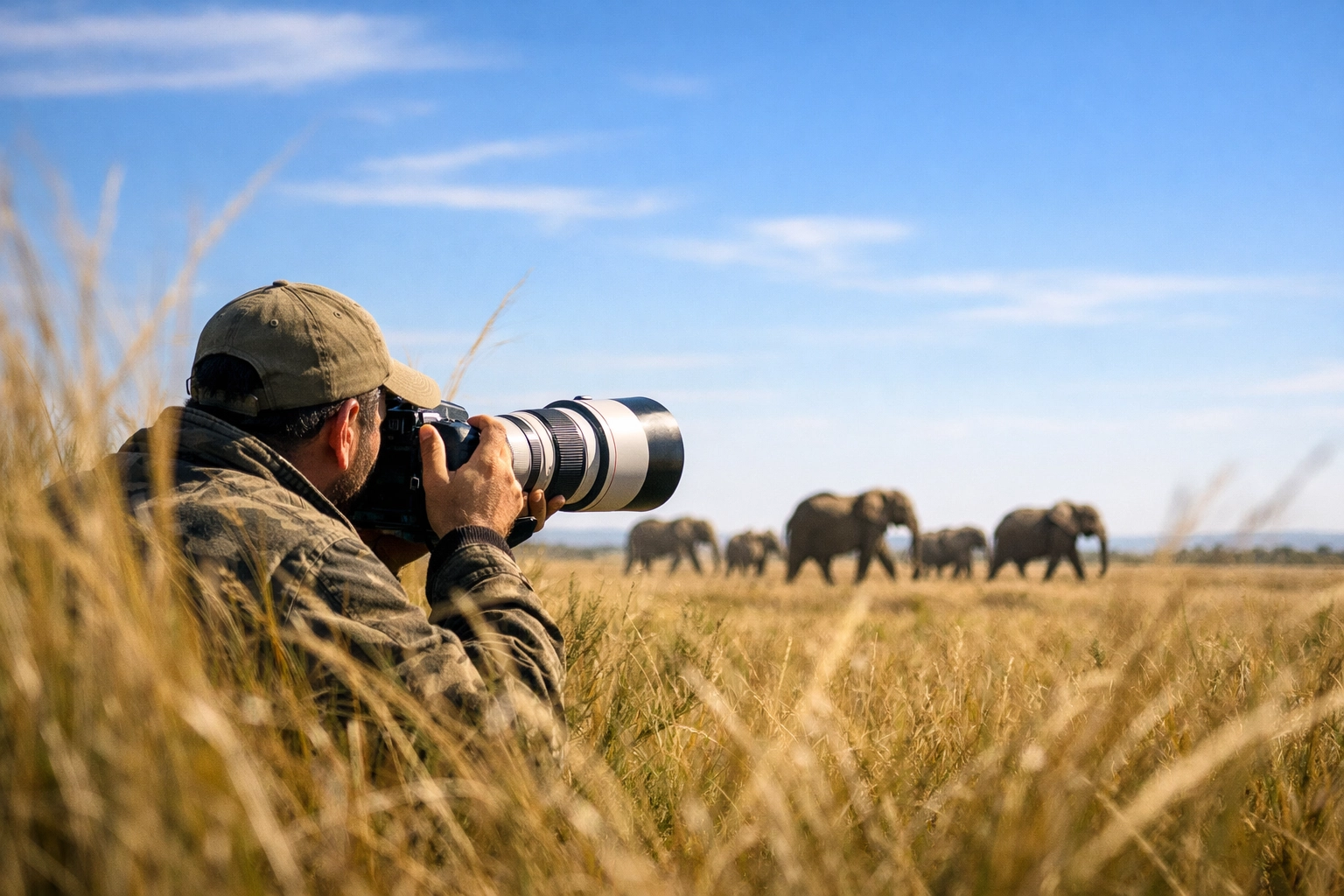
- Diverse Constituencies: Zoos are reaching out to "wildlife watchers": people who don't necessarily hunt or fish but value healthy habitats for photography and recreation.

How Zoo Imagery Can Help
We believe in the power of the image.
Our library is designed to help you tell these stories without the stress of a full-scale production. Whether you need a hero shot for a wild tigers campaign or a specific image of elephants, we provide the tools to make your marketing look professional and impactful.
We focus on:
- High-quality stock photography.
- Digital media solutions.
- Simple licensing.
- Supporting your conservation goals.
Success is Simple
You don't need a massive budget to start a sustainable wildlife campaign. You just need a clear message and a few great visuals.
- Pick a species.
- Identify a real-world problem it faces.
- Show how your zoo is helping.
- Tell your audience how they can join in.
The goal isn't just to get people through the gates today. It's to ensure the animals they love are here tomorrow.
Let’s Work Together
The conversation around sustainability isn't going away. It is growing. Your zoo has a vital role to play in that narrative.
If you need high-quality imagery to bring your conservation stories to life, we are here.
Explore our library: zooimagery.com
Follow us for more insights: LinkedIn
Quick Reference for Your Next Campaign:
- Target: Focus on the "why" before the "what."
- Tone: Keep it simple. No jargon.
- Visuals: High-resolution only. Use Zoo Imagery for consistency.
- Action: Give the reader one clear step to take.
- Follow-up: Show the results. Transparency builds trust.
Sustainability is more than a trend. It’s the future of how we interact with the natural world. Let’s make sure your zoo is leading the way.
For more information on how to use media to drive conservation, visit our FAQ or check out our latest blog posts.


