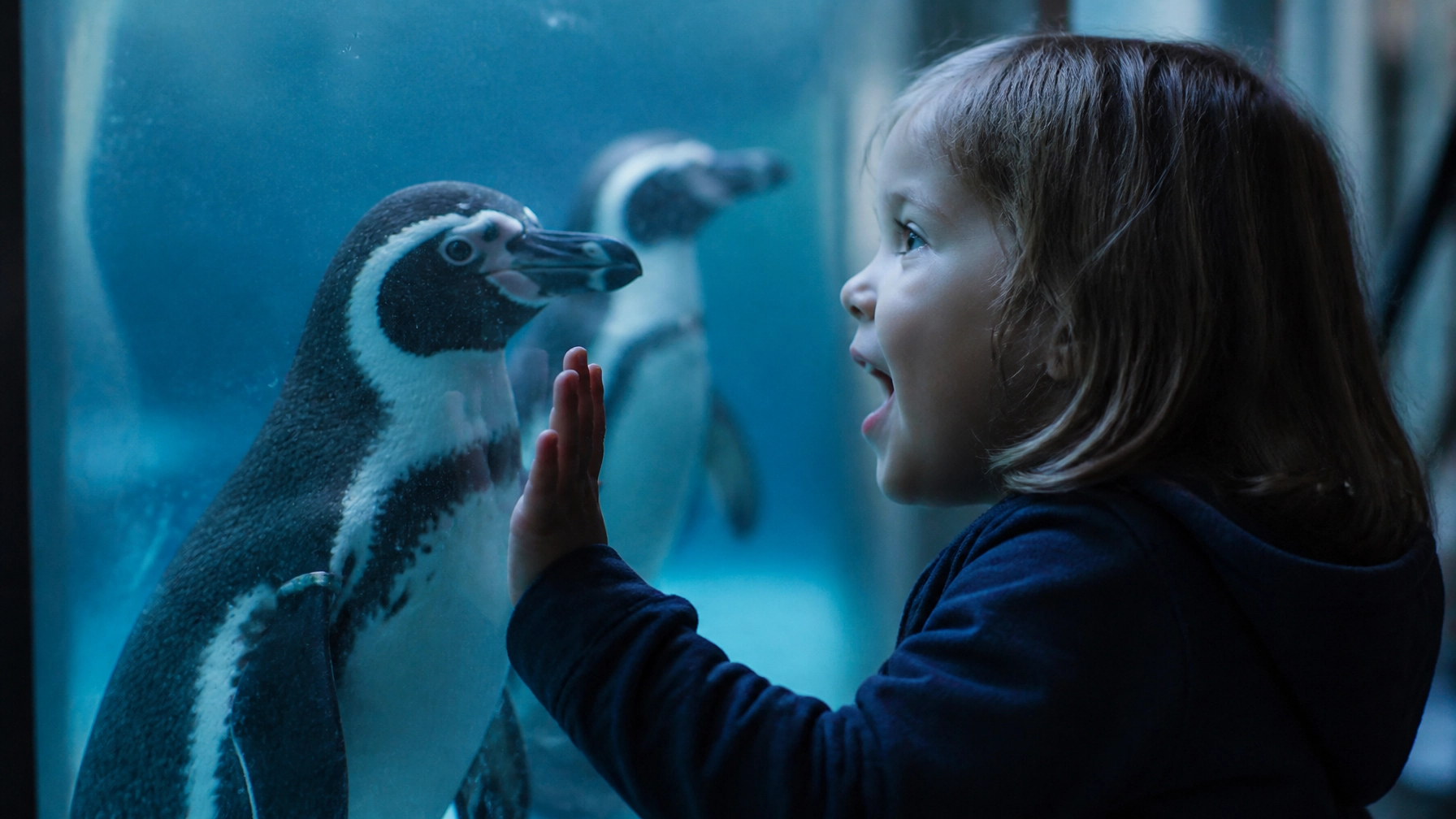
Top 10 Wildlife Marketing Ideas for Your Next Sustainable Campaign
Marketing today is different.
People want truth.
They want impact.
Zoos and aquariums sit at the center of this shift.
High-quality imagery is your foundation.
Action is your message.
Here are 10 wildlife marketing ideas for 2026.
Straightforward.
Effective.
Sustainable.
1. Guest-Generated Content (UGC)
Your visitors are your best marketers.
They carry high-end cameras in their pockets.
Every guest is a potential content creator.
How to do it:
- Use the ZooMedia.us app.
- Encourage real-time photo sharing.
- Turn guest perspectives into official campaigns.
- Focus on the "Human-Animal Connection."
- Track ROI through engagement, not just likes.
Why it works:
- Authentic.
- Low cost.
- High trust.
- Visitors feel like partners in your mission.
2. High-Impact Species Spotlights
Focus on one animal.
Tell their specific story.
Generic content fails.
Specificity wins.
Visual Strategy:
- Use professional photography.
- Close-ups of eyes, textures, and movements.
- Access our library for Lions, Wild Tigers, or Polar Bears.
- Match the quality of the animal to the quality of the image.
Messaging:
- One animal.
- One habitat.
- One clear call to action.

3. Local-Global Habitat Parallels
Connect the local to the global.
Show visitors that the species in their backyard matter too.
Sustainability starts at home.
The Concept:
- Pair a Giraffe campaign with a local pollinator project.
- Link Elephants to local forest conservation.
- Show how water conservation at home protects Birds and Fish worldwide.
Impact:
- Makes global issues relatable.
- Empowers local action.
- Strengthens community ties.
4. The "Invisible" Work: Behind-the-Scenes (BTS)
People care about what they can't see.
Transparency builds trust.
Show the care.
Show the science.
Content Ideas:
- Food preparation rituals.
- Medical check-ups.
- Habitat maintenance.
- Research and data collection.
Format:
- Short, raw video clips.
- Portrait-format photos for social media.
- Minimal editing.
- Maximum honesty.

5. Data as Storytelling
Numbers don't have to be boring.
They are proof of progress.
Show your work through data.
What to share:
- Gallons of water saved this month.
- Pounds of plastic diverted from oceans.
- Number of animals successfully rehabilitated.
- Energy offset by solar installations.
Presentation:
- Simple infographics.
- Live dashboards on your website.
- Direct statements.
- No fluff.
6. Non-Contact "Hearts-On" Experiences
The trend is moving away from physical contact.
Focus on emotional connection instead.
Welfare-first marketing is the future.
Strategy:
- "Keeper Story Windows" at specific times.
- Educational demos showing natural behaviors.
- Large-scale photography highlighting the beauty of the species from a distance.
- Use images of Hyenas or Pandas in naturalistic settings.
The Goal:
- Respect the animal.
- Inspire the guest.
- Lead with empathy.
7. Citizen Science Integration
Turn your audience into researchers.
Active participation creates long-term supporters.
Execution:
- Host "Bioblitz" weekends.
- Use apps like iNaturalist for local species logging.
- Share the results of community findings.
- Reward participation with digital badges or social recognition.
Benefit:
- Valuable data for conservation.
- Deeply engaged visitors.
- Direct contribution to biodiversity goals.
8. Micro-Learning Journeys
Avoid information overload.
Provide small, digestible facts.
Meet the guest where they are.
Tactics:
- QR codes at exhibits for "Deep Dives."
- Single-fact signage.
- SMS-based trivia.
- 15-second "Educational Shorts."

9. Visual Impact: Quality Over Quantity
Don't post just to post.
One stunning image is better than ten mediocre ones.
Professional imagery reflects professional care.
The Zoo Imagery Standard:
- High-resolution.
- Natural lighting.
- Documentary style.
- Authentic moments.
- Consistent branding.
Application:
- Hero images for websites.
- Large-scale print marketing.
- High-performing social ads.
10. Community-Powered Conservation
The zoo is a hub for the community.
Highlight the people who make it happen.
Staff.
Volunteers.
Local partners.
Marketing Ideas:
- "Nature Ally" spotlights.
- Interviews with long-time volunteers.
- Partnerships with local eco-friendly businesses.
- Community action weeks.
Narrative:
- It takes a village.
- Every person plays a part.
- Together, we protect the wild.

Summary of the Approach
Sustainable marketing is about clarity.
It is about showing, not just telling.
Use the tools available.
Leverage high-quality assets.
Trust your audience.
The Checklist:
- Authentic UGC via ZooMedia.
- High-resolution stock from Zoo Imagery.
- Transparent data sharing.
- Community involvement.
- Welfare-first messaging.
The future of wildlife marketing is honest, visual, and participatory.
Start your next campaign with quality.
Join the conversation.
Visit zooimagery.com to explore our library.
Follow us on LinkedIn for daily insights.


