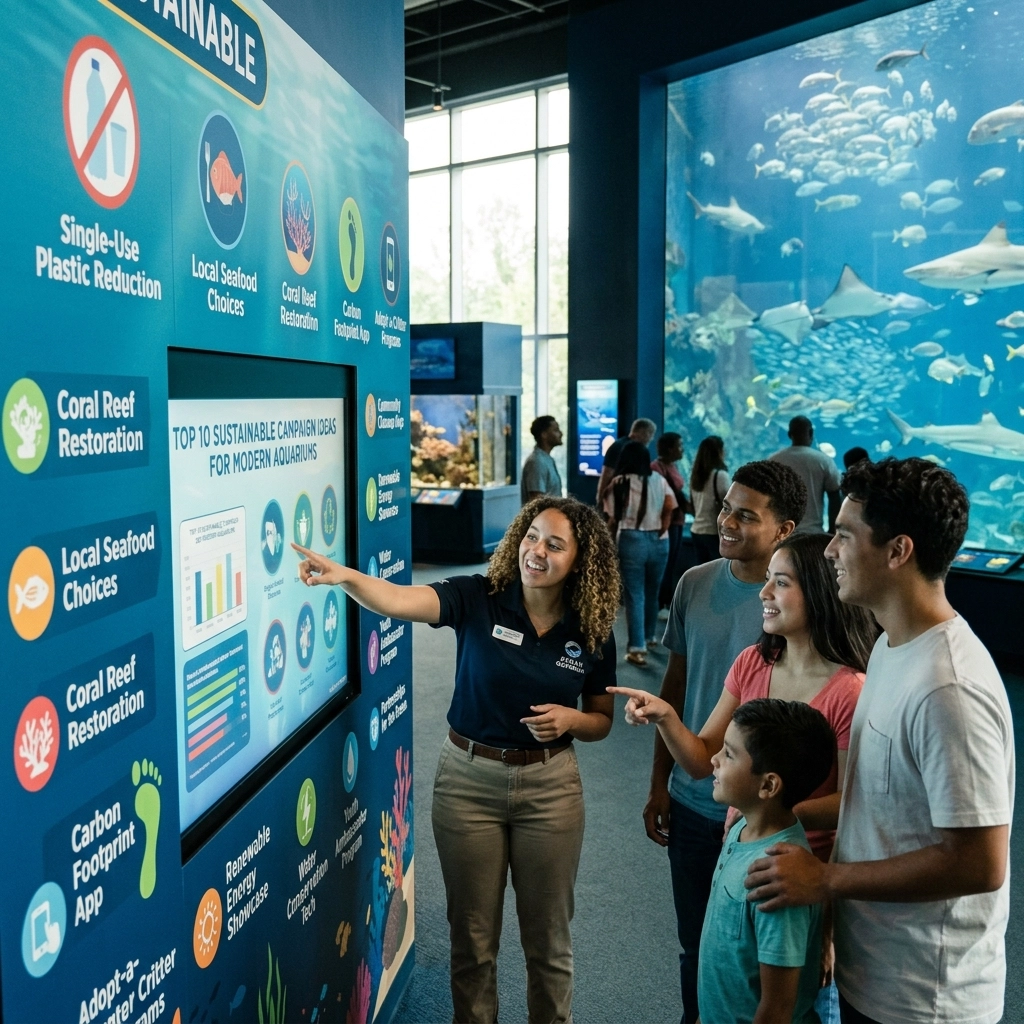
Top 10 Sustainable Campaign Ideas for Modern Aquariums
Modern aquariums are shifting. It is no longer just about looking at fish through glass. Visitors want to know what happens behind the scenes. They care about where animals come from. They care about energy use. They care about the ocean.
Sustainability is the new standard.
To stay relevant, aquarium marketing must reflect real-world impact. Here are ten campaign ideas designed for modern facilities. No fluff. Just practical strategies to build trust and engagement.
1. The "Life Support" Transparency Tour
Most visitors never see the pumps. They don’t see the filtration systems or the energy required to keep a reef at 78 degrees.
The Campaign:
Open the doors. Create a digital or physical tour of your Life Support Systems (LSS).
Why it works:
- Shows the scale of engineering required for animal welfare.
- Highlights energy-efficient upgrades like variable speed pumps and LED arrays.
- Builds authority. You are the expert in aquatic care.
Action Steps:
- Short-form video series on pump room tech.
- Signage explaining "Gallons Filtered Per Minute."
- Link to Zoo Imagery for high-res tech photography.
2. Breed and Release Spotlights
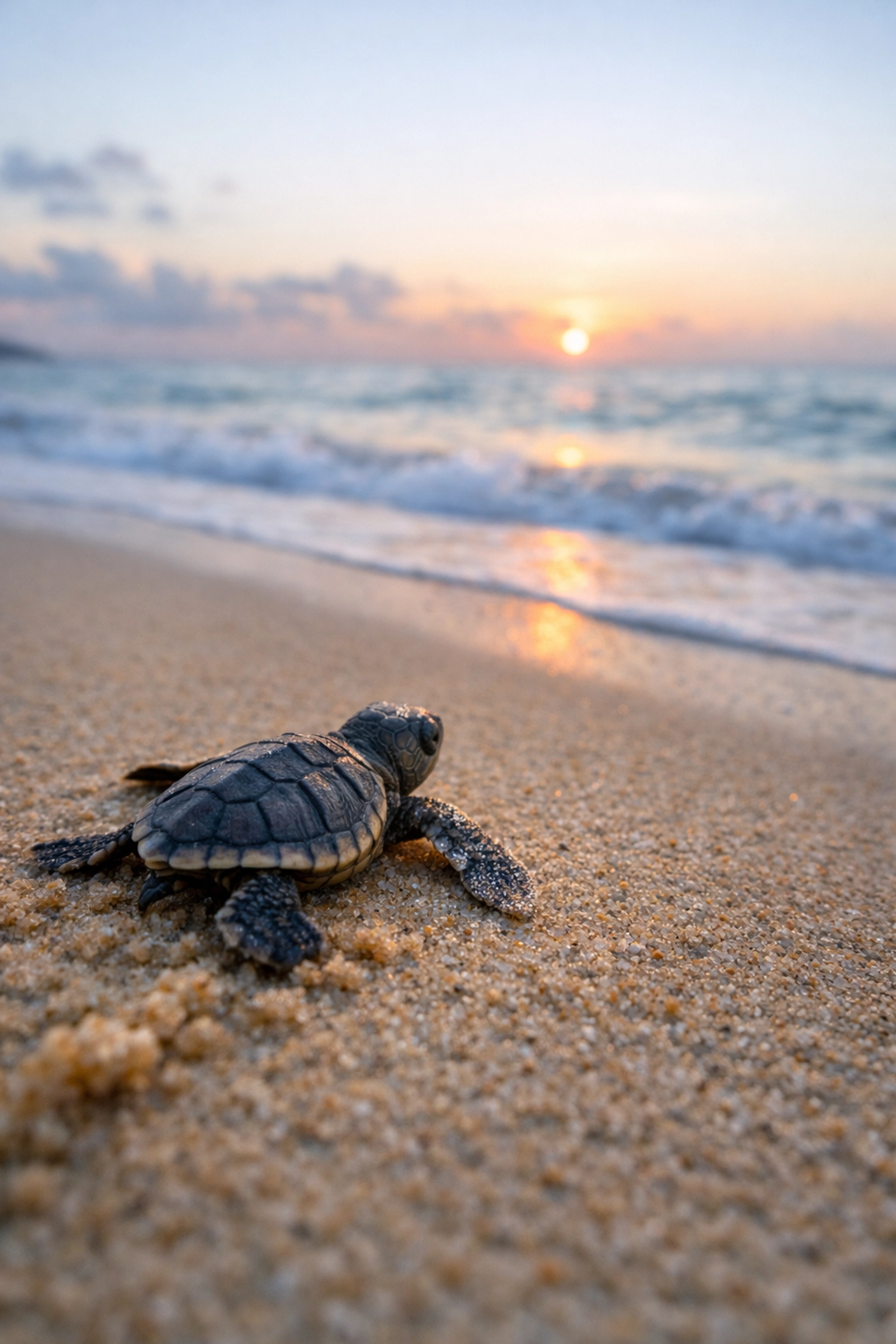
Captive breeding is a pillar of modern conservation. If your aquarium breeds local species for release, tell that story.
The Campaign:
Follow a single animal from egg to ocean.
Why it works:
- Creates an emotional arc.
- Demonstrates tangible conservation results.
- Moves away from the "display only" perception.
The Strategy:
Use high-quality imagery to show the delicate stages of growth. Sparse captions. Focus on the release date.
3. The Zero-Plastic Cafe Initiative
The gift shop and the cafe are often the biggest sources of waste. A sustainability campaign isn't credible if you're selling plastic water bottles.
The Campaign:
A "Plastic-Free Facility" countdown. Document the removal of single-use plastics from every corner of the building.
Marketing Insights:
- Transparency builds trust.
- Share the struggle. If a certain packaging is hard to replace, say so.
- Highlight the alternatives: aluminum, glass, compostable fiber.
4. Native Species Revival
Tropical fish are colorful, but local waterways are the heartbeat of your community.
The Campaign:
Focus exclusively on species found within a 50-mile radius.
Why it works:
- Connects visitors to their own backyard.
- Encourages local environmental stewardship.
- Lower carbon footprint for animal transport.
Content Idea:
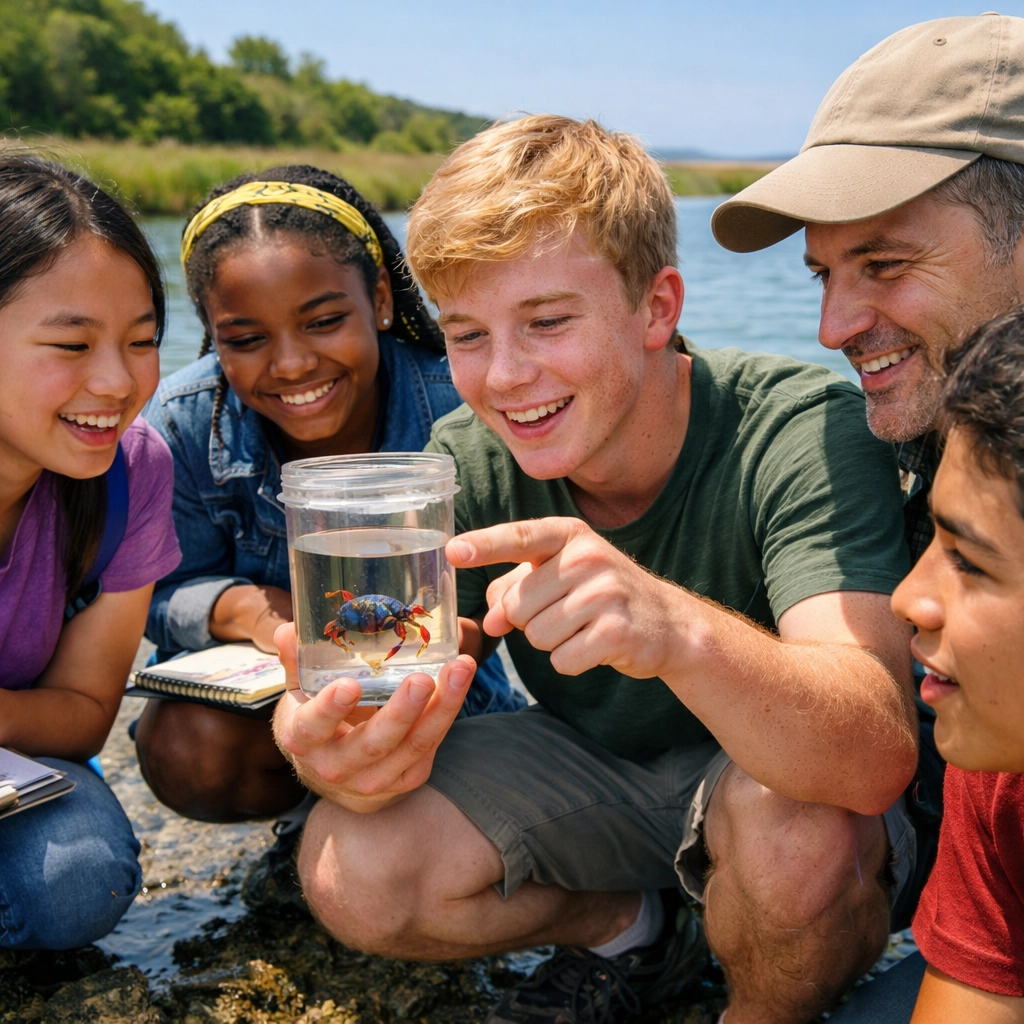
"Meet Your Neighbor" spotlights on local perch, bass, or crustaceans.
5. Citizen Science: The BioBlitz
Empower your visitors to be researchers.
The Campaign:
Host a monthly "BioBlitz" where visitors use apps to log sightings of local aquatic life in nearby parks or on your grounds.
Why it works:
- Increases engagement.
- Provides real data for scientists.
- Positions the aquarium as a community hub for nature.
6. Sustainable Sourcing Stories
People ask: "Where did these fish come from?" Answer them before they ask.
The Campaign:
"Trace the Tank." Use QR codes on exhibit glass to show the origin of the animals. Highlight partnerships with ethical collectors or other accredited institutions.
Key Messaging:
- No wild-caught reef fish from cyanide fishing.
- Focus on polar bears or other species that require specific climate-controlled environments.
- Highlight the logistics of ethical transport.
7. The Energy-Neutral Goal
Aquariums are energy-intensive. Heating and cooling thousands of gallons of water takes power.
The Campaign:
"Powered by the Sun/Wind." If you have solar panels or use renewable energy credits, make it a focal point of your marketing.
Data to Share:
- Kilowatts saved per year.
- Comparison to average household energy use.
- Investment in green tech.
8. Habitat Restoration Partnerships
Aquariums don't exist in a vacuum. Most support field work.
The Campaign:
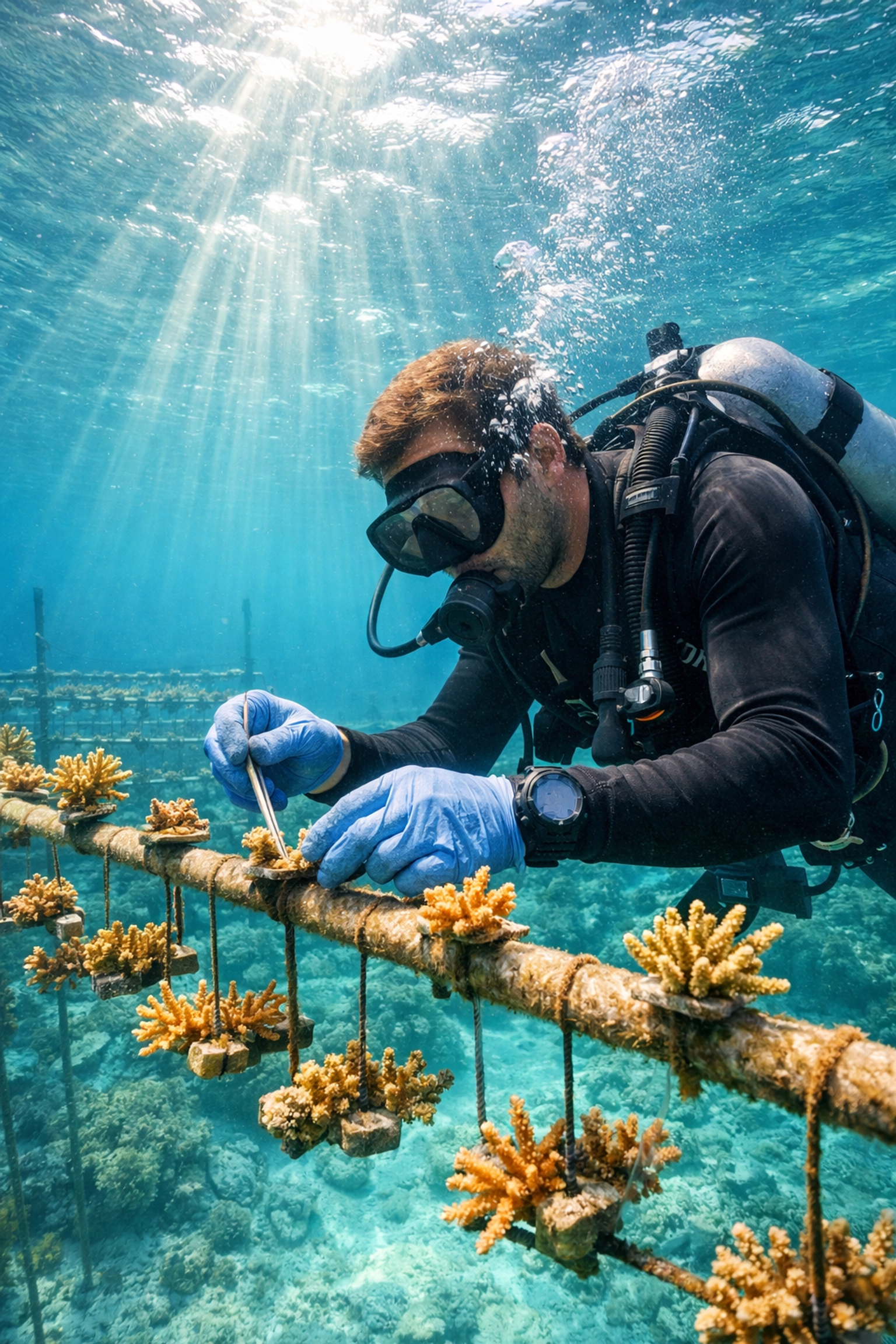
A "Round-Up for Reefs" or "Dollars for Dunes" program. Direct visitor donations to a specific, verified field project.
Visuals are Critical:
Don't just show a donation box. Show the seagrass being planted. Show the coral nursery.
9. Upcycled Art Installations
Trash is a visual problem. Use it to tell a story.
The Campaign:
Commission a local artist to create a sculpture made entirely of plastic collected from local beaches.
Why it works:
- Highly "Instagrammable."
- Visceral impact. It’s hard to ignore a 10-foot shark made of flip-flops and bottle caps.
- Provides a backdrop for educational talks about ocean health.
10. The Digital Legacy Project
Not everyone can visit the aquarium. Sustainability includes making education accessible without the carbon footprint of travel.
The Campaign:
A high-definition virtual gallery. Provide schools and remote learners with access to professional-grade imagery and live feeds.
Implementation:
- Use elephants or wild tigers stock from Zoo Imagery for educational materials.
- Live-streamed feeding sessions.
- Downloadable "Conservation Kits" for teachers.
Marketing Insights for Zoos and Aquariums
Marketing in 2026 is about being real. The "zoo" of the past was a collection. The "aquarium" of the future is a conservation powerhouse.
Keep it Simple:
Don't use industry jargon. Don't talk about "synergistic ecosystem management." Talk about "saving the creek."
Visual Quality Matters:
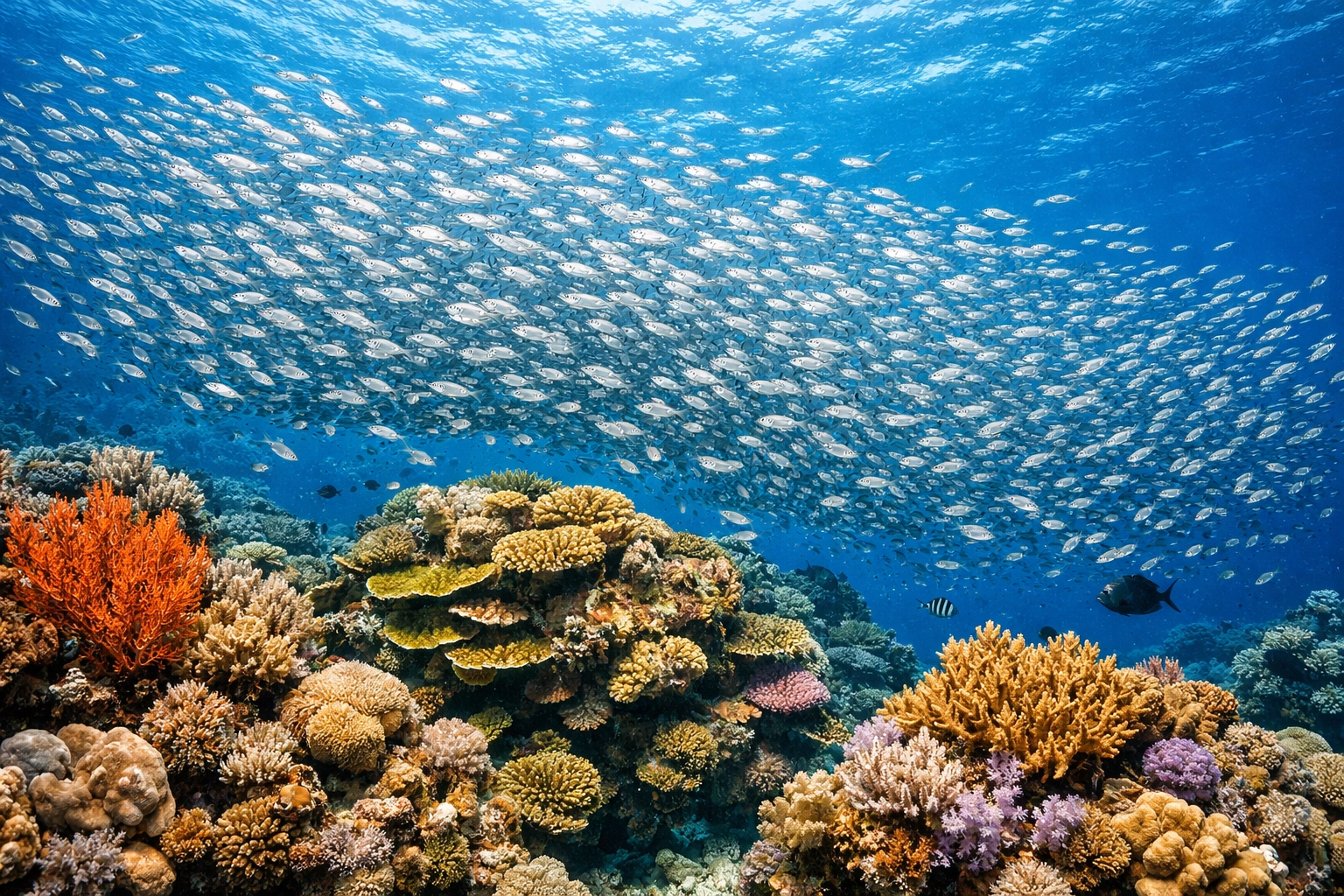
In a world of blurry phone photos, professional imagery stands out. It shows respect for the subject. Whether you are featuring birds or hyenas, the quality of your media reflects the quality of your care.
Focus on "The Why":
Every campaign should answer one question for the visitor: Why does this matter to me?
- Clean water = Better fishing/swimming.
- Sustainable energy = A more stable climate.
- Healthy oceans = Food security.
Why Visuals are the Foundation
At Zoo Imagery, we see how the right photo changes a campaign. A picture of a panda eating bamboo is nice. A high-resolution, professional shot of a panda in a conservation program tells a story of survival.
If you are running a sustainable campaign, your visuals need to be sustainable too. That means using high-quality assets that can be used across print, digital, and social without losing impact.
Our Approach:
- Clean, direct imagery.
- Focus on the animal.
- No unnecessary distractions.
Final Thoughts
Sustainability isn't a trend. It's the survival of the industry. Aquariums that embrace transparency, local impact, and real conservation will thrive. Those that stick to the old ways will fade.
Start small. Pick one campaign. Execute it with honesty.
For more marketing insights and professional wildlife media, visit us at zooimagery.com or follow our updates on LinkedIn.
Dan Kost
CEO, Zoo Imagery


