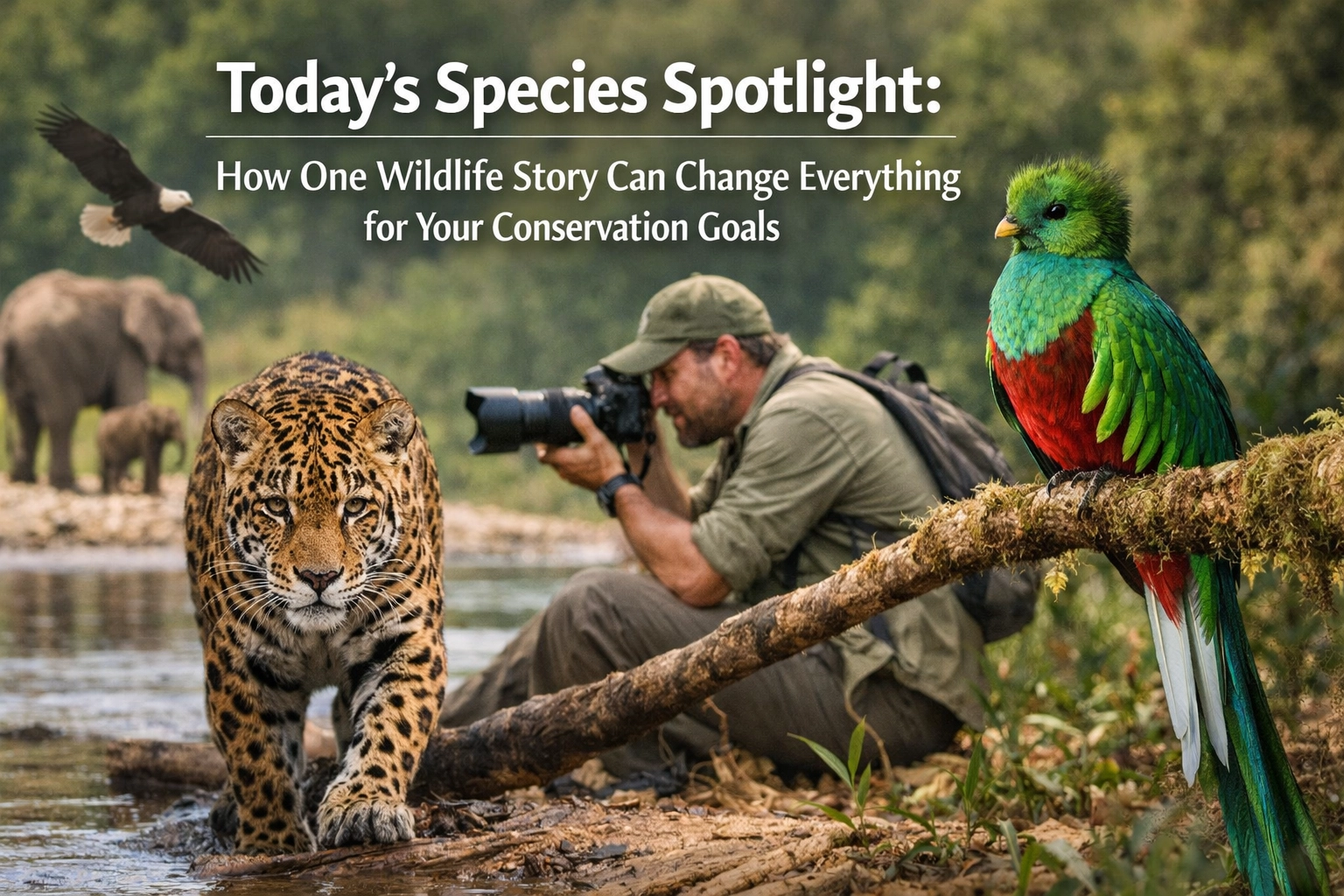
Today's Species Spotlight: How One Wildlife Story Can Change Everything for Your Conservation Goals
One image. One story. Everything changes.
That's not marketing speak. It's what happens when the right wildlife story reaches the right audience at the right time.
Conservation organizations know this instinctively. But most underestimate how much a single compelling visual narrative can move the needle on funding, public support, and policy change.
The Data Behind the Story
When NOAA Fisheries launched their Species in the Spotlight initiative in 2015, they focused on 10 marine species at highest risk of extinction. Atlantic salmon. North Atlantic right whales. Hawaiian monk seals.
The results speak clearly.
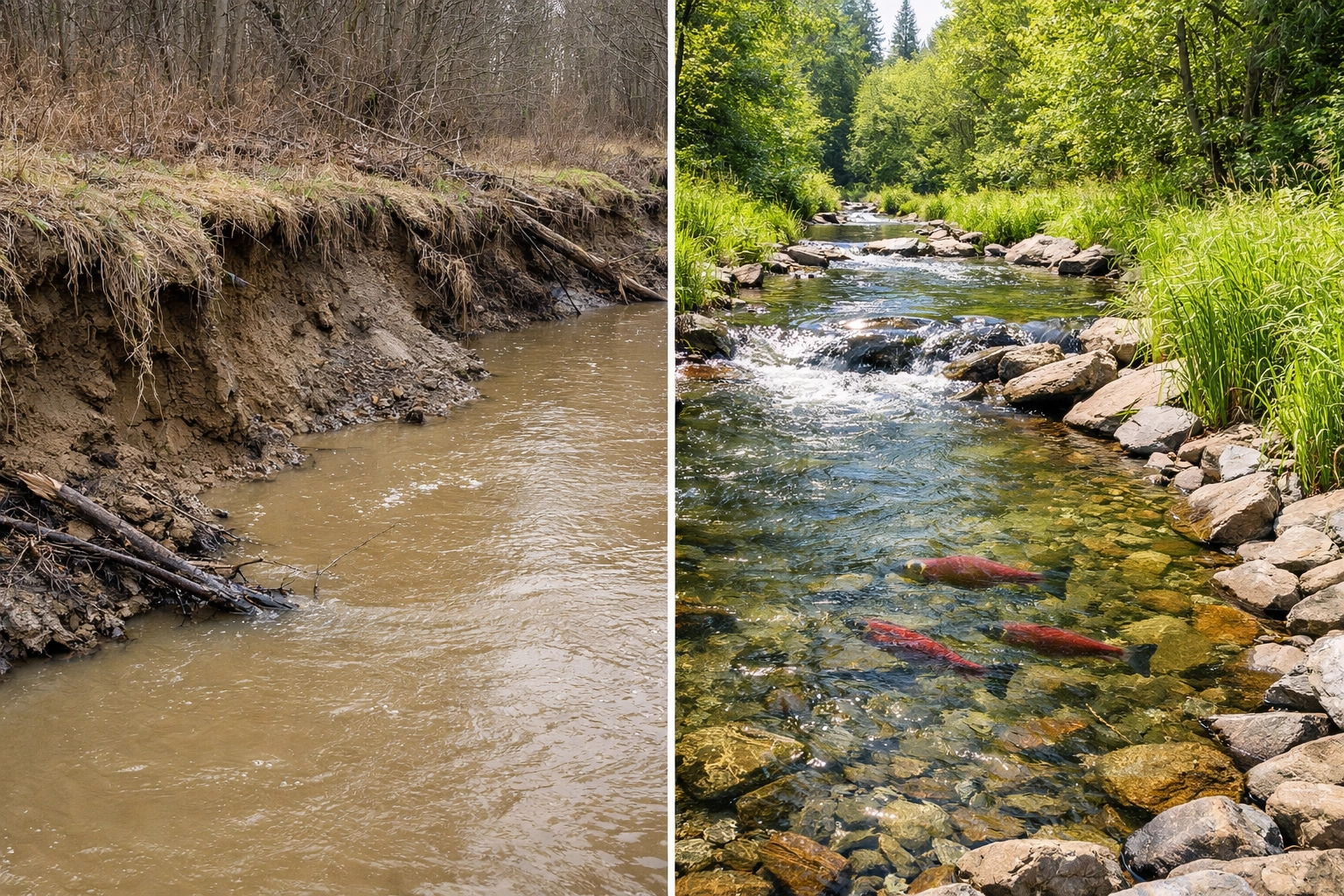
Over 200 miles of streams restored. Thousands of salmon reintroduced. Captive breeding programs expanded dramatically. These weren't just scientific efforts. They were storytelling campaigns backed by powerful imagery that made people care.
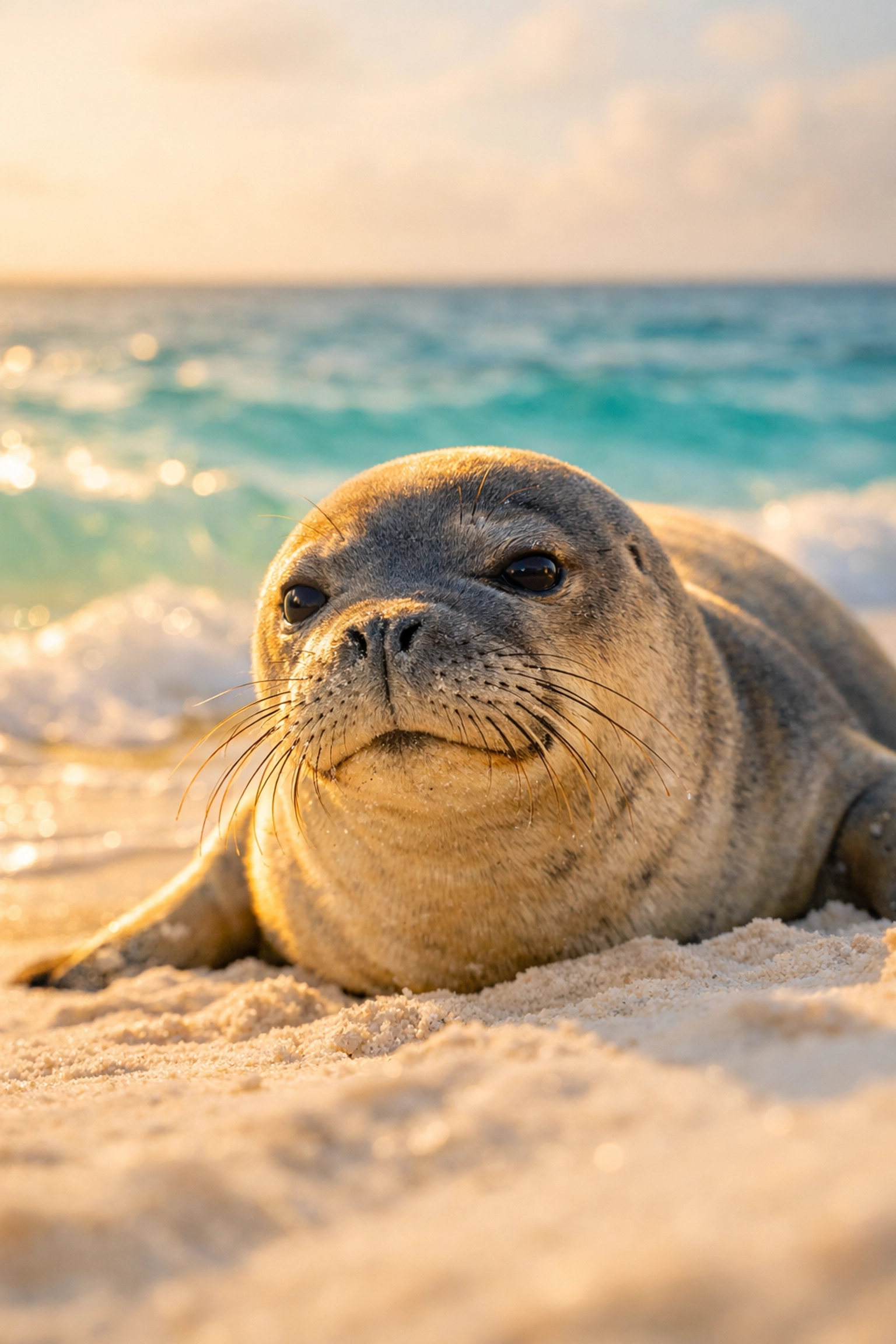
Why Some Stories Break Through
Not all wildlife content performs equally.
The species that capture attention share common traits:
- Charismatic features that translate well visually
- Clear human connection points
- Documented threats people can understand
- Actionable conservation pathways
But here's what matters most: quality imagery.
Researchers studying the "Hollywood effect" found measurable conservation impacts from media attention. Public storytelling about endangered species directly influences outcomes. The mechanism is simple. Great visuals create emotional connection. Emotional connection drives action.
The Conservation Storytelling Gap
Most conservation organizations have the science. They have the mission. They have dedicated teams working daily to protect species.
What they often lack: consistent access to high-quality wildlife imagery that tells their story effectively.
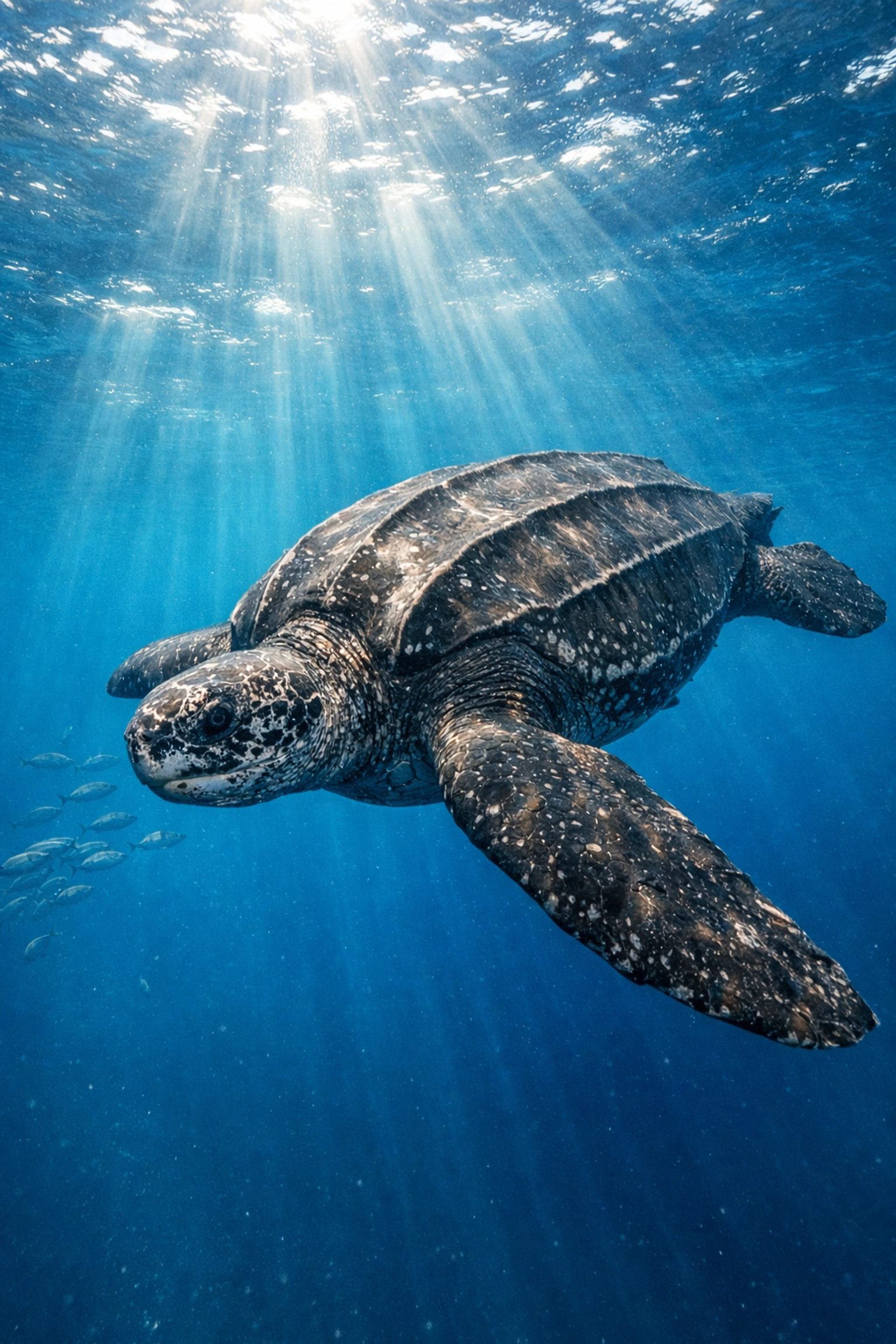
Stock photos help, but generic images don't move audiences. Wildlife photography that captures authentic moments, natural behaviors, and species personality: that's what cuts through.
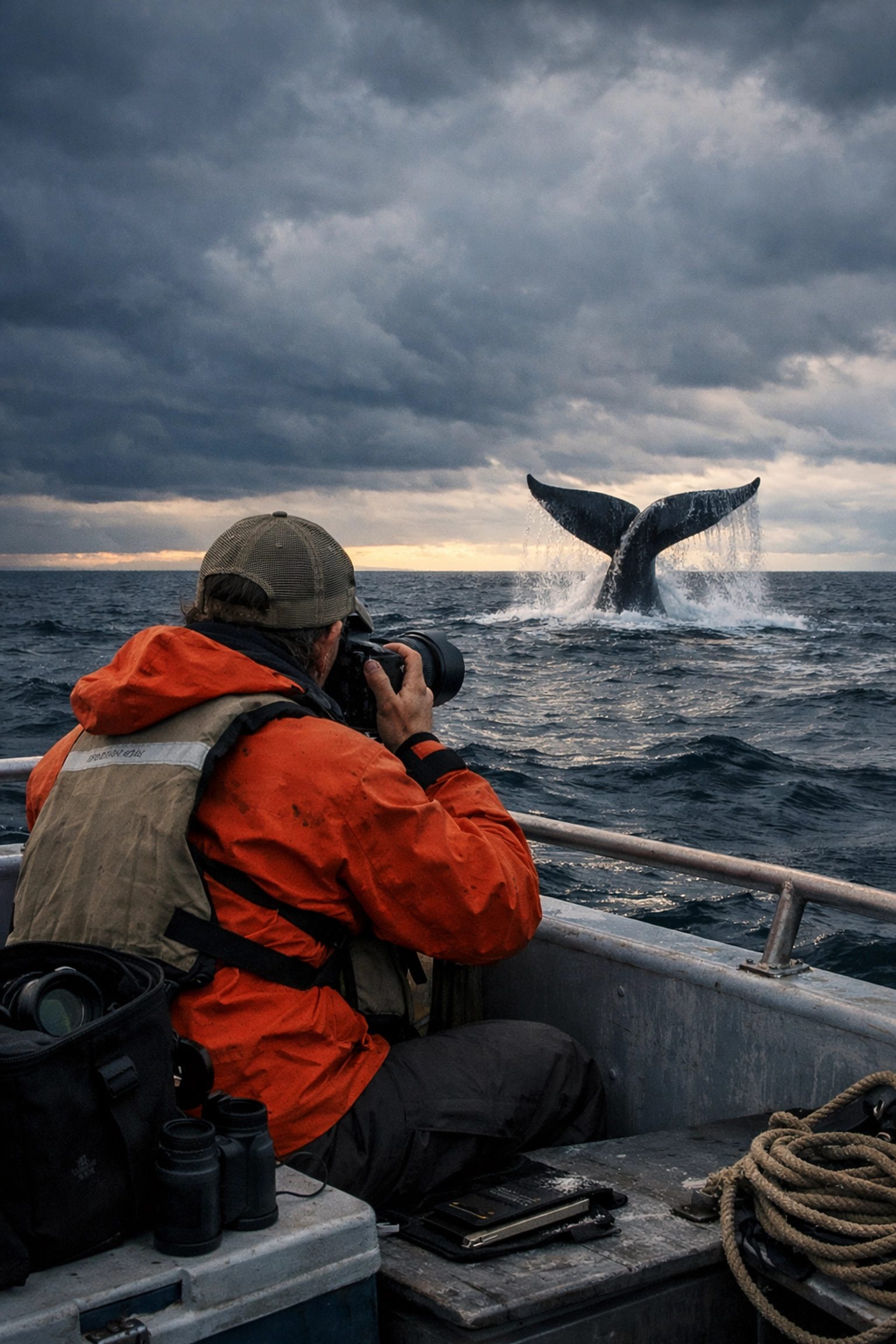
What Makes Wildlife Imagery Work
Professional wildlife photography delivers three things:
Authenticity. Real animals in real habitats. No staged shots, no artificial setups. Viewers sense the difference immediately.
Emotional resonance. The right moment captured: a mother with offspring, a species displaying natural behavior, an individual that looks directly at the camera. These images create instant connection.
Educational value. Images that show species in context, illustrating habitat needs, feeding behaviors, or conservation challenges. Visual education wrapped in compelling storytelling.
When conservation organizations use this type of imagery consistently, their messaging shifts from informational to transformational.
The Zoo Connection
Zoos and aquariums sit at the intersection of conservation and public engagement. They house species, conduct research, and educate millions of visitors annually.
They're also content goldmines.
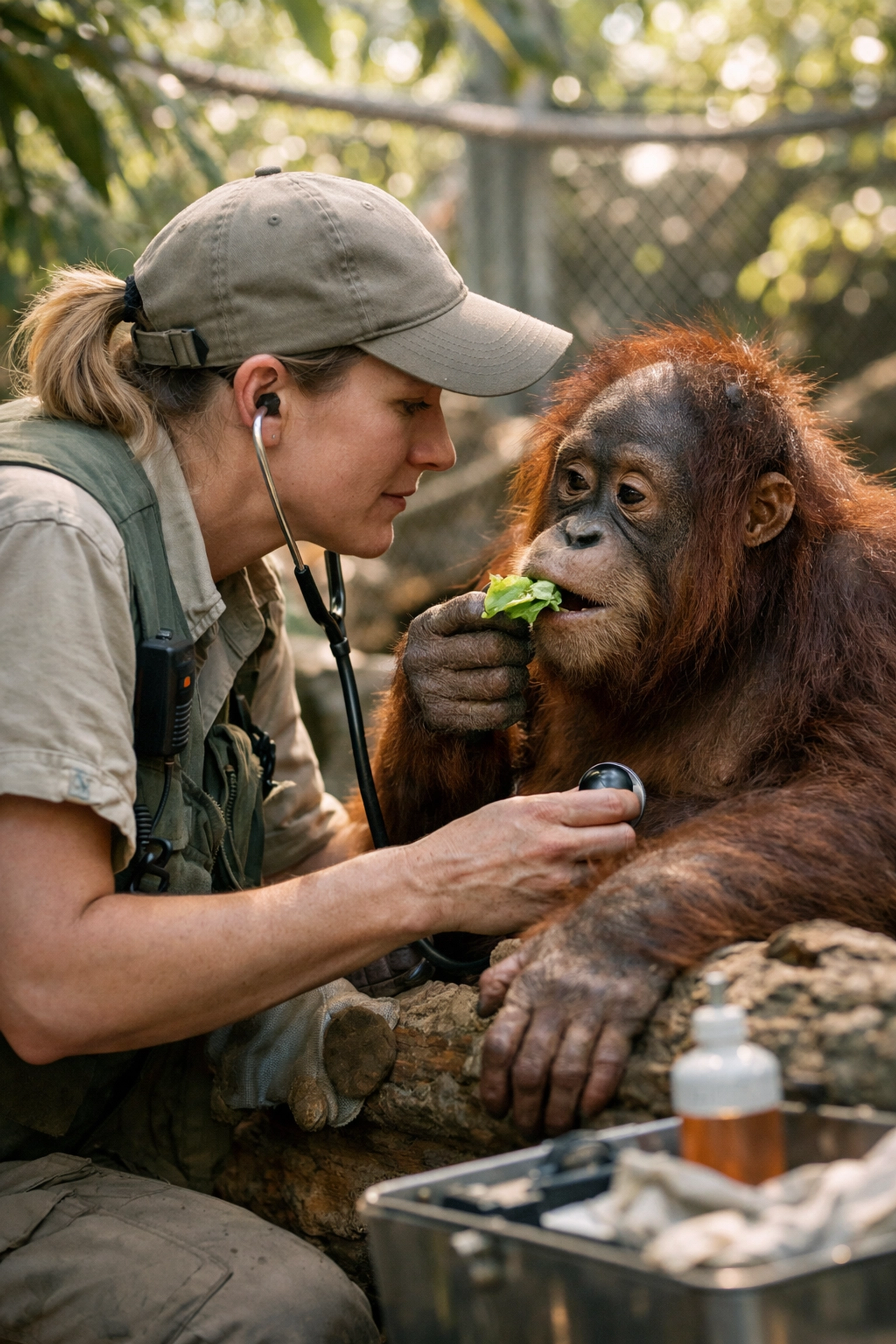
Behind-the-scenes access. Daily animal interactions. Breeding program milestones. Keeper relationships. Educational moments. All of it tells the larger conservation story.
But most institutions struggle to capture and leverage this content effectively. Staff photographers are limited. Budgets are tight. Meanwhile, the stories remain untold.
Species Spotlights That Actually Work
Effective species spotlights follow a pattern:
Start with the hook. One compelling image that stops scrolling. The visual equivalent of "you need to see this."
Follow with context. Where does this species live? What threats does it face? Why should anyone care?
Show the work. Conservation isn't abstract. It's people in the field, day after day, making incremental progress. Document that.
End with action. What can your audience do? How can they get involved? Make the pathway clear.
The difference between a species spotlight that generates passive interest and one that drives measurable action often comes down to visual quality. Amateur photos inform. Professional imagery inspires.
Building Your Visual Conservation Library
Conservation storytelling isn't a one-time campaign. It's consistent communication across channels, seasons, and years.
That requires a library of quality imagery.
Not just hero shots. Not just the "money images" that win awards. You need the full range:
- Wide habitat shots showing ecosystem context
- Behavioral sequences documenting natural patterns
- Individual portraits that humanize species
- Conservation work in progress
- Before-and-after documentation
Organizations that build comprehensive visual libraries can respond quickly to opportunities. A media request comes in: you have images ready. A funding proposal needs supporting visuals: they're already organized. A social media moment happens: you can tell the story immediately.
The ROI Nobody Talks About
Conservation marketing typically focuses on traditional metrics. Website traffic. Social engagement. Email open rates.
Those matter. But wildlife imagery delivers ROI that's harder to measure and more valuable.
Donor retention. Compelling visuals keep supporters emotionally invested. They see the species they're helping protect. They watch progress unfold through images over time.
Media pickup. Quality imagery gets your stories published. Journalists need visuals. Give them professional options, and your conservation work gets coverage.
Collaborative opportunities. Other organizations notice consistent, quality visual storytelling. Partnerships form around shared visual content and co-branded campaigns.
Staff morale. Often overlooked: when your team sees their work documented beautifully, it reinforces why they do what they do. Internal storytelling matters.
Starting Simple
You don't need a massive budget or complete library overhaul to improve conservation storytelling.
Start with one species. Your flagship species, the one your organization is known for. Build a comprehensive visual story around that single focus. Document it thoroughly over time.
Use those images everywhere. Website. Social media. Presentations. Print materials. Grant applications. Media kits.
Watch what performs. Which images generate engagement? What story angles resonate? What visuals drive people to learn more or take action?
Then expand. Add a second species. Then a third. Build your visual library deliberately, with purpose behind every image.
The Path Forward
Conservation succeeds when people care. People care when stories connect emotionally. Stories connect through powerful imagery.
It's that straightforward.
The question isn't whether visual storytelling matters for conservation. The research confirms it does. The question is whether your organization is leveraging it effectively.
Every day without consistent, quality wildlife imagery is a day your conservation message operates at reduced capacity. Every species spotlight without compelling visuals is a missed opportunity to move someone from passive interest to active support.
The species you're working to protect deserve the best possible storytelling. Your donors deserve to see the impact of their support. Your team deserves to have their work documented properly.
One story can change everything. Make sure yours has the imagery to match.
Ready to strengthen your conservation storytelling? Explore our wildlife photography library at Zoo Imagery or connect with us on LinkedIn to discuss how quality imagery can amplify your mission.


