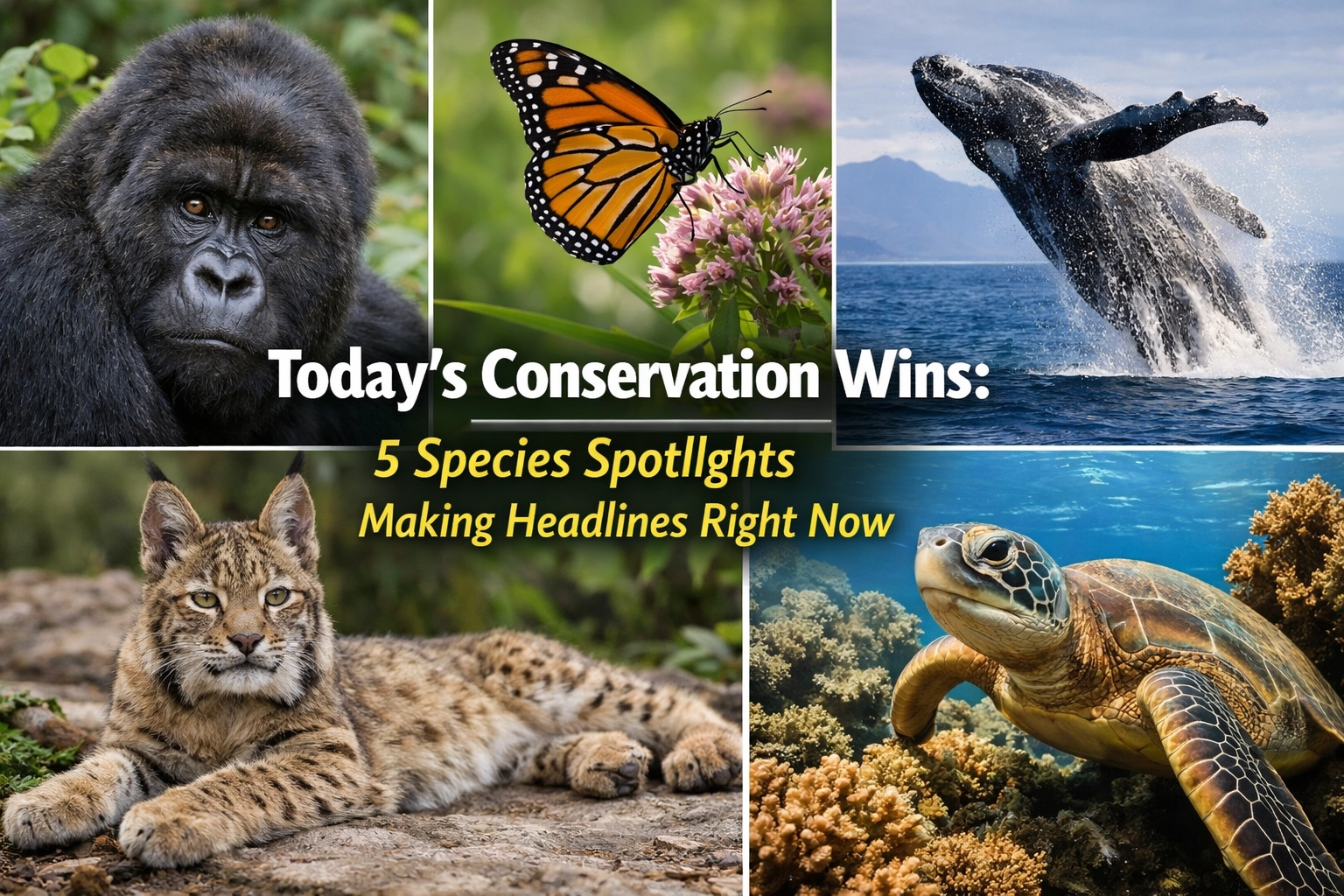
Today’s Conservation Wins: 5 Species Spotlights Making Headlines Right Now
Good news travels fast in the conservation world. And this week, it's traveling across continents.
Five species are making headlines right now. Not because they're in crisis. Because people are taking action. Communities, governments, and conservation groups are showing what's possible when we prioritize wildlife protection.
Here's what's happening.
1. Swifts Get Legal Protection in Scotland
Scotland just passed groundbreaking legislation. Every new home will include nesting bricks for swifts.
This isn't a suggestion. It's law.
The Natural Environment Bill amendment addresses a serious problem. Swift populations across the UK have declined dramatically. Modern construction eliminates the gaps and crevices these birds need to nest.
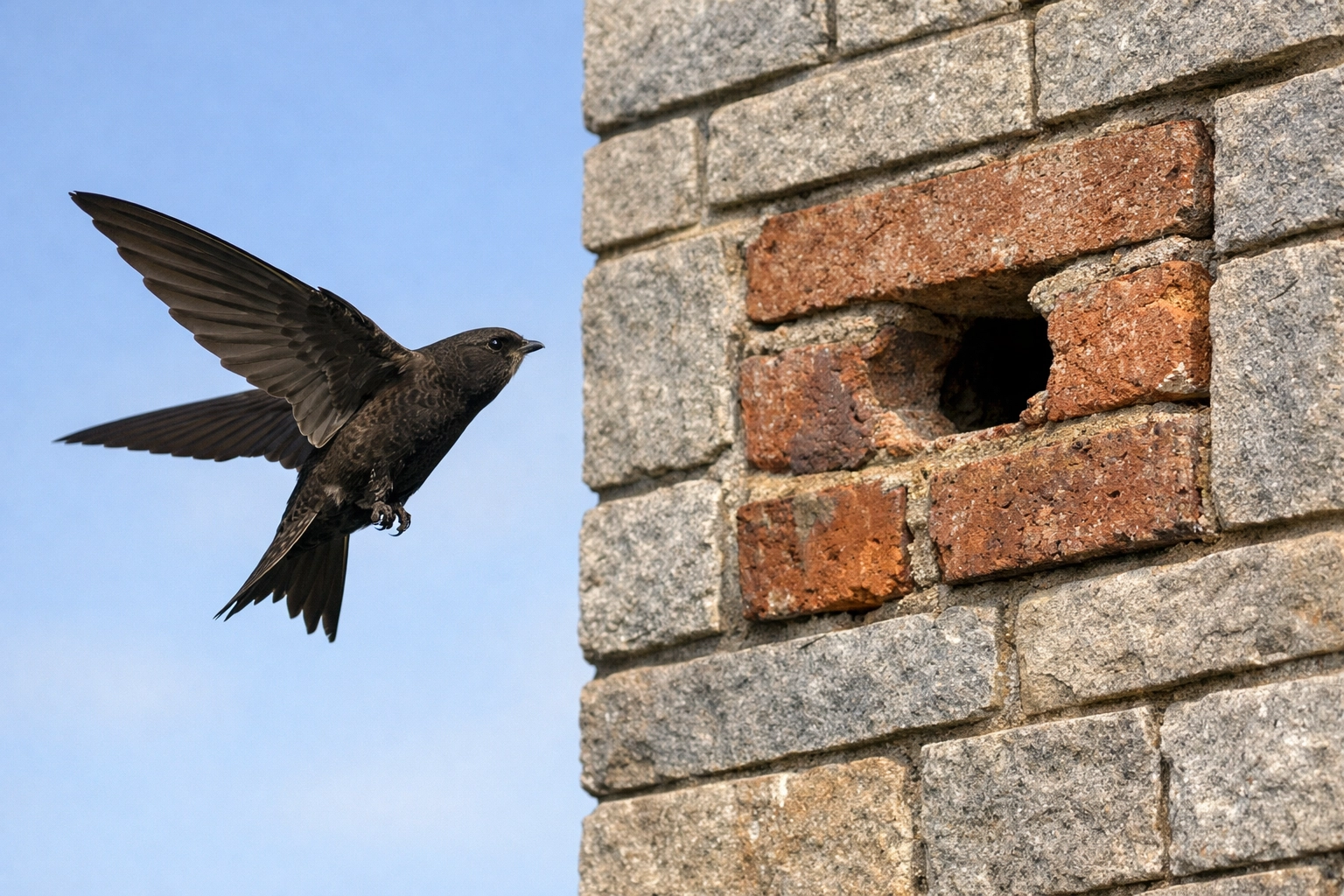
The solution is remarkably simple. Builders install special bricks designed with small cavities. Swifts move in. The cost is minimal. The impact is significant.
Scotland becomes the first country to mandate wildlife-friendly architecture at this scale. Other nations are watching.
2. European Wildcats Return to Czech Mountains
Wildcats are breeding again in the Lusatian Mountains. This marks a major milestone for rewilding efforts along the Czech-German border.
Researchers confirmed reproduction in an area where wildcats had disappeared. The discovery suggests natural populations can recover when habitat conditions improve.
These aren't house cats gone feral. European wildcats are a distinct species. Larger, more muscular, with distinctive striped coats. They're elusive and solitary.
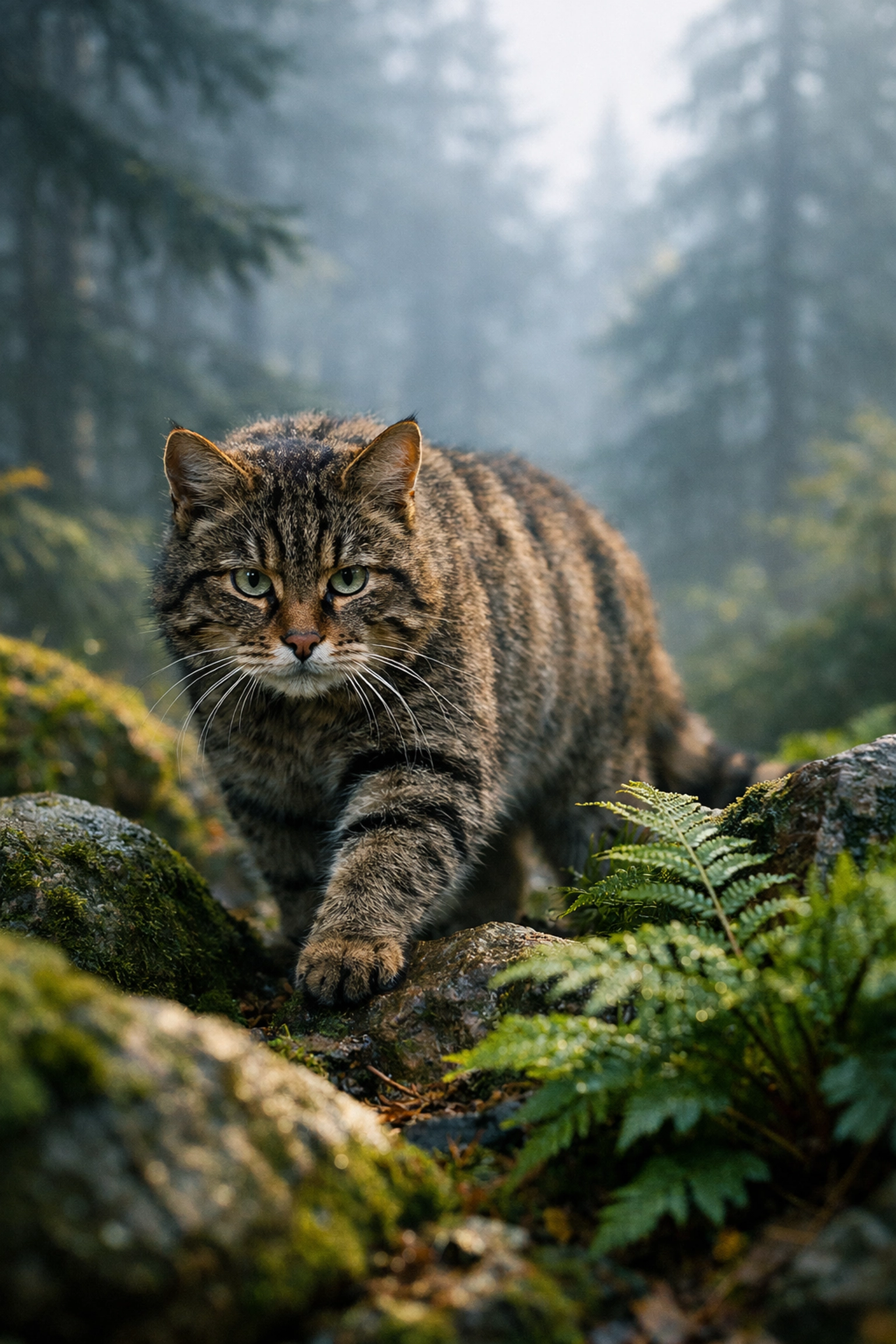
Their return indicates healthy forest ecosystems. Wildcats need extensive territory, diverse prey, and minimal human disturbance. The Lusatian Mountains are providing all three.
Conservation teams are monitoring the population carefully. Early success doesn't guarantee long-term establishment. But it's a promising start.
3. Tunisia Transforms Invasive Crab into Economic Asset
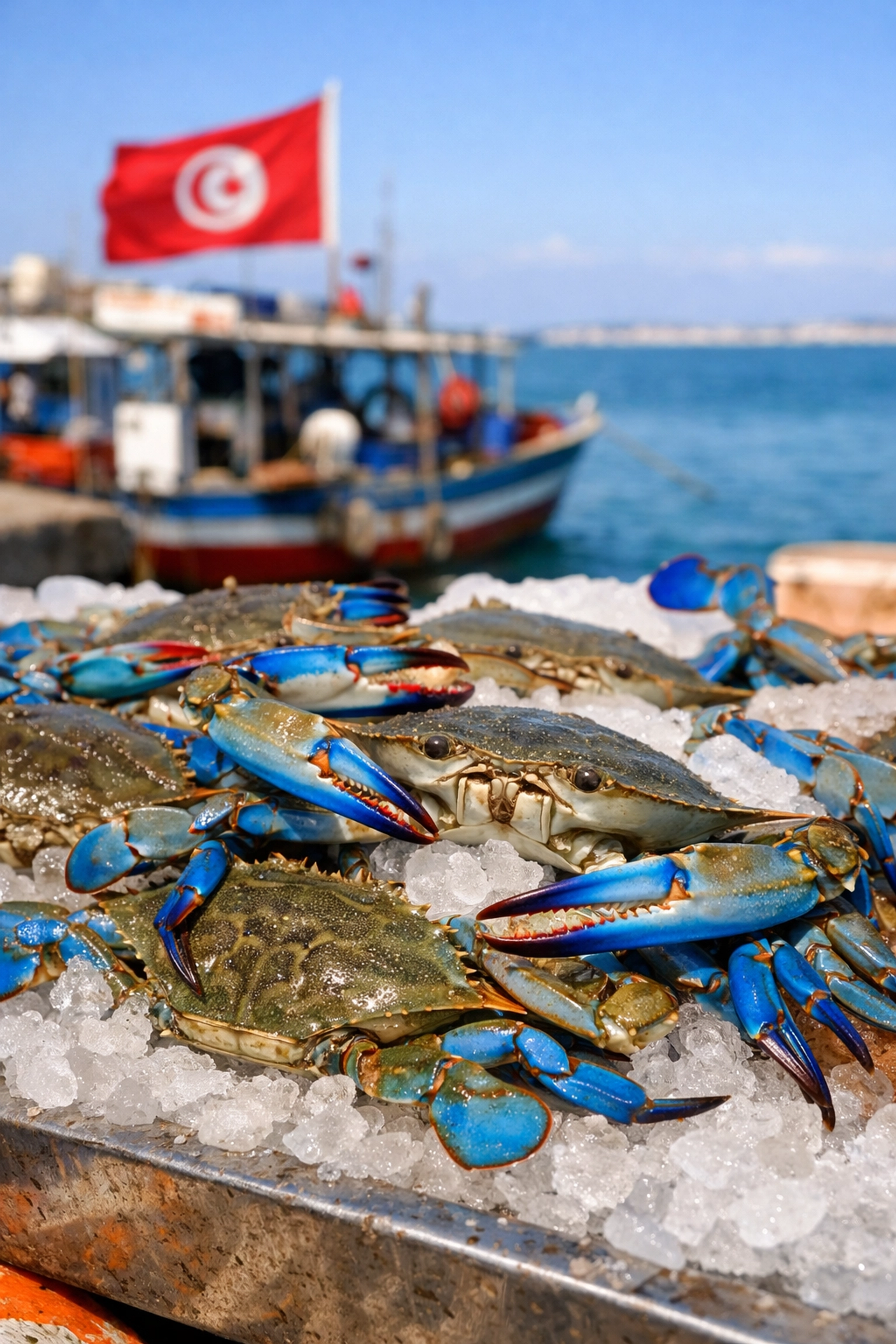
Tunisia faced an invasion. Blue swimming crabs arrived in Mediterranean waters and multiplied rapidly. They disrupted local ecosystems. Fishermen saw them as destructive pests.
Then someone asked a different question. What if we harvested them instead?
The answer created an entirely new industry. Blue swimming crabs became a premium seafood export. Processing facilities opened. Jobs materialized in coastal communities. The invasive species became economic opportunity.
This approach benefits everyone. Crab populations stay controlled. Local economies gain new revenue streams. Marine ecosystems experience less pressure from the invasion.
Tunisia is now exploring biotech applications for crab byproducts. What started as an environmental problem evolved into innovation.
The lesson is clear. Creative thinking transforms challenges into solutions.
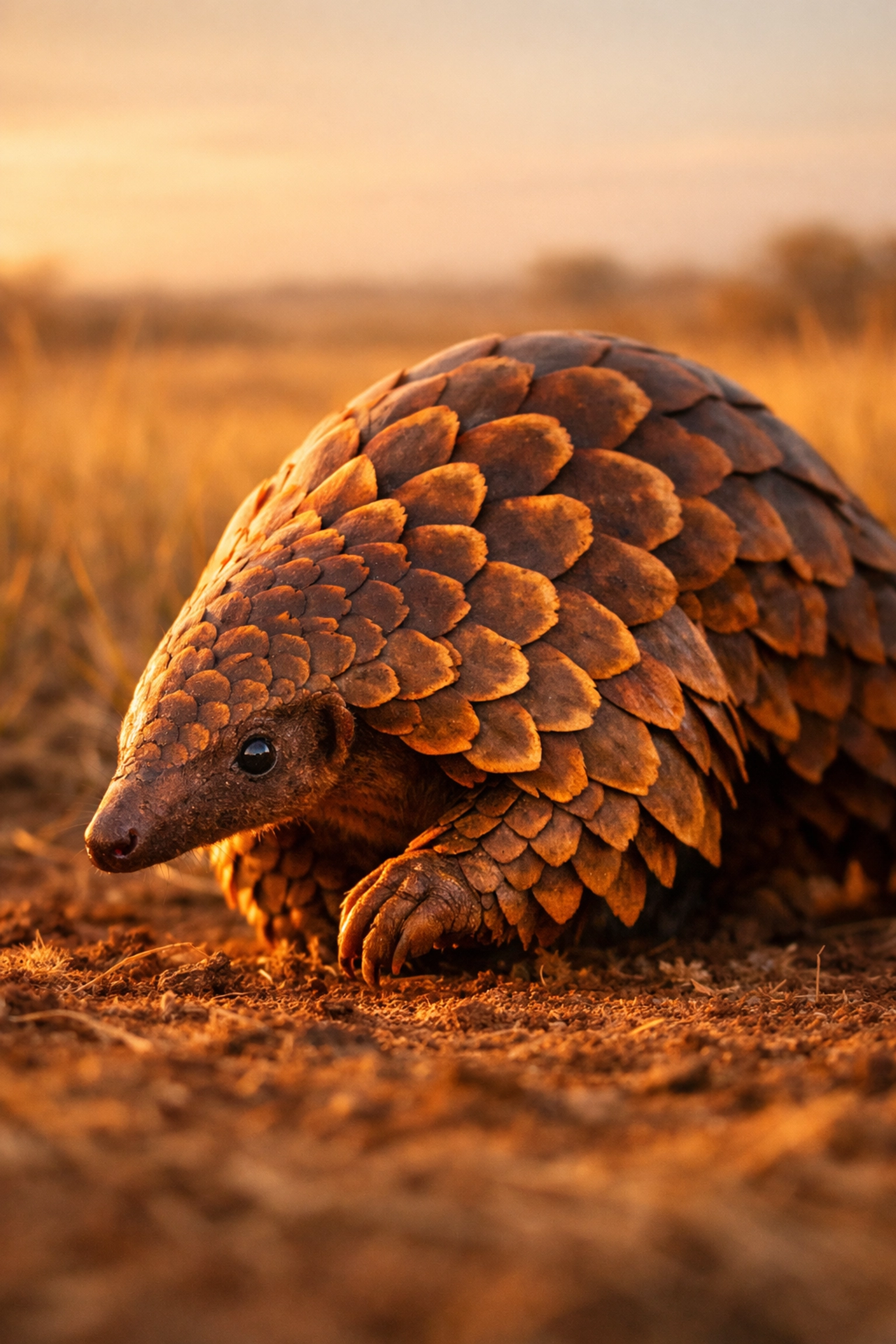
4. Zambia Launches First Pangolin Protection Campaign
Pangolins are the world's most trafficked mammals. Their scales are sold illegally for traditional medicine. Their meat is considered a delicacy in some regions.
Zambia is fighting back.
The country launched its first Pangolin Protection Campaign in Solwezi. This isn't a top-down government mandate. It's a collaborative effort.
Traditional leaders helped design the campaign. Healers participated in the conversation. Local communities shape the approach. This matters because effective conservation requires community buy-in.
Pangolins face extraordinary pressure. All eight species are threatened with extinction. They're shy, nocturnal, and difficult to study. Protection efforts must address both poaching and habitat loss.
Zambia's approach recognizes that conservation success depends on local engagement. When communities understand the value of protecting pangolins, enforcement becomes easier. Cultural leaders amplify the message.
Early response has been encouraging. The campaign combines education, enforcement support, and economic alternatives to poaching.
5. Osprey Populations Soar in Indiana
Indiana recently downlisted the osprey from State Endangered to Special Concern. The reclassification reflects sustained population growth.
These fish-eating raptors nearly disappeared from the state. Pollution, habitat loss, and DDT devastated populations throughout the mid-20th century. Recovery seemed unlikely.
Decades of focused conservation work changed the trajectory. Partners across government agencies, conservation groups, and private organizations collaborated. The Indiana Nongame Wildlife Fund provided crucial resources. State Wildlife Grant programs sustained long-term efforts.
Now ospreys nest across Indiana. Their presence indicates healthy aquatic ecosystems. They require clean water, abundant fish populations, and suitable nesting sites. They're finding all three.
The downlisting doesn't mean work is finished. Continued monitoring and habitat protection remain essential. But the progress demonstrates what coordinated conservation can accomplish.
Why These Stories Matter
Five species. Five continents. Five different approaches.
The common thread? Action.
Conservation doesn't happen by accident. It requires legislation, research, creative problem-solving, community engagement, and sustained funding. These stories show the diversity of successful strategies.
Scotland proves policy change can happen quickly when governments prioritize wildlife. The Czech Republic demonstrates that rewilding works. Tunisia shows how economic incentives drive conservation. Zambia highlights the importance of cultural engagement. Indiana confirms that long-term partnerships produce results.
Each approach addresses specific local conditions. There's no universal conservation formula. Success requires understanding regional contexts, cultural values, and economic realities.
Documenting Conservation Progress
At Zoo Imagery, we believe visual storytelling matters. Conservation wins deserve attention. Species recovery deserves documentation. These stories need to reach broader audiences.
High-quality wildlife imagery makes conservation tangible. It connects people to species they might never see in person. It builds the emotional connections that drive support for protection efforts.
We work with zoos, aquariums, and conservation organizations to create compelling visual content. These stories matter. Getting them in front of more people matters even more.
Want to learn more about how visual storytelling supports conservation messaging? Visit zooimagery.com or connect with us on LinkedIn.
The good news keeps coming. More stories are breaking every day. And we'll keep sharing them.


