Today’s Conservation Milestones Explained in Under 3 Minutes: The Latest Species Wins
10.01 percent.
That is the number.
As of today, April 17, 2026, more than ten percent of the world’s oceans are officially protected.
The United Nations Environment Programme shared this milestone. It is a major jump. In 2024, the number was 8.6 percent. In just two years, we added 5 million square kilometers of protection. That is an area larger than the European Union.
This is progress.
At Zoo Imagery, we track these wins. We document the animals. We tell their stories. Here is the breakdown of the latest conservation milestones you need to know.
The Ocean Milestone
The ocean gives us half of our oxygen. Protecting it is not optional.
The world agreed in 2022 to protect 30 percent of land and sea by 2030. We call this 30×30. We are now one-third of the way there for the oceans.
It is a start.
To hit the 2030 goal, we need to protect an area the size of the Indian Ocean in four years. The pace is moving fast.
Wild Tigers: A Rebound
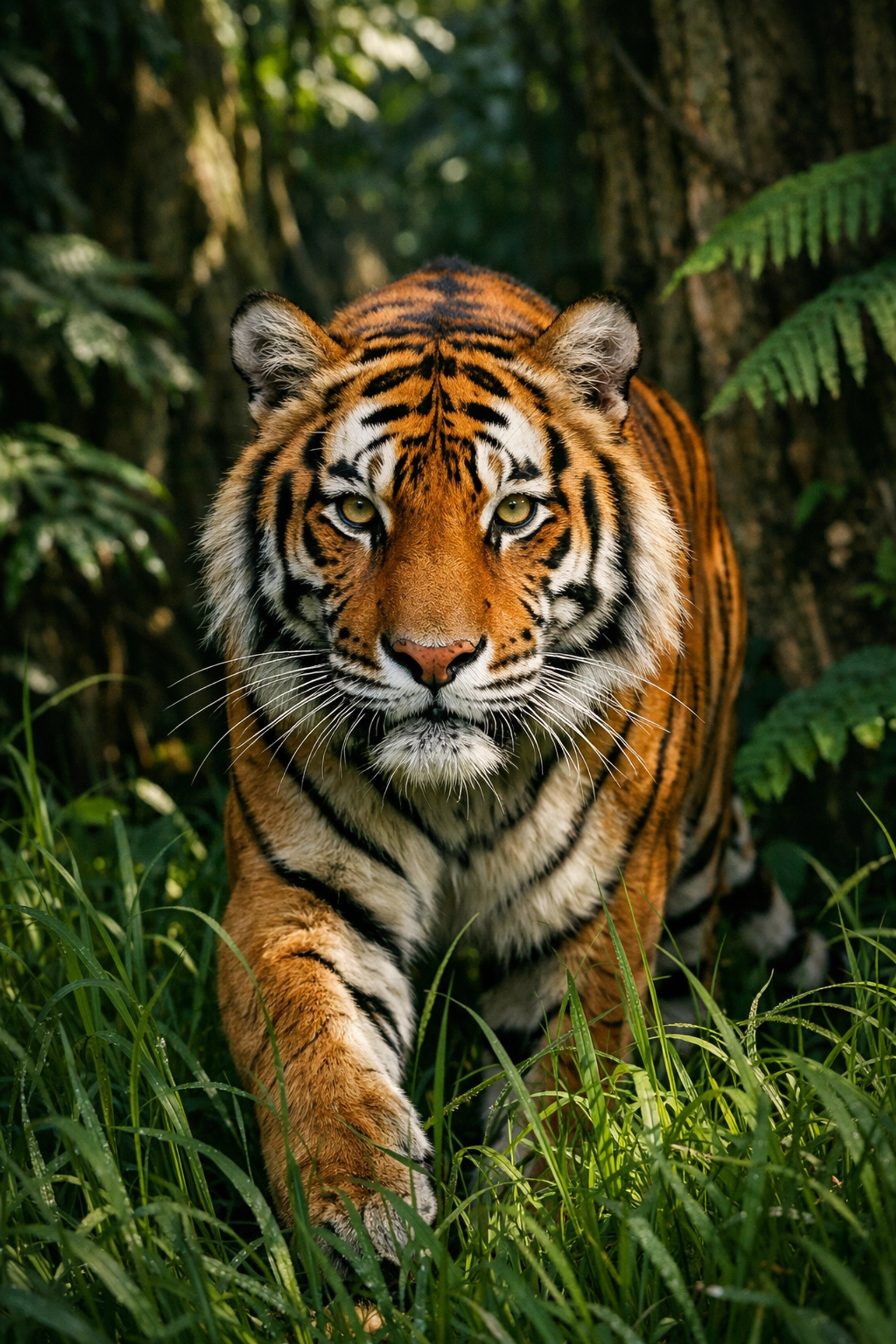
Tigers are a success story.
For decades, the numbers dropped. Poaching. Habitat loss. Conflict.
Then, things changed. Global efforts focused on core habitats.
The stats:
- Wild tiger populations are increasing in India, Nepal, and Bhutan.
- In Russia, the Amur tiger numbers are stable.
- Camera trap technology has improved monitoring.
- Anti-poaching patrols are more effective.
We see the results in our wild tigers gallery. The images show healthy individuals. It proves that when we protect the land, the species returns.
Giant Pandas: Moving Off the List
The Giant Panda is the face of conservation.
For years, they were "Endangered." Today, they are "Vulnerable."
This is an upgrade.
China expanded the bamboo forest network. They created the Great Panda National Park. It connects isolated populations.
Key factors:
- Restoration of bamboo corridors.
- Community-led conservation.
- Strict laws against poaching.
- Successful captive breeding and release programs.
The panda is no longer on the brink. You can see their journey through our pandas collection.
The Return of the Birds
Birds are often the first to feel environmental shifts. They are also among the first to recover when we act.
The Bald Eagle
The Bald Eagle is the ultimate comeback story.
- 1960s: Near extinction.
- 2007: Removed from the endangered species list.
- 2021: Population estimated at 316,700 individuals.
The ban on DDT made the difference. Clean water and air did the rest.
The California Condor
In 1987, only 27 birds remained. Every single one was captured for a breeding program. It was a gamble.
It worked.
In 2019, the 1,000th chick hatched. Today, condors fly over the Grand Canyon and the Pacific coast again. They are still rare, but they are here.
Explore more at our birds listing.
Small Wins, Big Impact
Conservation isn't just about big cats and eagles. Small species matter. They keep the ecosystem balanced.
The Monito Gecko
- Native to Monito Island, Puerto Rico.
- Threatened by invasive rats.
- The rats were removed.
- The gecko population recovered.
- Delisted in 2019.
The Delmarva Fox Squirrel
- Lost 90% of its habitat by the mid-20th century.
- Recovery efforts focused on forest management.
- Population reached 20,000.
- Delisted in 2015.
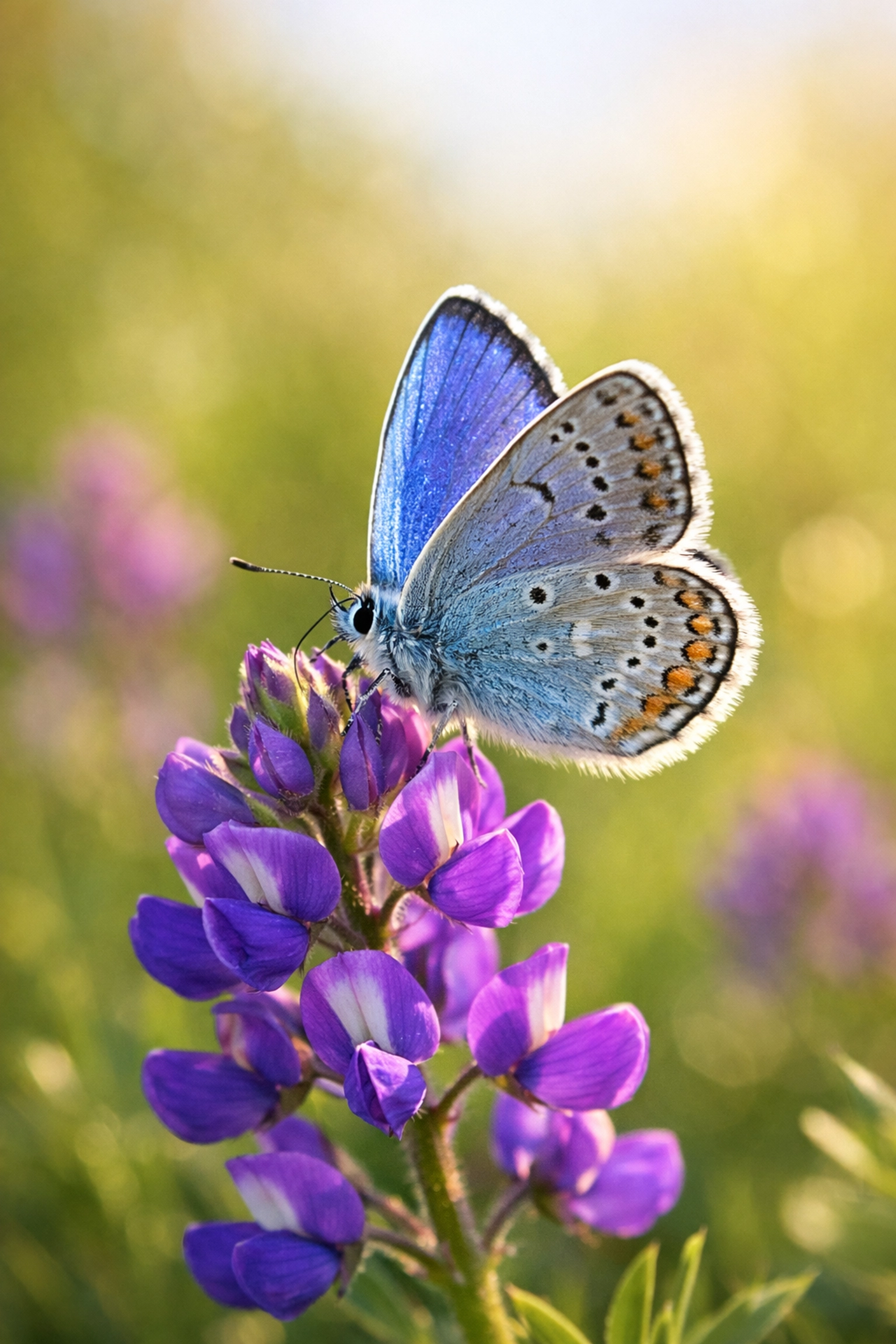
The Karner Blue Butterfly
- Depends entirely on the wild lupine plant.
- Habitat restoration in the Northeast is bringing them back.
- Controlled burns help the lupine grow.
- The butterflies follow.
Protecting the Land in the US
The US government has made significant moves in the last two years.
Public Lands Rule:
In April 2024, the Bureau of Land Management shifted its priority. Nature protection is now equal to resource extraction. This is a fundamental change in how we treat our soil.
Specific Protections:
- Thompson Divide: 225,000 acres in Colorado protected from oil and gas.
- Powder River Basin: Ended coal leasing. 6 billion tons of coal will stay in the ground.
- San Gabriel Mountains: Expanded national monument protections by 120,000 acres.
These decisions create safe zones for wildlife to thrive.
Zoo Imagery: Capturing the Win
At Zoo Imagery, we provide the visuals for these stories.
Conservation needs a face. People protect what they can see. Our job is to make sure the world sees the beauty of these species.
We work with zoos and aquariums. We provide high-quality digital media. This media helps these organizations raise funds and awareness.
Our mission is simple:
- Document the species.
- Support the storytellers.
- Celebrate the milestones.
We believe in professional, clean, and effective media. No fluff. Just the animals.

Why It Matters Today
April 17, 2026.
Today is a reminder that conservation works. We are not just slowing the loss. In many places, we are gaining ground.
The 10% ocean milestone is a victory. The tiger rebound is a victory. The panda’s new status is a victory.
But the work continues.
We need to reach 30%. We need to protect the insects, the fish, and the predators. We need to keep documenting the progress.
How You Can Help
You don't need to be a scientist to support conservation.
- Stay informed: Follow the data, not just the headlines.
- Support your local zoo: They are the frontline for many breeding programs.
- Use your voice: Share the success stories.
The narrative around nature is often negative. We want to change that. Success is possible. We have the proof.
Check out our about us page to learn more about how we support the industry.
Conservation Storytelling
Every image in our library represents a life saved or a habitat protected.
When a zoo uses a photo of a tiger to teach a child, that is conservation. When an aquarium uses a video of a reef to explain ocean protection, that is conservation.
We are proud to be part of that cycle.
Our species spotlights include:
Looking Ahead to 2030
The next four years are critical.
The momentum is here. The technology is here. The public will is here.
We will continue to track the milestones. We will continue to update our library with the latest wins.
Conservation is a long game. But today, we are winning.
Keep it simple. Keep it direct. Keep protecting.
Want to see the beauty we're protecting?
Visit zooimagery.com to explore our latest media collections.
Connect with us.
Follow our journey and see more conservation wins on our LinkedIn profile.
Zoo Imagery: Simple media solutions for the wild world.