Tiger Species Spotlights 101: A Beginner’s Guide to Mastering Wildlife Stock Photos for Conservation Storytelling
Tigers are the world's most iconic big cats. They are symbols of strength and wild beauty. For many organizations, they are also the face of global conservation.
At Zoo Imagery, we provide the visual tools to tell these stories. High-quality media changes how people see wildlife. It moves donors. It educates students. It drives policy.
This guide covers the basics of tiger species and how to choose the right stock photos for your narrative.
The State of the Wild
Tiger populations are recovering. Since 2010, wild tiger numbers have increased by approximately 74%. This is a major win for global conservation.
Tigers are keystone species. Protecting them means protecting large landscapes. These landscapes provide clean water, carbon storage, and homes for thousands of other animals.
When you tell a tiger’s story, you tell the story of an entire ecosystem.

Knowing Your Subject: Tiger Species Spotlights
Not all tigers are the same. Each subspecies has unique traits and challenges. To tell an accurate story, you must match your visuals to the specific species.
1. The Bengal Tiger
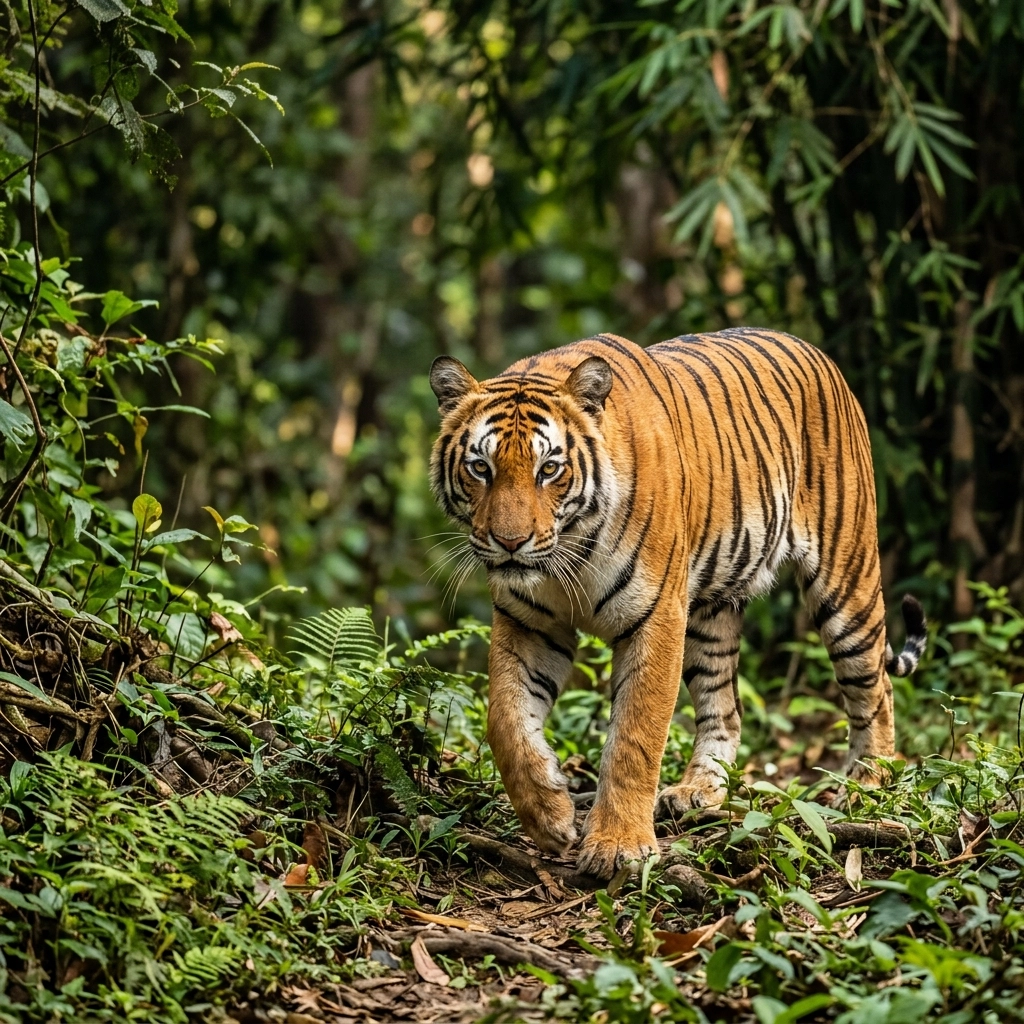
The most numerous subspecies. Found mainly in India, Nepal, Bhutan, and Bangladesh.
- Visual Cues: Bright orange coat with dark black stripes. White bellies.
- Storytelling Angle: Focus on human-wildlife coexistence. Many Bengal tigers live near rural communities.
- Search Tip: Look for images featuring lush jungle or tall grass environments.
2. The Amur (Siberian) Tiger
The largest of the cats. Adapted for the cold.
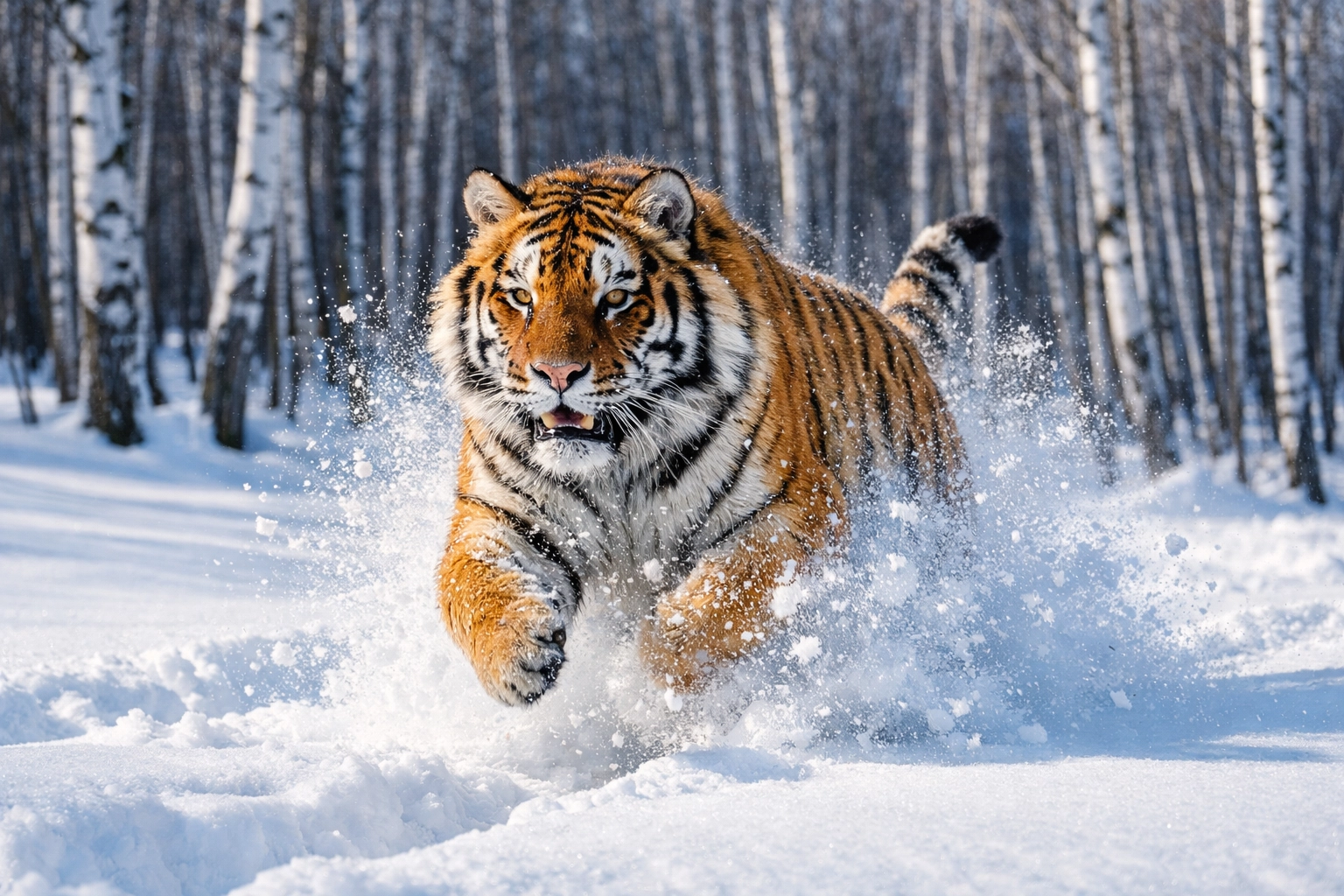
- Visual Cues: Thicker fur. Paler orange coat. Fewer stripes than other subspecies. Large paws.
- Storytelling Angle: Resilience in harsh climates. The impact of snow and habitat loss in the Russian Far East.
- Search Tip: Use photos with snowy backgrounds or heavy winter coats.
3. The Sumatran Tiger
The smallest surviving subspecies. Found only on the island of Sumatra.
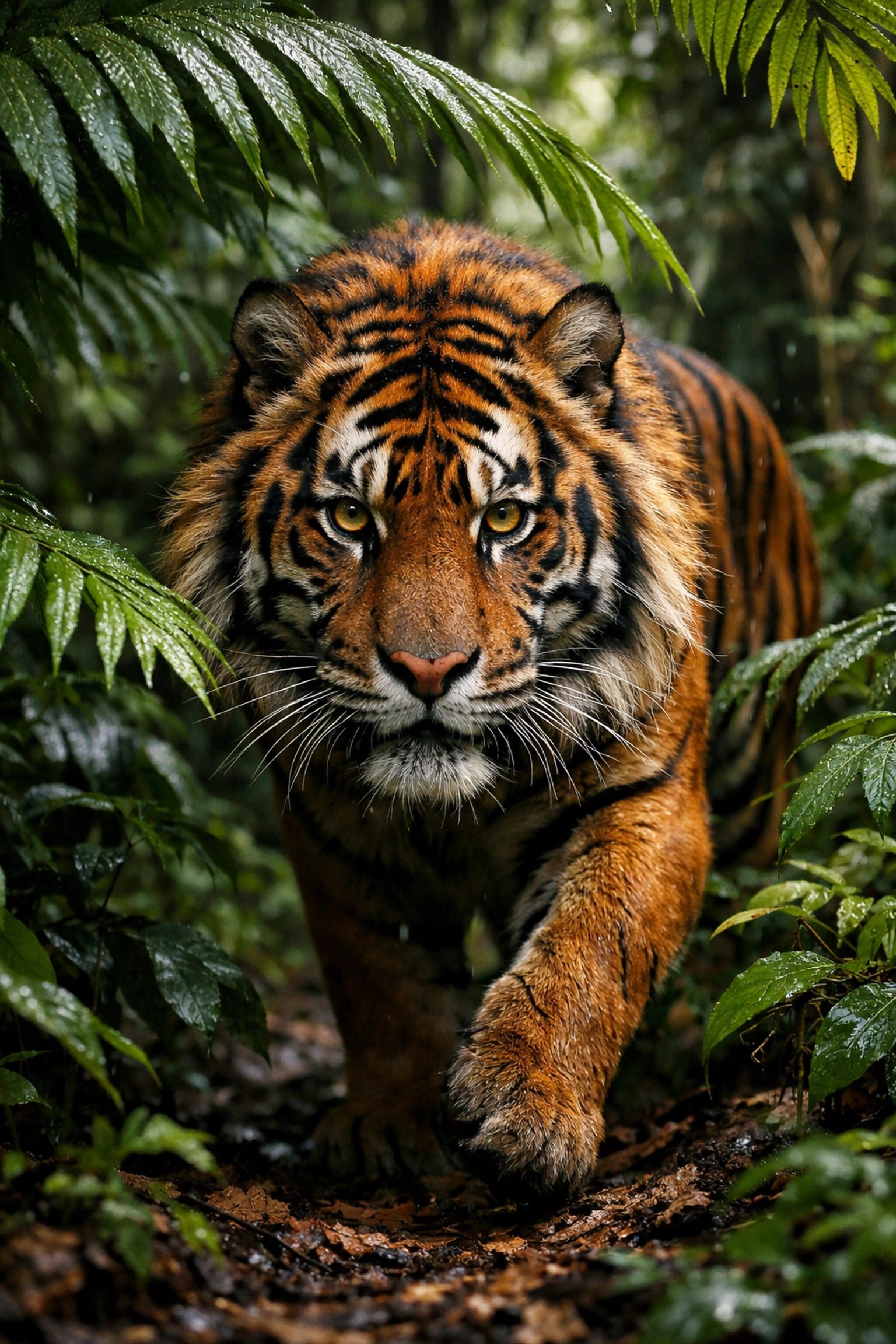
- Visual Cues: Very dark orange coat. Narrow stripes. Large "ruff" around the neck.
- Storytelling Angle: Critical endangerment. Tropical rainforest protection. Palm oil impact.
- Search Tip: Look for dense, dark green foliage and high-contrast lighting.
Selecting Stock Photos for Impact
Choosing a photo is more than finding a "pretty" picture. In conservation, the image must serve a purpose. Here is how to select media from our wild tiger collection.
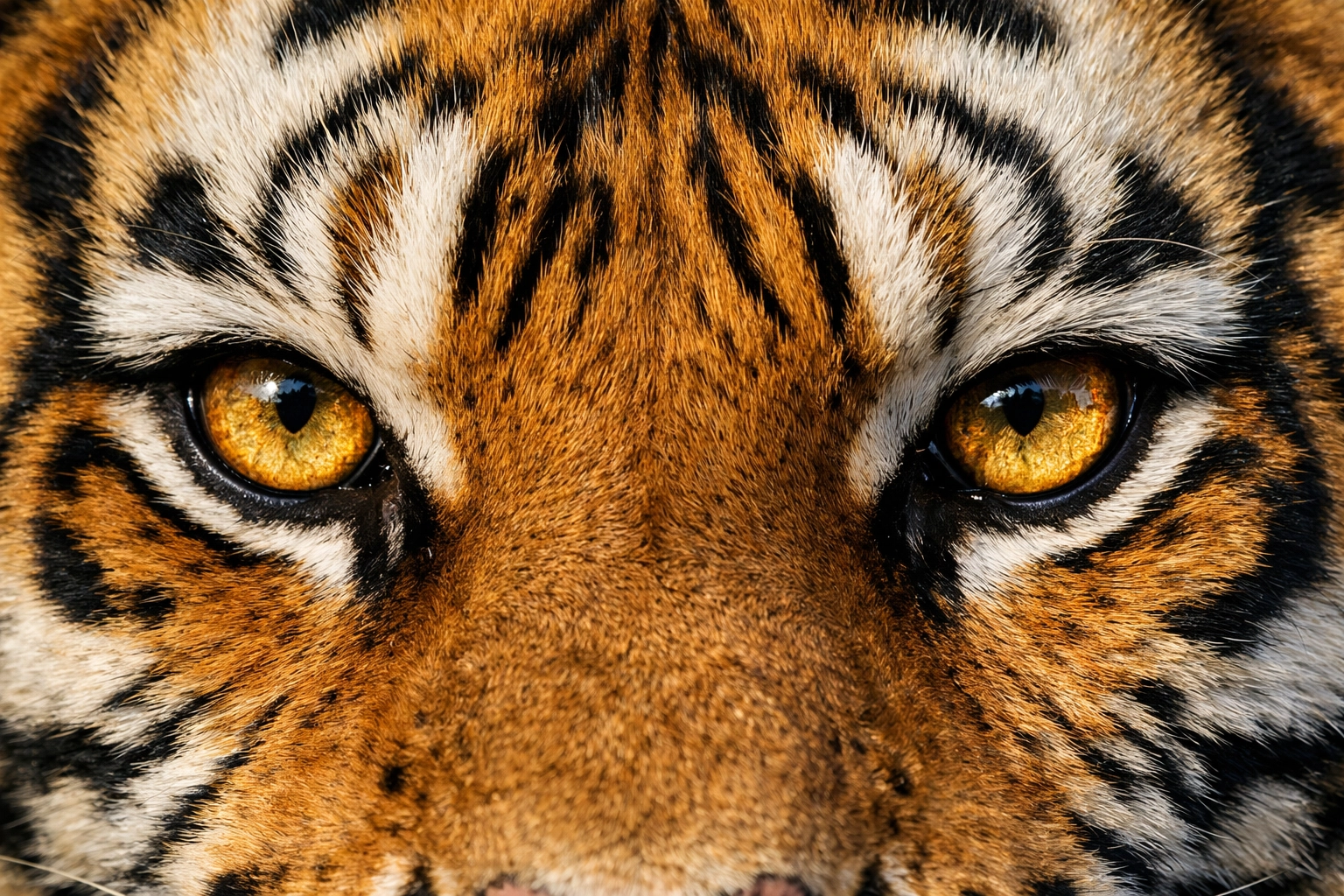
Focus on the Eyes
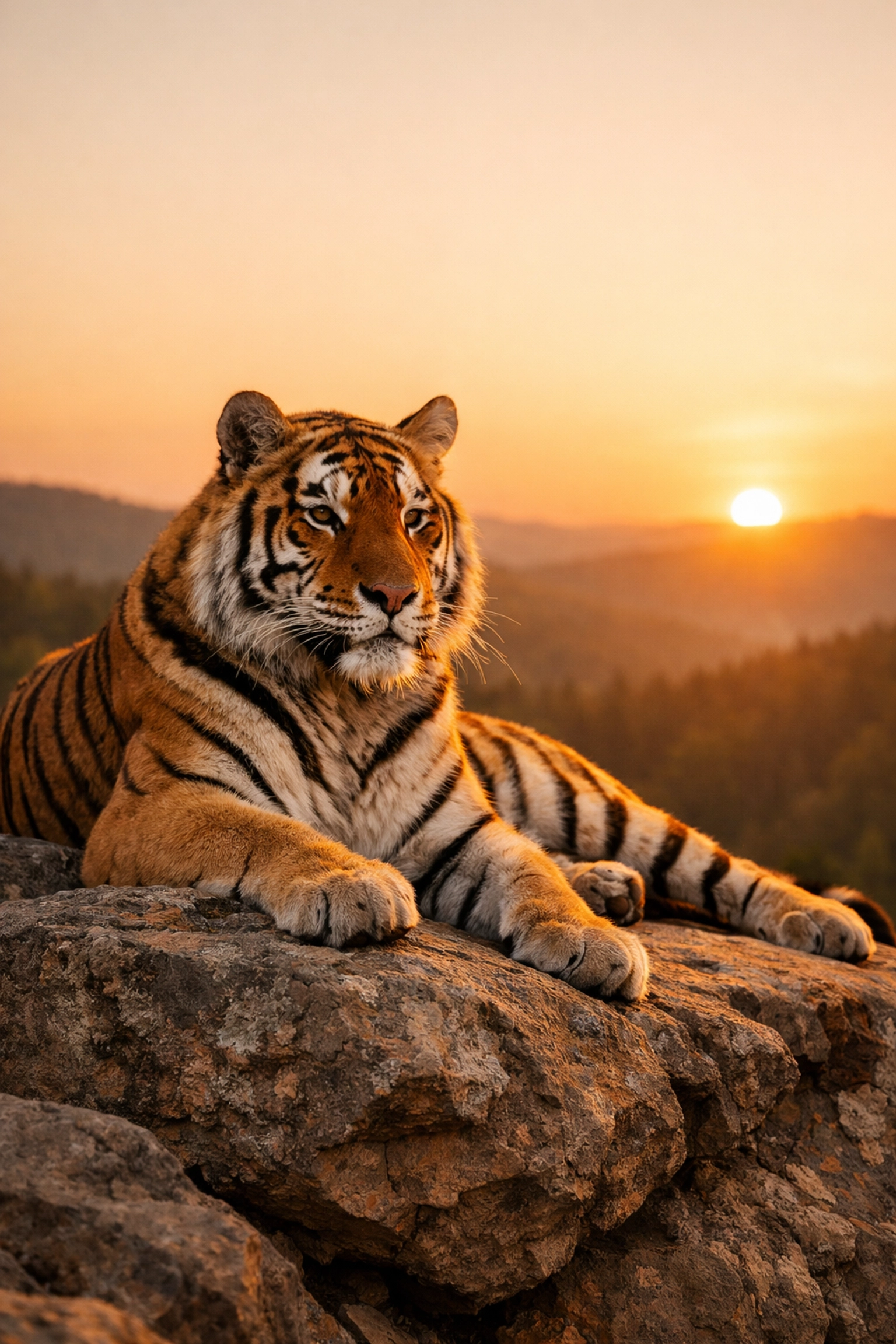
Eyes create an immediate emotional connection. A tiger looking directly into the camera can stop a reader from scrolling. It creates a sense of personality.
Composition Matters
- Rule of Thirds: Keeps the image balanced but dynamic.
- Negative Space: Essential if you need to overlay text or a logo for a campaign.
- Scale: An image showing a tiger against a vast landscape highlights the need for habitat protection.
Authenticity vs. Perfection
Perfectly groomed animals in studio settings are fine for some ads. For conservation storytelling, raw and natural is better. Scars, muddy fur, and natural hunting behaviors tell a real story. They show the animal as it exists in the world.
Building the Narrative: Storytelling Frameworks
A photo is the hook. The caption and context are the line and sinker.
The Success Story
Use a high-energy photo of a tiger in motion.
- Message: "Populations are growing."
- Data: Mention the 74% increase in wild numbers since 2010.
- Tone: Hopeful and urgent.
The Challenge Narrative
Use a close-up, contemplative shot.
- Message: "The work isn't done."
- Data: Mention specific threats like poaching or habitat fragmentation.
- Tone: Serious and professional.
The Educational Spotlight
Use a clear, side-profile shot showing physical characteristics.
- Message: "Meet the Amur Tiger."
- Focus: Adaptation and biology.
- Tone: Informative and simple.
Zoo Imagery Milestones
We are committed to more than just hosting images. Our goal is to be the primary resource for digital media that supports the natural world.
Recent milestones:
- Expanded our library to include rare subspecies.
- Streamlined our search tools for conservation professionals.
- Launched "Presented By" animal pages to give species their own platform.
We believe that transparency in media helps build trust. We provide high-resolution, ethically sourced images so your organization can focus on the work that matters.
Simple Rules for Better Content
When writing for your conservation blog or social media, keep these tips in mind:
- Be Direct: Use short sentences.
- Avoid Jargon: Don't use "anthropogenic pressure" when you can say "human activity."
- Use Data: Numbers provide weight to your claims.
- Be Honest: If a species is struggling, say so. If a project succeeded, celebrate it.
Master Your Wildlife Media
Effective storytelling requires the right assets. Whether you are highlighting the Amur tiger's winter resilience or the Sumatran tiger's tropical home, the quality of your stock photos matters.
Visit zooimagery.com to browse our latest additions. We offer simple solutions for complex stories.
For more updates on company milestones and species spotlights, follow us on LinkedIn.
Summary Checklist:
- Identify the subspecies.
- Match the environment to the story.
- Select for emotional connection (eyes).
- Use clear, simple language.
- Provide a direct call to action.
Tell the story of the wild. One image at a time.


