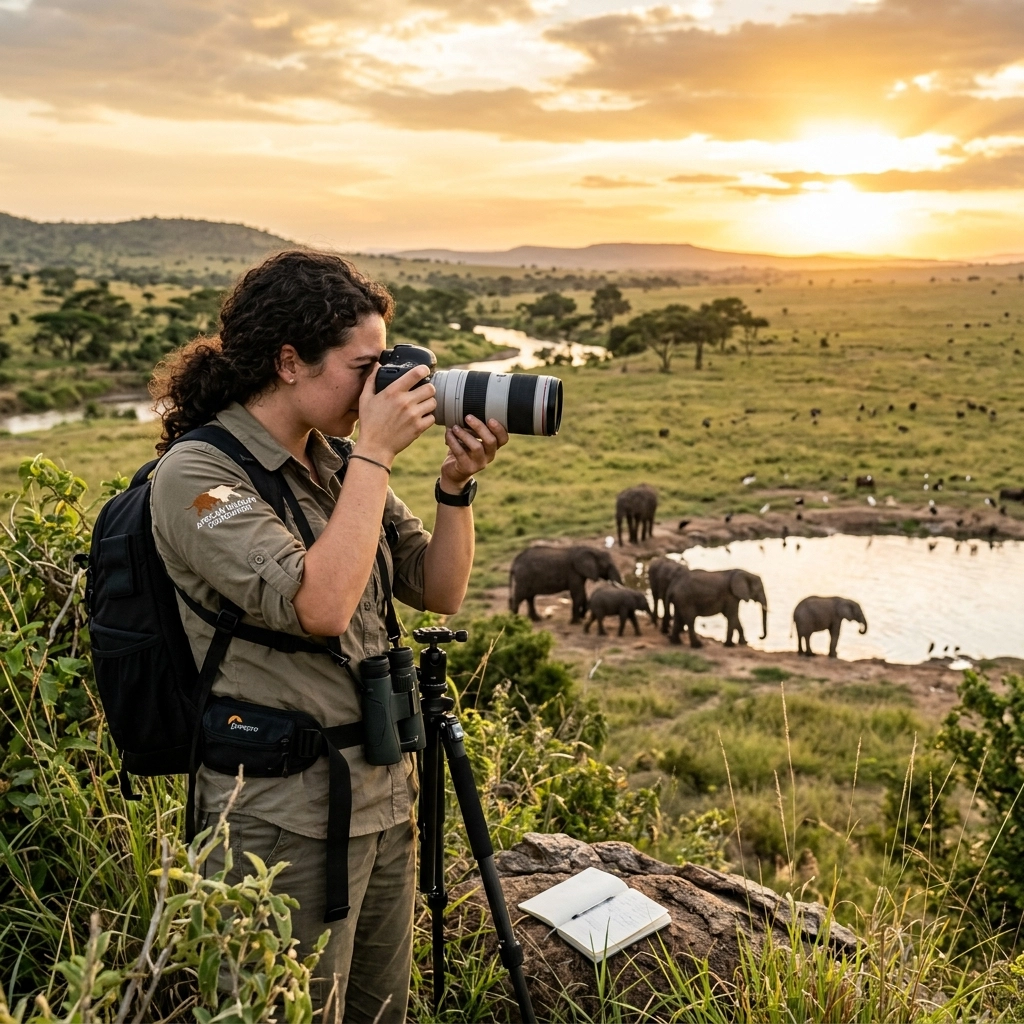
The Ultimate Guide to Wildlife Stock Photos: Everything You Need to Tell a Compelling Conservation Story
Sunday, May 3, 2026
Denver, CO
Images change hearts. In conservation, a single photo can be the difference between a donor scrolling past or stopping to help. At Zoo Imagery, we provide the tools to make them stop.

The Power of Visual Storytelling
Conservation is about connection. People protect what they love. They love what they can see. High-quality wildlife stock photos bridge the gap between a remote habitat and a person’s screen.
Visuals do three things:
- Educate. Show the reality of a species.
- Empathize. Highlight the individual animal.
- Engage. Prompt a specific action.
The Technical Foundation
Great conservation photos aren't accidents. They require intent. Whether you are browsing our library or shooting in the field, look for these elements.
1. Composition and the Rule of Thirds
Balance matters. Don’t always put the animal in the center. Use a 3×3 grid. Place the subject at the intersections. This creates visual tension. It guides the eye.
2. Eye Contact
Connection starts with the eyes. An image where an animal looks directly at the camera creates an immediate emotional response. It builds empathy.
3. Environmental Context
Wide-angle shots are vital. Don't just show the animal. Show the home. A polar bear on a disappearing ice sheet tells a story that a tight portrait cannot.
4. Lighting and Mood
Natural light is best. The "golden hour": just after sunrise or before sunset: adds warmth. It makes the animal look vibrant and alive.
Species Spotlights: Telling the Story
Different animals require different storytelling strategies. Here is how to use Zoo Imagery to highlight specific conservation needs.
Elephants: The Giants of Empathy
Elephants are symbols of intelligence and family. When selecting photos, look for social interactions. A calf walking between the legs of its mother speaks to protection and legacy.

Visualizing the majesty of elephants in their natural habitat.
Conservation Angle: Focus on habitat loss and the importance of matriarchal wisdom. Use images that show the scale of the landscape they roam.
Pandas: The Icon of Success
Pandas represent a win for conservation. They are the faces of global efforts. Photos of pandas should highlight their unique characteristics: the black-and-white contrast and their specialized diet.

A panda illustrating the balance between wildlife and human-managed care.
Conservation Angle: Use these images to discuss successful breeding programs and the restoration of bamboo forests.
Hyenas: Changing the Narrative
Hyenas are often misunderstood. Stock photos can help rebrand them as the complex social predators they are. Look for images showing their sophisticated social structures or nursing cubs.

High-resolution imagery showcasing the intelligence of hyenas.
Conservation Angle: Address the importance of scavengers in the ecosystem. Challenge the "villain" stereotype with intimate, high-quality portraits.
Polar Bears: The Sentinels
The polar bear is the ultimate climate change messenger. These photos need to be stark. High contrast between the white fur and the blue water or dark rock is powerful.

Polar bears representing the front lines of environmental change.
Conservation Angle: Use these for urgent messaging regarding carbon footprints and arctic protection.
Zoo Imagery Milestones
This year marks a major milestone for Dan Kost and the Zoo Imagery team. We have expanded our library to include thousands of new high-resolution files. Our mission remains simple: provide zoos and aquariums with the best marketing assets to tell their stories.
We believe in the power of the "Presented By" animal page. By sponsoring a species spotlight, organizations can drive engagement and funding directly to conservation projects.
How to Choose the Right Image
Selecting the right photo for your campaign is a strategic decision. Follow these simple steps.
- Identify the goal. Are you raising money or awareness?
- Check the quality. Avoid grainy or blurry images. Clear eyes are non-negotiable.
- Ensure authenticity. Use photos that represent natural behaviors.
- Metadata matters. Our files include detailed tags for easy searching. Use them to find specific moods or species.
Ethics in Wildlife Photography
At Zoo Imagery, we prioritize animal welfare.
- No staged shots.
- No distressed animals.
- Respect for the habitat.
- Transparent sourcing.
Ethical photography ensures that the story you tell is honest. It builds trust with your audience.
ESG and Corporate Responsibility
Modern brands want to align with conservation. Environmental, Social, and Governance (ESG) goals are now standard. High-quality wildlife media helps corporations visualize their commitment to the planet.
Stock photography allows companies to:
- Enhance annual reports.
- Improve social media presence.
- Support biodiversity awareness campaigns.
Keep it simple. Keep it impactful.
Beyond the Lens
Wildlife photography is more than just a hobby. It is a tool for survival. Every image you download from Zoo Imagery supports the ecosystem of conservation storytelling.
Our library is built for speed and ease of use. We know you have stories to tell. We provide the pixels to tell them.
Final Thoughts
The right image is out there. It might be an elephant in the dust or a panda in the trees. Whatever the story, make sure it is told with clarity.
Simple imagery. Big impact.
Explore our full library of species and start your next conservation story today.
Connect with us:
Visit zooimagery.com
Follow our journey on LinkedIn


