The Ultimate Guide to Wildlife Stock Photos: Everything You Need to Succeed in Digital Media
Digital media moves fast. Content needs to be sharp. Authentic. At Zoo Imagery, we provide the visuals that bridge the gap between audiences and the natural world.
Today, April 6, 2026, we are looking at how wildlife stock photography has evolved. It is no longer just about a pretty picture. It is about conservation storytelling. It is about ESG goals. It is about truth.
The Zoo Imagery Mission
We started with a simple goal. High-quality media for zoos, aquariums, and brands. We focus on biological detail. We focus on the story.
Our library is built for professionals. We help you tell the story of a species without the need for expensive, carbon-heavy travel.

Why Wildlife Stock Matters in 2026
Modern audiences crave authenticity. They want to see animals in natural behaviors.
- Hunting.
- Foraging.
- Nurturing young.
- Rest.
Stock photography allows creators to access rare moments. It supports educational platforms. it fuels marketing campaigns for organizations that care about the planet.
The Technical Standard for Success
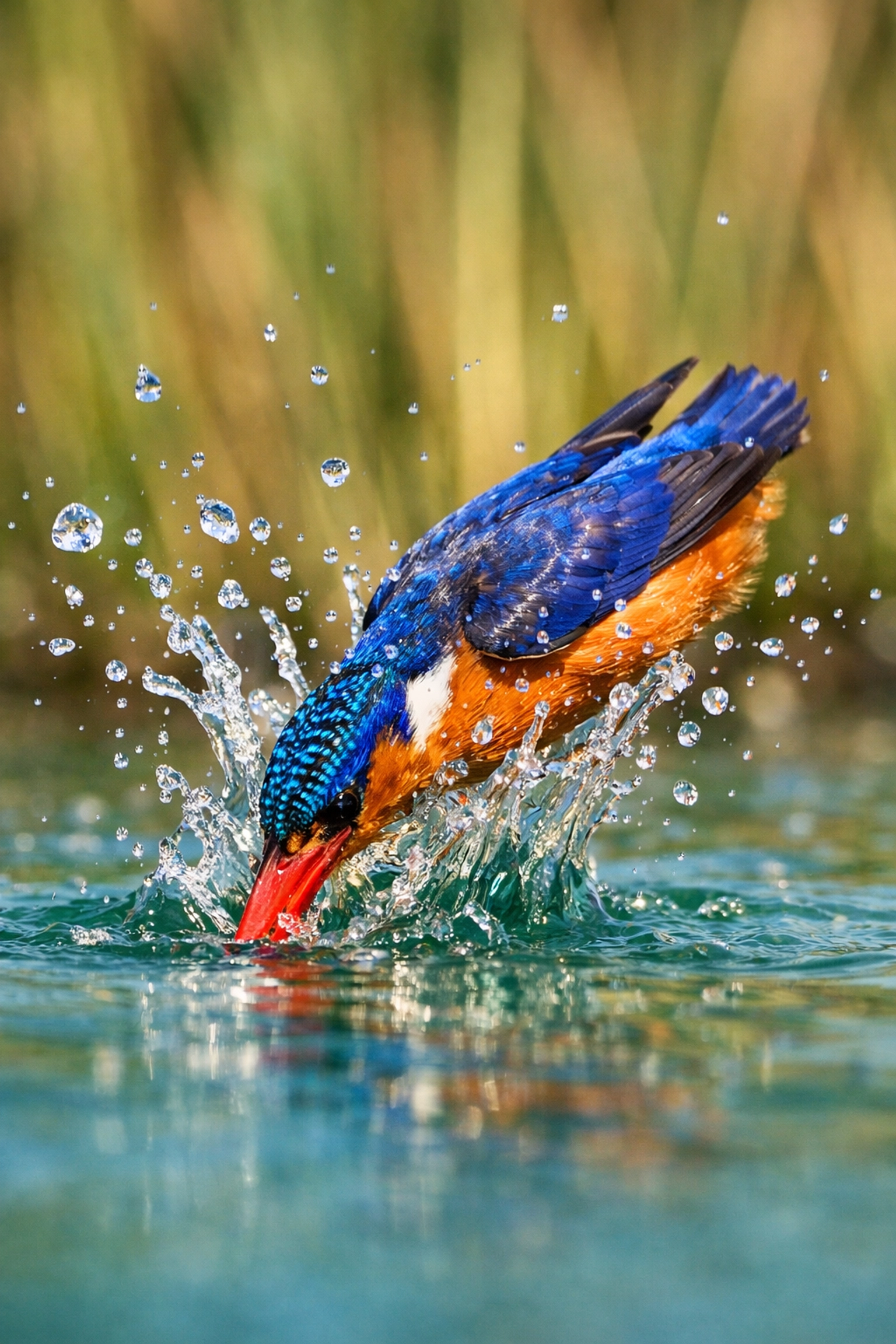
Quality matters. A blurry photo is a missed opportunity. If you are capturing your own content for the market, keep these technical baselines in mind:
Speed is Essential
- Use a camera with at least 8 frames per second (fps).
- Capture the decisive moment.
- Fast-paced action requires high burst rates.
Freeze the Frame
- Baseline shutter speed: 1/2000th of a second.
- Eliminates motion blur.
- Essential for birds in flight or predators on the move.
Composition and Balance
- Use the rule of thirds.
- Give the animal "room to run."
- Position the subject so it faces into open space.
Species Spotlight: The Majestic Elephant
Today, we highlight the African Elephant. These are the engineers of the ecosystem. In digital media, they represent strength, memory, and community.
Our collection of elephants focuses on these natural interactions. We avoid the "statue" look. We look for the dust bath. The trunk-to-trunk greeting. The protective mother.
Using these images in your campaigns signals a commitment to conservation. It shows a respect for the scale of nature.
Conservation Storytelling
Brands are now judged on their impact. Conservation storytelling is the tool to show that impact.
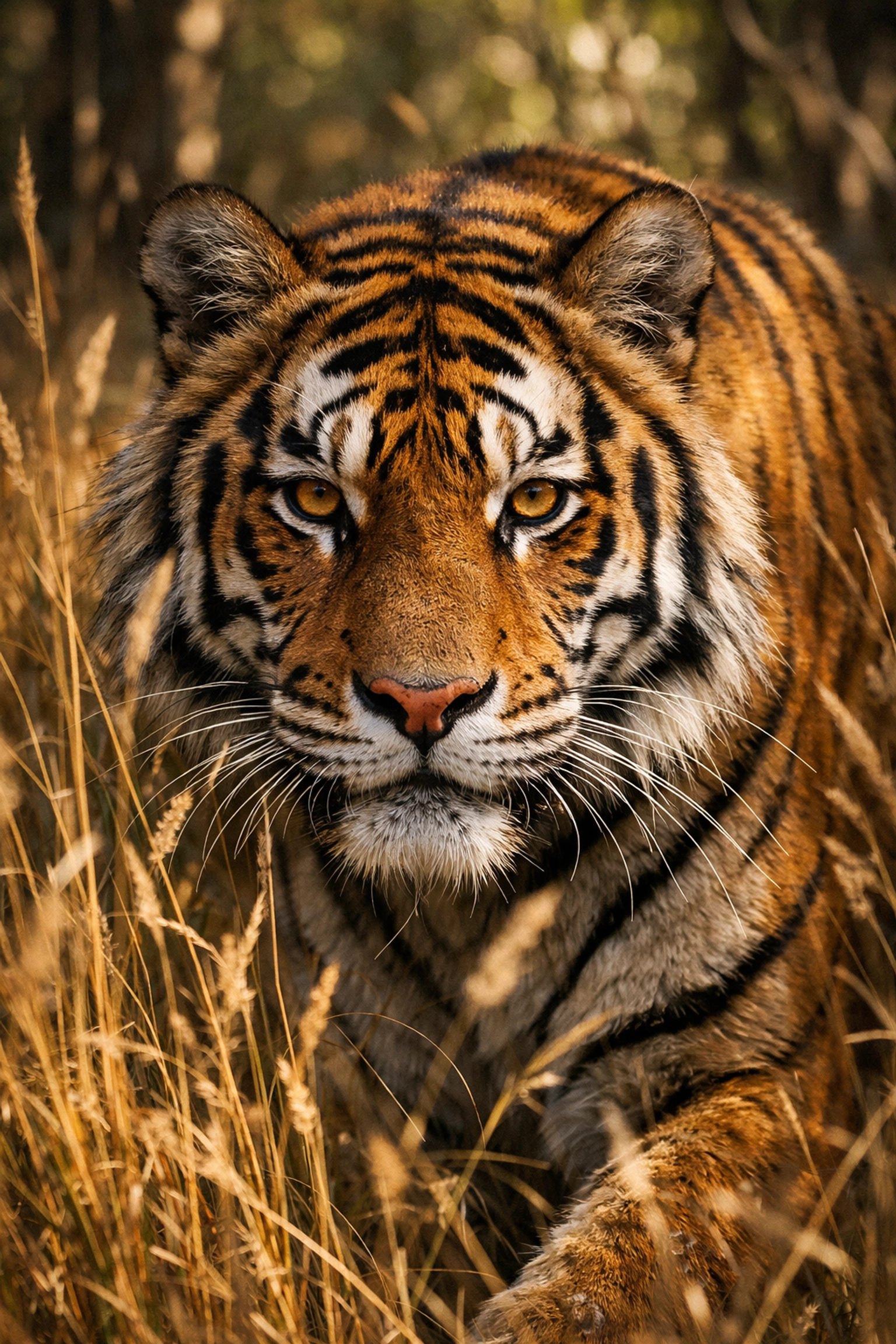
By using high-quality wild tigers or polar bears imagery, you connect your brand to the survival of these species. It isn't just decoration. It is a statement.
We curate our library to support these narratives. Every file, like example-file-13, is chosen for its ability to convey a message.
Company Milestones: April 2026
Zoo Imagery is growing. We have reached new milestones this month:
- Expanded our library to include rare reptilian species.
- Partnered with three international conservation funds.
- Launched our "Presented by" series for zoo partners.
We believe in transparency. We believe in simplicity. Our platform is designed to be utilitarian. You find what you need. You use it. You succeed.
Understanding the Market
The demand for wildlife imagery is diverse. It ranges from scientific journals to social media ads.
1. Wildlife Portraits
Close-ups. High detail. Highlighting the texture of scales or the depth of an eye. Perfect for editorial use.
2. Animals in Environment
Showing the habitat. Context matters. It tells the story of the climate and the ecosystem.
3. Action and Behavior
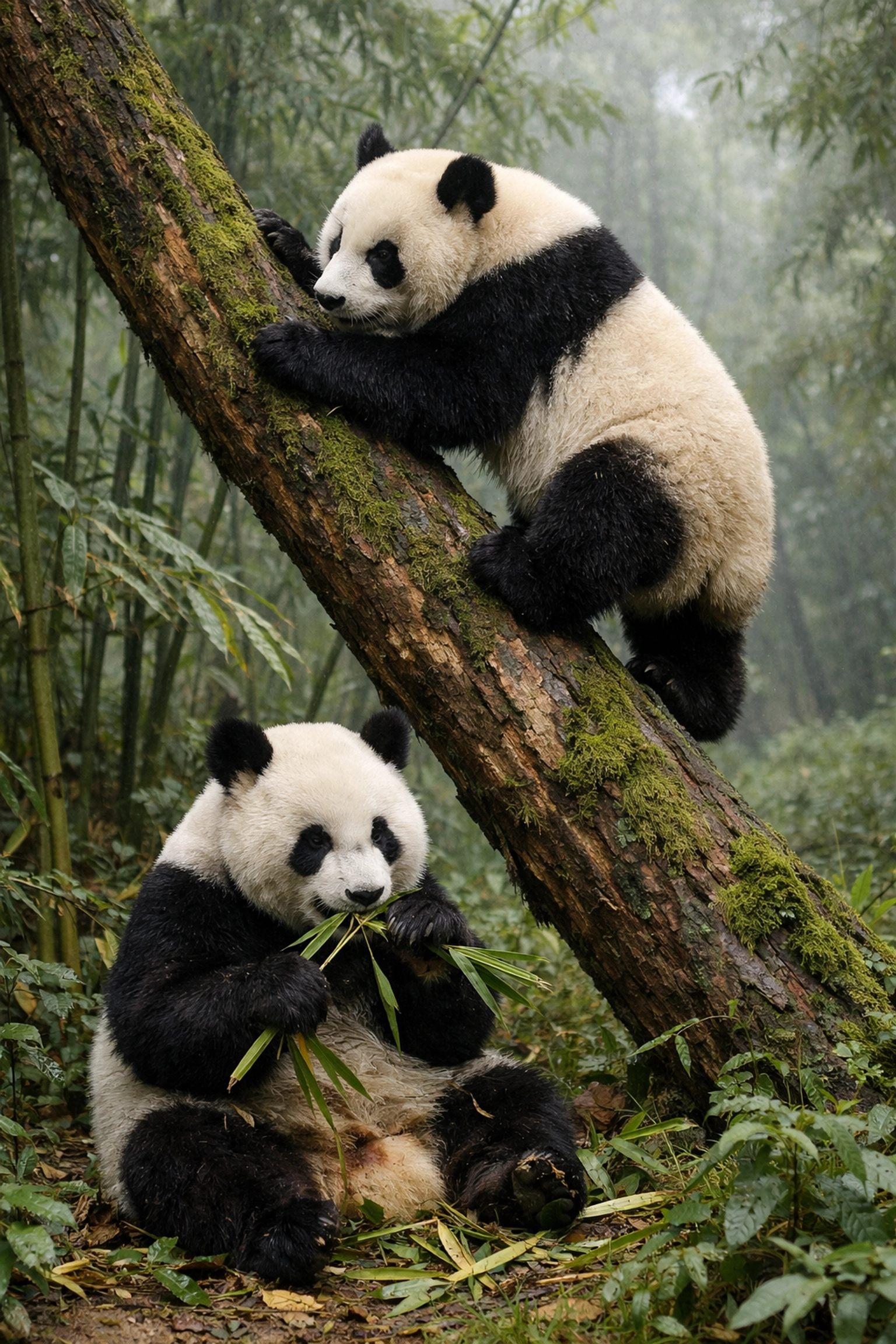
The hardest to capture. The most valuable. A hyena on the hunt or pandas at play. These images stop the scroll.
Tips for Digital Media Success
To succeed in digital media, your imagery must be versatile.
- Check the Background: Simple, clean backgrounds work best for graphic overlays.
- Color Accuracy: Ensure the animal looks as it does in nature. No heavy filters.
- Authenticity: Avoid staged "human-like" poses. Stick to biological reality.
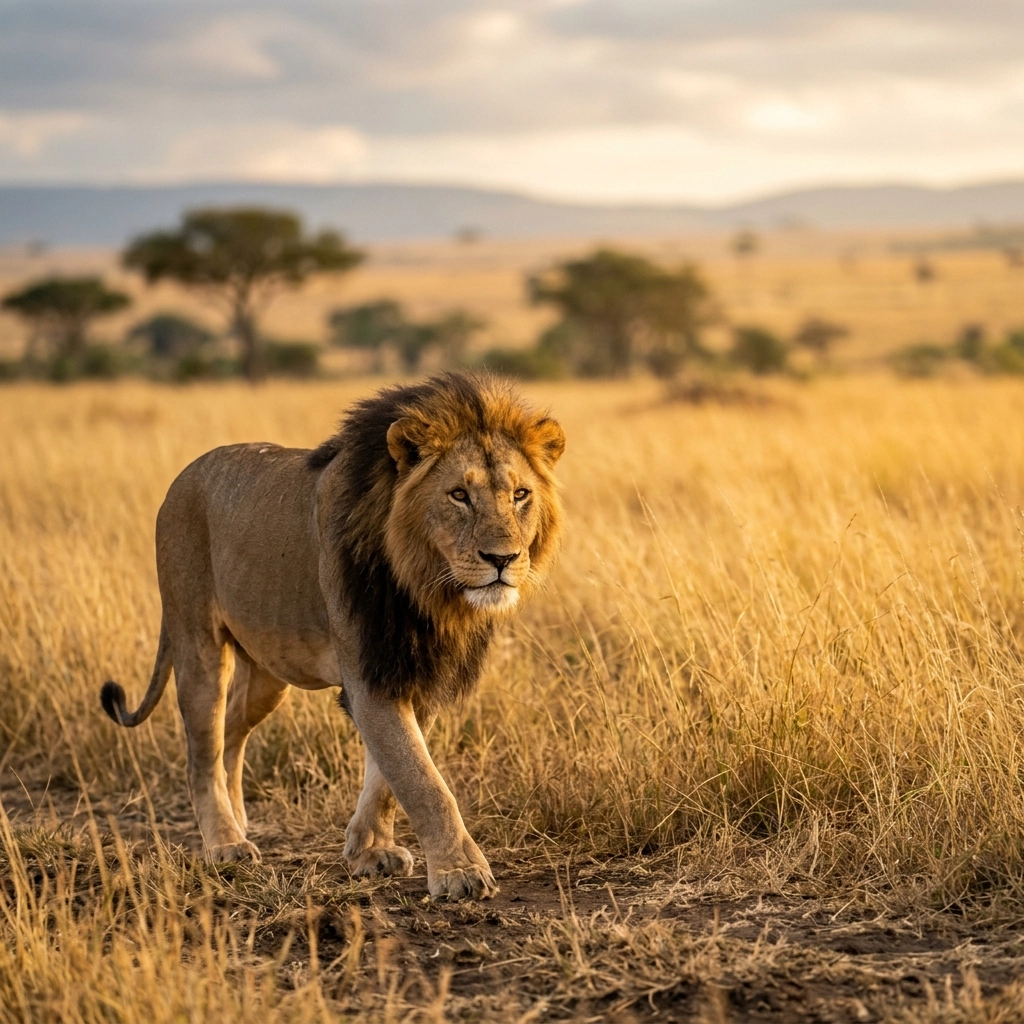
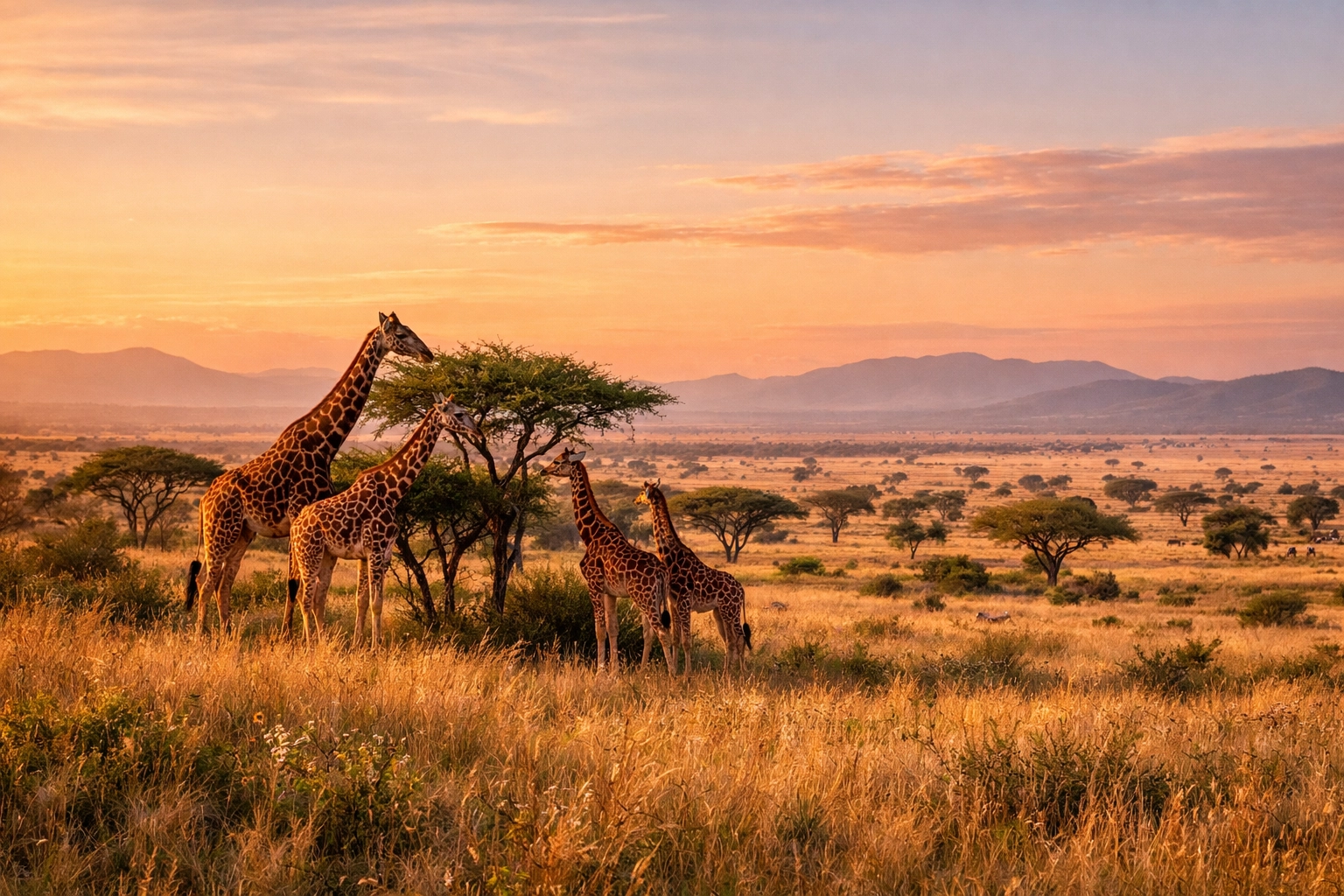
For those looking for specific apex predators, our collection of lions and giraffes offers a range of perspectives.
ESG-Aligned Campaigns
Environmental, Social, and Governance (ESG) criteria are driving corporate decisions. Wildlife photography plays a key role here.
When a company talks about biodiversity, they need the visuals to match. They need Zoo Imagery. We provide the assets that make these reports come to life. No buzzwords. Just high-quality media that proves your point.
Final Thoughts
The world of wildlife stock is about more than just files. It is about a connection to the wild.
Whether you are building a website, a social campaign, or a documentary, the quality of your media defines your brand.
Choose images that speak. Choose images that last.
Connect with us.
Explore our full library: zooimagery.com
Follow our journey on LinkedIn for daily updates and species spotlights.
Stay simple. Stay wild.
: Dan Kost, CEO, Zoo Imagery


