The Ultimate Guide to Sustainable Wildlife Trends: Everything You Need to Succeed
Wildlife imagery is changing.
The era of overly polished, staged photos is ending. Audiences now demand authenticity. They want to see the raw, the real, and the impactful.
For zoos, aquariums, and conservation groups, this shift is an opportunity. It is a chance to move beyond generic marketing and build deep, lasting connections with visitors and donors.
This guide outlines the core trends shaping the industry in 2026. No fluff. Just the facts you need to drive engagement and save resources.
1. The Rise of "Species Fandoms"
General interest in "animals" is too broad. The new trend is niche.
People are gravitating toward specific species with a cult-like intensity. These "species fandoms" provide a dedicated audience for targeted campaigns.
The Strategy:
- Focus on one flagship species per quarter.
- Create a "fandom" hub with exclusive content.
- Use high-quality, rare photography of that specific animal.
- Offer "micro-adoptions" or digital badges for supporters.
Why it works:
- It builds a community.
- It simplifies your messaging.
- It makes the "ask" more personal.

2. Authentic Storytelling Over Production
High production value is no longer the gold standard. Credibility is.
Visitors trust what they see through the eyes of others. User-generated content (UGC) is the most powerful tool in your marketing arsenal.
Key Tactics:
- Behind-the-scenes: Show the unglamorous side of care. The feedings, the vet checks, the habitat maintenance.
- Visitor Perspectives: Let your guests tell the story. Their photos are more relatable than your brochures.
- Transparency: Address challenges directly. If a species is struggling in the wild, tell the story plainly.
At Zoo Imagery, we provide the professional baseline. But your visitors provide the soul.
3. The Digital-to-IRL Bridge
The transition from a phone screen to a zoo entrance should be seamless.
In 2026, digital is the backbone of the physical experience. If a visitor can’t interact with your mission via their phone while standing in front of an exhibit, you are losing them.
Integration Points:
- Real-time engagement: Use mobile apps to push notifications about animal feedings or "meet the keeper" sessions.
- Interactive captures: Encourage guests to take and share photos instantly.
- Digital signage: Link physical displays to deep-dive digital content.
Our ZooMedia.us app was designed for this. It allows guests to share their experiences in real-time. It turns every visitor into a volunteer marketer.

4. Impact Transparency (The "Impact Receipt")
"Saving the planet" is a vague promise. "Funding 40% of a polar bear’s annual medical care" is a fact.
Donors and visitors want to see where their money goes. They want an "Impact Receipt."
The Framework:
- Break it down: Show a percentage-based split of ticket sales.
- Environmental metrics: List how many acres of habitat were protected this month.
- Animal welfare: Share results from independent audits or welfare innovations.
- Direct language: Use "Protecting homes for elephants" instead of "Biodiversity conservation."
Keep it simple. State the benefit. Provide the proof.
5. Visual Excellence: The Zoo Imagery Standard
High-quality visuals are not a luxury. They are a requirement for trust.
If your marketing photography is blurry or outdated, your mission looks blurry and outdated.
We offer a curated library of professional animal photography across various categories:
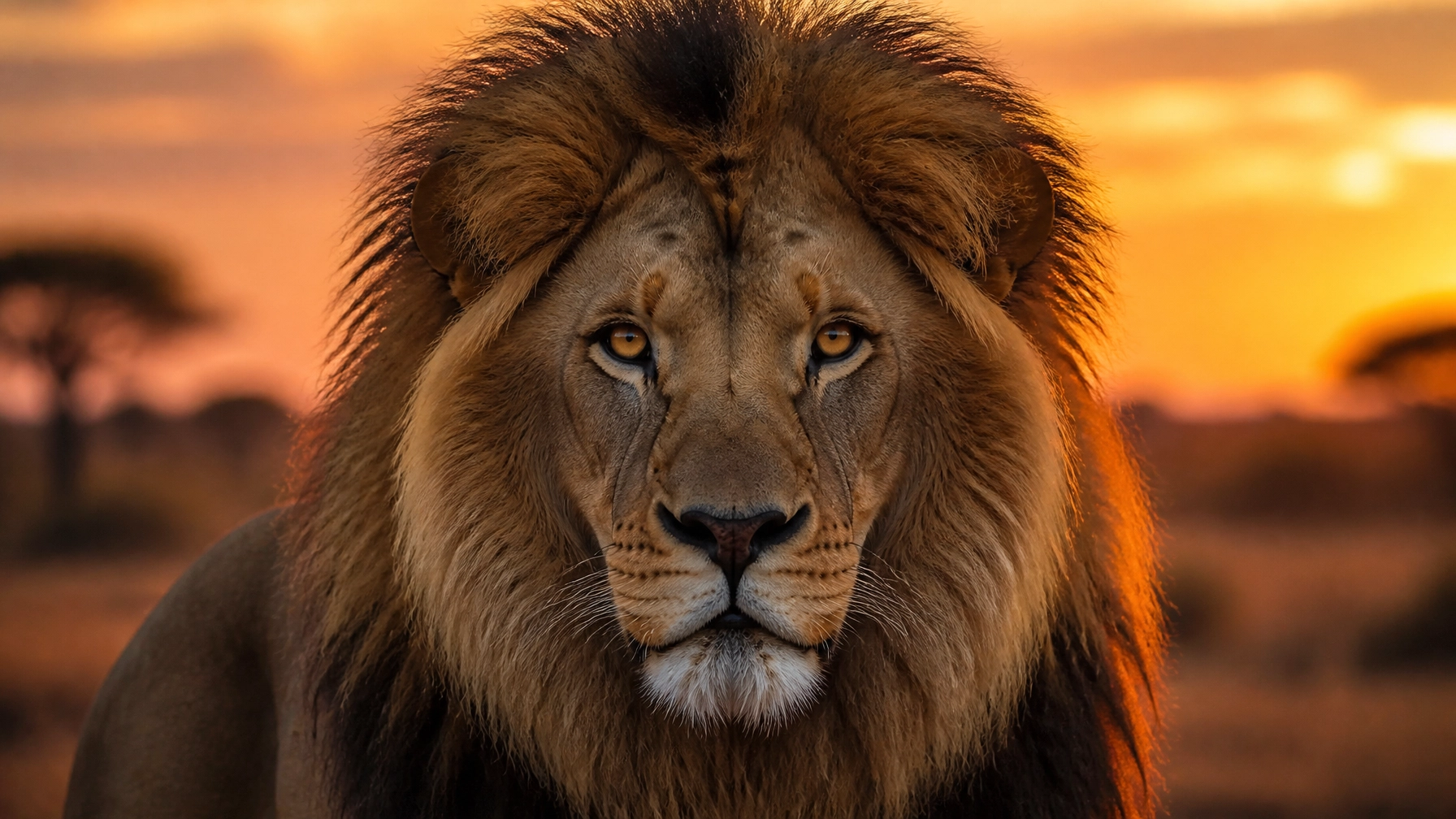
- Big Cats: Lions, wild tigers.
- Giants: Elephants, giraffes.
- Rare Species: Polar bears, pandas, hyenas.
- Diverse Life: Birds, fish.
Using professional stock photography saves time. It saves money. Most importantly, it ensures your brand represents the majesty of the animals you protect.

6. Marketing Insights for 2026
The landscape is moving toward "agentic discovery." AI agents will soon summarize your zoo's impact for potential visitors.
How to prepare:
- Clear structure: Use clear headings and lists on your website.
- Factual data: Make your impact metrics easy for machines to read.
- Short-form hooks: Use video clips (10-30 seconds) for discovery on social platforms.
- Depth channels: Use blogs and long-form video to build trust once you have their attention.
7. Practical Implementation
Success in 2026 requires a lean, focused approach.
- Audit your visuals. Replace low-quality images with professional standards.
- Launch a fandom. Pick one species. Build a campaign around it.
- Enable your visitors. Give them the tools (like the ZooMedia app) to share their stories.
- Quantify everything. Turn your achievements into simple numbers.
Summary of Species Categories
To help you get started, we have organized our library to match current trends.
The Kings of Content
- Lions: High engagement, symbol of strength. View Lions
- Wild Tigers: Dramatic, color-rich, perfect for visual impact. View Tigers
The Conservation Icons
- Elephants: Strong emotional connection for families. View Elephants
- Polar Bears: The face of environmental shifts. View Polar Bears
- Pandas: Unmatched "cuteness" factor for social shares. View Pandas
The Niche Favorites
- Hyenas: misunderstood, perfect for "myth-busting" campaigns. View Hyenas
- Giraffes: Iconic silhouettes for landscape formats. View Giraffes
- Birds & Fish: Essential for broad biodiversity storytelling. View Birds
Connect With Us
Stay ahead of the trends.
- Explore our full library at zooimagery.com.
- Follow our latest insights on LinkedIn.
Focus on the animals. We'll handle the images.


