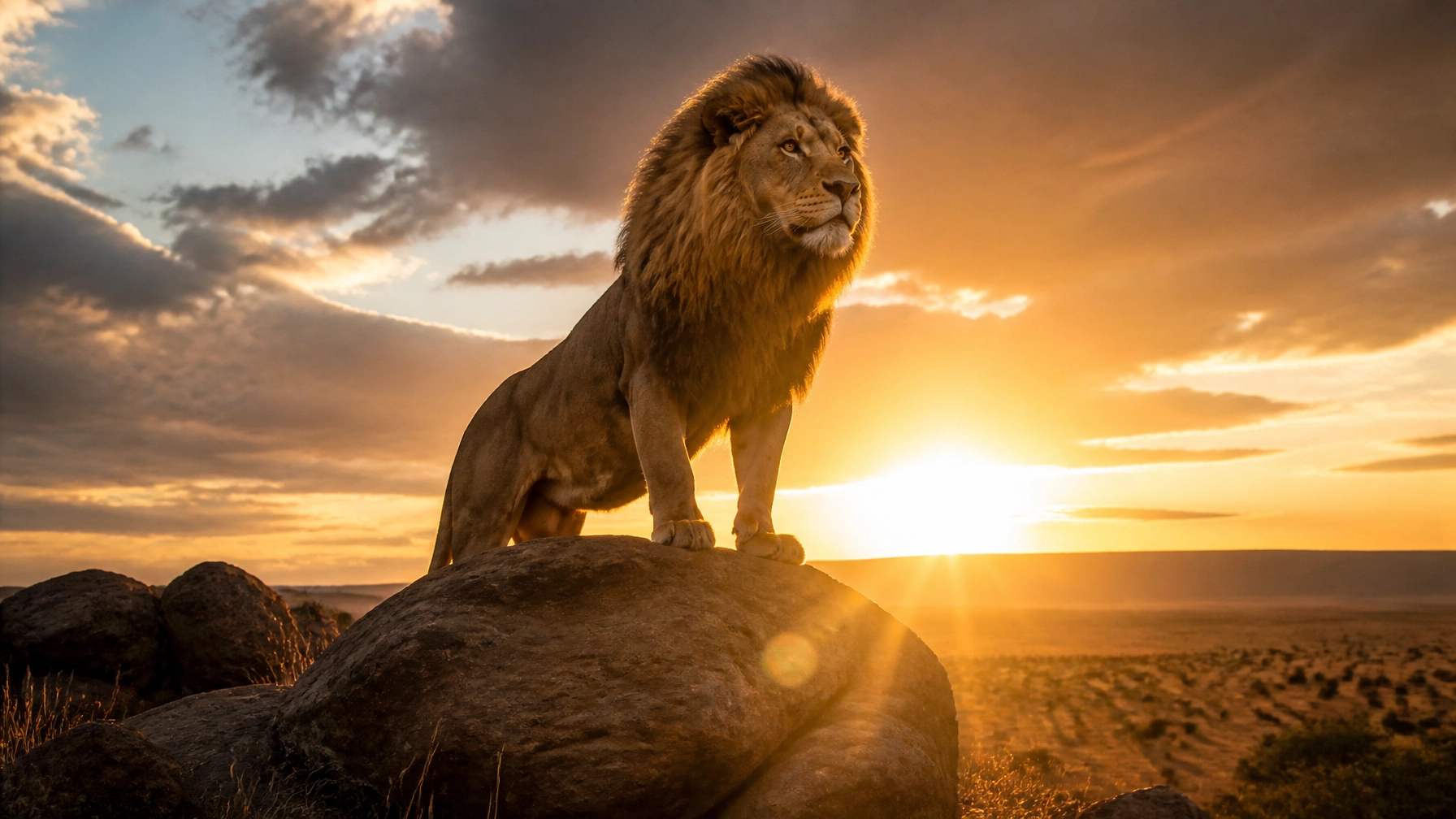
The Ultimate Guide to Sustainable Wildlife Stock Photos: Everything You Need to Succeed
Visuals matter.
High-quality wildlife imagery changes how people see the world.
It also changes how they see your brand.
In 2026, generic photos aren't enough.
Audiences want truth.
They want authenticity.
This guide covers everything you need to know about sustainable wildlife stock photography.
No jargon.
Just results.
Why Authenticity is the New Standard
Stock photography used to be about "perfect" shots.
Saturated colors.
Staged poses.
Animals that looked like props.
That era is over.
Today, sustainability in photography means two things:
- Ethical Production: Photos taken without disturbing the animal or its habitat.
- Visual Truth: Showing animals as they really are.
The Problem with "Perfect"
Staged photos feel fake.
Users scroll past them.
They lack the emotional weight needed for serious campaigns.
Authentic shots build trust.
They show your commitment to the real world.
Benefits of Realistic Imagery
- Higher engagement rates on social media.
- Clearer communication of conservation goals.
- Reduced risk of "greenwashing" accusations.
- Stronger emotional connection with donors and guests.
Environmental and Social Impact
Conservation is more than a trend.
It is a requirement.
When selecting photos, look for images that tell a story of action.

Documenting Real Work
Don't just show a tiger.
Show the habitat where it lives.
Show the forest.
Show the water sources.
These elements connect the animal to the ecosystem.
The Social Dimension
Wildlife photography isn't just about animals.
It involves people.
- Researchers in the field.
- Rangers on patrol.
- Community members living near habitats.
- Guests at your facility.
Including the human element shows the "how" behind the conservation.
It makes the work relatable.
Marketing Insights for Zoos and Aquariums
Marketing a zoo or aquarium requires a balance.
You need to show the beauty of the animals.
You also need to show the visitor experience.
The Power of User-Generated Content (UGC)
People trust other people more than they trust advertisements.
When a guest shares a photo of a giraffe, it carries more weight than a professional banner.
Leveraging the ZooMedia App
Our app, ZooMedia.us, helps facilities capture this energy.
It allows guests to share their photos easily.
This creates a library of authentic content.
Why it works:
- Real-time engagement: See what guests are looking at right now.
- ROI tracking: Measure the impact of your exhibits.
- Social proof: Real photos from real people.

Fragmented Results
- Increase in social mentions.
- Lower content production costs.
- Higher visitor return rates.
- Better data on exhibit popularity.
Wildlife Photography Trends for 2026
The style of wildlife photography is evolving.
To stay relevant, keep these trends in mind.
1. Small Biodiversity (Macro & Birds)
People are moving beyond the "Big Five."
There is a growing interest in the smaller parts of the world.
Insects.
Amphibians.
Rare birds.

Focus on:
- Intricate textures.
- Vibrant, natural colors.
- Clear, sharp eyes.
- Micro-habitats.
2. Dignity and Power
Avoid photos where animals look like curiosities.
Choose portraits that show strength.
A tiger shouldn't look "cute."
It should look powerful.

3. Natural Lighting
Forget the studio lights.
Look for:
- Golden Hour: Warm, soft light at sunrise or sunset.
- Blue Hour: Moody, cool light just before dawn or after dusk.
- Overcast: Soft, even light that captures details without harsh shadows.
How to Choose Ethical Stock Photos
Not all stock libraries are equal.
Some use baiting or captive animals in poor conditions.
Choosing "sustainable" stock means choosing ethical sources.
Questions to Ask Before You Buy
- Was the animal baited? Sustainable photography avoids using food to lure animals.
- Was the habitat disturbed? Look for signs of natural behavior.
- Is the caption factual? Accurate species and location data are vital.
- Is the source reputable? Check for partnerships with conservation groups.
Features of Quality Stock
- High Resolution: Crisp details even at large sizes.
- Landscape and Portrait: Options for both web and mobile formats.
- Natural Colors: No over-processing or fake filters.
- Clean Backgrounds: Nothing to distract from the subject.
Species Spotlights and Storytelling
Use your photos to highlight specific conservation needs.
A "Species Spotlight" is an effective way to educate.
Featured Category: Polar Bears
- The Story: Climate change and habitat loss.
- The Image: A bear in its natural Arctic environment.
- The Goal: Drive awareness of melting sea ice.
Featured Category: Wild Tigers
- The Story: Anti-poaching efforts and forest corridors.
- The Image: A tiger moving through dense undergrowth.
- The Goal: Support for habitat protection.
Featured Category: Elephants
- The Story: Human-wildlife coexistence and migration paths.
- The Image: A herd moving across a landscape.
- The Goal: Fundraising for corridor safety.
Building Your Own Library
You don't need a massive budget.
You need a plan.
Start with Quality
Rarely buy, but buy the best.
One stunning image is better than ten mediocre ones.
Quality builds your brand's authority.
Use Your Assets Everywhere
- Website hero sections.
- Email newsletters.
- Social media feeds.
- In-person signage.
- Annual reports.
Keep It Simple
Don't over-explain your photos.
Let the image do the work.
A simple caption with the species name and a location is often enough.
Results and Next Steps
Sustainable wildlife photography works.
It connects people to nature.
It helps zoos and aquariums thrive.
Quick Stats:
- 40%: The increase in engagement when using authentic wildlife photos over generic stock.
- 2x: The likelihood of a visitor sharing content if a mobile app is provided.
- 70%: Of consumers prefer brands that show real environmental action without the buzzwords.
Visuals are a tool.
Use them wisely.
Get Started
Browse our library of stunning animal photography.
Help your projects stand out while saving time.
Visit our website: ZooImagery.com
Follow us on LinkedIn: Zoo Imagery Profile


