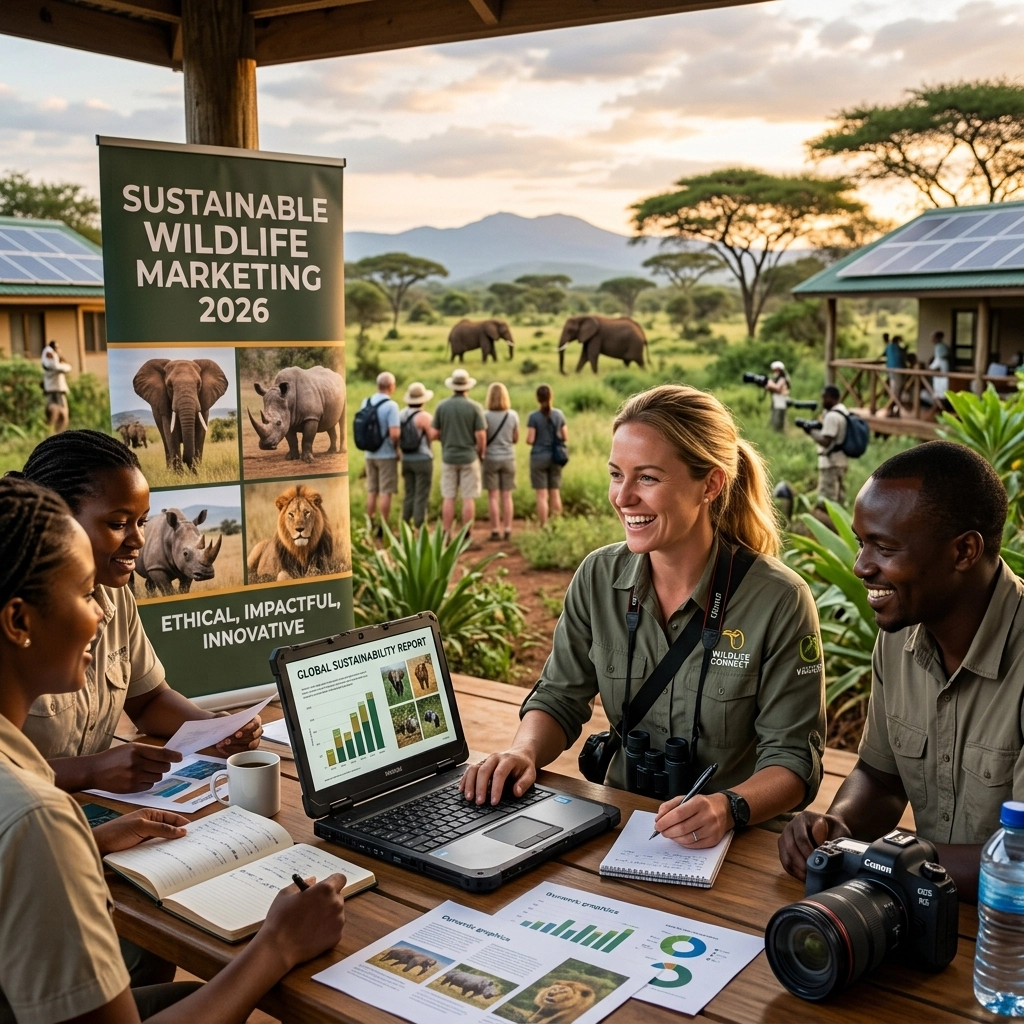
The Ultimate Guide to Sustainable Wildlife Marketing: Everything You Need to Succeed in 2026
Wildlife marketing has changed. In 2026, the audience expects more than a logo on a plaque. They want proof. They want connection. They want to see where their support goes.
Sustainable marketing is no longer a trend. It is the standard. This guide outlines how zoos, aquariums, and conservation brands can lead this year.
The 2026 Shift: Truth Over Hype
People see through "green" buzzwords. Terms like eco-friendly or green-conscious have lost their weight. In 2026, we talk about Stewardship.
- Move from vague to specific.
- Show the work.
- Share the results.
Transparency is the primary driver of trust. If you are protecting a habitat, show the fence being built. Show the rangers on patrol. Use high-quality imagery to bring the donor to the field.
The Strategy: "Presented By" Animal Pages
One of the most effective tools for zoos and aquariums is the "Presented By" model. It connects a corporate partner or a major donor directly to a specific animal or species.
Why it works:
- Direct connection. It creates a bond between the sponsor and the animal.
- Clear accountability. The donor knows exactly what they are supporting.
- Shareable content. High-quality photos of "their" animal make for excellent social media updates.
At Zoo Imagery, we focus on creating these visual bridges. A single photo of a snow leopard can drive more engagement than a twenty-page annual report.

Sponsored Species Spotlights
Spotlights are focused marketing bursts. Instead of talking about the entire zoo, talk about the red pandas.
How to execute a 2026 spotlight:
- Pick a species. Focus on one for a month.
- Tell the story. Not just biology. The individual story of the animal at your facility.
- Include the data. How many exist in the wild? How has your facility helped?
- Visual impact. Use professional photography. No blurry phone shots.
Authenticity matters. People want to see the texture of the fur and the light in the eyes. This is where stock photography and custom digital media become essential tools for your marketing team.
ESG Without the Buzzwords
Environmental, Social, and Governance (ESG) is often buried in corporate jargon. For wildlife marketing, we simplify it.
The Stewardship Framework:
- Environmental: Direct conservation action. Land saved. Species bred.
- Social: Community education. Local jobs created. Inclusive access.
- Governance: Transparent funding. Ethical animal care. Science-based decisions.
Do not use the acronym. Talk about the actions. Instead of "Our ESG goals," say "How we are keeping the oceans clean."

Conservation Storytelling
Storytelling is the heart of wildlife marketing. In 2026, stories must be evidence-led.
The Narrative Arc:
- The Challenge: A threat to a species.
- The Action: What your organization is doing right now.
- The Evidence: Photos, videos, and data.
- The Invitation: How the reader can join.
Avoid "sad" marketing. Focus on "active" marketing. Show hope through action. Show the transition from a problem to a solution.

Avoiding the "Greenwash" Trap
Regulators in 2026 are strict. Claims must be verifiable. If you claim to be "sustainable," you must have the data to back it up.
- Evidence-Led Claims: Every claim needs a footnote.
- Lifecycle Thinking: Consider the impact of your marketing materials too. Are your digital assets stored on green servers?
- Honesty: If a project failed, say so. Explain what you learned. This builds more trust than a perfect (but fake) record.
Visual Assets: The Engine of Growth
High-quality imagery is not a luxury. It is a requirement. In a world of AI-generated fluff, real photography stands out.
- Real animals.
- Real places.
- Real impact.
Zoos and aquariums should maintain a robust library of digital media. This allows for rapid response to news, high-quality social updates, and professional-grade donor reports. Use the Zoo Imagery Blog to stay updated on the latest visual trends.

2026 Wildlife Marketing Trends to Watch
Keep an eye on these shifts as the year progresses:
- Hyper-Local Focus: People want to help the wildlife in their own backyard as much as the exotic ones.
- Micro-Donations via Visuals: Clickable images that lead to direct, small-scale support.
- Science-First Content: Marketing written by or with scientists to ensure absolute accuracy.
- Interactive Habitats: Digital tours that use professional photography to let donors "walk" through an enclosure.
Metrics That Matter
Forget "likes." Focus on these:
- Engagement Time: How long are they looking at the animal spotlight?
- Conversion Rate: Are they moving from the photo to the donation or membership page?
- Sentiment: Are the comments about the conservation work or just the "cuteness"?
Summary Checklist for Success
- Remove buzzwords from all campaigns.
- Launch a "Presented By" animal page.
- Audit your visual library. Replace low-quality assets.
- Verify all environmental claims with data.
- Focus on stewardship narratives.
Marketing wildlife is a privilege. It requires a balance of beauty and truth. By focusing on simple, direct messaging and high-quality visual storytelling, your organization can thrive in 2026.
Ready to elevate your zoo or aquarium's visual presence? Visit zooimagery.com to see how we help conservation brands tell their story.
For more insights on the intersection of media and wildlife, follow us on LinkedIn.


