The Ultimate Guide to Sustainable Wildlife Marketing: Everything You Need to Succeed
Wildlife marketing is changing.
The goal is no longer just foot traffic.
It is impact.
Conservation.
Trust.
Success in 2026 requires a shift.
From attraction to mission.
From entertainment to education.
This guide outlines the pillars of sustainable wildlife marketing.
Direct.
Effective.
Proven.
1. The Visual Foundation
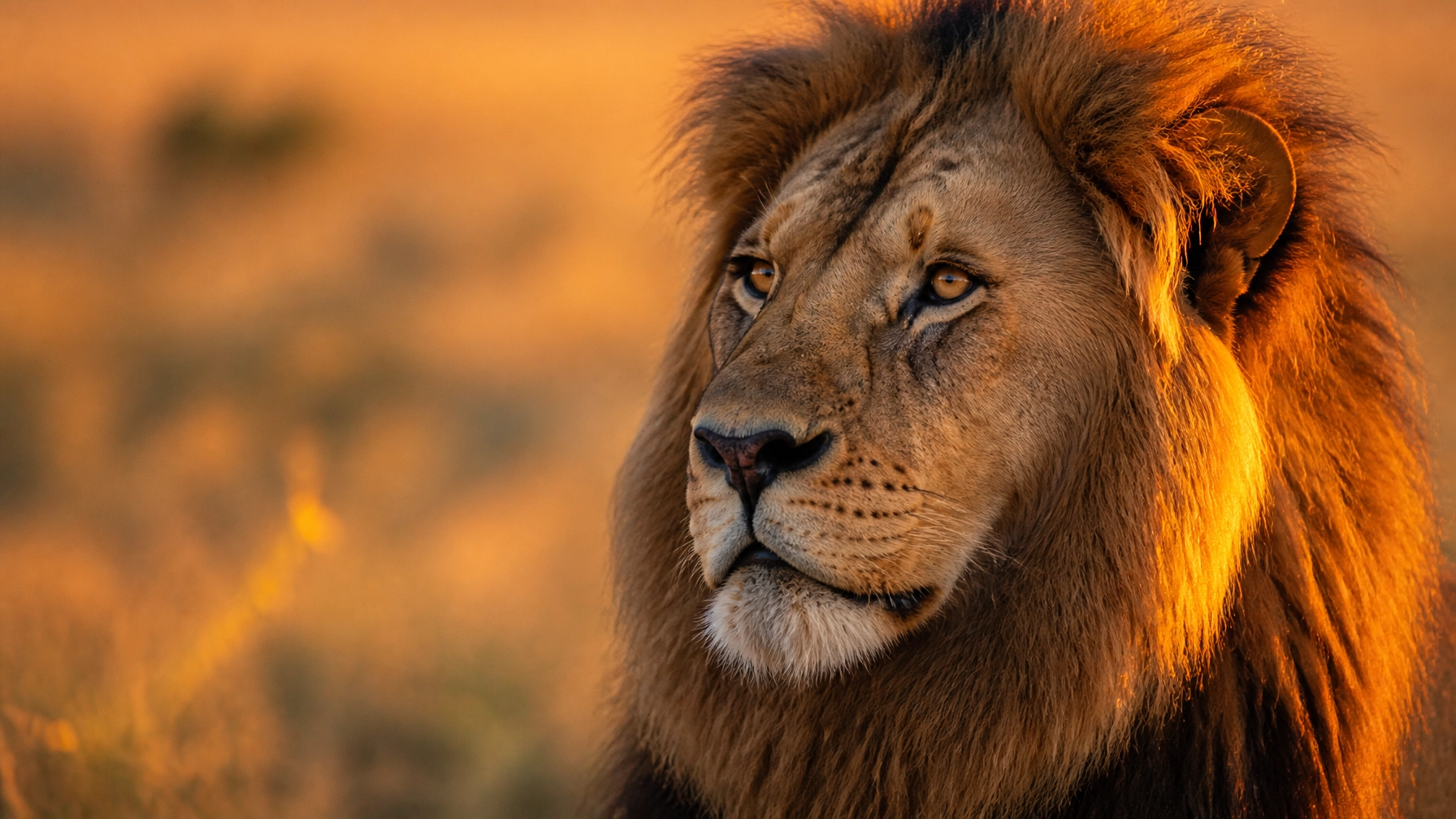
High-quality imagery is the baseline.
Low-resolution content harms your brand.
Professional visuals build authority.
Why Quality Matters
- Instant Credibility. Sharp images signal a professional institution.
- Emotional Connection. Detail captures the soul of the animal.
- Engagement. High-quality photos get shared more often.
Format Flexibility
Modern marketing lives on multiple platforms.
You need options.
- Landscape. Hero images. Website banners. Print media.
- Portrait. Social media stories. TikTok. Mobile-first apps.
The Authenticity Filter
Avoid over-processed images.
Use natural lighting.
Documentary style.
Capture raw moments.
- Mid-roar.
- Mother and cub.
- Quiet grazers.

Explore the Zoo Imagery library for professional animal categories.
2. Strategy: Sponsored Species Spotlights
Move beyond generic advertising.
Create "Presented by" animal pages.
Link species to specific conservation goals.
The Species Spotlight Framework
- Identity. Focus on one animal.
- Narrative. Tell its individual story.
- Sponsorship. Partner with brands that share your values.
- Integration. Link the sponsorship to habitat protection.
Benefits of Sponsored Pages
- Shared costs.
- Increased reach.
- Clearer impact reporting.
- High-value content for partners.
3. The Power of Participation
Static marketing is dying.
Interactive marketing is thriving.
Guests want to be part of the story.
Leveraging User-Generated Content (UGC)
Guests take thousands of photos.
Most never leave their camera roll.
Capture that energy.
The ZooMedia Solution
The ZooMedia.us app bridges the gap.
- Easy Sharing. Guests upload photos directly.
- Real-Time Engagement. Immediate interaction with visitors.
- Marketing Fuel. Turn guest photos into authentic ads.
- ROI Tracking. See exactly how sharing impacts your reach.

4. Conservation Storytelling
Marketing must align with your mission.
Transparency is the only way forward.
Avoid industry buzzwords.
State facts.
Key Content Themes
- Habitat Protection. Show the land you save.
- Rescue and Rehab. Document the journey from injury to health.
- Field Science. Feature your researchers in the wild.
- Welfare Standards. Explain why habitats look naturalistic.
The Strategy
- Identify the goal. (e.g., Save the Tiger)
- Select the visual. (e.g., A powerful jungle shot)
- State the action. (e.g., "This habitat supports X breeding pairs.")
- Invite participation. (e.g., "Join the conservation team.")

5. Measuring Impact
Data over excitement.
Results over hype.
Track the metrics that matter for long-term growth.
Essential Metrics
- Guest Sharing Rate. Percentage of visitors sharing content.
- UGC Reach. Impressions generated by user-generated posts.
- Conversion. Ticket sales tied to specific campaigns.
- Donation Growth. Correlation between storytelling and funding.
Real-Time ROI
Use digital platforms to track results instantly.
Adjust campaigns based on performance.
Focus on what drives engagement.

6. Current Wildlife Trends
Stay ahead of the curve.
Understand what audiences care about in 2026.
The Shift to "Fewer but Deeper"
- Less variety. Quality of care over number of species.
- Deeper stories. Focusing on individual animal histories.
- Ecosystem focus. Marketing entire habitats rather than single exhibits.
Mobile-Native Decisions
- Most visits are planned on mobile.
- Guests decide on-site.
- Mobile-first marketing is mandatory.
Summary Checklist
- Use high-resolution photography.
- Implement portrait and landscape formats.
- Launch "Presented by" species pages.
- Utilize a mobile app for guest sharing.
- Focus on transparent conservation stories.
- Track real-time ROI.
Sustainable marketing is not a trend.
It is the future of wildlife conservation.
Professional imagery is the start.
Guest engagement is the engine.
Ready to elevate your zoo or aquarium?
Visit Zoo Imagery to explore our library and marketing solutions.
Follow us on LinkedIn for daily wildlife marketing insights.


