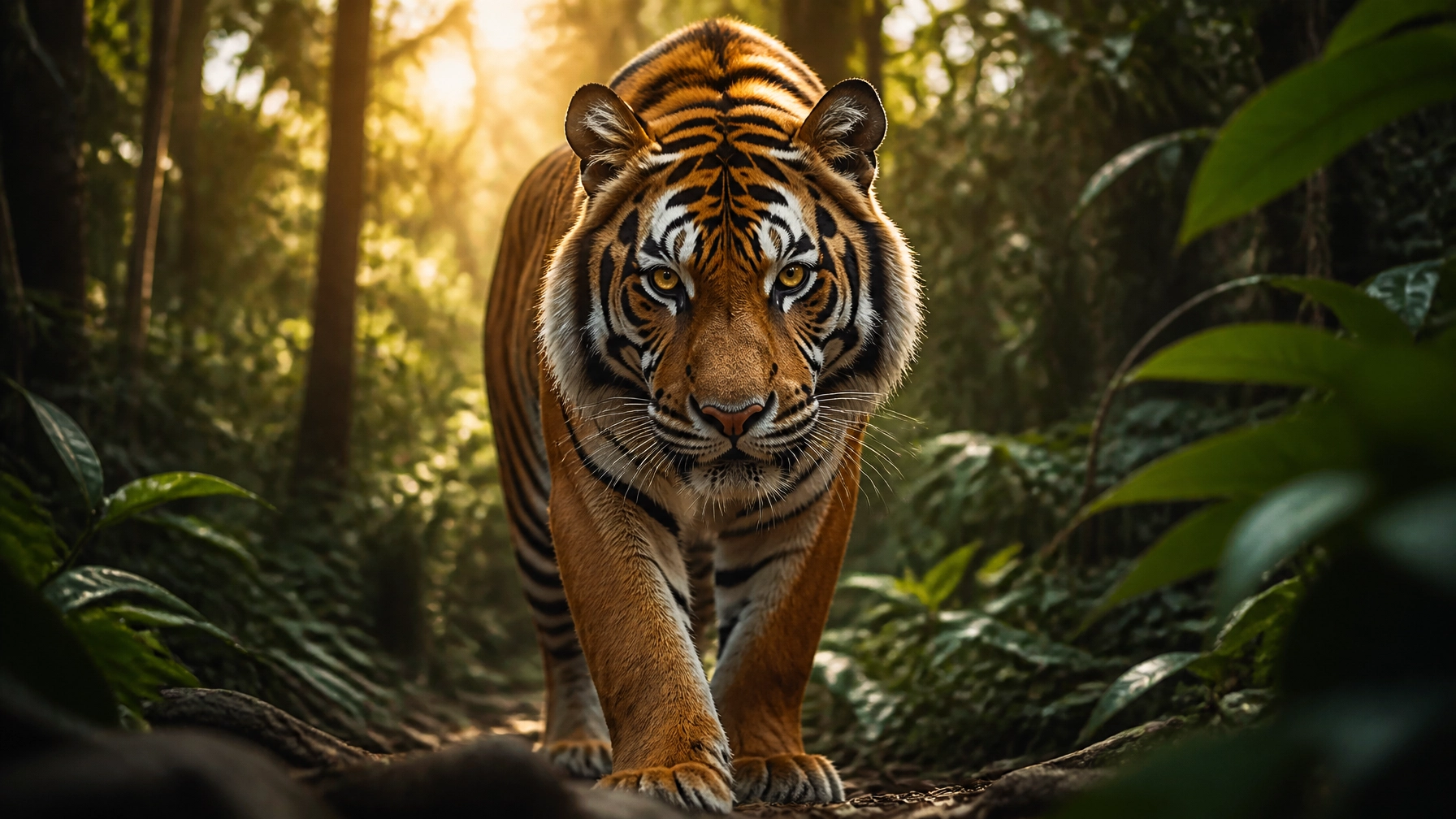
The Ultimate Guide to Sustainable Wildlife Marketing: Everything You Need to Succeed
Marketing for zoos and aquariums is changing.
The 2026 landscape demands more than photos.
It requires proof.
Results matter.
Impact is the new currency.
Visitors are skeptical.
They see through generic claims.
They want to know their ticket does more than provide a walk in the park.
Sustainable wildlife marketing is the bridge.
This guide breaks down the shift.
Simple language.
Direct actions.
Real results.
1. Radical Transparency: The Governance Shift
Trust is fragile.
Vague terms are out.
Specific data is in.
Stop using "Green"
- Words like "eco-friendly" lose meaning.
- Avoid "sustainable" without data.
- Focus on "verified."
- Use "audited."
Start using Numbers
- State exact percentages.
- "15% of revenue funds local habitat restoration."
- "80% reduction in single-use plastic."
- "12,000 native trees planted last quarter."
The "Traceable Impact" Model
Visitors want to see the path.
A ticket purchase leads to a specific outcome.
Trace the journey.
Show the field site.
Introduce the scientist.

2. Nature-Positive Results: The Environmental Pillar
Focus on biodiversity.
Not just exhibits.
Show how the institution heals the planet.
Species Recovery
Don't just show a polar bear.
Show the population trend.
Marketing should highlight:
- Successful breeding numbers.
- Successful wild reintroductions.
- Genetic diversity benchmarks.
Habitat Protection
Zoos are platforms for restoration.
Your marketing should reflect this.
- Feature local land acquisition.
- Show birds returning to restored wetlands.
- Map the hectares protected.
Decarbonization
Real action, not just offsets.
- Solar-powered exhibits.
- Electric transport fleets.
- Local food sourcing for animals.
- Waste-to-energy initiatives.

3. Community Connection: The Social Pillar
Sustainability includes people.
Inclusion is part of the story.
Equity drives engagement.
Accessibility Programs
- Reduced-price community days.
- Sensory-friendly hours.
- Multilingual tours.
- Scholarships for youth interns.
Citizen Science
Invite the visitor to participate.
They are not observers.
They are contributors.
- Backyard biodiversity kits.
- Bird sighting apps.
- Pollinator count challenges.
Shared Purpose
Marketing should feel like a partnership.
"We are doing this together."
Avoid the "Us vs. Them" narrative.
Build a community of advocates.
4. User-Generated Content: Turning Guests into Advocates
The most powerful marketing is authentic.
It comes from the visitor.
User-generated content (UGC) builds trust.
The Role of Picture Marketing
Photos tell the story.
Guests take thousands of photos.
Enable them to share easily.
High-quality imagery like lions or elephants inspires the first visit.
UGC validates the experience for the next person.
ZooMedia.us App Integration
Marketing isn't just about brochures.
It’s about real-time engagement.
The ZooMedia.us app lets guests share:
- Real-time moments.
- Direct impact stories.
- Authentic connections.
Tracking ROI
Engagement must be measured.
Data proves the value.
- Monitor share rates.
- Track conversion from social posts.
- Analyze visitor sentiment.

5. Implementing the 2026 Strategy
Success requires a plan.
Follow these steps.
Phase 1: Audit
- Review current claims.
- Remove buzzwords.
- Identify data gaps.
- Collect internal impact stats.
Phase 2: Content Strategy
- Focus on hyenas or pandas.
- Create "Evidence-Based" stories.
- Use high-quality stock photography.
- Script interviews with keepers and vets.
Phase 3: Launch
- Deploy multi-channel campaigns.
- Focus on organic reach.
- Utilize UGC platforms.
- Publish the quarterly impact report.
Phase 4: Iterate
- Listen to feedback.
- Adjust based on data.
- Stay transparent when goals are missed.
- Celebrate wins with the community.

6. The Checklist for Success
Use this for every campaign.
- Is the claim specific? (e.g., 500 animals vs. "lots of wildlife").
- Is it verifiable? (Can someone find the data on your site?).
- Does it focus on action? (What is actually happening?).
- Is it inclusive? (Does it reach everyone?).
- Is there a clear CTA? (How can they help?).
7. Future Trends to Watch
The world is moving fast.
Stay ahead.
Nature-Positive Reporting
Standard financial reports are no longer enough.
Nature-positive reporting is coming.
Start tracking your institution’s "Natural Capital."
How much biodiversity did you add this year?
AI in Conservation
Use AI to sort through field data.
Use AI to personalize the visitor experience.
Show guests exactly how their contribution helped a specific animal.
B2B ESG Packages
Corporate partners need to hit their own goals.
Offer sponsorship packages built around ESG.
Help them report their impact.
Make it easy for them to choose your zoo.
Final Thoughts
Sustainable wildlife marketing is not a trend.
It is the standard.
Be direct.
Be honest.
Show the work.
Ready to upgrade your imagery?
Find stunning, high-res animal photos for your next campaign.
Visit Zoo Imagery.
Connect with us for more insights.
Follow Zoo Imagery on LinkedIn.


