The Ultimate Guide to Sustainable Wildlife Marketing: Everything You Need to Succeed
Sustainable marketing isn't a trend. It is the new standard. For zoos, aquariums, and wildlife organizations, it means moving beyond simple ticket sales. It means building trust through transparency.
This guide covers how to market your mission without the fluff. We focus on real impact. Simple communication. High-quality imagery.
The Core Philosophy: Keep it Simple
Marketing wildlife requires a balance. You need to inspire. You also need to inform.
Most campaigns fail because they use too many buzzwords. Phrases like "carbon neutral" or "eco-friendly" often lose their meaning. People want to see the work. They want to see the animals.
Why Sustainability Matters in 2026
- Consumer expectations are higher.
- Transparency is a requirement, not an option.
- Digital media moves fast.
- Authenticity wins long-term.
Zoos and aquariums are uniquely positioned. You have the stories. You have the visual assets. You just need the right strategy to share them.

1. Moving Beyond Buzzwords (ESG Without the Noise)
Environmental, Social, and Governance (ESG) is often treated as a corporate checklist. In wildlife marketing, it should be the foundation of your story.
Environmental Impact
- Show, don't tell.
- Focus on habitat restoration.
- Highlight species recovery.
- Use data. Numbers of trees planted. Acres protected. Species released.
Social Responsibility
- Community engagement.
- Educational programs for local schools.
- Accessibility for all visitors.
- Staff welfare and expert passion.
Governance
- Clear mission statements.
- Transparent funding.
- Ethical sourcing for gift shops.
- Board accountability.
By sticking to these basics, you avoid the trap of "greenwashing." You build a brand that people believe in.
2. The Power of Visual Storytelling
Wildlife marketing is 90% visual. If the photo is bad, the message fails.
High-quality stock photography and original media are essential. Small teams often struggle to capture everything. That is where professional digital media partners come in.
Strategies for Visual Success
- Species Spotlights: Focus on one animal. Tell its specific story. Its challenges. Its triumphs.
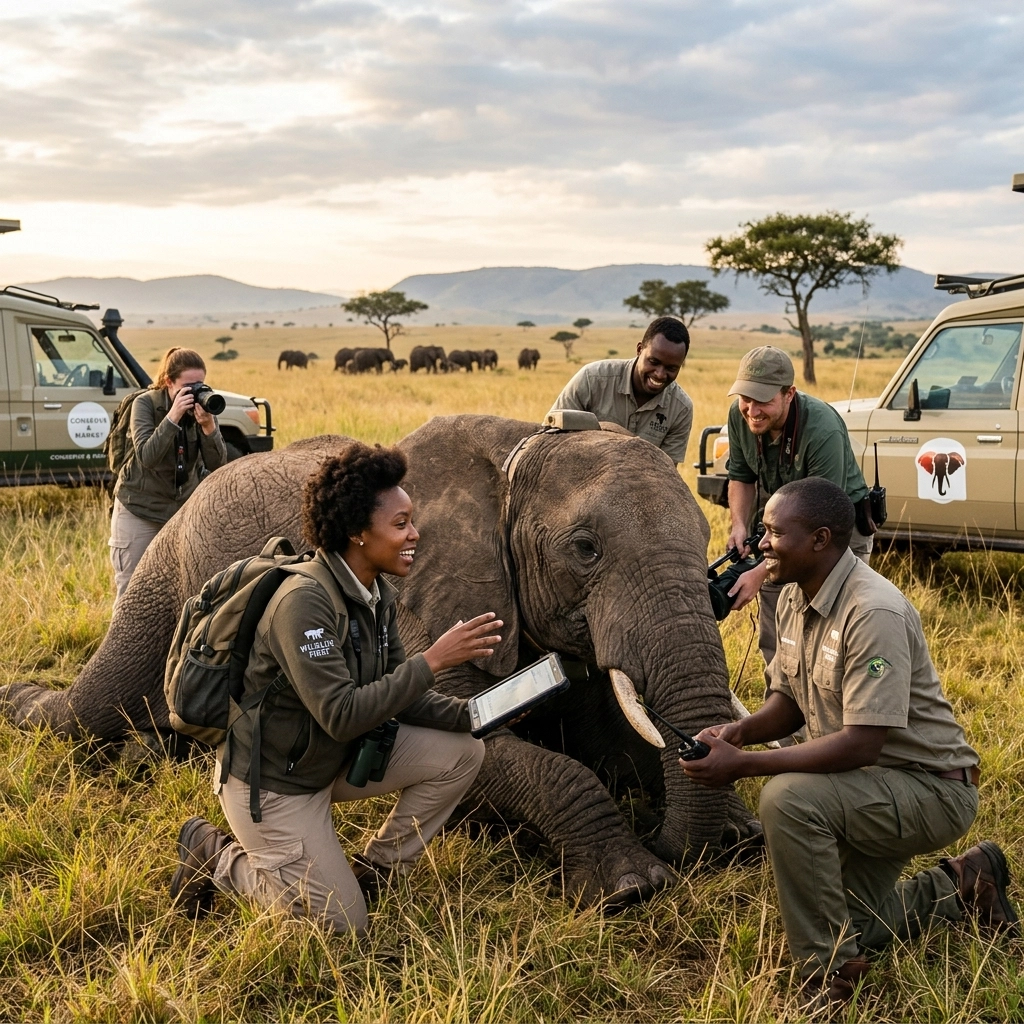
- Behind the Scenes: Show the keepers. Show the vet checks. People love the "how" behind the conservation.
- User-Generated Content: Encourage visitors to share their photos. It provides social proof.
- Rare Sightings: Use high-quality video for rare behaviors or births. These go viral for the right reasons.
You can find professional imagery to support these efforts at Zoo Imagery. Quality matters more than quantity. One perfect shot of a snow leopard is better than ten blurry ones.

3. The "Presented By" Model
One of the most effective ways to fund conservation and market your zoo is the "Presented By" model. This involves partnering with brands that share your values.
How it Works
- Identify a species or habitat.
- Partner with a brand for a "Species Spotlight" page.
- The brand funds the content or a specific conservation project.
- The content is educational and non-commercial.
This creates a win-win. The zoo gets funding. The brand gets a platform for their social responsibility goals. The audience gets great content.
Avoid heavy branding. The animal stays the star. The partner is the enabler.

4. Digital Trends for 2026
Marketing technology is changing. Staying relevant means adopting new tools without losing the human touch.
Current Trends
- Short-Form Video: 15-30 second clips of animal enrichment.
- Interactive Maps: Digital guides that highlight conservation points within the park.
- Live Streams: 24/7 views of popular exhibits. Simple. Effective.
- Niche Communities: Engaging on specific forums for birdwatchers or marine biology enthusiasts.
Don't try to be everywhere. Choose the platforms where your audience lives. Focus on quality interactions.
5. Overcoming Business Obstacles
Marketing a zoo is running a business. It comes with challenges. Budget constraints. Shifting public perception. Operational hurdles.
Understanding why business is so famous helps in navigating these waters. It is about value exchange. Your value is the preservation of nature. Your audience's value is the experience and the knowledge that they are helping.
7 Tips to Avoid Failure
- Define your goals early.
- Be honest about your challenges.
- Invest in professional assets.
- Listen to your visitors.
- Keep your website updated and easy to use.
- Don't ignore the data.
- Stay true to your mission.
For more insights on navigating these hurdles, check out our guide on seven top reasons why you face obstacles in learning business.

6. Case Study: Partnership in Action
Successful marketing often involves collaboration. Look at how Zoo Media partnered with the California Living Museum.
The goal was simple: improve reach and tell a better story. By combining resources, they were able to create more impactful content. They moved away from generic ads. They moved toward mission-driven storytelling.
This approach works because it is grounded in reality. It isn't a "marketing stunt." It is a partnership for progress.
7. Practical Fundraising Ideas
Marketing and fundraising go hand-in-hand. You need to give people a reason to give.
Innovative Approaches
- Water Boxes: A new way to fundraise that provides a tangible utility for visitors. Learn more about water boxes by Nicolas Moore.
- Digital Adoptions: Give people a digital certificate and regular updates on "their" animal.
- Experience Auctions: Rare, behind-the-scenes access for high-level donors.
The key is to make the donor feel like a part of the team. Not just a source of revenue.

8. Measuring What Matters
Stop looking at "likes." Look at engagement and impact.
Key Metrics
- Retention: Are people coming back to your site or park?
- Conversion: How many visitors become donors or members?
- Educational Reach: How many people are actually consuming your conservation content?
- Brand Sentiment: How do people talk about your organization online?
Be transparent with these numbers. If a campaign didn't work, figure out why. If it did, double down.
9. The Role of the Expert
Your keepers and researchers are your best marketers. They have the passion. They have the knowledge.
Feature them. Let them speak directly to the audience. This builds a layer of trust that no polished ad can replicate. When an expert explains why a specific species is at risk, people listen.
Expert Content Tips
- Record simple Q&A sessions.
- Let them take over the social media for a day.
- Include their insights in your newsletters.
- Keep it unscripted. Authenticity is the goal.

Conclusion: Start Today
Sustainable wildlife marketing isn't about being perfect. It is about being honest. It is about using the best tools available to protect the things that matter.
Keep your message simple. Use high-quality visuals. Focus on the mission.
Ready to upgrade your visual assets?
Visit Zoo Imagery to explore our collection.
Follow us on LinkedIn for daily insights on wildlife marketing and conservation trends.
Let's tell better stories together.


