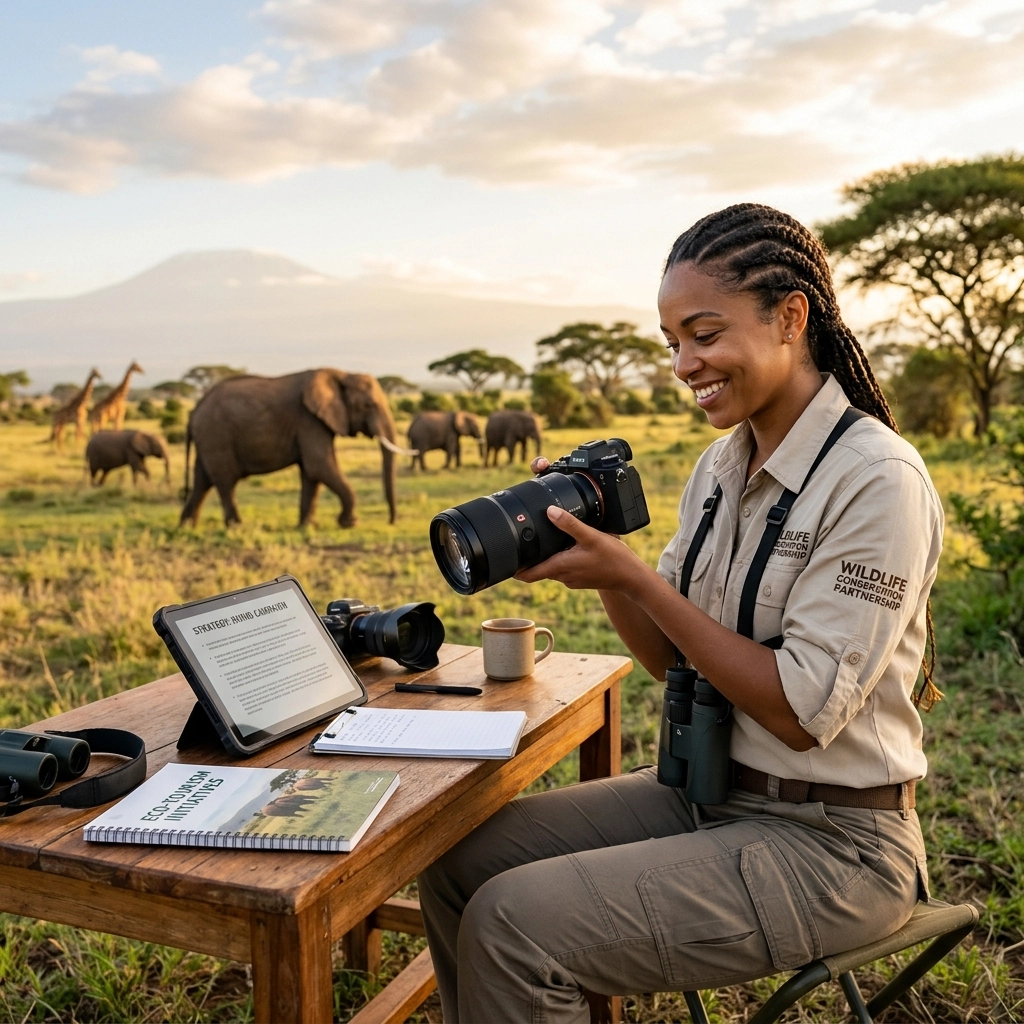
The Ultimate Guide to Sustainable Wildlife Marketing: Everything You Need to Succeed
Tuesday, April 28, 2026. Denver, CO.
Marketing in the wildlife space is different now. The days of vague promises are over. Today, your audience demands truth. They want to see the impact. They want to see the animals.
At Zoo Imagery, we see it every day. Authentic marketing isn't just a trend. It is the standard. This guide outlines how to navigate this landscape. No fluff. No jargon. Just a clear path to success for your zoo, aquarium, or conservation brand.
The Core Philosophy: Simplicity and Truth
Sustainable marketing means aligning your message with your actions. It is that simple. If you say you protect habitats, show the habitats. If you claim to support species, show the species.
People trust what they can see. In the digital age, high-quality media is your most valuable asset. It bridges the gap between a corporate office and a remote field site.

1. Ditch the Buzzwords
ESG. Sustainability. Eco-friendly. These words are losing their power. They are often used to hide a lack of substance.
Instead, use direct language:
- "We are restoring 500 acres of wetlands."
- "We funded the care of ten orphaned elephants."
- "Our facilities use 30% less water than last year."
Specifics build trust. Generalities create suspicion.
Visual Storytelling: The Foundation
Your marketing is only as good as your imagery. In the wildlife sector, the animal is the hero. The goal is to create an emotional connection without being manipulative.
Authenticity Over Perfection
Stock photos of smiling models in pristine forests don't work anymore. People want raw, real moments. They want to see the texture of feathers. The dirt on a researcher's boots. The real colors of the ocean.
We focus on professional, honest photography. Whether it’s a detailed look at birds or a rare capture of hyenas, the goal is to show the world as it is.

The Power of Flagship Species
Flagship species like pandas draw people in. They are the gateway to broader conservation conversations. Use high-impact visuals of these animals to anchor your campaigns. Once the audience is engaged, you can introduce more complex topics like biodiversity and habitat loss.
The "Presented By" Model
One of the most effective trends in 2026 is the "Presented By" animal page. This is a direct, ESG-aligned way for corporations to support wildlife.
How it Works:
- A brand sponsors a specific species or individual animal.
- The brand’s logo appears on that animal's profile on your site.
- The brand receives regular visual updates to share with their stakeholders.
This isn't just a donation. It’s a partnership. It allows businesses to point to a tangible result of their ESG commitments. For zoos and aquariums, it provides a steady stream of funding for specific care needs. It moves the needle from "corporate giving" to "active participation."
Visit our business category to see how these partnerships are structured.
Marketing Insights for Zoos and Aquariums
Zoos and aquariums are at the forefront of conservation. But often, the marketing doesn't reflect the level of work being done behind the scenes.
Content That Converts
- Behind-the-Scenes Access: Show the kitchen where the diets are prepared. Show the vet checks. Transparency builds empathy.
- Data Plainly Stated: Don't hide your conservation metrics in a 50-page PDF. Put them on your homepage.
- Micro-Moments: Short, unedited clips of animal behavior often outperform polished commercials.

Engagement Metrics
Stop chasing "likes." Focus on "shares" and "saves." These are indicators that your content provided value or inspired someone to take action. If a post about your new conservation initiative is being saved, it means people are using it as a reference. That is true influence.
Aligning with ESG Goals (Without the Jargon)
Environmental, Social, and Governance (ESG) goals are driving corporate spending. Your marketing should speak this language without using the buzzwords.
For the "Environmental" Pillar:
Focus on biodiversity. Use images that show the interconnectedness of ecosystems. Brands want to be associated with healthy, thriving nature. Show them how your organization makes that happen.
For the "Social" Pillar:
Highlight the people. The keepers, the researchers, and the local communities involved in conservation. Professional photography of people in the field humanizes the work. It shows the "Social" impact of the "Environmental" mission.
For the "Governance" Pillar:
Transparency is the key. Be clear about where funds go. Use your corporate communication channels to publish regular updates.

Current Trends in Wildlife Media
As we move through 2026, several trends are dominating the landscape:
- Short-Form Education: 15-second clips explaining a single biological fact.
- Point-of-View (POV) Footage: Camera angles that put the viewer in the shoes of a researcher or an animal.
- Minimalist Web Design: Sites that let the photography speak for itself. White space is your friend.
- LinkedIn as a Conservation Tool: B2B marketing for zoos is growing. Decision-makers are looking for meaningful partnerships on LinkedIn.
Practical Steps to Implement Today
You don't need a massive budget to start. You need a strategy.
Step 1: Audit Your Visuals
Look at your current website. Is the photography old? Is it generic? If it doesn't represent the quality of your work, change it. Quality is a choice. You can find curated sets in our press category.
Step 2: Define Your Story
What is the one thing you want people to remember? Focus on that. If your zoo is known for avian conservation, lean into birds. Don't try to be everything to everyone.
Step 3: Create a Partnership Deck
Build a simple, visual document for potential sponsors. Focus on the benefits to them: brand alignment, high-quality content, and measurable impact.

Avoiding the "Greenwash" Trap
The fastest way to lose credibility is to over-promise. If you are in the early stages of a sustainability program, say that.
- Be Honest: "We are working toward 100% plastic-free, currently at 40%."
- Provide Proof: Link to third-party reports or certifications.
- Update Regularly: Don't leave a 2024 conservation report as your most recent data point in 2026.
Sustainability is a journey. Your marketing should reflect that.
The Future is Visual
The world is moving faster. Attention spans are shorter. But the human connection to wildlife remains strong. To succeed in sustainable wildlife marketing, you must honor that connection.
Use simple language. Use stunning visuals. Be honest about the challenges and clear about the wins.
At Zoo Imagery, we provide the tools to tell these stories. We focus on the quality of the image so you can focus on the quality of the conservation.

Join the Conversation
We are constantly updating our library and our insights. The best way to stay informed is to follow our work.
- Explore our full library: zooimagery.com
- Connect with us on LinkedIn for daily insights on wildlife trends and B2B marketing.
- Check out our consulting services for personalized strategy.
The animals have a story. We help you tell it. No buzzwords. Just results.
Dan Kost
CEO, Zoo Imagery


