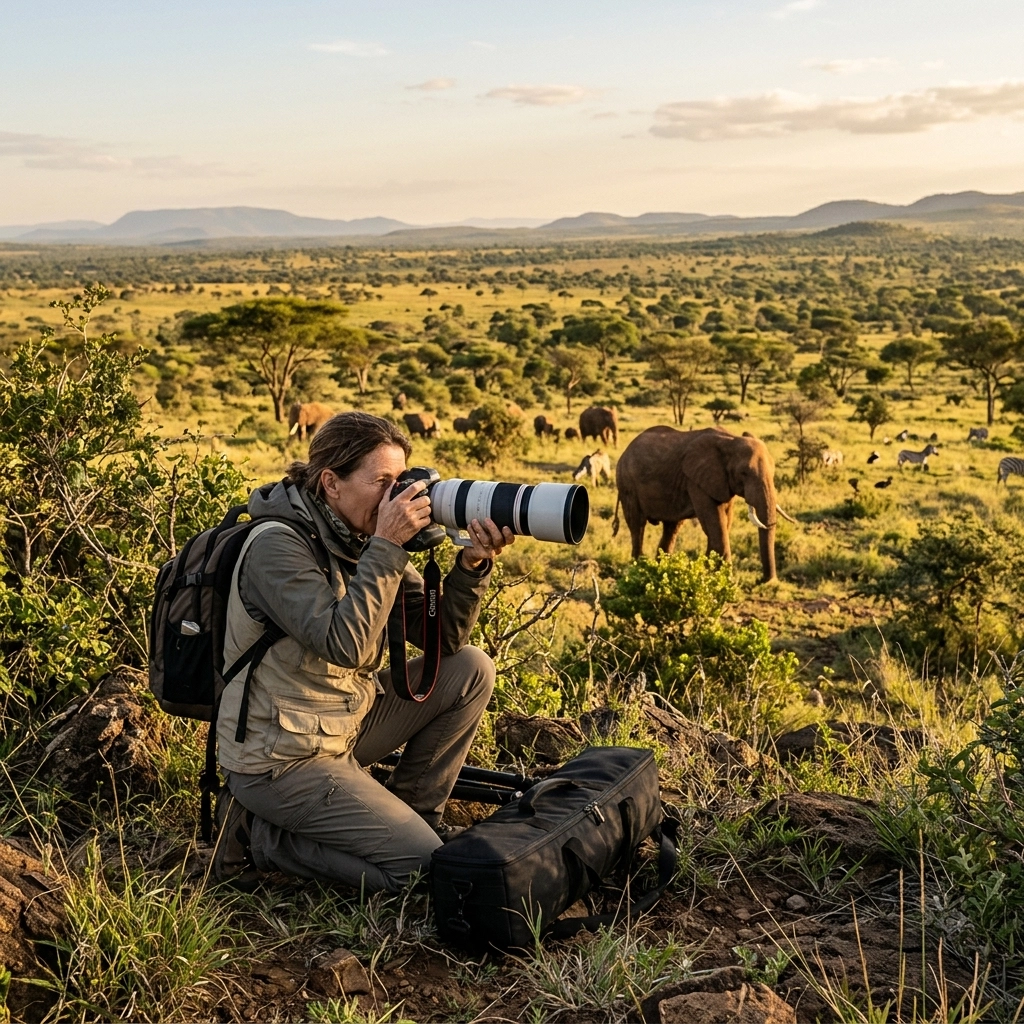
The Ultimate Guide to Sponsored Wildlife Spotlights: Everything You Need to Succeed with Brand Partnerships and Wildlife Stock Photos
Digital media is changing. Engagement is harder to find. Traditional ads are often ignored.
Enter the Sponsored Wildlife Spotlight.
Brands are looking for more than clicks. They want connection. Wildlife imagery provides that connection. It is raw, beautiful, and universally understood.
At Zoo Imagery, we bridge the gap between high-quality digital media and corporate partnerships. This guide explains how to use animal stock photography to build brand equity through "Presented by" pages and sponsored species spotlights.

The Concept of Sponsored Spotlights
What is a spotlight? It is a dedicated focus.
A brand chooses a specific animal. They support the content surrounding that animal.
It is not a banner ad. It is an association.
Key Components:
- High-resolution imagery. The foundation.
- "Presented by" branding. Simple logo placement.
- Species facts. Educational value.
- Conservation alignment. Purpose-driven marketing.
Modern audiences value transparency. They like brands that support something real. Animals are real. Their stories matter.
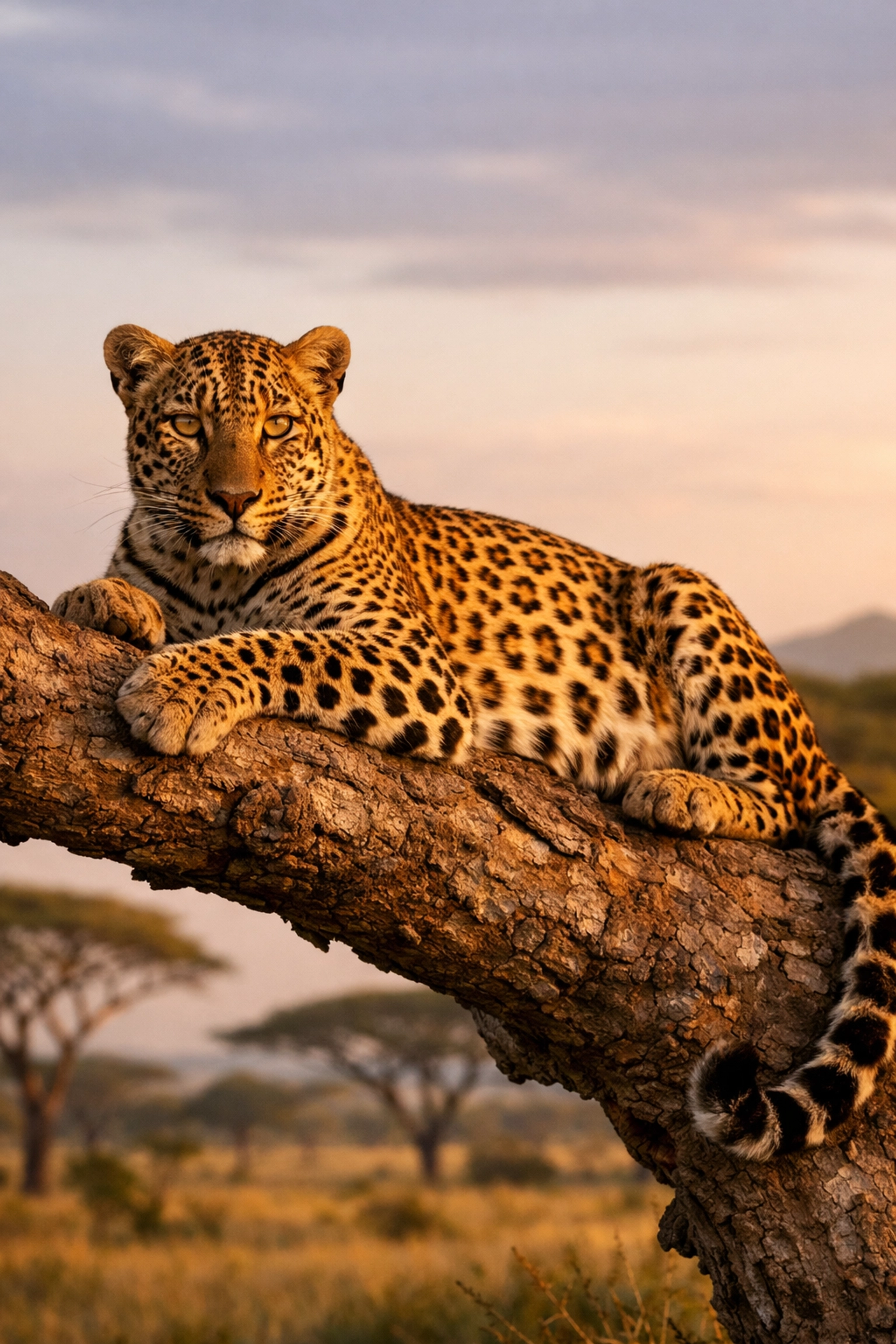
Why Wildlife Imagery Works
Humans are hardwired to look at animals.
Eye contact with a predator. The softness of a bird’s feathers. The scale of an elephant.
Images trigger emotion. Emotion triggers memory.
Why Stock Photos Matter:
- Consistency. Get the shot every time.
- Quality. Professional lighting and focus.
- Diversity. Access to species from every continent.
- Cost-effective. No travel fees or logistics.
Explore our full range of animal stock photography to see the quality required for these campaigns.
The "Presented by" Animal Page
This is the gold standard of wildlife partnerships.
A brand "owns" a specific species page on a website or digital platform.
Imagine a user searching for info on Pandas.
They land on a page filled with stunning photos.
At the top: "Pandas: Presented by [Your Brand Name]."
The Benefits:
- Direct association. The brand becomes the "protector" or "expert."
- Clean UI. No cluttered sidebars. Just the brand and the animal.
- High dwell time. People look at animal photos longer than text.
- Educational impact. Providing value to the reader.
This model moves away from "selling" and toward "hosting."
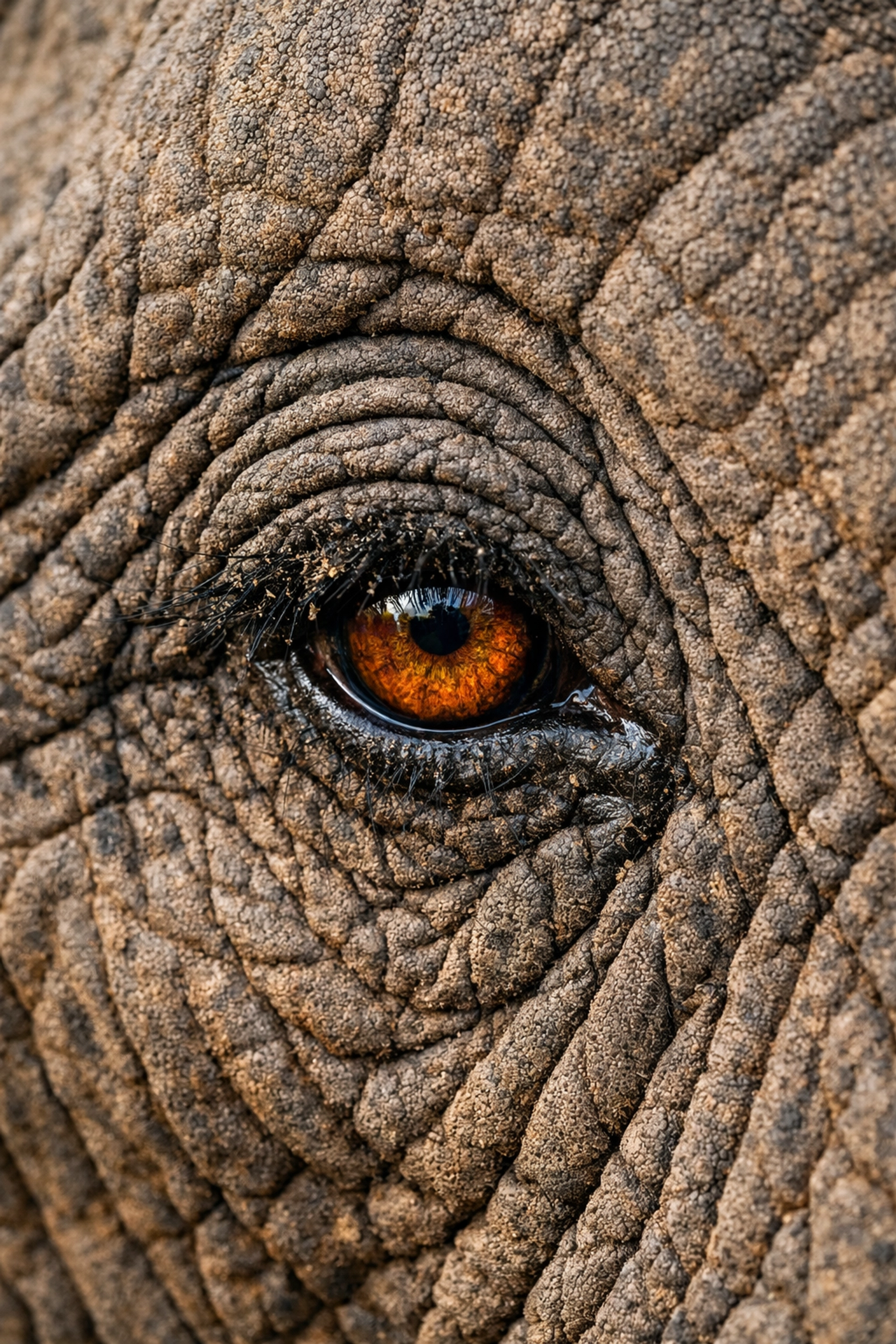
Choosing the Right Species for Your Brand
Not every animal fits every brand. Selection is strategic.
Power and Strength
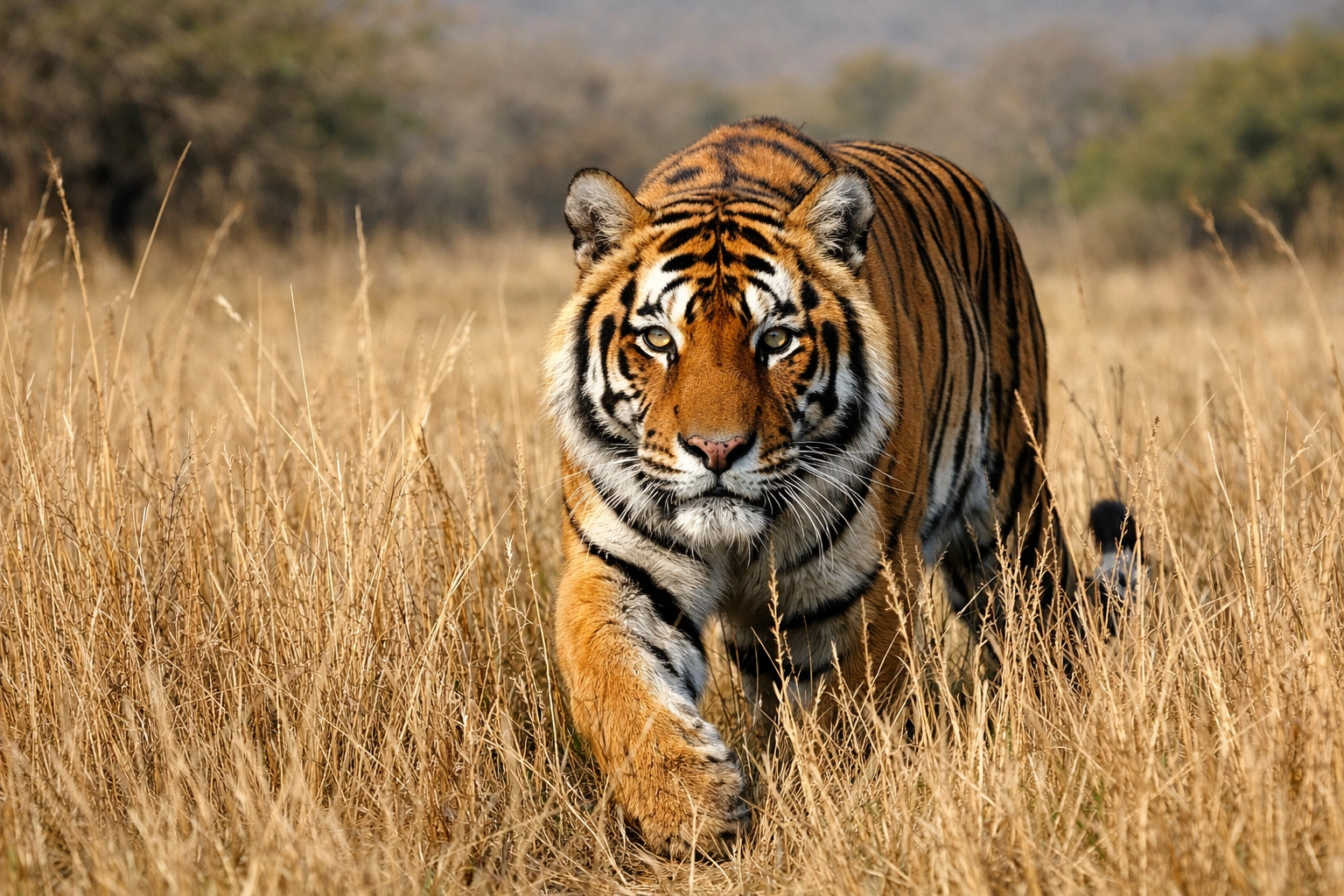
- Wild Tigers: Commands respect. Focused.
- Lions: Leadership. Pride. Community.
Intelligence and Adaptability
Precision and Perspective
Climate and Sustainability
- Polar Bears: Resilience. Northern focus. Environmental awareness.
A tech company might choose Giraffes to symbolize "reaching higher" or "seeing further." A logistics firm might choose a migratory bird.
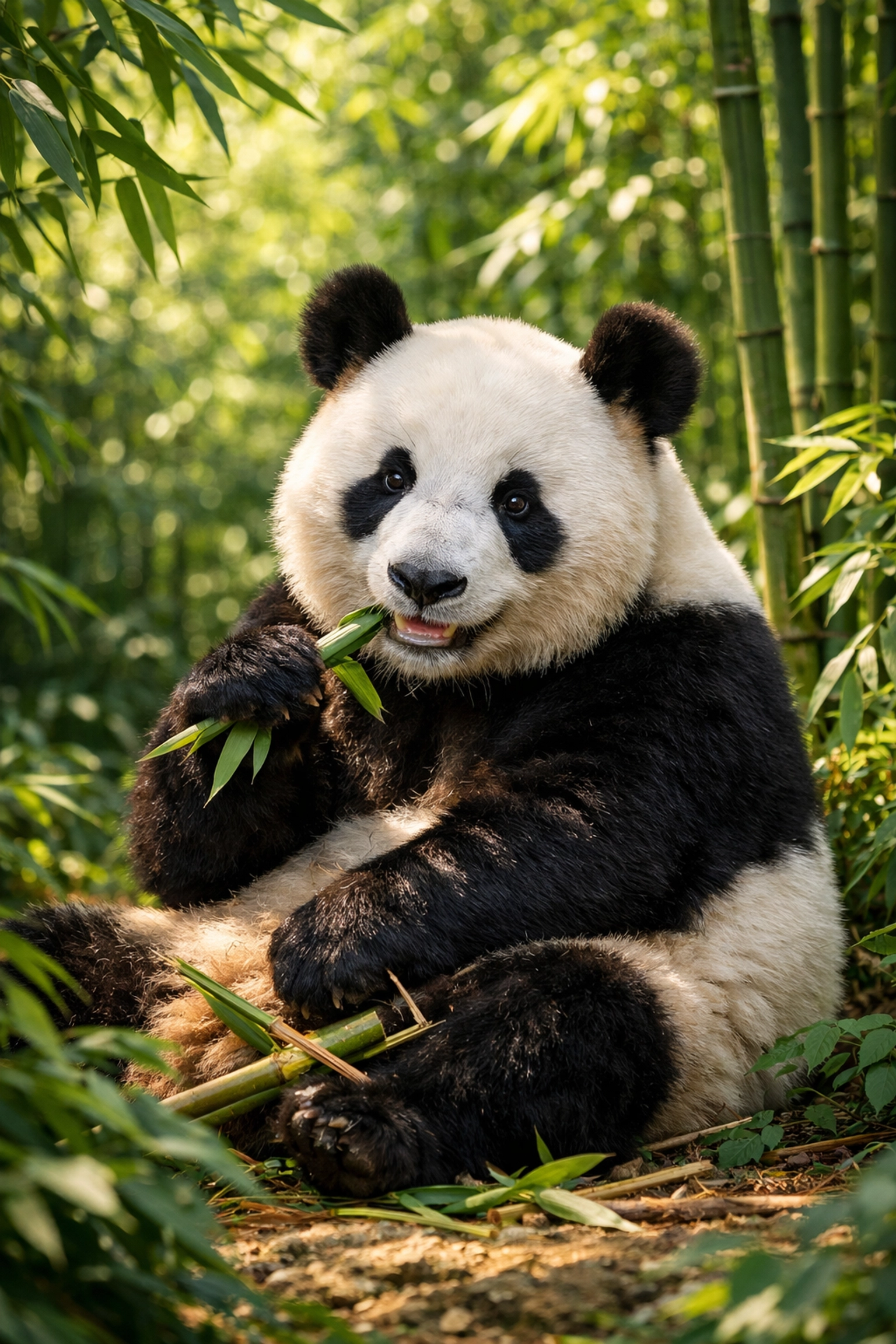
Building Your Spotlight Campaign
Success requires more than just picking a photo.
1. Define the Narrative
Why this animal? Why now?
If you are launching a new product, pick an animal that shares its traits.
Fast software? Choose a cheetah.
Secure storage? Choose a tortoise.
2. Use Professional Assets
Low-quality photos hurt brands.
Grainy, amateur shots suggest a lack of care.
Use Zoo Imagery for high-end, professional media.
3. Keep Messaging Simple
Minimal text.
Let the animal do the work.
Avoid marketing jargon.
State the partnership. Share a fact.
4. Integrate ESG Goals
Environmental, Social, and Governance goals are critical.
Sponsored spotlights are a visible way to show alignment with conservation.
It makes the abstract concept of "sustainability" concrete.
Beyond the Website: Social Media Integration
Sponsored spotlights shouldn't stay on one page.
LinkedIn Strategy
LinkedIn is the home of professional partnerships.
Post a high-res image of a Wild Tiger.
Talk about the partnership.
Tag the photographers.
Tag the conservation partners.
Why it works:
- Thumb-stopping content. A tiger in a feed of charts stands out.
- Professional tone. Keeps the conversation high-level.
- Networking. Connect with other brands in the space.
Follow our updates and partnership news on our LinkedIn profile.
Avoiding Common Pitfalls
Partnerships can fail if not handled with care.
- Over-branding. Don't cover the animal with your logo. The animal is the star.
- Mismatch. Don't choose an animal that contradicts your brand values.
- Poor timing. Ensure the spotlight aligns with your overall marketing calendar.
- Generic content. Use unique images. Avoid the "free" stock photos everyone else uses.
Authenticity is the goal.
Technical Considerations for Stock Photos
When choosing images for your "Presented by" pages, look at the technical specs.
- Resolution. Must be 300 DPI for print, high-res for 4K screens.
- Licensing. Ensure you have the rights for commercial use.
- Composition. Leave "copy space" for your logo or text.
- Color Palette. Does the animal's environment match your brand colors?
High-quality photography is an investment in your brand’s visual identity.
The Future of Brand-Wildlife Partnerships
We are seeing a move toward "Digital Zoos."
Websites that act as interactive galleries.
Brands that fund the digitization of wildlife archives.
Sponsored species spotlights are the first step.
It is a clean, simple, and effective way to market.
No noise. No clutter. Just the natural world and the brands that support it.
Start Your Journey
Whether you are looking for birds or fish, the right image is waiting.
Success in brand partnerships starts with the visual.
Keep it simple. Keep it professional.
Ready to start?
Visit zooimagery.com to browse our library.
Connect with us on LinkedIn to discuss bespoke sponsorship opportunities.
Quick Links for Your Campaign:
- Seven top reasons why you face obstacles in learning business
- Why is business so famous
- This story behind business will haunt you forever
- 5 questions to ask at business
Wildlife imagery is a bridge.
Walk across it.


