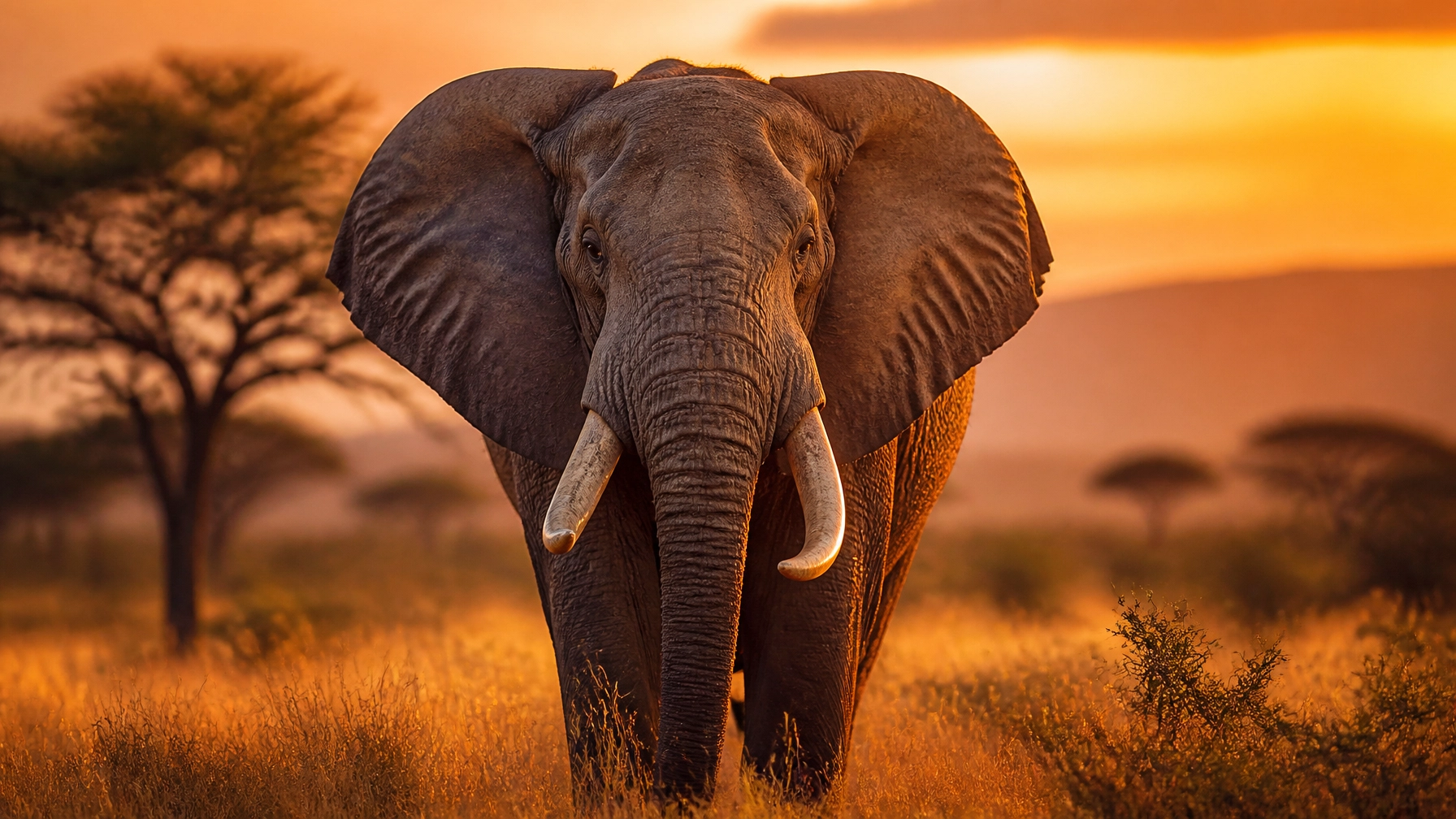
The Ultimate Guide to Ethical Wildlife Marketing: Everything You Need to Succeed
Marketing wildlife is changing.
Audiences no longer accept the "staged" look.
They want the truth. They want impact.
Ethical marketing isn't just a choice: it’s the new baseline for success.
The Shift to Radical Authenticity
People can spot a fake from a mile away.
In 2026, the demand for transparency is absolute.
Zoos and aquariums are no longer just attractions; they are conservation hubs.
Your marketing must reflect this.
Why honesty wins:
- Builds long-term trust with visitors.
- Connects your brand to real conservation results.
- Distinguishes your institution from performative competitors.
The Power of the Right Image
Visuals are your first touchpoint.
Using a generic, low-quality photo sends the wrong message.
It says you don't value the subject.
High-quality, ethically sourced photography says you care.

Selecting imagery with purpose:
- Avoid staged interaction: Skip photos where animals look stressed or forced.
- Focus on natural behavior: Show animals being themselves.
- Prioritize clarity: Use high-resolution, professional shots that highlight the beauty of the species.
- Source ethically: Use libraries like Zoo Imagery that specialize in professional animal photography.
Transparency as a Marketing Strategy
Don't hide your operations. Show them.
Audiences appreciate seeing the work behind the scenes.
The prep, the care, the medical checks.
These moments are the foundation of your credibility.

Content ideas for transparency:
- Diet prep: Show the nutrition standards for your residents.
- Vet care: Highlight the routine check-ups that keep animals healthy.
- Habitat maintenance: Explain how you mimic natural environments.
- Education moments: Share the "why" behind your conservation projects.
Empowering Your Guests: The UGC Advantage
The best marketing doesn't come from your team.
It comes from your visitors.
User-generated content (UGC) is authentic by default.
It provides "social proof" that your zoo or aquarium is worth the visit.

Leveraging the ZooMedia.us App
We built the ZooMedia.us app to bridge the gap.
It lets guests share their experiences instantly.
It turns every visitor into a brand advocate.
- Real-time sharing: Guests take and share photos directly from the app.
- Brand control: You get access to a stream of authentic content.
- Engagement tracking: See how guests are interacting with your species in real-time.
Wildlife Marketing Trends for 2026
Stay ahead. Stay relevant.
The market is moving toward deeper connection and less fluff.

Key trends to watch:
- Direct Impact Stories: Connecting a ticket purchase to a specific conservation milestone.
- Micro-Influencers: Partnering with local enthusiasts who have high trust, not just high follower counts.
- Educational Storytelling: Less "look at this animal" and more "here is how this animal survives."
- Purpose over Trends: Only participating in social media trends that align with your core mission.
Your Ethical Content Checklist
Before you post, ask these five questions:
- Does the image show natural behavior?
- Is the context clear? (Mention if it's a rescue or a managed species).
- Does the caption drive value? (Education or conservation focus).
- Would this shot be safe to replicate? (Don't encourage barrier-jumping or glass-tapping).
- Does it respect the animal's dignity?
Measuring Success: Beyond the Like
Metrics are only useful if they reflect your goals.
In ethical marketing, we look for deeper signals.
What to track:
- Quality of Sentiment: Are people talking about your conservation efforts?
- UGC Quality: Are guests sharing respectful, thoughtful content?
- Action Rate: Clicks to donation pages or membership sign-ups.
- Retention: How many visitors return because they trust your mission?
The Zoo Imagery Difference
We don't just sell photos.
We provide the visual tools for your mission.
Whether you need a polar bear portrait or a marketing solution for your aquarium, we are here to help.
Keep it simple. Keep it real.
Your audience is waiting.


