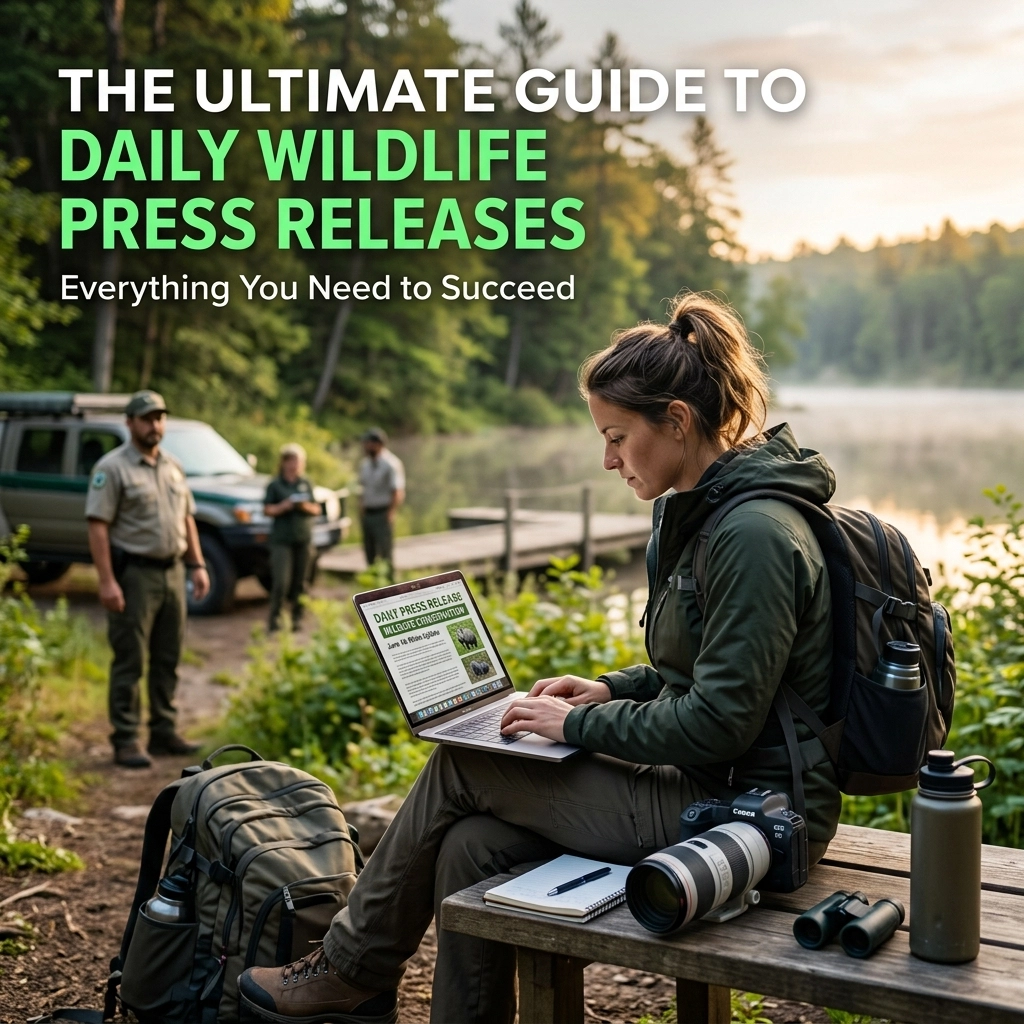
The Ultimate Guide to Daily Wildlife Press Releases: Everything You Need to Succeed
Wildlife communication moves fast. New discoveries. Habitat updates. Urgent conservation needs.
At Zoo Imagery, we track these shifts daily. This guide explains how to manage, interpret, and share wildlife news effectively.
Why Daily Releases Matter
Information loses value over time. In conservation, timing is everything.
- Awareness. Keeping the public informed on immediate threats.
- Transparency. Sharing internal milestones.
- Engagement. Building a steady rhythm of storytelling.
- Action. Driving support when it is needed most.
Daily press releases create a heartbeat for an organization. They show the world that work is happening every single day.
Conservation Storytelling: The Foundation
Data is cold. Stories are warm. Effective press releases bridge that gap.
Focus on the narrative.
- The Problem. A species losing habitat.
- The Work. Scientists in the field. Volunteers on the ground.
- The Progress. Small wins. Births. Successful releases.
Keep it simple. Avoid jargon. Use clear, declarative sentences.
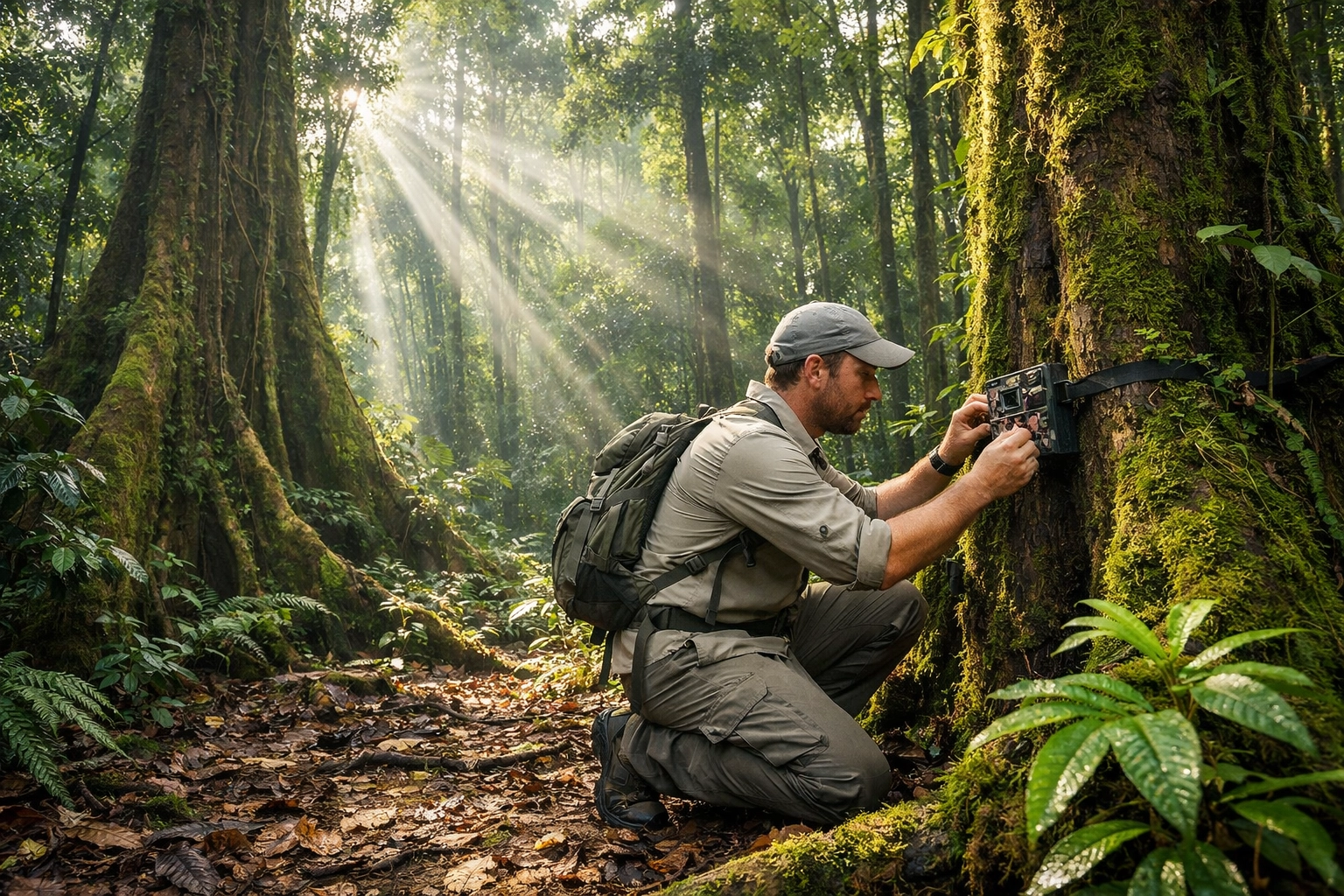
Species Spotlights: Humanizing the Wild
People connect with individuals, not just statistics.
A daily release should often highlight a specific animal or species. This is the "Species Spotlight" model. It creates a focal point for the reader’s empathy.
Focus areas for species spotlights:
- Unique behaviors.
- Specific conservation status.
- Local impact.
- Ongoing recovery efforts.
By dedicating a release to one species, you provide depth that a general newsletter cannot match.
Company Milestones: Building Trust
Zoo Imagery is a journey. Your organization is, too.
Daily releases are an ideal place to share internal growth.
- New partnerships.
- Expanded stock libraries.
- Technological upgrades.
- Team achievements.
Transparency builds credibility. When the public sees consistent progress, they trust the mission.

Sourcing Your Information
To write daily, you need a constant stream of reliable data.
Where to look:
- State Agencies. Department of Natural Resources (DNR). Wildlife Commissions.
- Federal Departments. USDA Forest Service. U.S. Fish and Wildlife Service.
- Nonprofits. Global conservation groups. Local rescue centers.
- Field Reports. Direct updates from biologists and researchers.
Organization tips:
- Subscribe to RSS feeds.
- Set up Google Alerts for specific species.
- Follow official agency social media accounts.
- Maintain a contact list of public information officers (PIOs).
The "Presented By" Strategy
Collaboration expands reach. At Zoo Imagery, we utilize "Presented By" animal pages.
This model allows sponsors and partners to align with specific conservation causes. It’s a win-win.
- Brands gain visibility.
- Conservation projects get funding.
- The public gets high-quality content.
A daily press release can announce these sponsorships. It highlights the collective effort required to save a species.

ESG-Aligned Campaigns
Environmental, Social, and Governance (ESG) goals are more than just corporate requirements. They are a commitment to the planet.
Wildlife press releases should reflect these values.
- Honesty. State the facts without embellishment.
- Impact. Focus on measurable outcomes.
- Accessibility. Make the information available to everyone.
Avoid buzzwords. Use plain English. Focus on the actual work being done.
The Role of High-Quality Imagery
A press release without a visual is a missed opportunity.
Wildlife is visual by nature. High-quality stock photography captures the essence of a story.
- High resolution.
- Accurate representation.
- Emotional resonance.
Zoo Imagery provides the visual assets needed to make daily releases stand out. We focus on the "best," not just "more."

Formatting for Success
Daily releases must be easy to read. Most readers are on mobile devices. Most readers are in a hurry.
The Layout:
- Short Paragraphs. One or two sentences.
- Bullet Points. To break up lists of facts.
- Bold Headers. To allow for easy scanning.
- Clear Contact Info. For media inquiries.
Keep the most important information at the top. This is the "inverted pyramid" style. If someone only reads the first two sentences, they should still understand the core message.
Avoiding Common Mistakes
Don't over-explain. Don't use flowery language.
- Mistake: Using too many adjectives.
- Correction: Let the facts speak.
- Mistake: Including technical data without context.
- Correction: Explain why the data matters in one short sentence.
- Mistake: Missing the "So What?"
- Correction: Always connect the update to the larger conservation goal.
Building a Distribution Network
A press release is only effective if it is seen.
- Direct Email. Send to a curated list of journalists and bloggers.
- Social Media. Post snippets with links to the full release.
- Website Newsroom. Maintain an archive on your site.
- LinkedIn. Use this for professional updates and milestone sharing.
Consistency is key. Sending a release once a month doesn't build an audience. Sending one daily: or at least regularly: creates a habit for your readers.

Analyzing Performance
How do you know if it's working?
- Open rates. Are people reading the emails?
- Pickup. Are other news outlets reporting your story?
- Engagement. Are people sharing the species spotlights?
- Traffic. Is the release driving people to zooimagery.com?
Track these metrics. Adjust the content based on what resonates. If readers love the "Species Spotlights" but ignore "Company Milestones," adjust your balance.
Summary of Best Practices
Success in daily wildlife communication requires discipline.
- Be Brief.
- Be Honest.
- Be Visual.
- Be Consistent.
The goal isn't just to fill space. The goal is to inform and inspire.
Wildlife conservation is a long-term game. Daily communication is how we play it. It keeps the mission alive in the minds of the public. It ensures that the animals we care about are never forgotten.
For more information on how we support wildlife storytelling through imagery, visit our about page.
Keep your stories simple. Keep your impact high.
Connect With Us
We believe in the power of visual media to change the world.
Stay updated on our latest milestones and species spotlights.
Follow our journey and join the conversation.
- Website: zooimagery.com
- Contact: zooimagery.com/contact
- LinkedIn: Zoo Imagery Profile
Simple photography. Simple storytelling. Real results.


