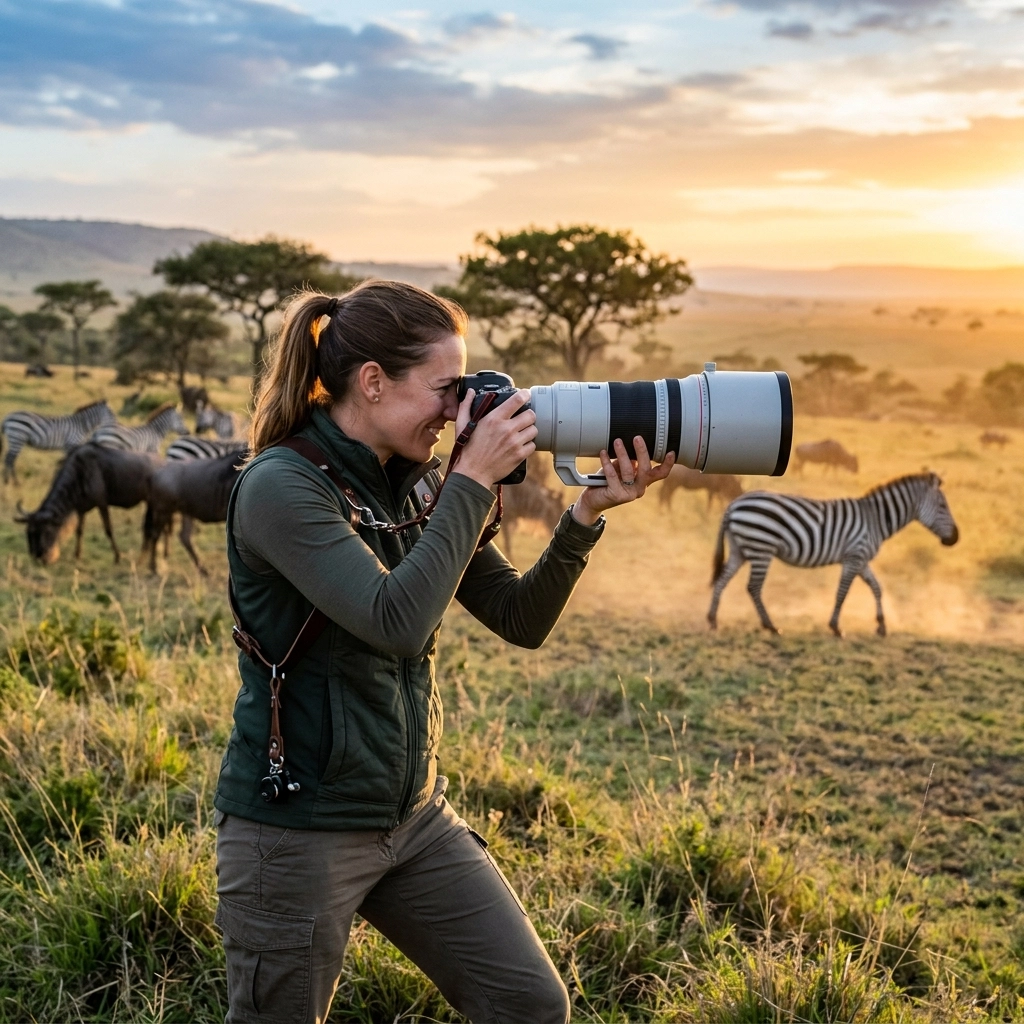
The Ultimate Guide to Animal Photography Stock: Everything You Need to Succeed with Visual Storytelling
Visual storytelling defines the modern conservation movement. At Zoo Imagery, we provide the digital media bridge between wildlife and the public. Quality photography isn't a luxury. It is a tool for survival. This guide breaks down the technical, creative, and ethical components of animal stock photography.
The Mission of Zoo Imagery
Zoo Imagery exists to simplify digital media for zoos, aquariums, and conservation groups. We curate professional-grade assets that tell a story. No fluff. No filler. Just high-impact visuals.
Our library grows daily. We recently reached a new milestone in our collection of birds and elephants. These aren't just photos. They are assets for education and ESG-aligned campaigns.
Essential Equipment: The Professional Kit
High-end results require specific tools. You don't need every gadget. You need the right ones.
The Camera Body
- Mirrorless Systems: The industry standard. Quiet shutters. Fast tracking.
- Top Picks: Sony A1, Canon EOS R5, Nikon Z9.
- Sensor Size: Full-frame for quality. APS-C for extra reach on a budget.
- Feature Needs: High burst rate (10+ fps). Robust weather sealing. Intelligent animal eye-autofocus.
Lenses: The Reach
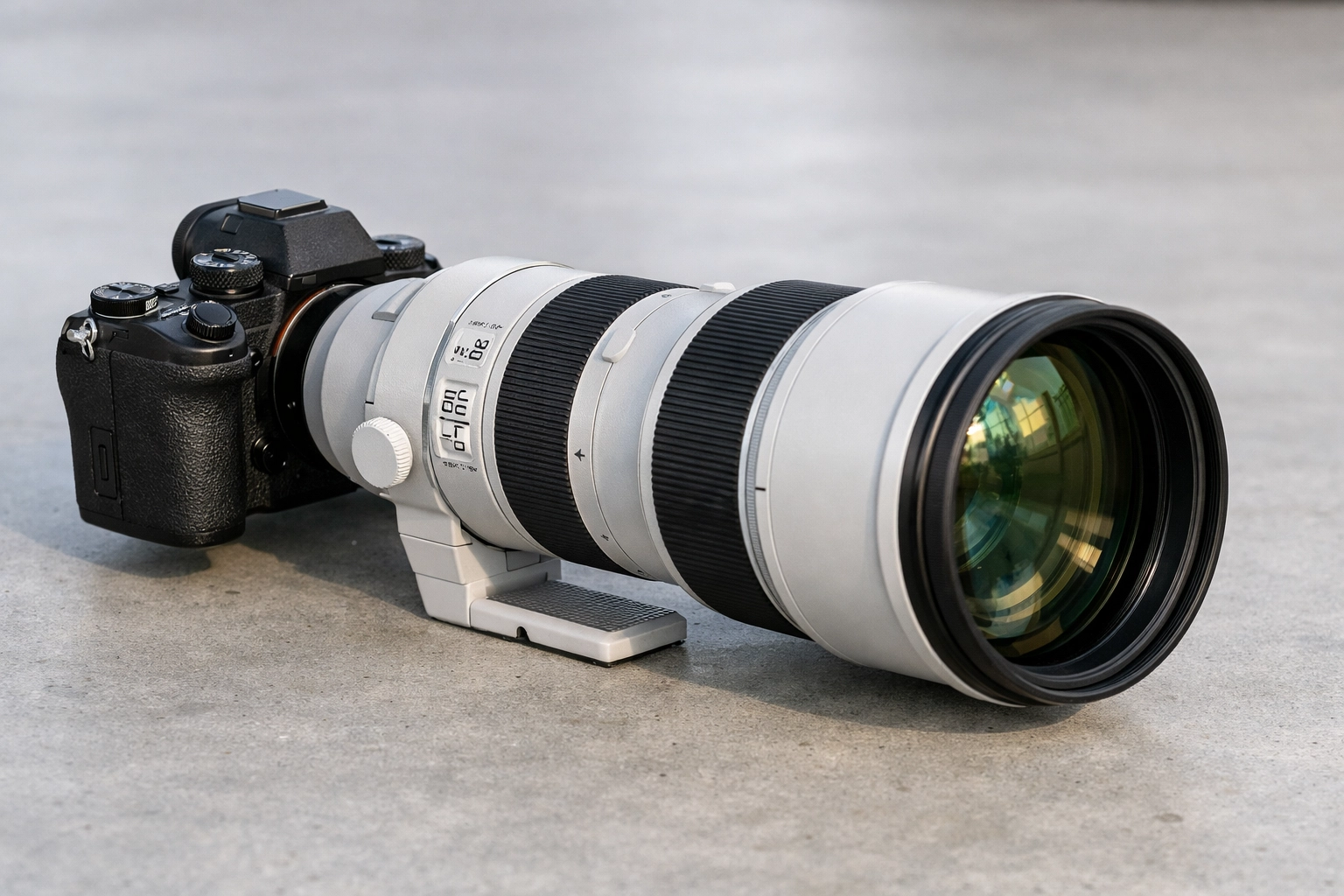
- 70-200mm f/2.8: Versatile. Great for large animals or environmental portraits.
- 100-400mm or 200-600mm: Essential for safety. Captures detail from a distance.
- Prime Lenses: 400mm f/2.8 or 600mm f/4. The peak of sharpness. Heavy but worth it.
Technical Settings for Sharp Results
Wildlife moves fast. Your settings must be faster.
Shutter Speed
- Large mammals: 1/500s or 1/800s.
- Birds in flight: 1/2000s minimum. 1/3200s preferred.
- Action shots: Higher is always safer.
Aperture (Depth of Field)
- f/2.8 – f/4: Creates "Hero" shots. Isolates the animal. Blurs busy backgrounds.
- f/8 – f/11: Use for groups. Keeps multiple subjects in focus.
ISO and Noise
- Modern sensors: ISO 1600 or 3200 is clean.
- Trade-off: A sharp, grainy photo is usable. A blurry, clean photo is trash.
- Post-processing: AI noise reduction is your best friend.
Species Spotlight: The African Elephant
Conservation storytelling often starts with the giants.
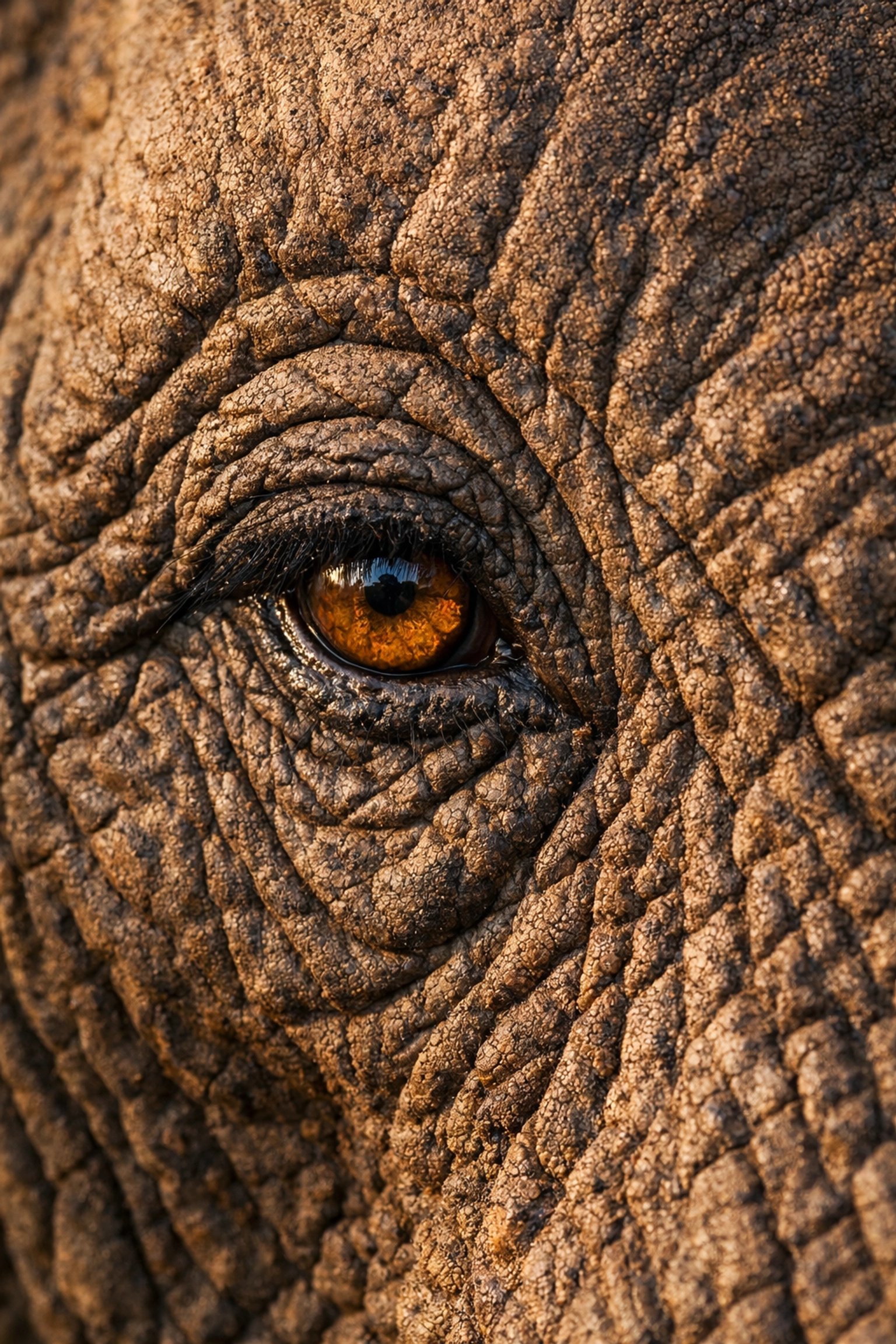
Elephants are highly intelligent. They show complex social behaviors. When shooting for stock, focus on the details:
- The texture of the trunk.
- The depth of the eye.
- The interaction between a calf and the herd.
These images support global conservation narratives. They humanize the species. They drive engagement for fundraising and awareness.
Composition Fundamentals
A photo of an animal is a snapshot. A portrait of an animal is a story.
Eye-Level Perspective
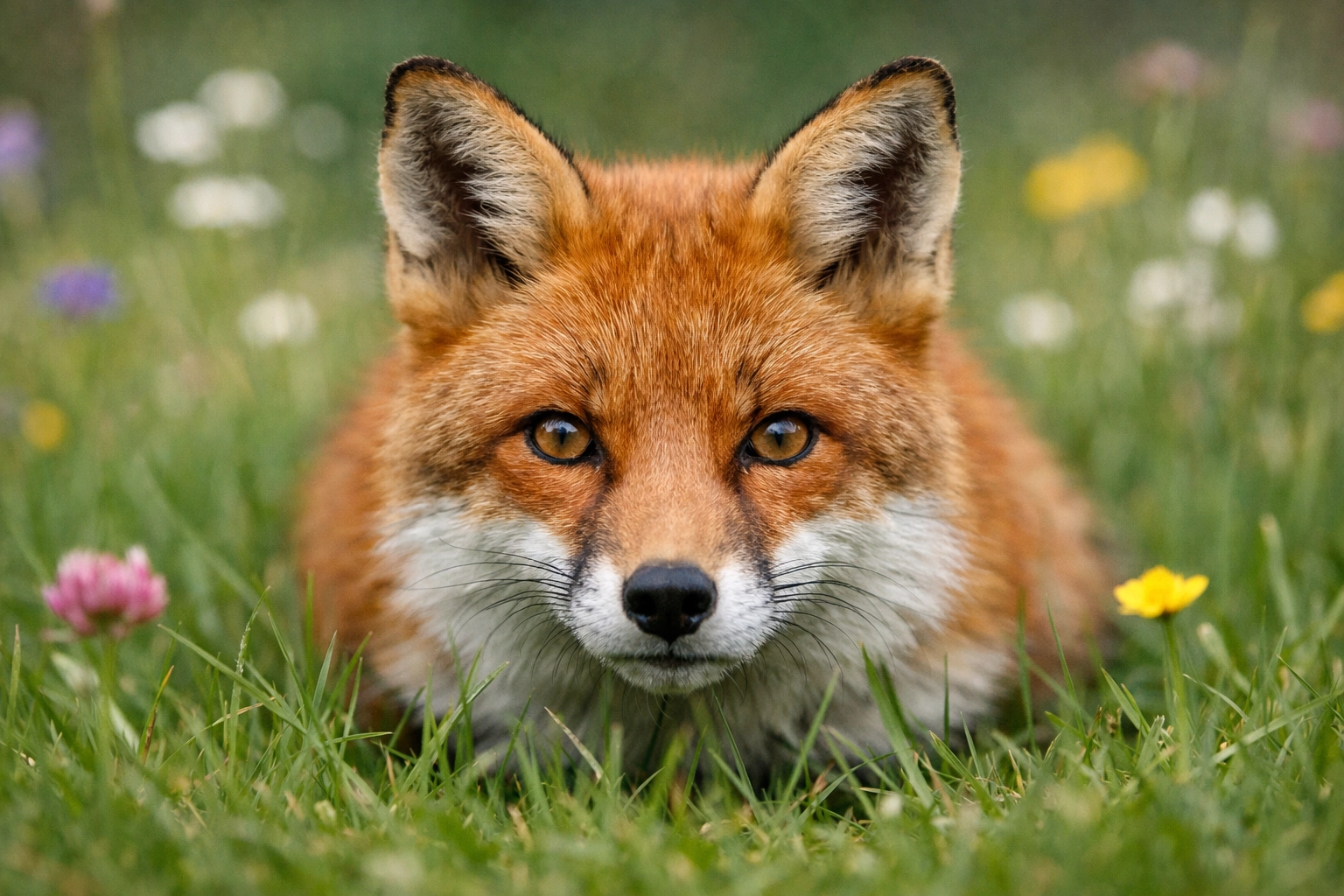
- The Rule: Get low.
- The Result: You enter their world. You aren't looking down on them.
- Connection: Eye-level shots create immediate empathy with the viewer.
The Rule of Thirds
- Placement: Place the animal's eye on the upper-third intersection.
- Leading Space: Give the animal "room to walk" into the frame. Don't crowd the edge.
Negative Space
- Commercial Use: Marketing teams need space for text.
- Design: Leave clean areas (sky, grass, water) on one side of the subject.
- Versatility: Photos with negative space are more valuable for stock use.
Building Your Portfolio: Start Locally
You don't need to fly to the Serengeti to be a professional wildlife photographer.
Zoo and Aquarium Photography
- Controlled Environments: Perfect for practicing technical skills.
- Species Access: Get close-ups of rare animals like polar bears or pandas.
- Staff Interaction: Documenting keepers and enrichment activities adds narrative value.
- Consistency: Zoos allow you to return often. You can master the light in specific exhibits.
Ethical Considerations
- Respect: Never stress the animal for a shot.
- Transparency: Clearly label shots taken in managed care versus the wild.
- Impact: Use your images to promote the conservation work these institutions perform.
Conservation Storytelling and ESG
Visuals are the language of Corporate Social Responsibility (CSR) and ESG. Companies want to align with conservation.
- Authenticity: Real photos of real animals. No AI-generated "nature."
- Education: Images that show natural behaviors help teach the public.
- Milestones: Celebrating species recovery or successful births through media.
At Zoo Imagery, we prioritize these stories. Our curated collections help organizations meet their reporting goals with high-quality media.
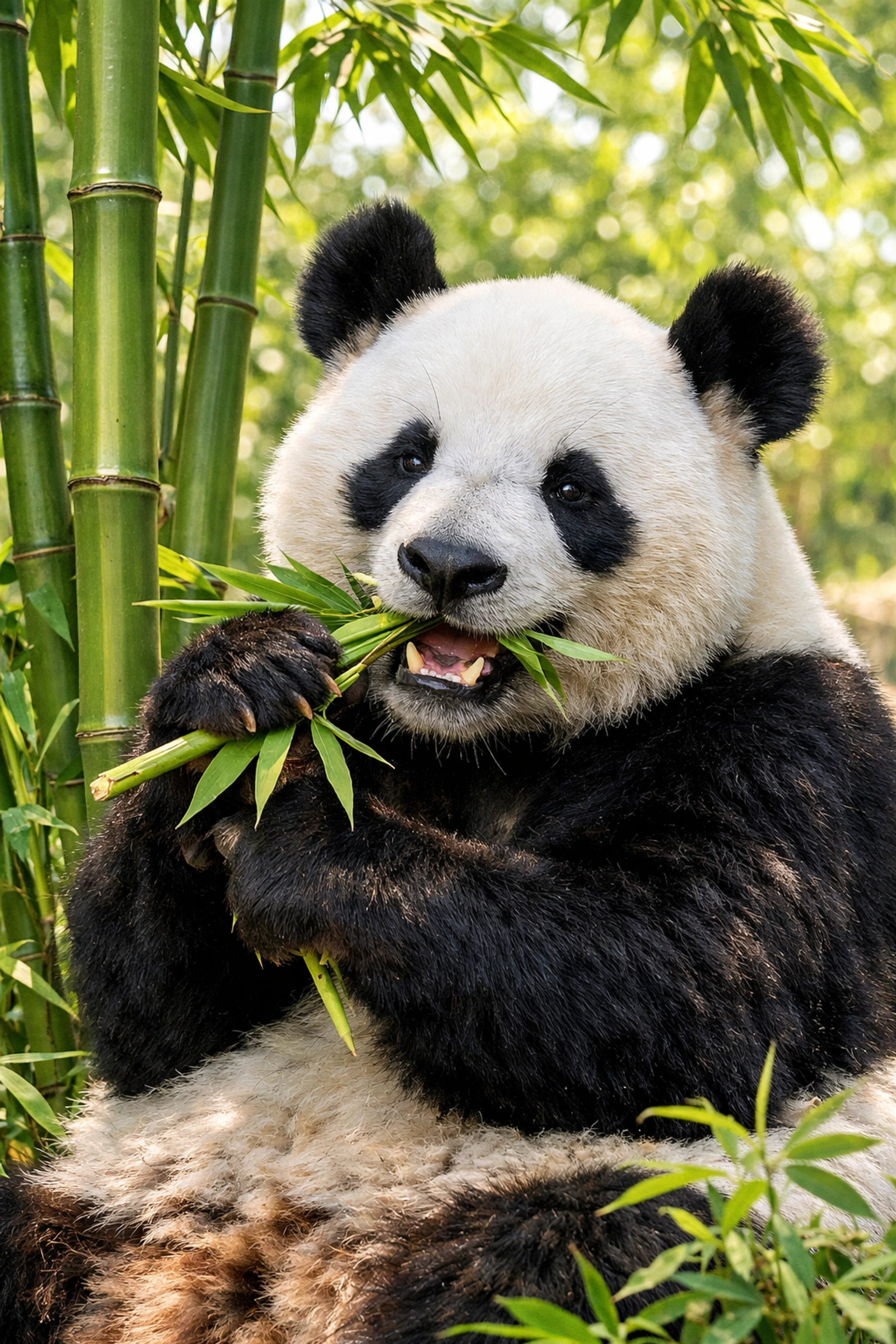
Capturing Variety for Market Success
Don't just take one shot. Take the sequence.
- The Wide Shot: The animal in its habitat. Shows the environment.
- The Medium Shot: The full body of the animal. Traditional stock.
- The Close-Up: Macro-level detail. Fur, eyes, scales, feathers.
- The Interaction: Two animals playing. A mother feeding. A keeper working.
A diverse portfolio increases your chances of being featured in sponsored species spotlights or major media campaigns.
Technical Requirements for Submission
When preparing files for a professional stock library:
- Format: Shoot RAW. Export high-quality JPEGs or TIFFs.
- Resolution: Minimum 300 DPI. High megapixel counts preferred for large prints.
- Editing: Keep it natural. Don't over-saturate. Don't over-sharpen.
- Metadata: Accurate tagging is critical. Use common names, scientific names, and behavioral keywords (e.g., "walking," "eating," "roaring").
The Future of Zoo Imagery
We are expanding. Our goal is to be the primary resource for every zoo and aquarium globally. We focus on the rare. We focus on the best.
Our recent updates to the hyenas and elephants listings show our commitment to covering a wide range of biodiversity. We aren't just selling images; we are documenting the beauty of the natural world to ensure its protection.
Simple Steps to Start
- Research: Understand your subject. Know their patterns.
- Gear Up: Use what you have, then upgrade lenses first.
- Practice: Visit your local zoo. Master the lighting.
- Contribute: Get your work into a library that matters.
Conclusion
Animal photography is a blend of patience and precision. It requires a deep respect for the subject and a sharp eye for detail. Whether you are documenting polar bears or local birds, your work has the power to change perspectives.
Zoo Imagery is here to amplify that power. We provide the platform. You provide the vision.
Ready to see the difference quality makes?
Visit zooimagery.com to explore our full library.
Connect with us on LinkedIn for company updates and conservation stories.
Zoo Imagery. Conservation through the lens.


