The Proven Framework for Sustainable Wildlife Marketing (Without the Buzzwords)
Marketing in the wildlife sector has a fluff problem.
"Saving the planet."
"Global impact."
"Conservation leaders."
These phrases are everywhere. They are also nowhere. They lack teeth. They lack specificity.
Today, visitors want the truth. They want to see the animal, the habitat, and the result. No slogans. Just reality.
This is the framework for marketing that lasts.
1. Build an Ethical Base
Marketing should not be a mask. It must be a mirror.
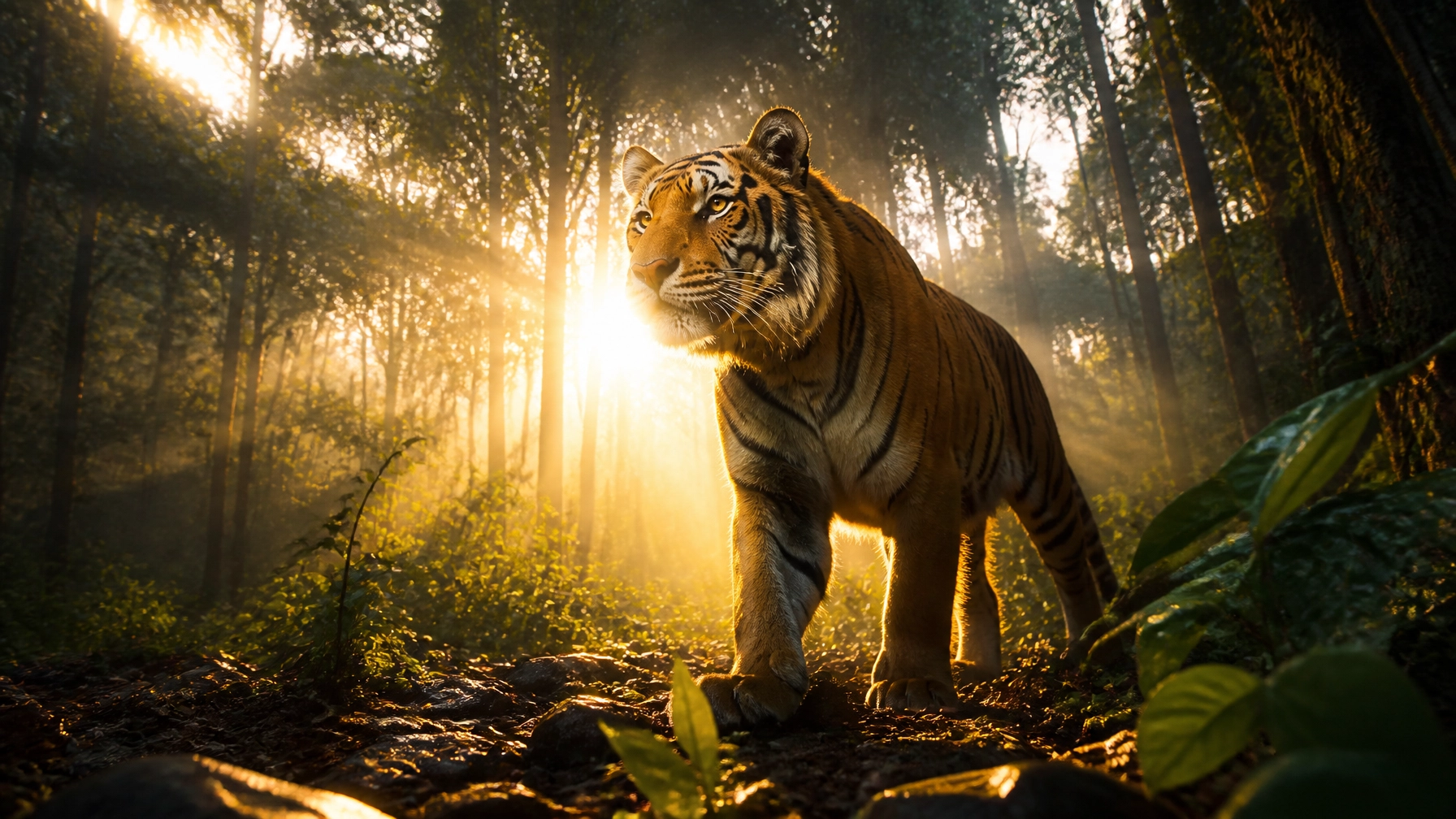
Before you post a photo of a wild tiger, you need an ethical foundation.
The Checklist:
- Define goals: Use plain language. "We support X project to protect Y species."
- Welfare first: If it’s not good for the animal, it’s not good for the brand.
- Transparency: Acknowledge the limits. Space. Climate. Costs.
- Consistency: The keeper’s daily reality should match the social media feed.
Do not promise what you cannot deliver. State the mission. Then show the work.
2. Audience Insight: Know the Motivation
Stop marketing to "everyone."
A family looking for a weekend outing has different needs than a corporate partner looking for ESG alignment.
Segment by Motivation:
- The Seekers: Families and school groups. They want wonder. Use vibrant, clear imagery of giraffes and birds.
- The Savvy: Conservationists and donors. They want data. Show them the milestones.
- The Locals: Repeat visitors. They want updates. Show them the new arrivals and habitat changes.
Match the language to the audience. Keep it simple for kids. Keep it detailed for professionals.

3. Honest Content (The "No-Hype" Rule)
Strip away the adjectives. Use the nouns.
Instead of saying "Our breathtaking elephant habitat," say "A 5-acre habitat with three natural watering holes."
Content Principles:
- Story > Slogan: Tell the story of a specific elephant rescue.
- Data > Hype: 5% of ticket sales. 200 trees planted. 12 animals rehabilitated.
- Education as Core: Explain the biology. Explain the threat. Show the solution.
- Specifics: Replace "supporting conservation" with "funding anti-poaching patrols in the Savannah."
High-quality photography is your best tool here. A portrait of a lion speaks more than a 500-word blog post on "majesty."
4. Experience Design: The Power of UGC
Marketing doesn't end at the gate. It begins there.
Sustainable marketing leverages the visitor's eye. This is where user-generated content (UGC) comes in.
The ZooMedia.us Solution:
Guests take thousands of photos. Usually, those photos sit on their phones.
Our app lets guests share these photos directly with you.
- Real-time engagement: See what visitors see.
- ROI tracking: Track the impact of specific exhibits.
- Authenticity: A visitor's photo of a polar bear is more trusted than a corporate brochure.
Let your guests tell the story. It saves you time. It builds trust.

5. Partnerships & Revenue
Revenue is not a dirty word. It is the fuel for conservation.
Be open about how you fund your work.
Revenue Transparency:
- Memberships: State exactly where the fee goes. "Your membership funds the panda breeding program."
- Adoptions: Give regular, factual updates on the adopted animal. No fluff. Just health reports.
- Corporate CSR: Invite partners to fund specific, measurable projects. Solar panels. Rainwater harvesting. Enrichment tools.
When the funding is clear, the support is stronger.
6. The Monitoring Loop
Marketing is not a one-way street. It is a conversation.
You must listen as much as you speak.
Metrics that Matter:
- Engagement: Not just "likes." Are people asking questions about welfare?
- Behavioral Change: Are visitors using less plastic on-site? Are they donating more to specific funds?
- Feedback: Use digital surveys and on-site forms. If visitors think an enclosure looks small, don't ignore it. Explain the design. Or fix it.

The Wildlife Marketing Checklist
Use this for every campaign.
- Purpose: Which specific conservation goal does this serve?
- Audience: Who is this for? What do they value?
- Message: What is the one factual story we are telling?
- Experience: How can the visitor participate? (UGC/App)
- Partners: Who is helping us fund this?
- Measurement: How will we know if we succeeded?
Why This Works
This framework avoids the "Greenwashing" trap.
It is professional. It is quiet. It is confident.
By focusing on high-quality animal imagery and real-world data, you build a brand that people believe in.
Marketing isn't about being the loudest in the room.
It’s about being the most honest.
Start Today
Sustainable marketing starts with better assets.
Explore our library of professional wildlife photography:
- Birds of the World
- The Great Cats
- Marine Life (Note: We have hyenas too.)
Save time. Save money. Build a brand that matters.
Connect with us:
Visit Zoo Imagery | Follow us on LinkedIn


