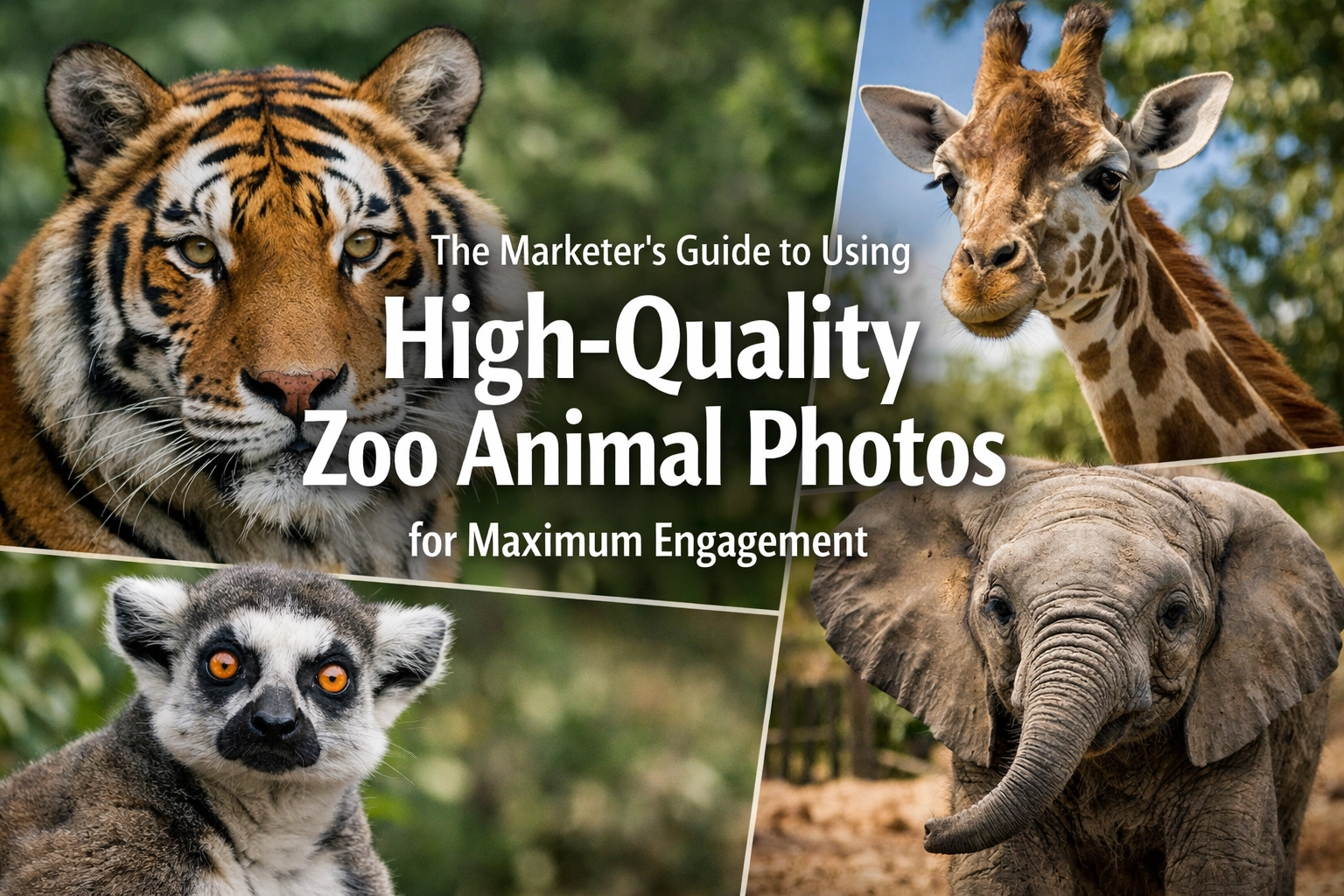
The Marketer’s Guide to Using High-Quality Zoo Animal Photos for Maximum Engagement
Visuals drive the modern web. In marketing, animal imagery is a universal language. It cuts through noise. It creates an instant emotional connection. But not all photos are equal. To win on social media and in digital campaigns, you need a strategy. This is how you use zoo photography to get results.

The Power of the Portrait
High-engagement starts with the eyes. Distance creates detachment. Close-ups create intimacy.
When choosing photos, look for:
- Tight crops on the face.
- Clear, sharp eye contact.
- Visible textures (fur, scales, feathers).
- Minimal background distraction.
Research shows species portraits perform significantly better than distant habitat shots. On a small mobile screen, the animal needs to be the hero. A tiger in the distance is just a orange blur. A tiger looking directly into the lens is a stop-the-scroll moment.
Movement and Enrichment
Static poses are common. Action shots are rare. Movement captures attention in a crowded feed.
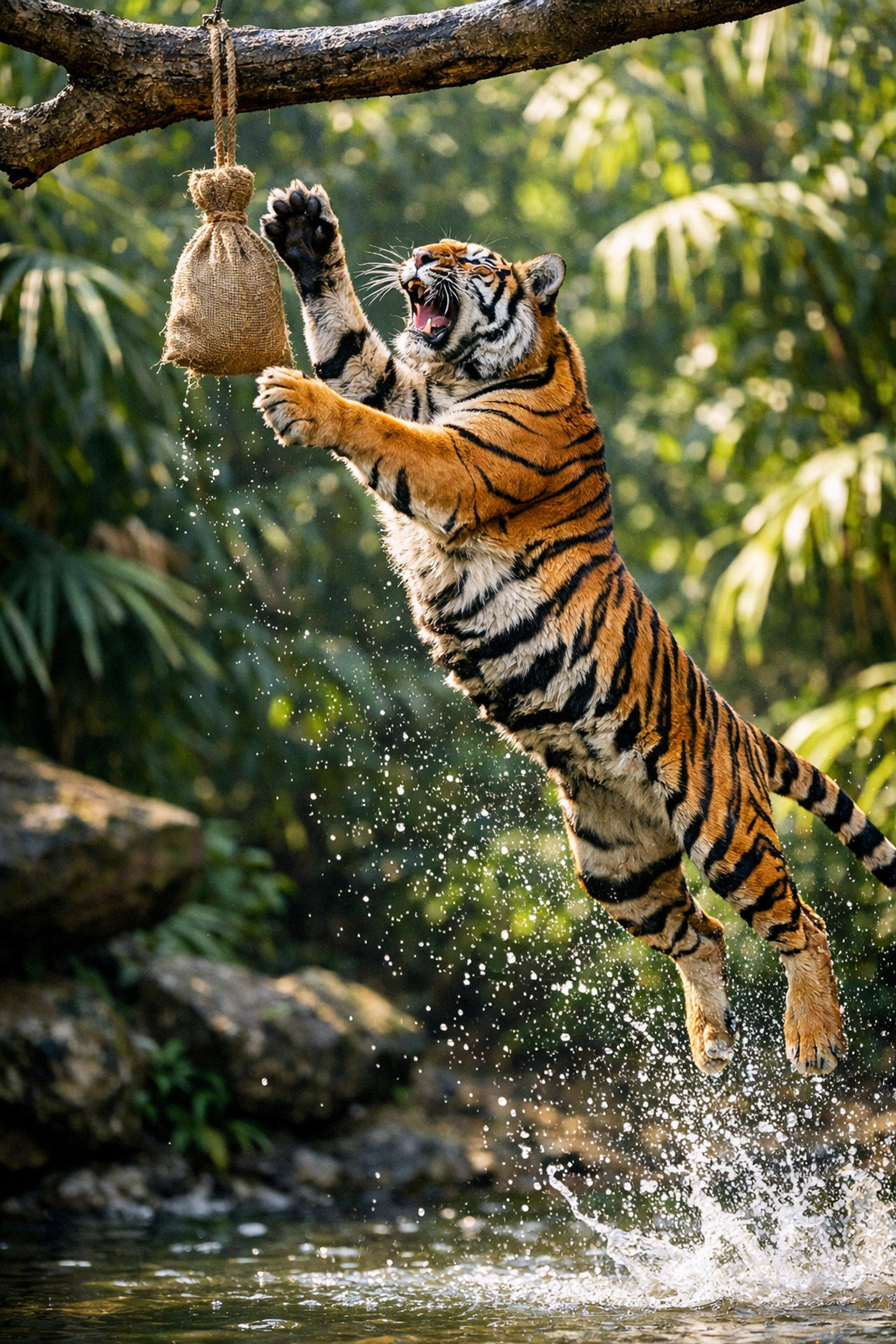
Focus on these moments:
- Play: Animals interacting with enrichment items like balls or ropes.
- Water: Splashing during a bath or swimming.
- Feeding: Natural behaviors during meal prep.
- Jumping: Physical displays of agility.
Action shots feel authentic. They show the animal's personality. This builds a deeper connection with your audience than a sleeping lion ever could.
The Narrative of Baby Animals
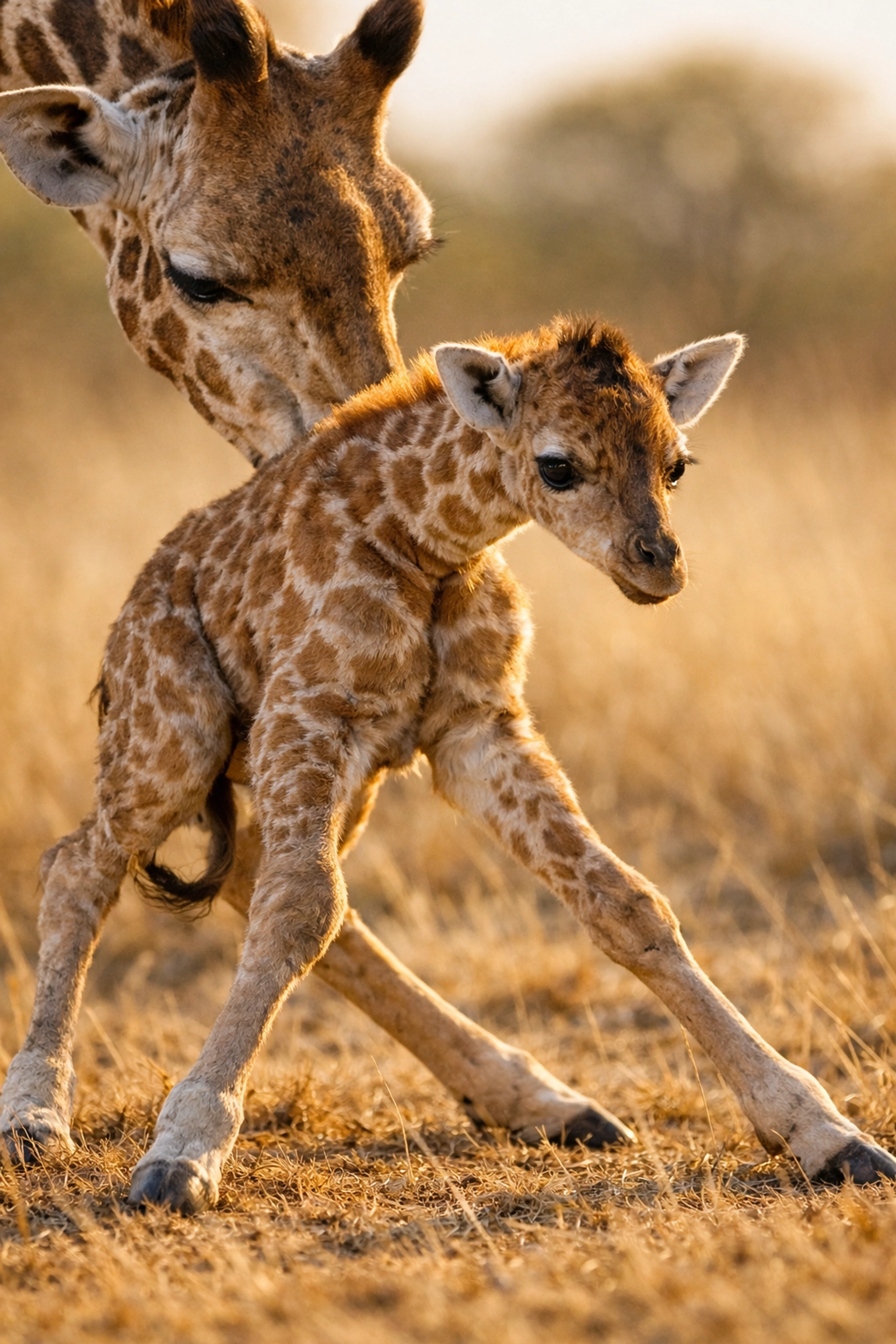
Nothing drives engagement like a milestone series. People love a journey.
Consider a series for:
- First steps: Capturing the initial movements of a newborn.
- First swims: The first time a cub or calf enters the water.
- Social interactions: Meeting other members of the group.
- Growth milestones: Monthly updates on size and development.
This creates a "sticky" audience. Users return to your profile or website to see what happens next. It turns a one-time viewer into a long-term follower.
Platform Strategy
Every platform has a different vibe. Your imagery should reflect that.
Focus on the aesthetic.
- Use high-resolution close-ups.
- Keep captions minimal.
- Use Stories for raw, unedited moments.
Focus on storytelling.
- Use carousel formats.
- Tell a story across 5-7 images.
- High interaction on "Behind the scenes" keeper content.
Focus on the mission.
- Use conservation-led imagery.
- Highlight "Presented by" partnerships.
- Focus on ESG (Environmental, Social, and Governance) impact.
Sponsored Species Spotlights
At Zoo Imagery, we believe in the power of the spotlight. A sponsored species spotlight allows a brand to align with a specific animal.
Why it works:
- Niche appeal: People have favorite animals.
- Educational context: Content provides value, not just a sales pitch.
- Brand alignment: Connect your brand values to animal traits (e.g., strength, speed, intelligence).
These spotlights feel less like an ad and more like a contribution to wildlife awareness. It is a soft-sell approach that builds massive brand equity.
The "Presented By" Strategy
Digital media is moving toward transparency and partnership. A "Presented by" animal page is a premium way to engage.
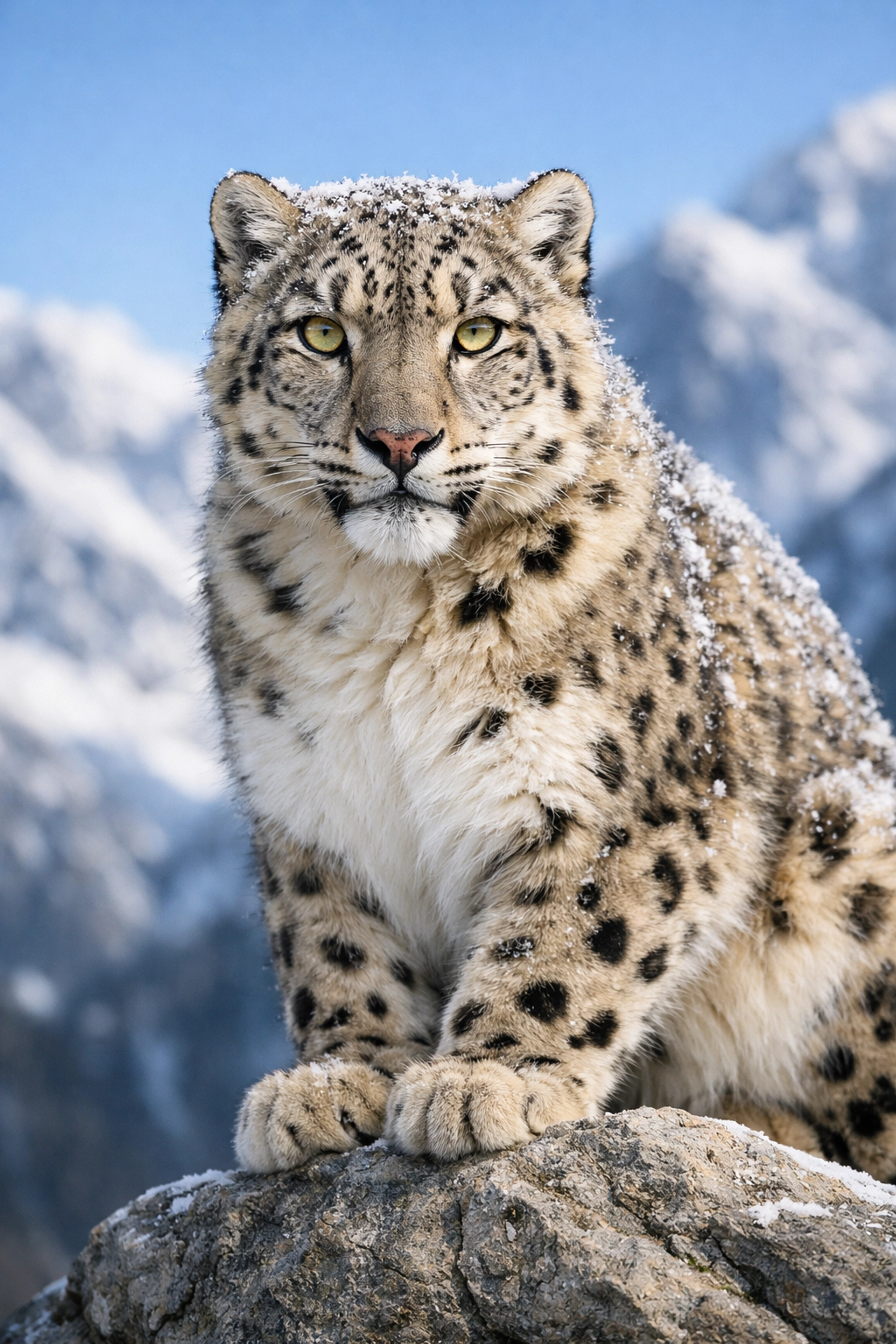
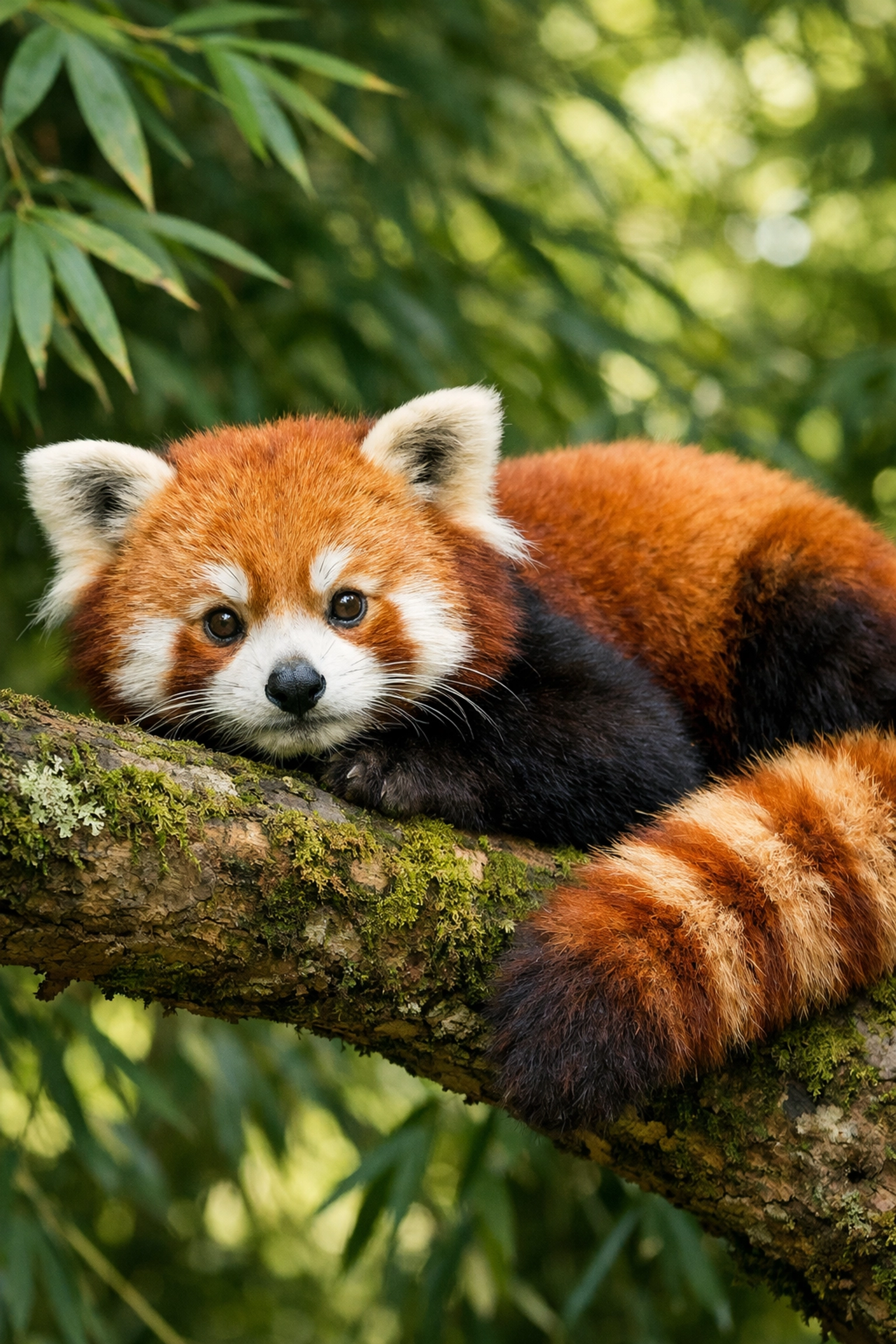
Imagine a dedicated page for a Red Panda or a Snow Leopard. The brand logo sits alongside high-quality, frequently updated imagery.
- Fresh angles: Monthly updates keep the page relevant.
- Exclusivity: The brand "owns" the digital space for that species.
- Utility: Useful for educational institutions and enthusiasts.
Visit our About Us page to see how we bridge the gap between photography and marketing.
Behind-the-Scenes Authenticity
Marketing often feels too polished. People crave the "real" story. Behind-the-scenes (BTS) photography humanizes the institution.
What to capture:
- Keepers preparing specialized diets.
- Veterinary check-ups and health care.
- Training sessions for medical behaviors.
- Enclosure maintenance and habitat design.
BTS content builds trust. It shows the care and effort required to look after these animals. It transforms the zoo from a destination into a living, breathing mission.
Rare Species and Conservation
Don't just stick to the "Big Five." Rare and unusual species often generate high engagement because they are unfamiliar.
- The Curiosity Factor: People stop to identify an animal they don't recognize.
- Education: Explain why the species is rare and what is being done to save it.
- Urgency: Connect the imagery to real-world conservation needs.
Rare species photography works exceptionally well for paid social campaigns. It stands out against the sea of domestic pets and common wildlife.
Implementation and Consistency
Great photography is only half the battle. You need a system.
- Build a Library: Organize your photos by species, season, and behavior.
- Tag Everything: Use keywords so you can find a "happy elephant" or a "running zebra" in seconds.
- Supplement with Stock: When the weather is bad or the animal is off-display, use high-quality stock from zooimagery.com.
- Stay Legal: Ensure you have the rights for commercial use. Our Terms explain how we handle usage.
Consistency matters more than frequency. One high-quality post a week is better than five mediocre ones. Quality imagery reflects the quality of your brand.
Use Cases for Marketers
How do you actually use these photos?
- Email Headers: A striking animal photo increases open rates.
- Blog Content: Break up text-heavy posts with visual relief.
- Digital Ads: High-contrast images perform better in A/B testing.
- Annual Reports: Use wildlife imagery to illustrate growth and sustainability.
If you are looking for more ideas, check out our FAQ or see How It Works.
Summary of Best Practices
- Focus on the eyes.
- Show action and behavior.
- Tell a story over time.
- Match the image to the platform.
- Use "Presented by" opportunities for deeper engagement.
- Be authentic with behind-the-scenes shots.
Marketing with animal imagery isn't just about pretty pictures. It's about psychology. It's about connection. When you use the right photo, you don't need a long sales pitch. The image does the work for you.
For professional stock imagery and partnership opportunities, visit zooimagery.com or follow us on LinkedIn. Let's tell your story through the lens of the wild.


