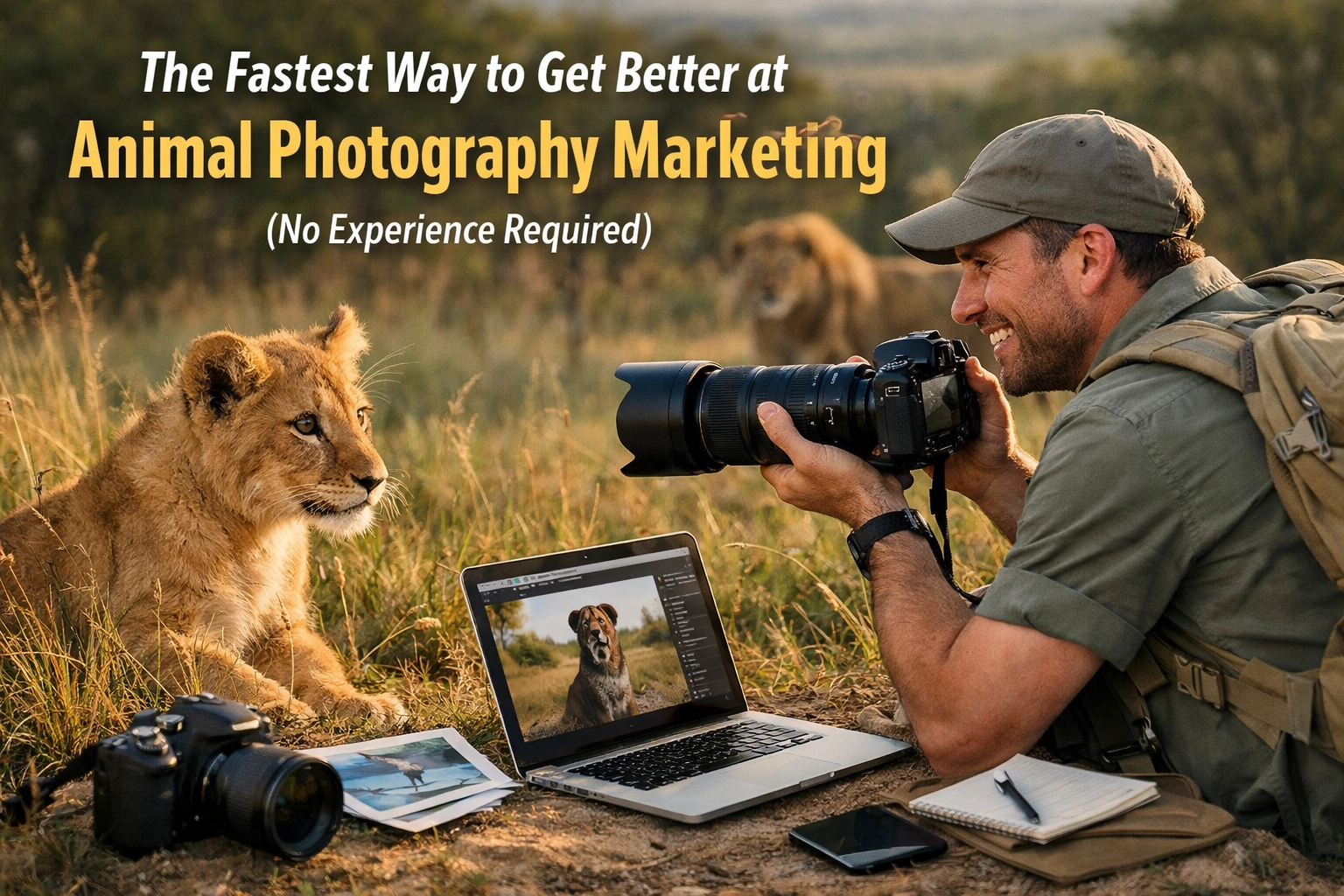
The Fastest Way to Get Better at Animal Photography Marketing (No Experience Required)
You don't need a marketing degree to get your animal photography seen.
Most photographers skip marketing entirely. They shoot incredible images of wildlife, zoo animals, and exotic species, then wonder why no one's engaging with their work.
The gap isn't your photography skills. It's visibility.
Good news: Animal photography marketing is simpler than you think. No expensive courses. No complicated strategies. Just a few practical steps that work.
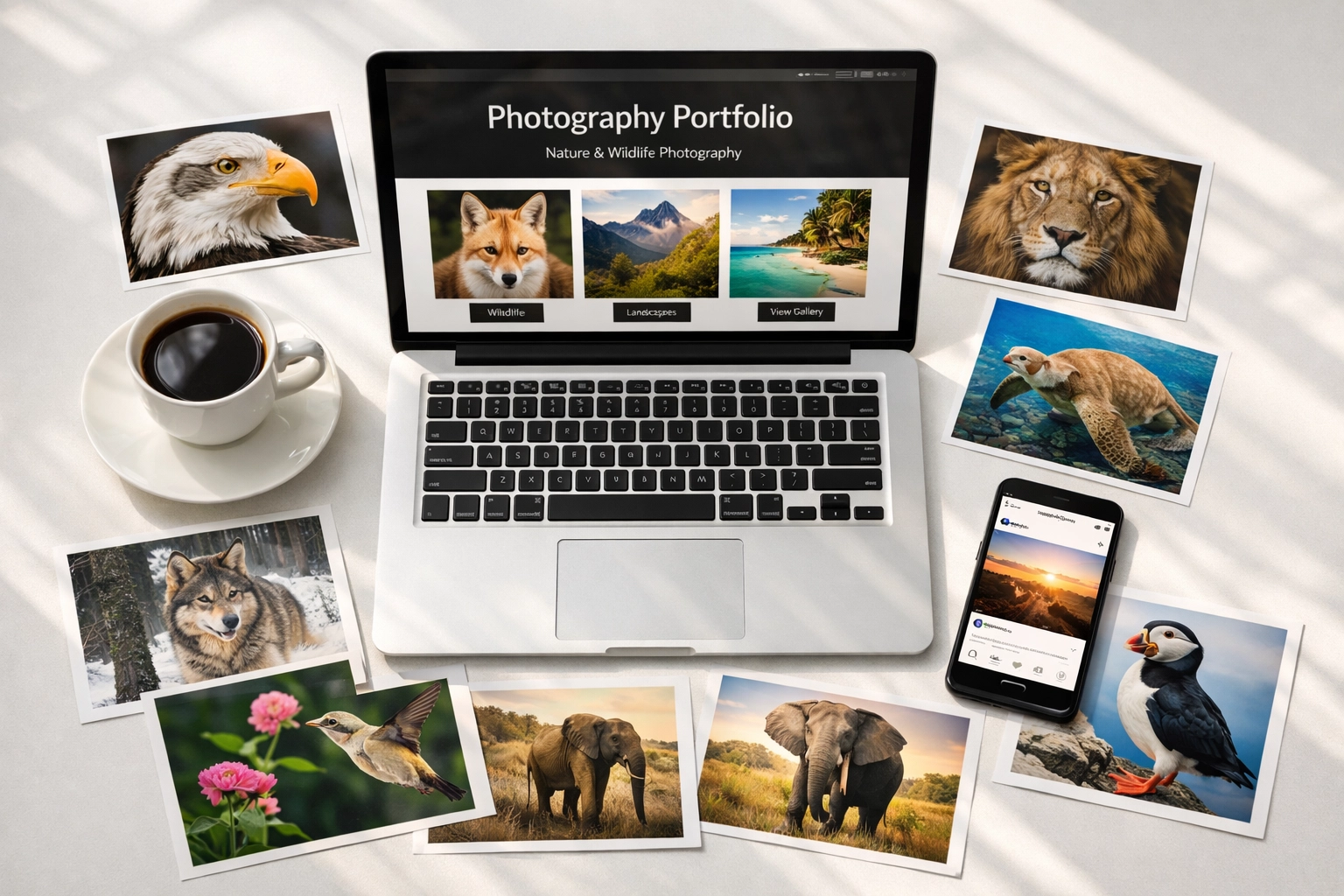
Start With Your Online Home
Your website is your storefront.
Not Instagram. Not Facebook. Your actual website.
When someone searches for animal photography or wants to learn about your work, they'll look for a website first. Social media comes second.
Your website should include:
- Portfolio of best work
- Clear description of what you offer
- Contact information
- Blog or updates section
Platforms like Wix, Squarespace, or WordPress make this easy. Choose a clean template. Add your photos. Done.
No coding required.
Use Social Media As Your Free Marketing Tool
Social media is where conversations happen.
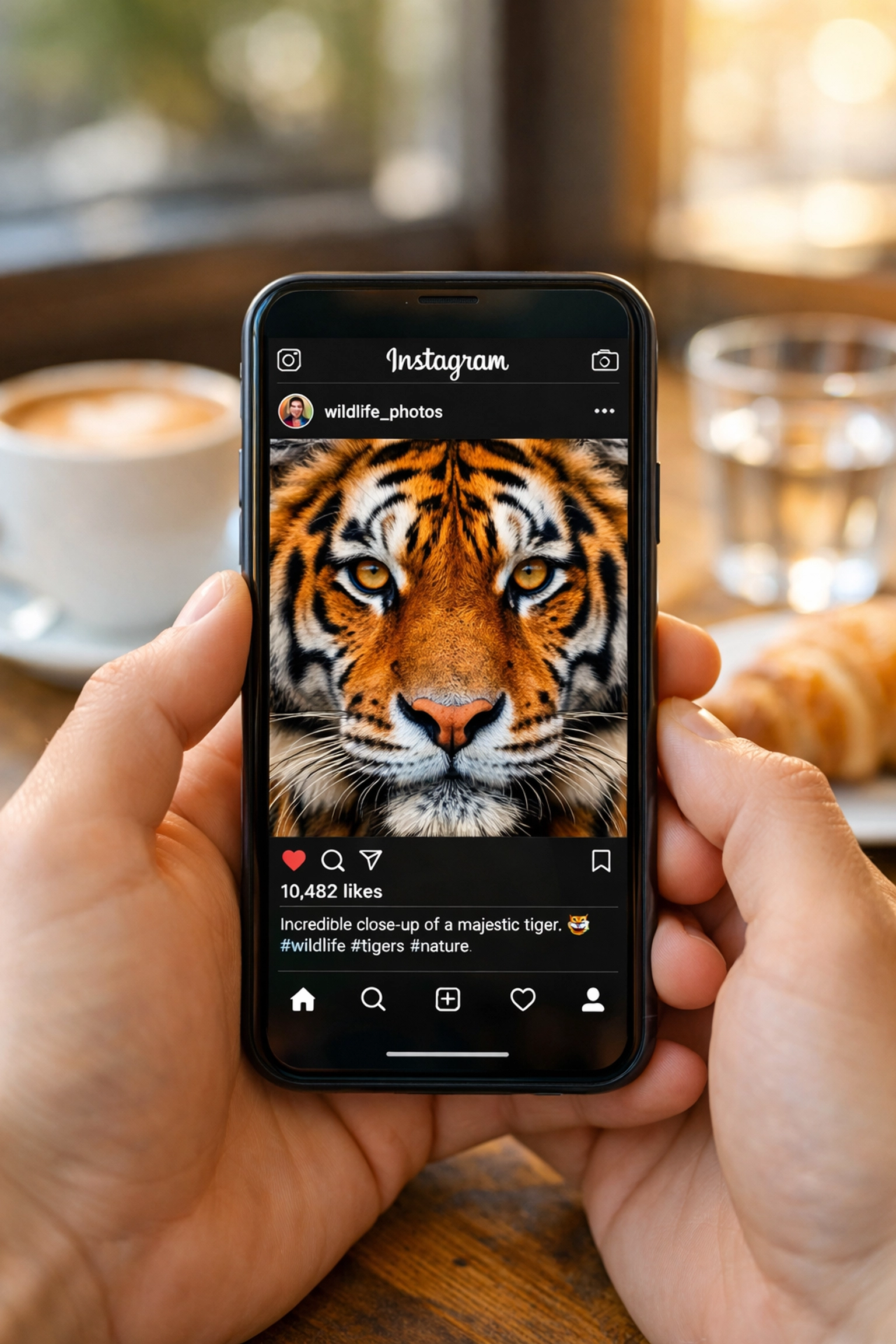
Facebook and YouTube consistently deliver the best reach for wildlife and animal photographers. Instagram works for visual portfolios. LinkedIn connects you with conservation organizations and zoos.
Pick one or two platforms. Post consistently.
What to post:
- Behind-the-scenes shots from photo sessions
- Stories about specific animals
- Tips for other photographers
- Conservation updates related to your work
Join relevant groups. Comment on others' posts. Answer questions. Build relationships, not just follower counts.
The photographers who succeed on social media aren't the ones posting daily. They're the ones engaging with their community regularly.
Create Marketing Materials Without Design Skills
You have photos. Now turn them into marketing materials.
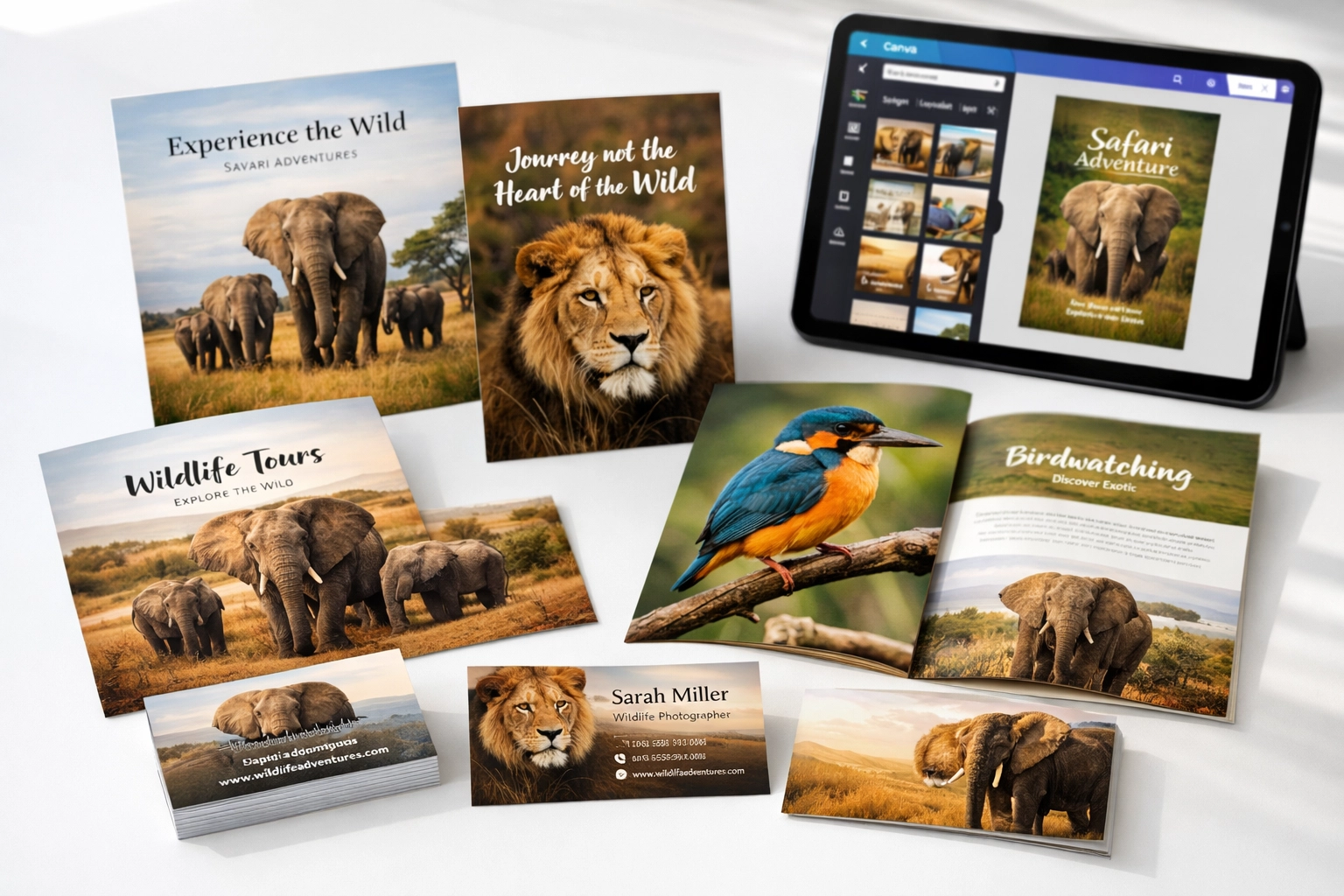
Use tools like Adobe Express or Canva. Both offer templates for:
- Business cards
- Flyers
- Social media graphics
- Email newsletters
- Promotional brochures
Choose a template. Drop in your photo. Add your text. Export.
Takes minutes, not hours.
Keep your design consistent. Same fonts. Same color palette. Same style across all materials.
This builds recognition. When someone sees your work, they'll know it's yours.
Show Your Work In Context
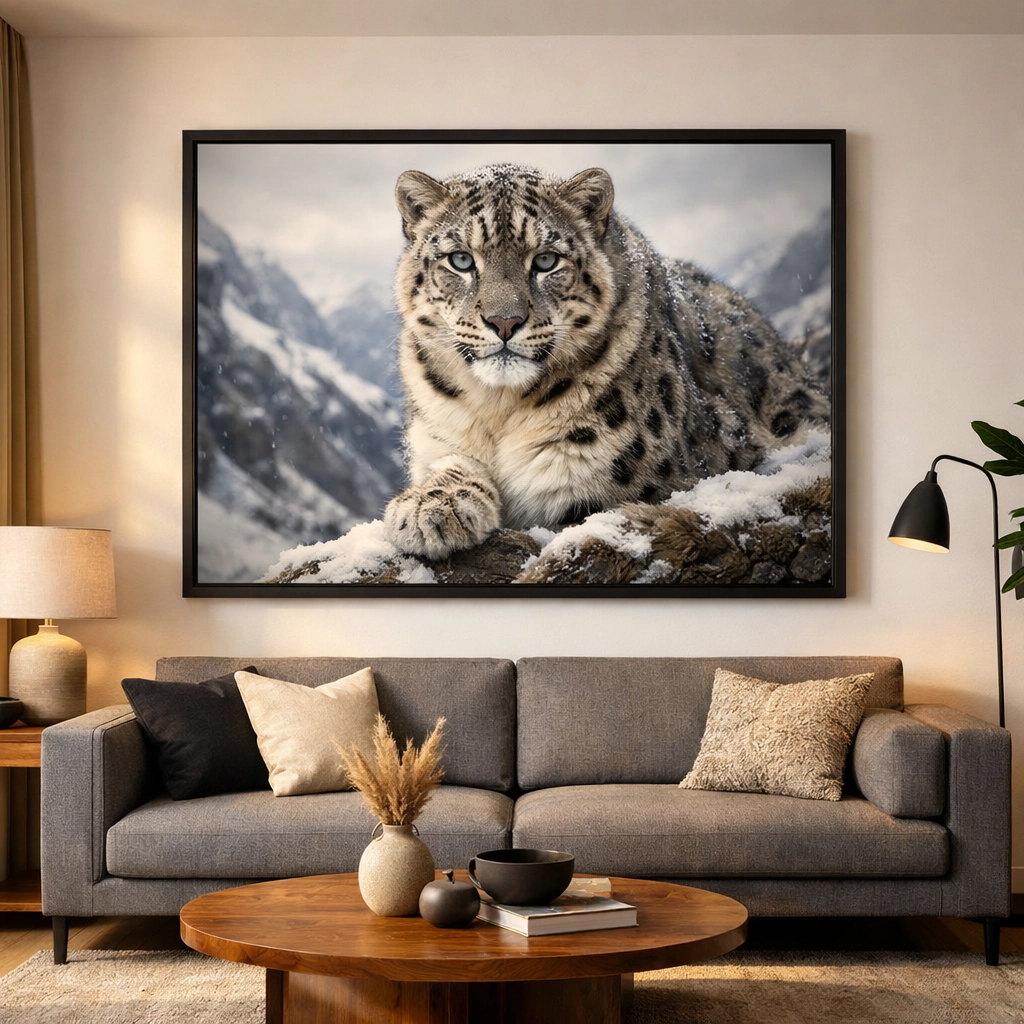
People struggle to visualize animal photography in their space.
Virtual room visualizations solve this.
Upload your photo to a free tool. Show how it looks on a wall, in an office, or in a home. This simple step helps potential buyers see the value.
Conservation organizations benefit from seeing how "Presented by" animal pages or sponsored species spotlights look in their materials. Zoos want to visualize how custom wildlife content appears in their campaigns.
Make it easy for them to say yes by showing them the end result.
Build Your Personal Brand
Your brand isn't just your logo.
It's how people perceive you. Are you the reliable professional? The conservation storyteller? The rare species specialist?
Decide on your positioning. Then stay consistent.
Your brand should reflect in:
- Website design and tone
- Social media voice
- Email communications
- How you describe your work
- Which projects you take on
If you focus on conservation storytelling, emphasize species protection and habitat preservation. If you specialize in zoo partnerships, highlight your experience working with animal care teams.
Consistency builds trust. Trust leads to opportunities.
Make Sharing Your Work Effortless
QR codes are underused in photography marketing.
Generate a free QR code that links to your website or portfolio. Print it on business cards. Include it in email signatures. Add it to promotional materials.
Someone sees your work at an event? They scan the code. Instant access to your full portfolio.
No typing URLs. No searching. Just scan and view.
This small tool removes friction from the discovery process.
Connect Marketing to Conservation Impact
Animal photography tells stories that matter.
Many zoos, aquariums, and conservation organizations seek photographers who understand their mission. They're not just looking for pretty pictures: they want visual content that supports conservation messaging.
Position your marketing around impact:
- How your images support species awareness
- Stories behind endangered animals you've photographed
- Partnerships with conservation initiatives
- Educational value of your work
This approach attracts clients who share your values. It also makes your marketing more meaningful than simple self-promotion.
Leverage "Presented By" Opportunities
Corporate sponsors increasingly support conservation through "Presented by" animal exhibits and species spotlights.
These partnerships need photography. High-quality images of featured animals. Content for social media. Visuals for signage and digital displays.
If you're marketing animal photography, highlight your ability to support these initiatives. Show examples of how your work enhances sponsored programs.
This positions you as more than a photographer: you become a partner in conservation storytelling.
Track What Works
Marketing without measurement is guessing.
Monitor basic metrics:
- Website traffic sources
- Social media engagement rates
- Which posts generate inquiries
- Where clients find you
Use free tools like Google Analytics for your website. Check native analytics on social platforms.
Double down on what works. Cut what doesn't.
Start Today, Not Tomorrow
The fastest way to get better at animal photography marketing is to start.
Pick one action from this post. Build your website. Post on social media. Create one marketing piece. Generate a QR code.
Marketing improves through practice, not planning.
Every photographer who markets successfully started with zero experience. They learned by doing. Made mistakes. Adjusted. Improved.
You can do the same.
Ready to elevate your animal photography marketing? Check out Zoo Imagery for stock photography, conservation storytelling resources, and "Presented by" opportunities. Connect with us on LinkedIn to stay updated on animal photography trends and partnership opportunities.


