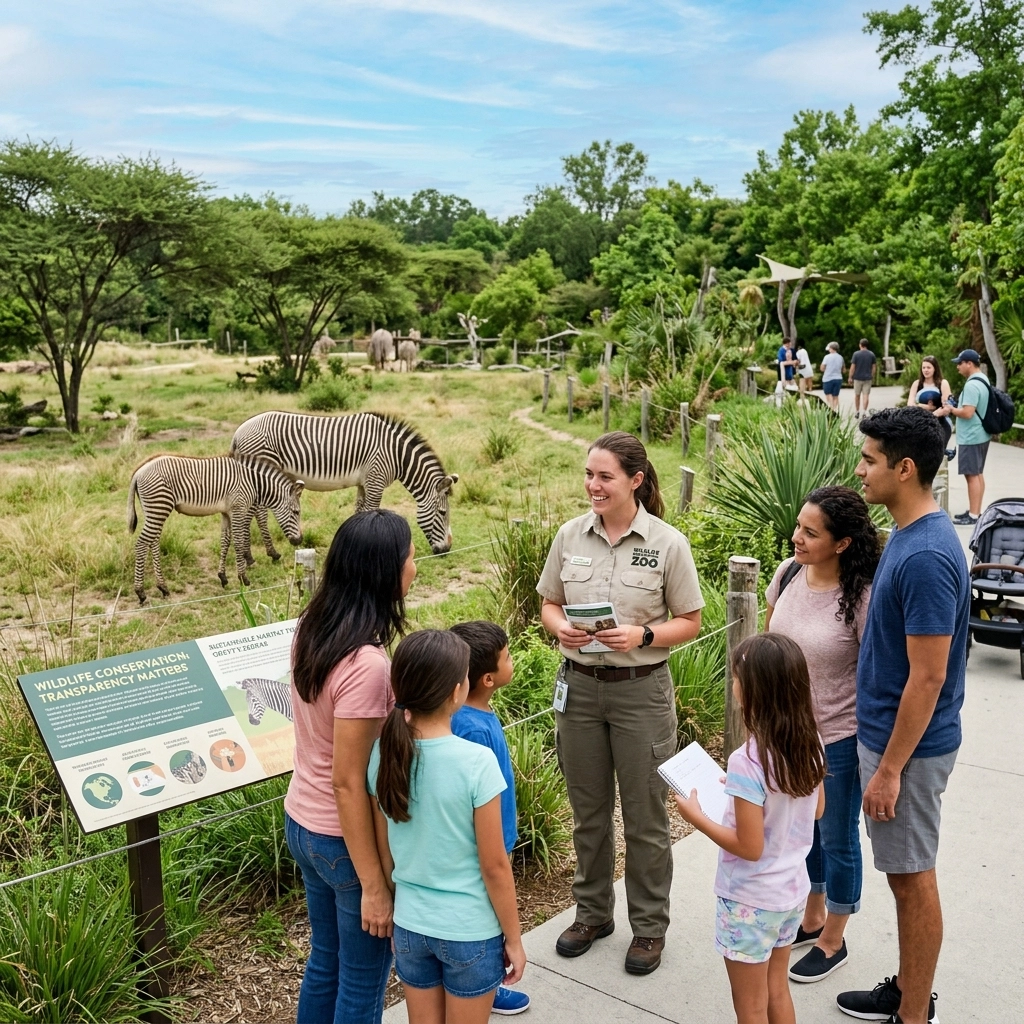
Sustainable Wildlife Marketing Matters: Why Transparency Beats Buzzwords for Modern Zoos
The modern zoo visitor is different. They are informed. They are skeptical. They value proof over promises.
In the past, marketing was about "best," "first," and "most." Today, it is about "how" and "why." The shift from traditional advertising to transparent, ESG-aligned communication is not a trend. It is a requirement for survival in the digital media landscape.
Buzzwords like "eco-friendly" or "sustainable" are no longer enough. In many cases, they do more harm than good. They create a trust gap. When every organization claims to be "green," the word loses all value.
At Zoo Imagery, we focus on the visual side of this truth. We provide the assets that tell the real story.
The Buzzword Fatigue
Marketing teams often lean on adjectives. They use words that sound responsible but lack substance.
Common offenders:
- Sustainable
- Eco-conscious
- Green
- Nature-positive
- Earth-friendly
These terms are vague. They are difficult to measure. When a visitor sees "sustainable" on a brochure, they don't see a commitment. They see a marketing tactic.
Research shows that consumers are overwhelmed by these claims. They cannot distinguish genuine conservation efforts from superficial branding. This confusion leads to apathy. Or worse, it leads to accusations of greenwashing.
Transparency is the antidote.
ESG: Environmental, Social, and Governance
Modern marketing for zoos and aquariums must align with ESG principles. This isn't just for corporate reports. It is for the public.
Environmental
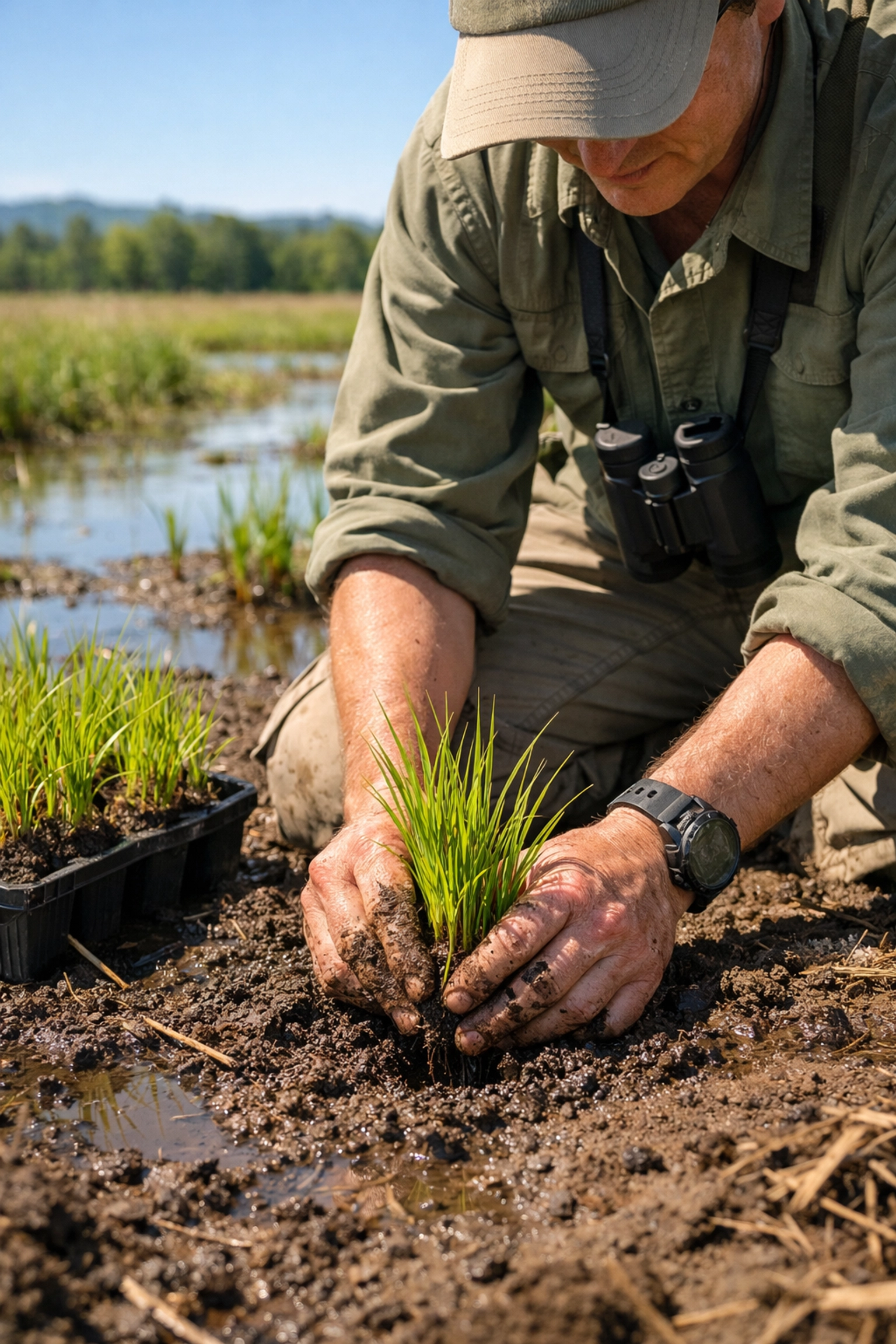
This is the obvious pillar. It covers habitat restoration, carbon footprints, and species survival. Don’t just say you help elephants. Show the data. State the number of acres protected. Name the partner organizations in the field. Use authentic imagery of the work being done.
Social
Zoos are community hubs. This pillar focuses on education, accessibility, and local impact. How many students attended your programs last year? How are you making the park accessible to underrepresented groups? Social transparency builds local loyalty.
Governance
This is about how the zoo is run. Ethical sourcing, board diversity, and financial clarity. People want to know that their ticket price supports the mission, not just the overhead.

The Power of Specificity
Specificity is the enemy of greenwashing. It builds immediate credibility.
Compare these two approaches:
Approach A (Buzzword heavy):
"We are committed to a sustainable future for all birds. Our green initiatives ensure a nature-positive impact on the environment."
Approach B (Transparent):
"In 2025, we restored 50 acres of wetlands for migratory birds. We reduced our single-use plastic consumption by 40% in our gift shops. Our goal is 100% elimination by 2027."
Approach B gives the visitor something to hold onto. It provides a benchmark. It invites the visitor to be part of a measurable journey.
Visual Transparency
Photography plays a massive role in building trust.
Stock photography that looks "too perfect" can feel dishonest. Over-saturated, staged shots of animals don't reflect the reality of conservation.
Modern audiences respond to:
- Behind-the-scenes content
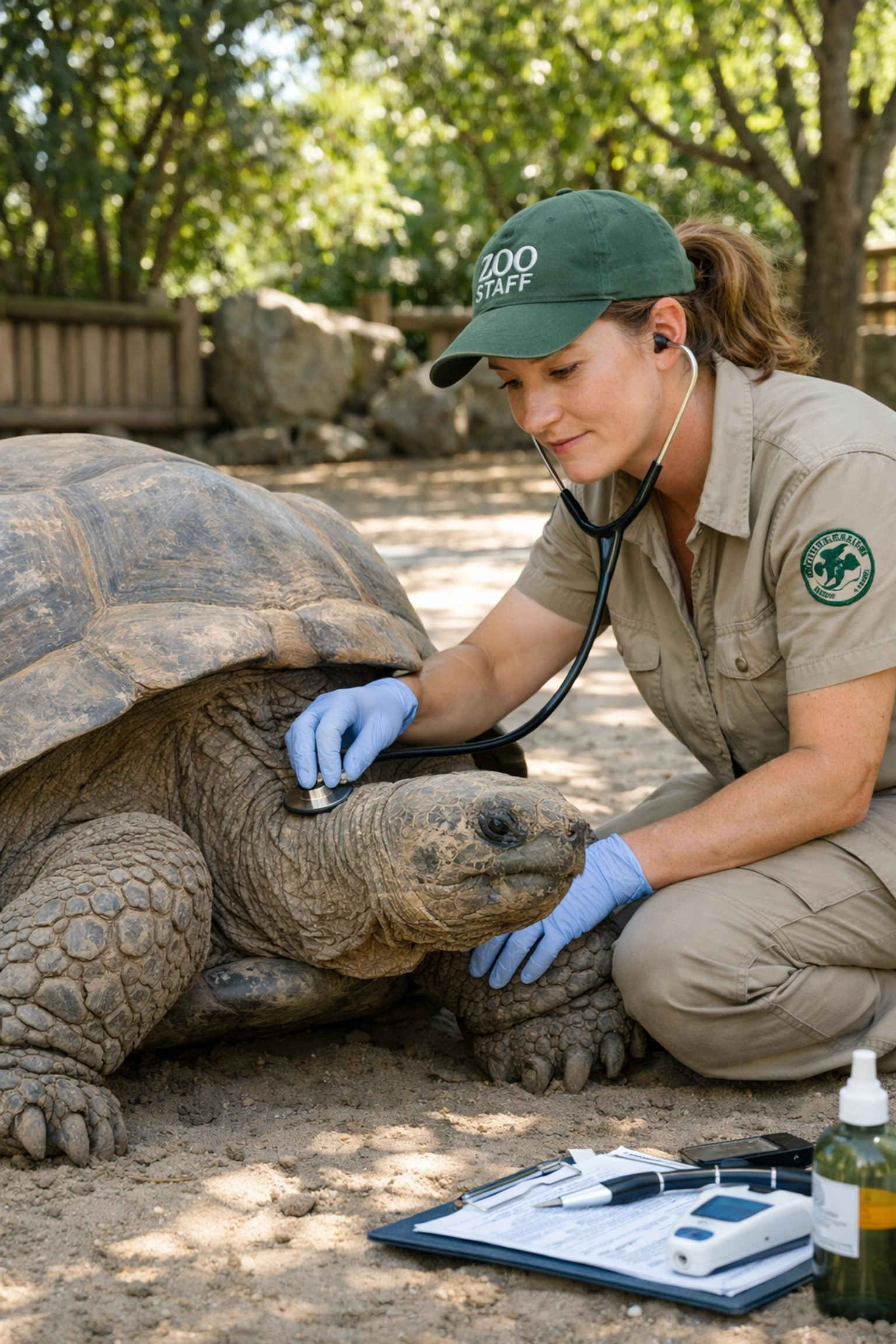
- Veterinary care in action
- Field research photos
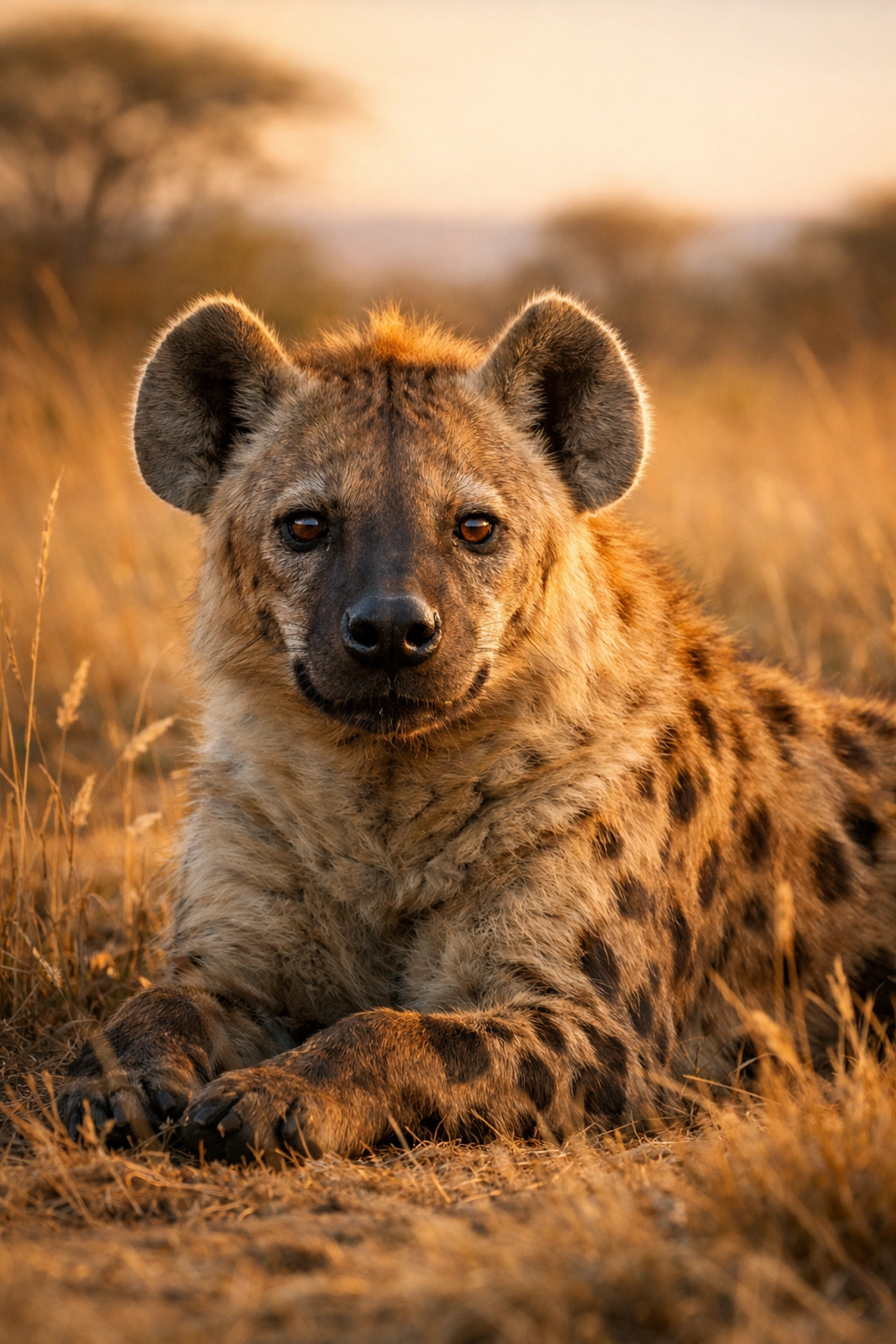
- Honest, unposed animal portraits
When you show a polar bear or a group of hyenas, the image should feel real. It should capture the personality and the environment accurately.
At Zoo Imagery, we believe in providing high-quality digital media that represents the actual animal. Not a caricature of it.
Why Transparency Wins
- Retention: Visitors who trust an institution return more often. They become members.
- Crisis Management: If something goes wrong, a transparent organization has a "trust bank" to draw from.
- Donor Confidence: Major donors look for ESG alignment. They want to see where their capital is going.
- Employee Morale: Staff want to work for an organization that is honest about its impact.
Moving Beyond "Green"
If you want to improve your marketing, audit your current content. Look for words that don't have a number attached to them.
If you say you are "helping" a species, define "helping."
- Are you funding a ranger?
- Are you breeding for release?
- Are you educating 10,000 people a week?
If you can't define it, don't claim it.
The Marketing Insight for Zoos
The most successful campaigns of 2026 are not the flashiest. They are the most honest.
We are seeing a trend toward "Species Spotlights" that focus on the less "cuddly" animals. Animals like hyenas have fascinating social structures and vital roles in their ecosystems. Marketing these animals with transparency helps visitors understand the complexity of nature. It moves the conversation away from "cute" and toward "essential."
Every animal in your care is an opportunity for an ESG-aligned story.
How to Implement Transparent Marketing
- Data First: Talk to your conservation team before your creative team. Get the facts.
- Visual Audit: Replace generic stock photos with specific, high-quality imagery that matches your message.
- Admit the Struggle: Conservation is hard. It’s okay to talk about the challenges. It makes the wins feel more significant.
- Third-Party Verification: Use certifications (like AZA or WAZA) as part of the story, not the whole story.
- Simplify the Message: Avoid jargon. If you can’t explain a project to a ten-year-old, you don’t understand it well enough yet.
Authenticity is the New Standard
The era of "marketing-speak" is ending. We are entering the era of "proof-speak."
Zoos and aquariums have the world's best stories to tell. You don't need buzzwords to make them interesting. You just need to tell the truth.
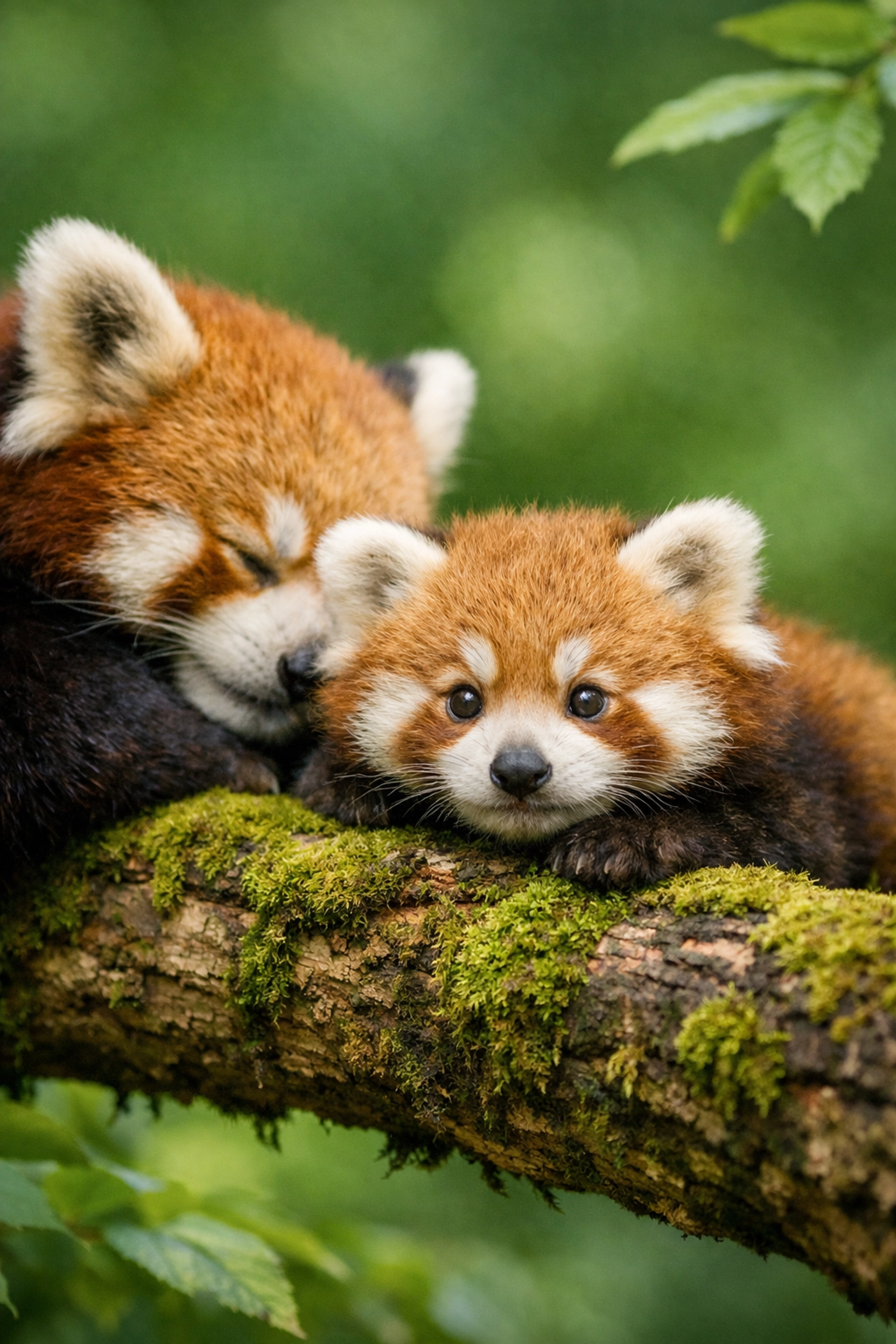
Highlight the pandas. Show the work. Share the numbers.
Quality over Quantity
It is better to have one deep, transparent story than ten superficial posts.
Focus on the rare moments. The specific breakthroughs. The individual animals. This is how you build a brand that lasts. This is how you move from being a "place to see animals" to a "leader in conservation."
Zoo Imagery is here to help you find those visuals. Our library is built for professionals who value quality and authenticity.
Simple messaging. Real impact. Clear results.
Contact and Follow
Building a transparent brand is a long-term play. It requires consistency and a commitment to honest storytelling.
If you need high-quality, professional imagery to support your conservation stories, visit us.
Learn more at: zooimagery.com
Follow our updates on LinkedIn
Join us in moving past the buzzwords. Let's show the world what real conservation looks like.


