Sustainable Wildlife Marketing Matters: Why Real Zoo Animal Photos Drive Better Results
Generic imagery is failing.
Audiences are tired of polished, soulless stock photos. They want truth. They want a connection to the living world. For zoos and aquariums, this shift is critical. Marketing is no longer just about filling gates. It is about proving impact.
Authenticity drives results. Real photos of real animals in real care produce measurable engagement.
The End of Decoration
Marketing used to be decorative. A pretty picture of a lion was enough.
Not anymore.
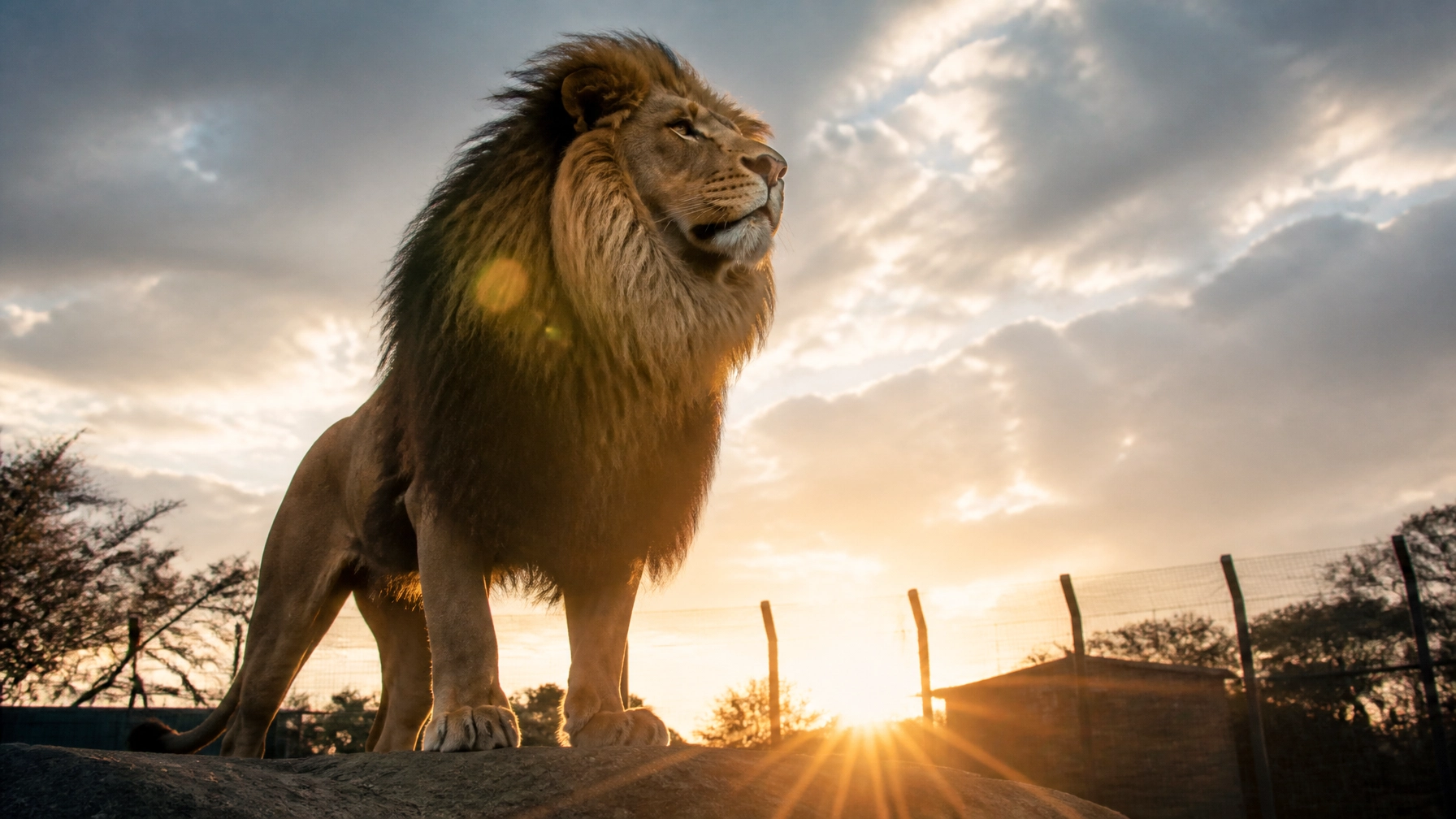
Today, photography is evidence. It is the visual proof of a zoo’s mission. When a guest sees a high-resolution image of a Lion in a naturalistic habitat, they aren't just looking at a predator. They are looking at conservation in action.
Why stock photography fails:
- Disconnected: It doesn't represent your specific animals or environment.
- Uncanny: Over-processed images feel "fake" to modern users.
- Trust-eroding: Using generic photos can make a facility feel detached from its inhabitants.
Why real photography wins:
- Transparency: Shows exactly how animals are cared for.
- Empathy: Captures unique personalities and micro-expressions.
- Credibility: Aligns the marketing message with the reality of the facility.
The Science of Emotional Connection
Empathy is the engine of conservation.
Research shows that close, authentic images of animals create a sense of kinship. This isn't about "cute" photos. It is about raw, documentary-style captures.

A Polar Bear looking directly into a lens creates a moment of human-animal connection. This connection motivates people. It drives donations. It encourages repeat visits.
The data on authentic imagery:
- Higher engagement: Posts with realistic wildlife photography outperform text-only posts by significant margins.
- Vividness effect: High-quality, natural lighting increases positive attitudes toward the species.
- Retention: People remember a story told through a real animal's eyes longer than a generic graphic.
Environmental Stewardship Without the Fluff
Transparency matters.
Organizations are increasingly judged on their environmental and social impact. In the zoo world, this means showing: not just telling: how you protect biodiversity.
Photography provides the "proof of work."
Environmental impact:
- Visual documentation of habitat restoration.
- Photos of successful breeding programs for endangered species.
- Evidence of species recovery and rehabilitation.
Social impact:
- Images of community education programs.
- Capturing diverse groups of visitors learning about wildlife.
- Highlighting the social value of biodiversity.
Ethical Governance:
- Showcasing welfare-focused facilities.
- Transparent reporting through visual assets.
- Maintaining integrity by avoiding misleading "wild" portrayals of captive animals.
The Power of the Guest Perspective
Your visitors are your best marketers.
They take thousands of photos every day. This user-generated content (UGC) is the most trusted form of media. It is authentic by default.

At Zoo Imagery, we believe in bridging the gap between professional assets and guest experiences. Our ZooMedia.us phone app is designed for this purpose.
ZooMedia.us Features:
- Easy Sharing: Guests share their own photos effortlessly.
- Picture Marketing: Turn guest snapshots into marketing assets.
- Real-Time Engagement: Track how visitors interact with your animals.
- ROI Tracking: Measure the direct impact of user content on your reach.
This isn't just about collecting photos. It is about creating a community of advocates. When a guest shares a photo of a Giraffe, they are endorsing your mission to their entire social circle.
Strategic Species Spotlights
Not all animals are marketed the same way. Different species evoke different emotions.
The Majesty of the Big Cat
Wild Tigers represent power and grace. They are the face of habitat protection. A high-quality photo of a tiger prowling through a lush environment communicates the need for space and protection.

The Gentle Giants
Elephants evoke family and protection. Images of a family unit walking together resonate on a social level. They remind us of the intelligence and social complexity of the animal kingdom.

The Global Icons
Pandas are symbols of international cooperation. Their presence in a marketing campaign signals a global commitment to species survival.
The Underdogs
Even often-misunderstood animals like Hyenas benefit from authentic photography. High-resolution imagery can rebrand these animals, showing their complex social structures and unique beauty.
Quality Over Quantity
Marketing departments are often overwhelmed. The pressure to post daily leads to "filler" content.
This is a mistake.
A single, stunning, professional animal photograph is worth more than ten generic posts. It stops the scroll. It starts a conversation.
Zoo Imagery provides the assets you need to maintain this standard without the high cost of custom shoots every week. We offer a library designed specifically for the needs of modern wildlife institutions.
Our USP:
- Easy-to-use platform: Find what you need in seconds.
- Diverse categories: From apex predators to aquatic life.
- Multi-format: Landscape and portrait options for all social platforms.
- Documentary style: Natural lighting. No filters. Just reality.
Building a Future for Wildlife
Marketing is a tool for change.
By using authentic imagery, you aren't just selling tickets. You are building a base of supporters who care about the future of the planet. You are educating the next generation of conservationists.
The results follow the mission. When you prioritize the truth of the animal experience, the engagement, visits, and support follow naturally.
Direct Benefits:
- Increased visitor loyalty.
- Higher conversion on digital ads.
- Stronger brand authority in the conservation space.
- Better alignment with community values.
Stop using generic stock. Start telling your real story.
Ready to upgrade your visual strategy?
Explore our collection of stunning animal photography at ZooImagery.com.
Follow us on LinkedIn for more insights into wildlife marketing and digital engagement.


