Sustainable Wildlife Marketing Insights Explained in Under 3 Minutes
Marketing for zoos, aquariums, and wildlife organizations has changed. It is no longer enough to post a photo of a tiger and hope for the best. Modern audiences want more. They want to know that their money: and their attention: is doing something good for the planet.
This is where sustainable marketing comes in. It isn't about using corporate jargon. It’s about showing real impact through simple, honest storytelling.
At Zoo Imagery, we see these trends every day. We help organizations turn conservation efforts into visual stories that people actually care about.
Here is everything you need to know, broken down so you can read it between meetings.
The 3-Minute Snapshot
If you only have a few minutes, here are the key takeaways for 2026:
- People over poverty: Show local communities thriving, not struggling. Authenticity is the new gold standard.
- Data is a story: Don't just say you "save animals." Say you increased the local population by 12% this year.
- Visuals are the bridge: High-quality imagery creates an emotional connection that text cannot reach.
- Trust over buzzwords: Skip the "ESG" talk. Talk about clean water, healthy habitats, and protected species.
- Direct engagement: More people are booking experiences directly through social platforms and mobile sites. Make it easy.

Why "Sustainability" Needs a New Look
In the past, marketing for wildlife conservation was often heavy and sad. It focused on what we were losing. Today, the focus has shifted. Successful campaigns are built on hope and measurable progress.
Consumers in 2026 are savvy. They can spot a "greenwashed" campaign from a mile away. They don’t want to hear that you are "environmentally conscious." They want to see the solar panels on your tiger enclosure. They want to see the local team in Kenya that you’ve partnered with to stop poaching.
We call this "impact marketing." It’s about being transparent. If you had a tough year with a specific conservation project, say so. Honesty builds a loyal community faster than any polished press release ever could.

Visual Storytelling: The Content That Converts
You have about two seconds to grab someone's attention on a phone screen. A paragraph about your five-year conservation plan won’t do it. A stunning photograph of a mother elephant and her calf will.
At Zoo Imagery, we believe that photography is the most powerful tool in your marketing kit. But it has to be the right kind of photography.
Quality Over Quantity
Don't post five mediocre photos a day. Post one incredible image once a week. People respond to quality. They want to see the texture of the fur, the light in the animal’s eyes, and the reality of the habitat.
The "Human" Element
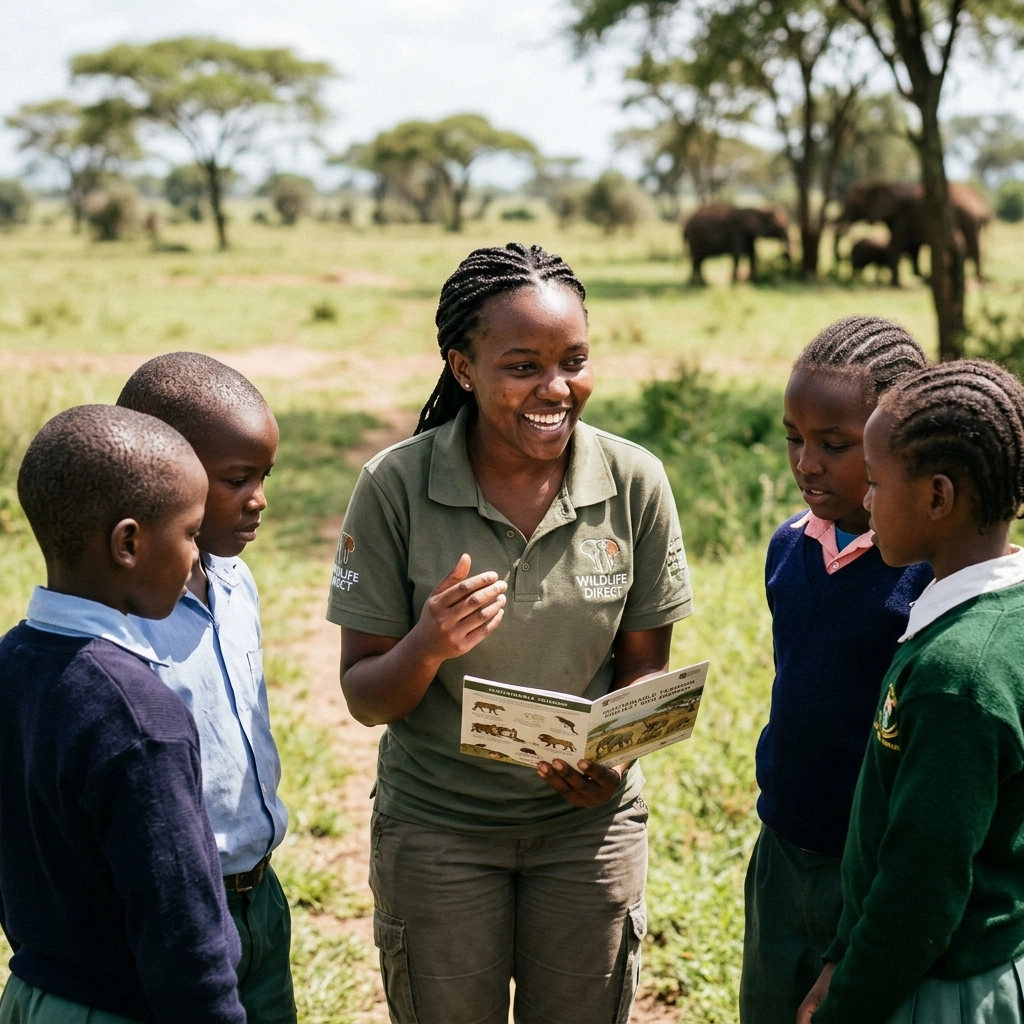
Sustainable marketing must include people. But not just any people. Show the researchers, the keepers, and the local community members. Show the humans who make the conservation work possible. When your audience sees a person they can relate to, the "wildlife" becomes something they want to protect, not just something they watch on a screen.
Realism vs. Perfection
Stop over-editing. The 2026 aesthetic is raw and real. If it’s raining in the field, show the rain. If the truck is covered in mud, keep it in the shot. This grounded approach tells the viewer: "This is real work. It’s hard, and it’s happening right now."
Moving Beyond the Buzzwords
Let’s talk about "ESG" (Environmental, Social, and Governance). In many boardrooms, this is the main topic. But in your marketing, you should rarely use the term.
Why? Because it’s boring. It feels like a chore.
Instead of talking about your "Social Governance," talk about your "Local Education Programs." Instead of "Environmental Stewardship," talk about "Protecting 500 Acres of Rainforest."
How to Align Without Sounding Corporate:
- Be Specific: Instead of "helping animals," say "providing medical care for orphaned rhinos."
- Be Local: Highlight how your zoo or aquarium helps your specific city or region.
- Be Useful: Give your audience tips on how they can help. Simple things. Use less plastic. Visit the zoo on a Tuesday. Share a post.

Trends Driving the Market
The wildlife tourism and digital media market is growing. Experts suggest it could reach over $400 billion by the mid-2030s. This growth isn't just about people visiting parks; it's about how they engage with brands online.
Direct Booking and Digital Access
Over 60% of wildlife-related transactions are now happening directly on the provider's website. People want a direct line to the source. They don’t want to go through a middleman. They want to know that their money is going straight to the organization they trust.
The Rise of Niche Platforms
While Instagram is still huge, we are seeing more engagement on platforms that focus on specific interests. LinkedIn has become a powerhouse for wildlife professionals to share deep-dive conservation stories. It's where the "business" of saving the world happens.
Technology as an Assistant
Drones, AI tracking, and high-res remote cameras are giving us views of wildlife we’ve never seen before. Using this tech in your marketing shows that you are modern and efficient. It makes the viewer feel like they are on the front lines with you.

Strategies for Zoos and Aquariums
If you are managing a zoo or aquarium, your marketing needs to serve two masters: the local visitor and the global conservation community.
The "Presented By" Strategy
One of the most effective ways to fund your conservation work is through "sponsored species" pages. Instead of a generic sponsorship, create a dedicated page for a specific animal.
- Feature high-end imagery.
- Tell that specific animal's story.
- Show exactly where the sponsorship money goes.
- Update the page monthly with new photos.
This creates a sense of ownership for the donor. They aren't just giving money to a large institution; they are helping "Koda the Koala."
Sponsored Species Spotlights
Regularly feature a species that needs help. Use your social media to tell their story over the course of a week.
- Monday: The threat they face.
- Wednesday: What your team is doing to help.
- Friday: A success story or a "how you can help" call to action.
This rhythmic approach keeps people coming back for the "episode" rather than just scrolling past a one-off post.
The Importance of Diversity and Culture
Sustainable wildlife marketing is also about people. For too long, wildlife imagery focused only on the animals or on Western researchers.
In 2026, authenticity means showing the local people who live alongside these animals. It means celebrating indigenous knowledge. It means showing that conservation is a global, multicultural effort.
Avoid images that depict local communities as "in need." Instead, show them as leaders. Show them as the experts they are. This shift not only makes your marketing more ethical: it makes it more interesting. People are drawn to diverse, human stories.

A Final Note on Confidence
You don't need to shout to be heard. In a world full of loud, aggressive marketing, a quiet, confident approach stands out.
State your facts. Show your photos. Tell your stories. If the work you are doing is good, the results will speak for themselves. You don't need hyperbole. You just need the truth, presented beautifully.
Quality photography is the foundation of this truth. It is the proof that the animals are there, the habitat is being protected, and the work is being done.
Let’s Work Together
At Zoo Imagery, we provide the visual tools you need to tell these stories. We focus on stock photography and digital media that aligns with your conservation goals. No fluff. Just great images that help you do your job better.
If you want to see how high-quality imagery can change your marketing, visit us at zooimagery.com.
You can also follow our journey and see more insights over on our LinkedIn profile.
Let’s make sure the world sees the great work you are doing.
Dan Kost
CEO, Zoo Imagery


