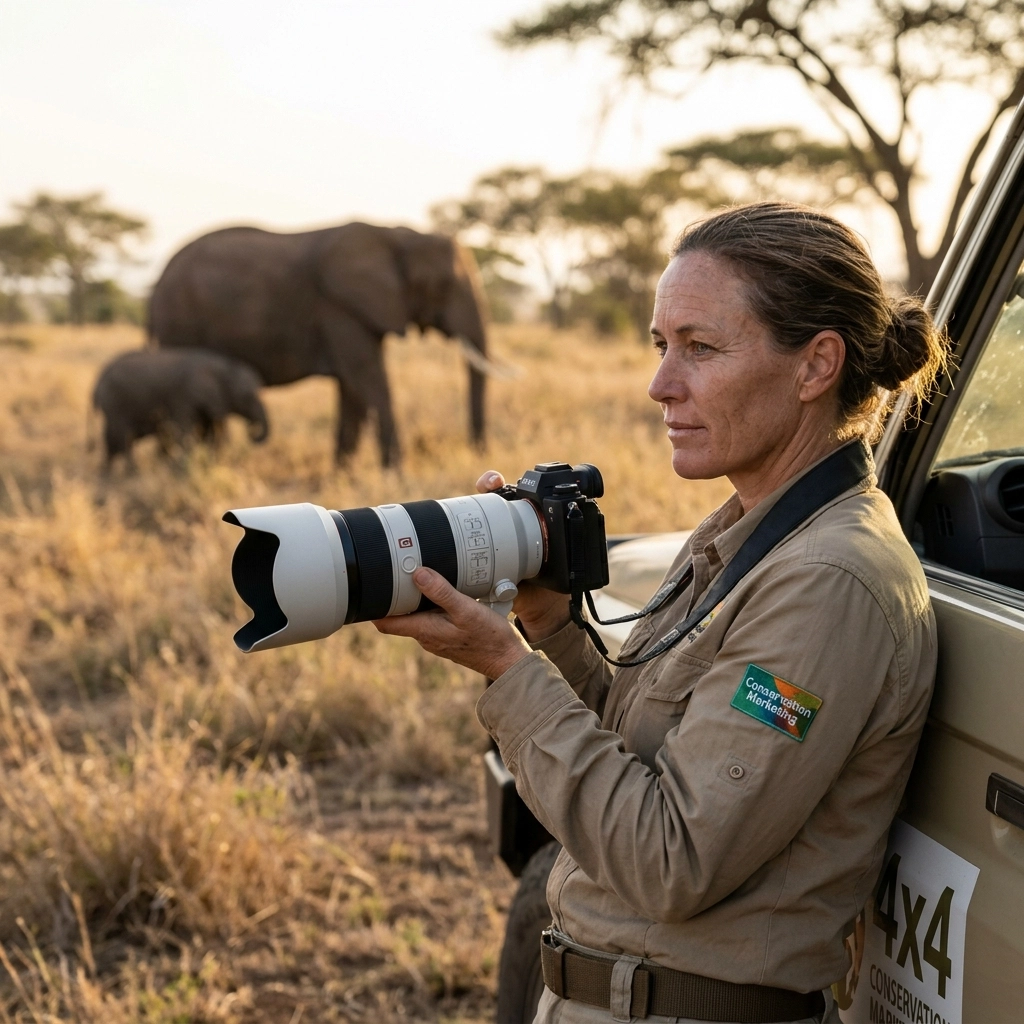
Sustainable Wildlife Marketing 101: A Beginner’s Guide to Mastering Conservation Content
Marketing for wildlife is changing.
It is no longer about just "cute" photos.
It is about impact.
It is about honesty.
Welcome to Sustainable Wildlife Marketing.
What is Sustainable Wildlife Marketing?
Marketing that helps animals.
Marketing that protects ecosystems.
Accurate representation.
Scientific ethics.
Respect for local people.
Long-term trust.
Not quick clicks.
Used by:
- Zoos and aquariums.
- Conservation NGOs.
- Eco-tourism operators.
- Ethical brands.
- Wildlife photographers.
Accuracy Over Hype
Do not exaggerate.
Use credible sources.
IUCN Red List. Peer-reviewed studies. Reputable NGOs.
Avoid "doom porn."
If a species is "Vulnerable," call it "Vulnerable."
Do not say "extinct tomorrow" for dramatic effect.
Facts build authority.
Hype builds skepticism.
Example:
Good: "Snow leopards are listed as Vulnerable due to habitat loss."
Bad: "Snow leopards will vanish forever by Friday unless you click here."
Ethical Wildlife Imagery
The photo is not more important than the animal.
No baiting.
No cornering.
No harassment.
Keep GPS coordinates private for sensitive species.
Avoid "wildlife selfies."
Do not normalize touching wild animals.
If using stock imagery for illustration, be clear.
Transparency matters.

Respecting Local Communities
Conservation happens on the ground.
People live there.
Get informed consent for photos of people.
Credit local partners. Use names.
Avoid "savior" narratives.
Do not present nature as "untouched" if people have lived there for generations.
Co-create stories.
Let local voices lead the narrative.
Real ESG: No Buzzwords
Environmental, Social, and Governance (ESG) is often buried in jargon.
Strip it back.
Show the work.
If you run a campaign, be specific.
How much money was raised?
Where did it go exactly?
What was the biological outcome?
Avoid "carbon neutral" claims without third-party verification.
Acknowledge the struggle.
"We reduced plastic by 40%. We are working on the rest."
That is honesty. That is marketing that lasts.

Strategy: Goals and Audience
Do not post without a plan.
Define your primary goal:
- Awareness: People learn about a species.
- Action: Donations or petition signatures.
- Behavior Change: Reducing plastic or visiting ethical sites.
- Support: Volunteer signups or memberships.
Know your audience:
- General Public: Simple, emotional, clear.
- Local Communities: Practical, cultural, relevant.
- Funders: Data-heavy, impact-focused.
- Tourists: Clear do's and don'ts.
Choosing Your Channels
One channel done well.
Better than five channels done poorly.
- Instagram/TikTok: Short clips. Visual stories.
- Email Newsletter: Deep relationships. Donor retention.
- Blog: SEO. Evergreen education. Project details.
- LinkedIn: Professional partnerships. ESG results.
Start with: One "reach" channel + one "relationship" channel.

Content Types That Work
Species Spotlights
Status. Threats. Quirks.
How to help.
"Presented by" sponsored pages.
Field Updates
The "un-glamorous" work.
Data entry. Fence repairs. Rain.
Real life is relatable.
Ranger Stories
The people on the front lines.
Their daily routine.
Their motivation.
How-To Guides
How to spot an ethical tour.
How to garden for pollinators.
Actionable advice.
Impact Reports
Numbers.
Hectares protected.
Animals rehabilitated.
Rangers trained.
The Content Formula
- The Hook: A striking fact or image.
- The Context: Why this matters today.
- The Connection: The human element on the ground.
- The Action: One clear, 30-second task for the reader.
Visual and Copy Ethics Checklist
Before you publish, ask:
- Is it evidence-based?
- Does it disturb the animal?
- Is there consent from the people pictured?
- Is it greenwashing?
- Is the call to action realistic?
Avoid these words:
- "Untouched"
- "Pristine"
- "Voiceless"
- "Poverty" (as a prop)
Use these words:
- "Coexistence"
- "Sustainable"
- "Community-led"
- "Evidence-based"

Measuring Real Impact
Stop counting likes.
Start counting actions.
- Engagement Quality: Meaningful comments and shares.
- Conversion: Click-throughs to donation pages.
- Retention: Email open rates over 12 months.
- Fundraising: Number of recurring donors.
- Behavior: Surveys showing people changed a habit.
A Practical Roadmap
Weeks 1-2: The Foundation
Set your goal.
Pick your two primary species or issues.
Choose your channels.
Weeks 3-4: First Content
Produce 10 posts.
Two species profiles.
Two behind-the-scenes.
Two how-to guides.
Two impact stories.
Two partner highlights.
Months 2-3: Consistency
Post three times a week.
Reply to every comment.
Track which format (video vs. photo) works best.
Months 4-6: Refine
Look at the data.
Double down on what leads to signups.
Run a small, transparent fundraising campaign.
Simple Marketing for Zoos and Aquariums
Zoos are hubs for conservation.
Your marketing should reflect that.
Focus on "Sponsored Species Spotlights."
Show the link between ticket sales and field work.
Make the conservation work the hero of the story.
Use high-quality imagery to bridge the gap between the visitor and the wild.
At Zoo Imagery, we provide the visual tools to tell these stories.
Simple. Ethical. Impactful.
Start Your Sustainable Journey
Marketing shouldn't just sell.
It should protect.
Master the basics.
Be honest with your audience.
The results will follow.
For more insights on wildlife marketing and digital media trends, visit zooimagery.com/blog.
Ready to upgrade your conservation content?
See how we help zoos and aquariums at zooimagery.com.
Follow our updates on LinkedIn for the latest in ESG-aligned campaigns.


