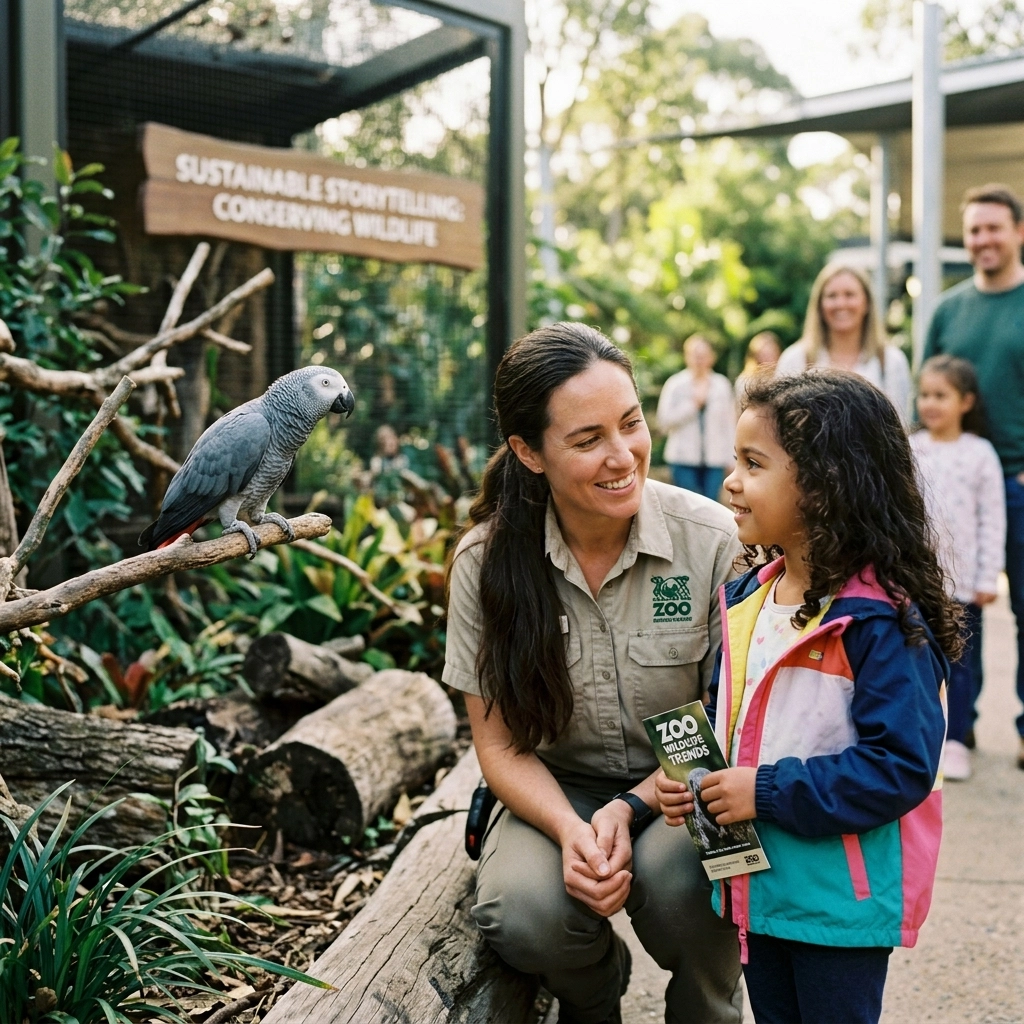
Sustainable Storytelling Matters: Why Your Zoo Needs Authentic Wildlife Trends
The landscape is changing.
People don’t just visit zoos to see animals anymore. They visit to see impact. They want to know that their ticket price does more than keep the lights on. They want to feel part of a global effort.
But there is a disconnect. Many institutions are doing incredible work. They fund habitat restoration. They lead breeding programs. They rescue the injured. Yet, their marketing often feels like a relic of the 90s.
Polished brochures. Staged photos. Corporate-sounding mission statements.
This is the age of the authentic story. If you aren't telling yours, someone else is telling a version you might not like.
The Authenticity Problem
Zoos face a unique challenge.
Public perception is a moving target. Younger generations: Gen Z and Millennials: are skeptical. They demand transparency. They want to know about animal welfare first. Conservation second. Entertainment last.
Research shows a clear trend. Favorability drops when marketing focuses on the "visitor experience." It rises when the focus is on the animal.
The problem? Many zoos censor their best stories.
They fear that talking about an animal’s personality makes them look less like a "serious" scientific institution. They avoid showing the grit. They hide the daily struggles of care.
This is a mistake.
Caregivers: Your Best Storytellers
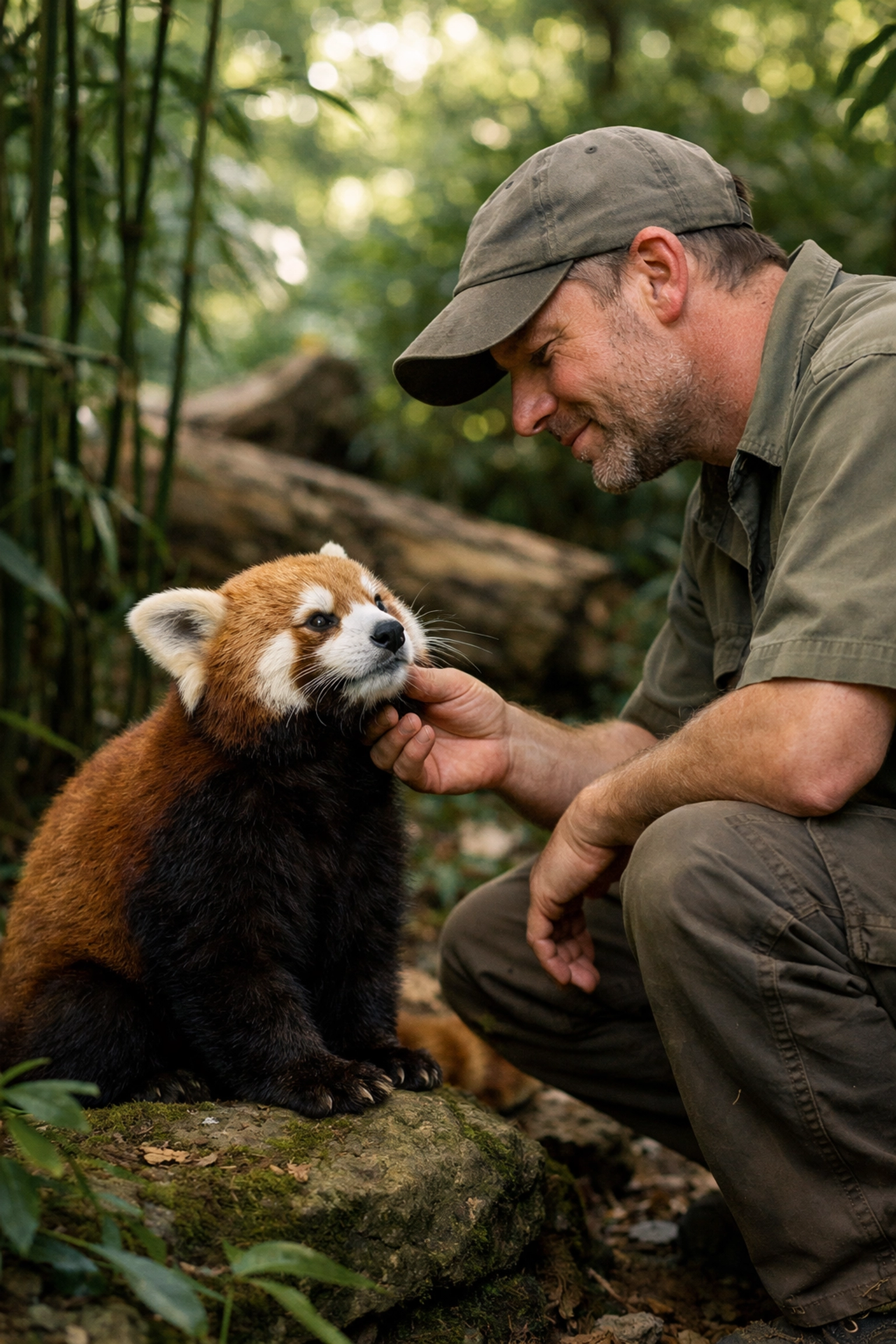
The most compelling assets in your zoo aren't the enclosures. They aren't the gift shops. They are the people in the boots.
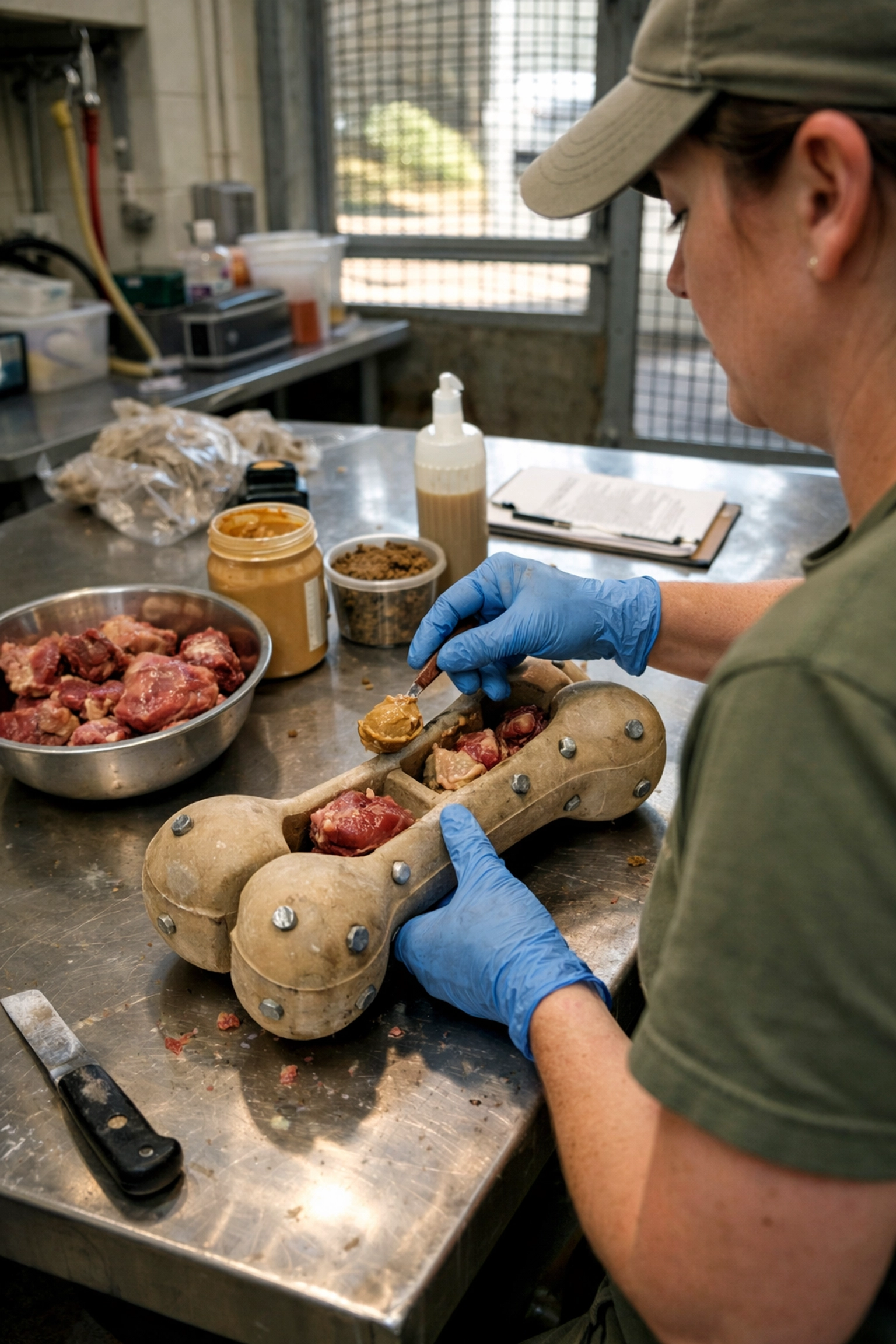
Caregivers know the animals. They know which of the birds is a picky eater. They know the social dynamics of the hyenas.
Authentic storytelling means letting these voices through.
A caregiver talking about a breakthrough with a timid animal is worth more than ten press releases. It builds empathy. It demonstrates dedication. It shows that the animals come first.
Moving Beyond the Buzzwords
"Sustainability." "Conservation." "ESG."
These words are everywhere. In most cases, they have lost their meaning. They feel like corporate armor.
To reach a modern audience, you must strip them away.
Don't just say you are sustainable. Show the solar panels on the roof of the commissary. Show the recycled water systems.
Don't just say you care about elephants. Show the partnership with the community-led organization in Kenya that protects their migration routes.
Real stories don't need buzzwords. They need facts and feelings.
The Hero, The Villain, and The Journey
Every good story needs a structure.
In the context of a zoo or aquarium, the animal is the hero. The habitat loss or poaching is the villain. The zoo's work is the journey.
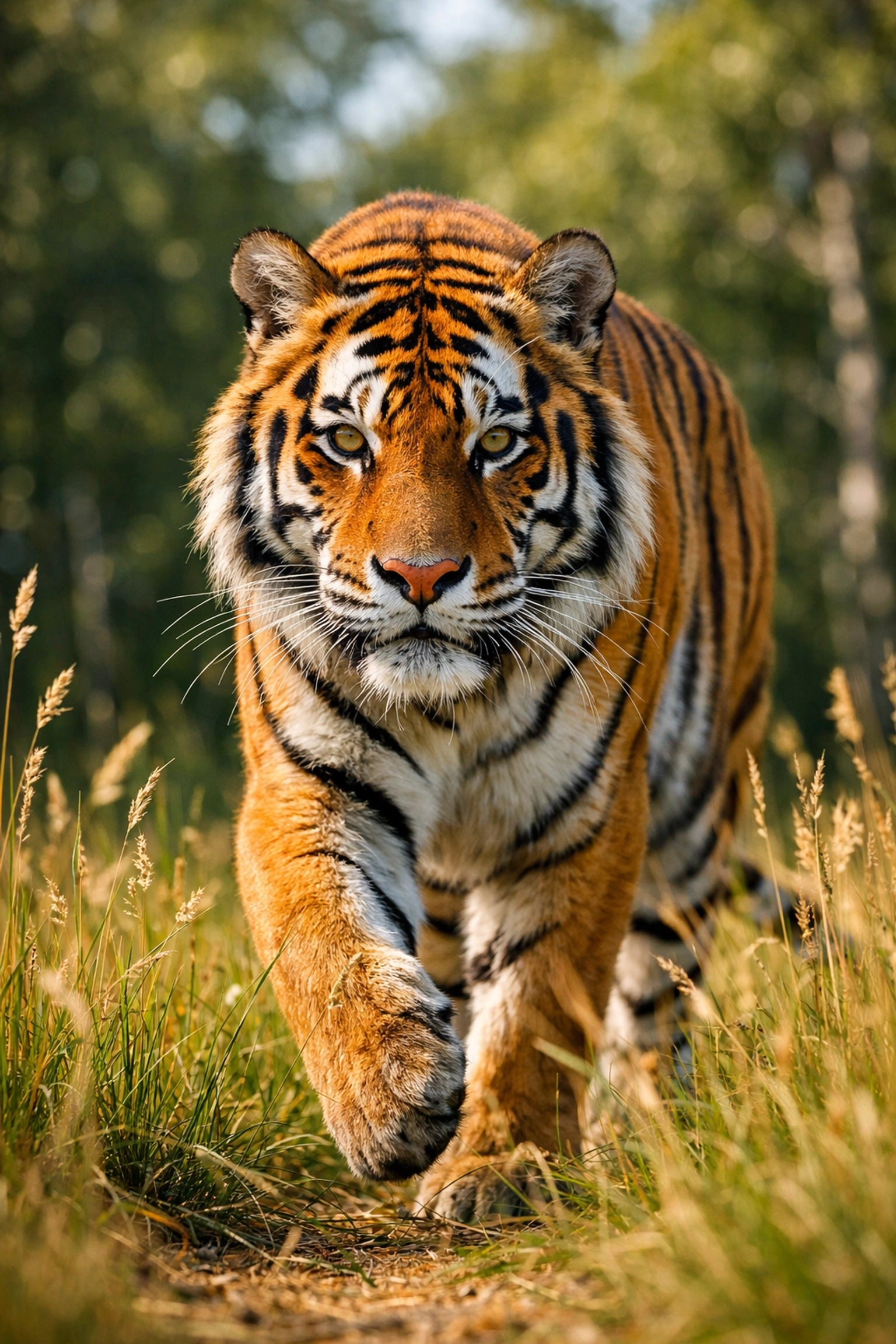
Take the wild tigers.
A post about "Tiger Conservation" is fine. But a story about a specific tiger: let's call her Maya: and the rangers who track her in the wild? That is a narrative.
When you frame your marketing this way, you invite the visitor to be part of the solution. They aren't just looking at a tiger. They are supporting Maya’s journey.
Digital Reach and Global Influence
Your impact doesn't stop at the front gate.
Social media has removed the physical boundaries of the zoo. You are now a media company. Your audience is global.
A child in a different country might never visit your facility. But they can follow the progress of your pandas. They can learn about biodiversity through your videos.
This digital influence is a powerful tool for behavior change. It’s about more than likes. It’s about education that sticks.
Quality Over Quantity
In the digital space, the "more is more" approach is failing.
The internet is loud. To stand out, you don't need to post more often. You need to post better content.
High-quality imagery is non-negotiable. It is the bridge between the animal and the audience. Whether it’s a striking portrait of polar bears or a behind-the-scenes look at a veterinary check-up, the visual must be professional.
At Zoo Imagery, we focus on this exact intersection. High-quality digital media that tells a story without the fluff.
The Rise of Sponsored Spotlights
A major trend in wildlife marketing is the "Species Spotlight."
Instead of general brand awareness, focus on one species for a month. Partner with a local business. Create "Presented by" pages.
This model works because it is specific. It allows for deeper storytelling.
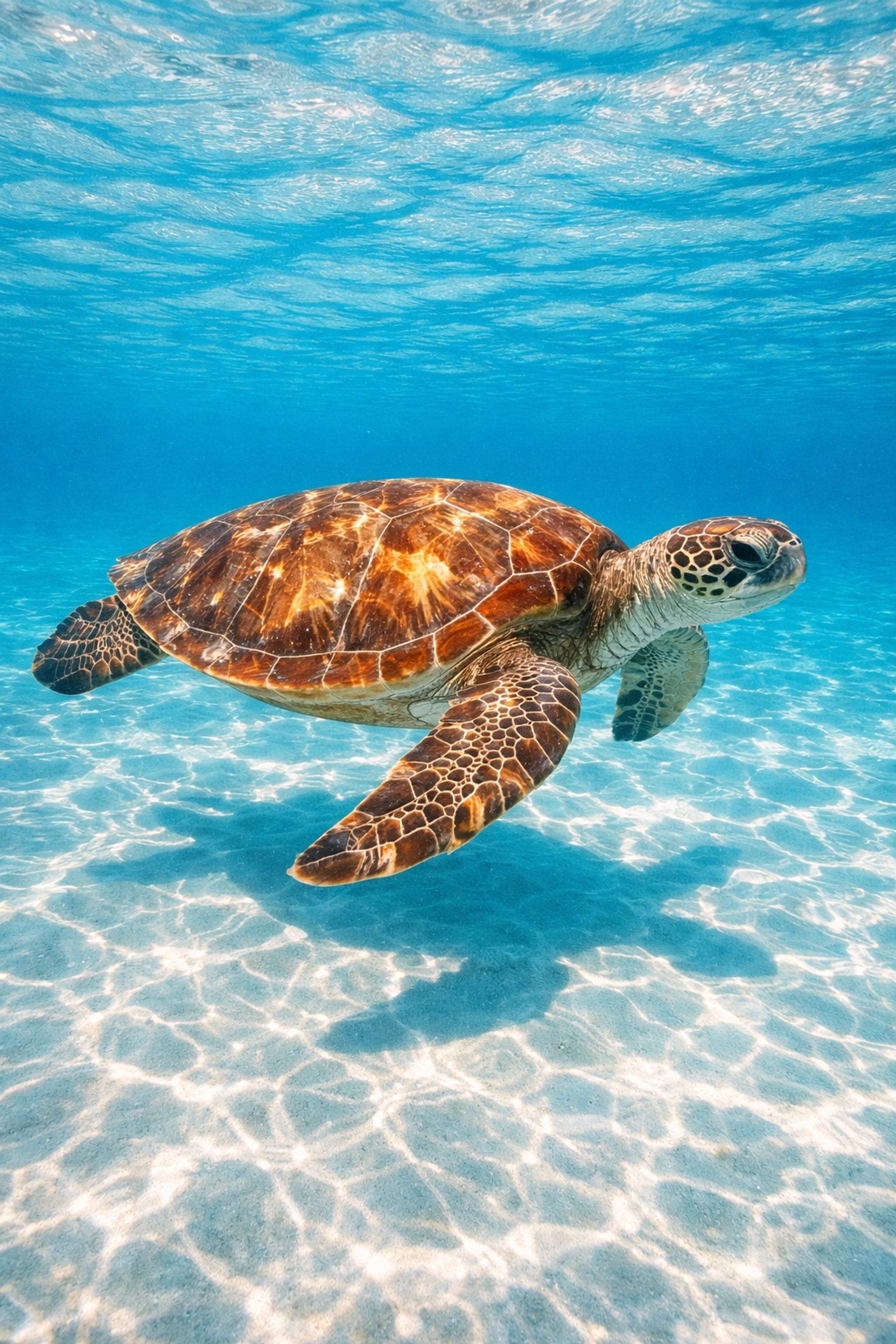
It also aligns with modern corporate social responsibility. A local company wants to be seen doing good. Sponsoring a campaign for sea turtle rehabilitation is a clear, tangible way to show that.
Building Public Confidence
Transparency is the only way to build long-term trust.
If an animal is sick, talk about the care they are receiving. If a project fails, explain what was learned.
When you hide the reality of zoo life, you leave a void. Critics will fill that void with their own narrative. By being honest, you control the conversation.
Show the complexities. Species protection is hard work. It's expensive. It involves long nights and difficult decisions.
People respect the struggle. They don't expect perfection, but they do expect honesty.
Interactive Engagement
Engagement is more than a comment section.
It is about creating memories. Combining authentic stories with immersive experiences.
Imagine a QR code next to the hyenas exhibit. It doesn't link to a Wikipedia page. It links to a 30-second video of their primary keeper explaining their unique social hierarchy.
It’s personal. It’s direct. It transforms a passive observer into an active learner.
Data-Driven Marketing
Numbers don't lie.
Zoos that have shifted toward authentic, animal-centric storytelling see higher engagement rates. They see better retention in membership.
It isn't just a "feel-good" strategy. It is a business strategy.
When people trust the mission, they invest in it. They buy the higher-tier membership. They donate to the special fund. They become advocates in their own communities.
Simple Steps to Start
- Identify your heroes. Which animals have a story to tell right now?
- Equip your keepers. Give them the tools to capture raw moments.
- Kill the jargon. Read your next social post. If it sounds like a textbook, rewrite it.
- Invest in visuals. Don't settle for blurry phone photos. Use a library like Zoo Imagery to supplement your storytelling.
- Be honest. Talk about the challenges of conservation, not just the wins.
The Path Forward
The goal of a zoo is to eventually not need to exist. To protect nature so well that these "arks" are redundant.
Until then, storytelling is our most powerful tool.
It is how we bridge the gap between humans and the natural world. It is how we secure the funding needed for the next decade of work.
Authenticity isn't a trend. It's a requirement.
Stop marketing. Start telling the truth.
The animals deserve it. Your audience expects it.
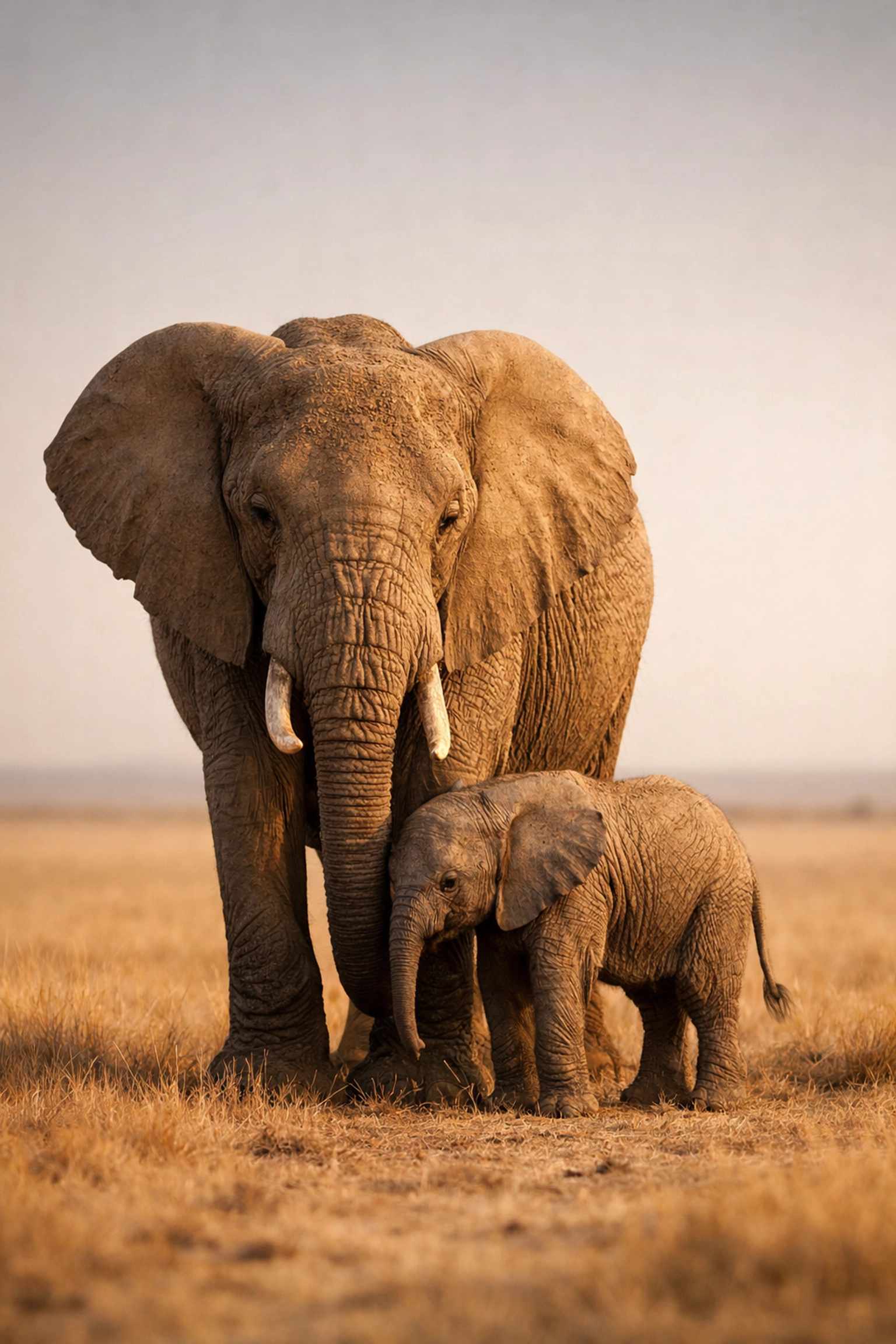
Ready to elevate your zoo’s visual storytelling?
Explore our curated library of wildlife media at zooimagery.com.
We help zoos and aquariums find the right images to tell their most important stories. No fluff. Just quality visuals for real impact.
Connect with us on LinkedIn to stay updated on the latest trends in wildlife marketing.
Zoo Imagery: Simple solutions for conservation storytelling.


