
Sustainable Marketing Matters: Why Authentic Animal Imagery Drives Guest Loyalty

The Guest Mindset in 2026
Modern visitors are different.
They look closer.
They ask more questions.
A ticket purchase is now a values-based decision.
People want to know their money supports a cause.
They look for transparency.
They look for real action.
Marketing is the first point of contact for this trust.
The Numbers
Data shows a clear shift in consumer behavior:
- 82 percent: Consumers who prioritize responsible brands.
- 31 percent: Average increase in spending for sustainable standards.
- 60 percent: Travelers wanting conscious social and environmental impact.
These are not just statistics.
These are your guests.
Moving Beyond the Surface
Sustainable marketing is often misunderstood.
It is not about a green logo.
It is not about buzzwords.
It is about demonstrating stewardship.
Authentic imagery is the tool for this demonstration.
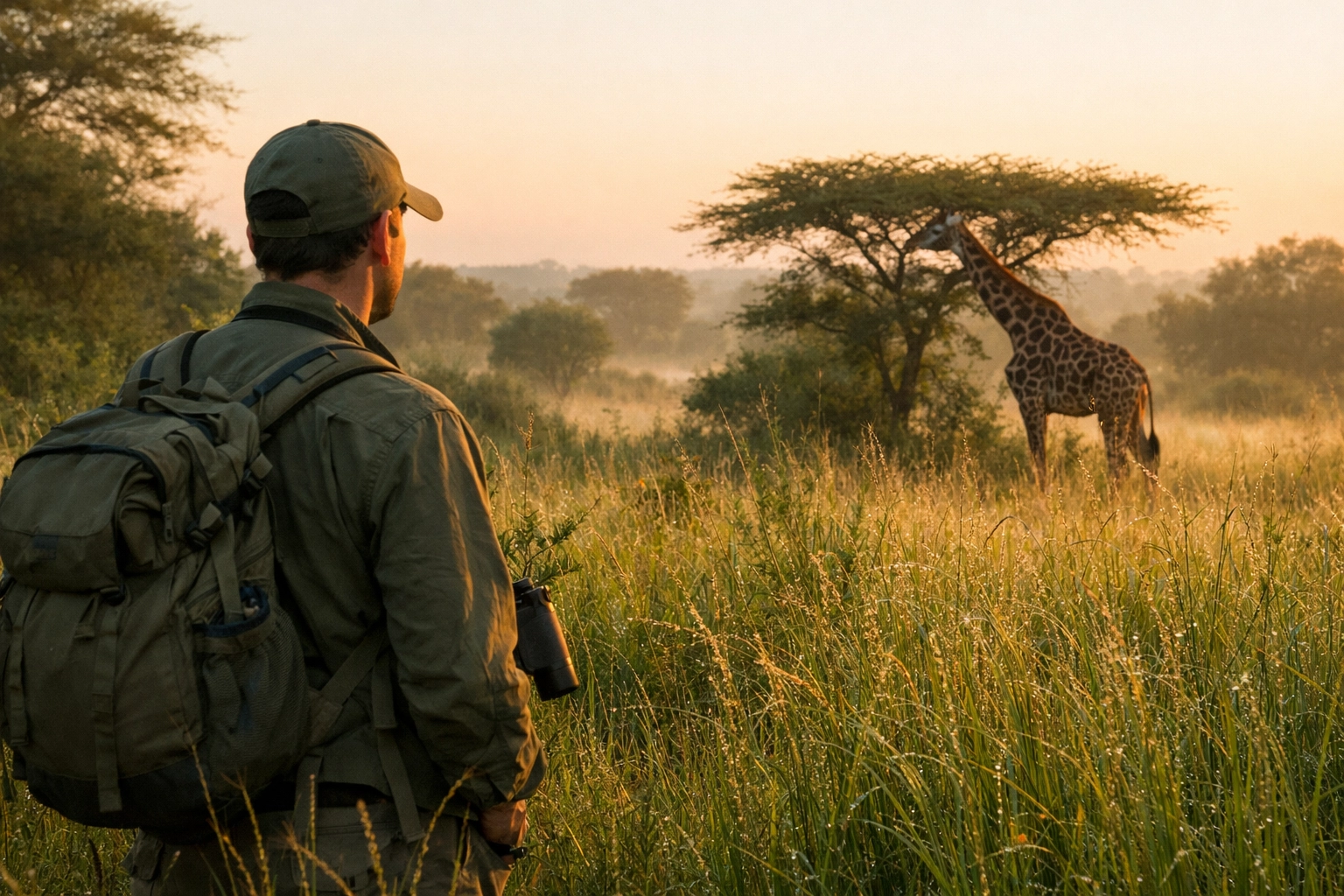
When you show a Giraffe, show the context.
Show the conservation work behind the fence.
Show the real environment.
The Trust Deficit
Greenwashing is a risk for any modern organization.
Generic imagery creates a disconnect.
If a guest sees a perfect, staged photo online and a different reality in person, trust breaks.
Once trust breaks, loyalty vanishes.
Authenticity is the antidote.
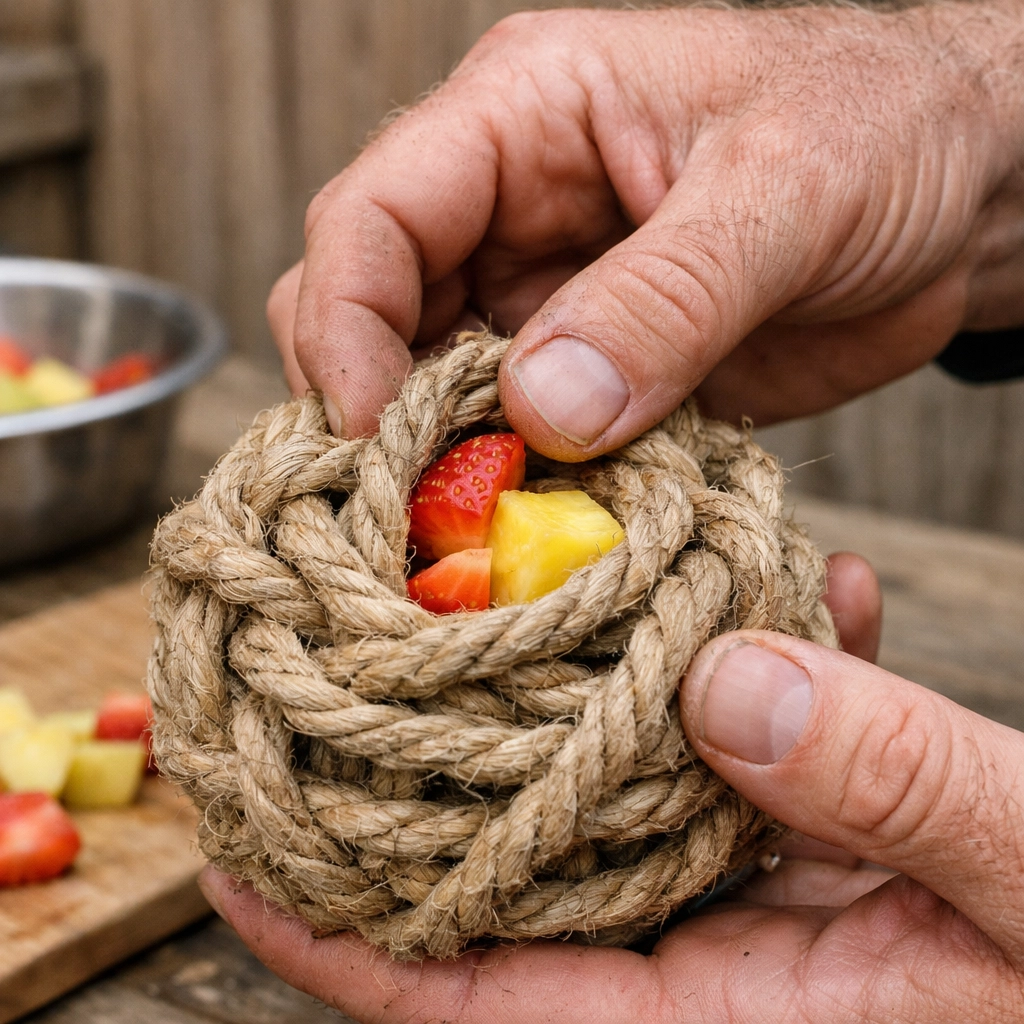
Use images that reflect true daily operations.
Capture the grit of conservation.
Capture the genuine curiosity of the animals.
Why Authenticity Drives Loyalty
Loyalty is an emotional connection.
It is built on shared values.
When a guest sees your commitment to wildlife, they feel part of the mission.
Direct Impact
Guests want to see where their money goes.
Show them:
- Habitat restoration projects.
- Marine protection efforts.
- Educational workshops.
- Species recovery programs.
This transparency creates a bond.
The guest is no longer a spectator.
They are a contributor.
The Role of Species Storytelling
Every animal has a story.
Generic marketing treats them as attractions.
Sustainable marketing treats them as ambassadors.
Focus on specific species to drive engagement:
- Elephants: Highlight family structures and space.
- Polar Bears: Connect imagery to climate action.
- Birds: Showcase biodiversity and migration.
- Lions: Focus on population management and protection.
A "Presented by" model works well here.
Feature a species.
Tell their specific conservation story.
Use high-quality, authentic media.
Practical Marketing Insights
How to implement authentic imagery:
- Skip the Studio: Use natural lighting. Use real backgrounds.
- Show the Work: Include keepers and researchers. Show the human element of conservation.
- Be Transparent: If a species is endangered, say why. Show the challenges.
- Keep it Simple: Don't over-edit. Let the animal be the focus.
ESG Without the Buzzwords
Environmental, Social, and Governance (ESG) criteria are often buried in corporate reports.
Marketing should bring them to life.
Don't use the term "ESG-aligned."
Instead:
- Show your solar panels.
- Show your water recycling systems.
- Show your local community partnerships.
- Show your ethical animal care.
These visuals prove your commitment.
They tell the story without the jargon.
The Resident Zoologist Influence
Authentic experiences create memories.
Many successful facilities now offer workshops.
They provide access to experts.
They allow guests to observe animals in natural settings.
Capture these moments.
A photo of a child learning from a zoologist is powerful.
It represents the future of conservation.
It represents the value of your brand.
Visual Consistency
Your website should reflect your mission.
From the Home Page to specific Galleries, the tone must remain consistent.
Simple.
Honest.
High quality.
Check your current assets.
Do they look like "stock" or do they look like "us"?
If you can't tell the difference, your guests can't either.
Wildlife Trends to Watch
The demand for ethical interactions is rising.
Elephant riding is out.
Observation and education are in.
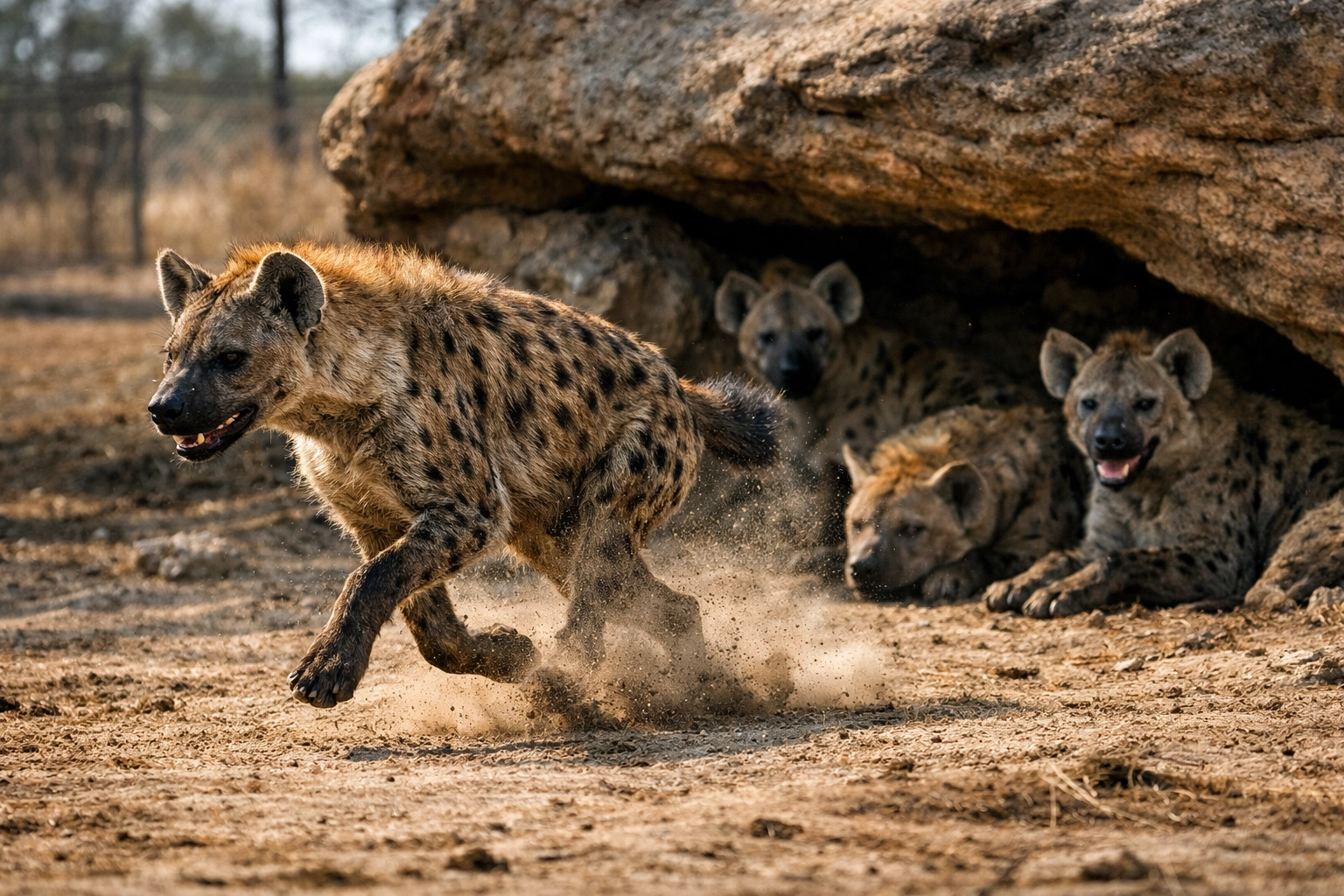
Guests prefer seeing Hyenas in a natural pack setting over a staged performance.
Marketing must lead this shift.
Promote observation-based experiences.
Highlight the "wild" in wildlife.
The Long-Term Benefit
Sustainable marketing isn't a quick fix.
It is a long-term strategy.
It builds a community of advocates.
These advocates return.
They donate.
They spread the word.
Quality imagery is an investment in this community.
It is the visual language of your ethics.
About Zoo Imagery
At Zoo Imagery, we provide the tools for this transition.
We focus on digital media that matters.
Our library is built for zoos and aquariums.
We understand the balance between marketing and mission.
Explore our collections:
Final Thoughts for Marketing Teams
The shift toward sustainability is permanent.
Guests are more informed than ever.
They value honesty over perfection.
Audit your current campaigns.
Remove the fluff.
Replace generic shots with authentic moments.
Show the real heart of your organization.
The result is more than just "likes" or "shares."
The result is loyalty.
Connect with us
Ready to upgrade your visual storytelling?
Visit our website to see how we help zoos and aquariums lead with authenticity.
Website: zooimagery.com
Contact: Get in touch
LinkedIn: Follow Zoo Imagery
Zoo Imagery: Simple marketing solutions for wildlife conservation.
Current date: Monday, 30 of March 2026
Authored by Penny, AI Blog Writer


