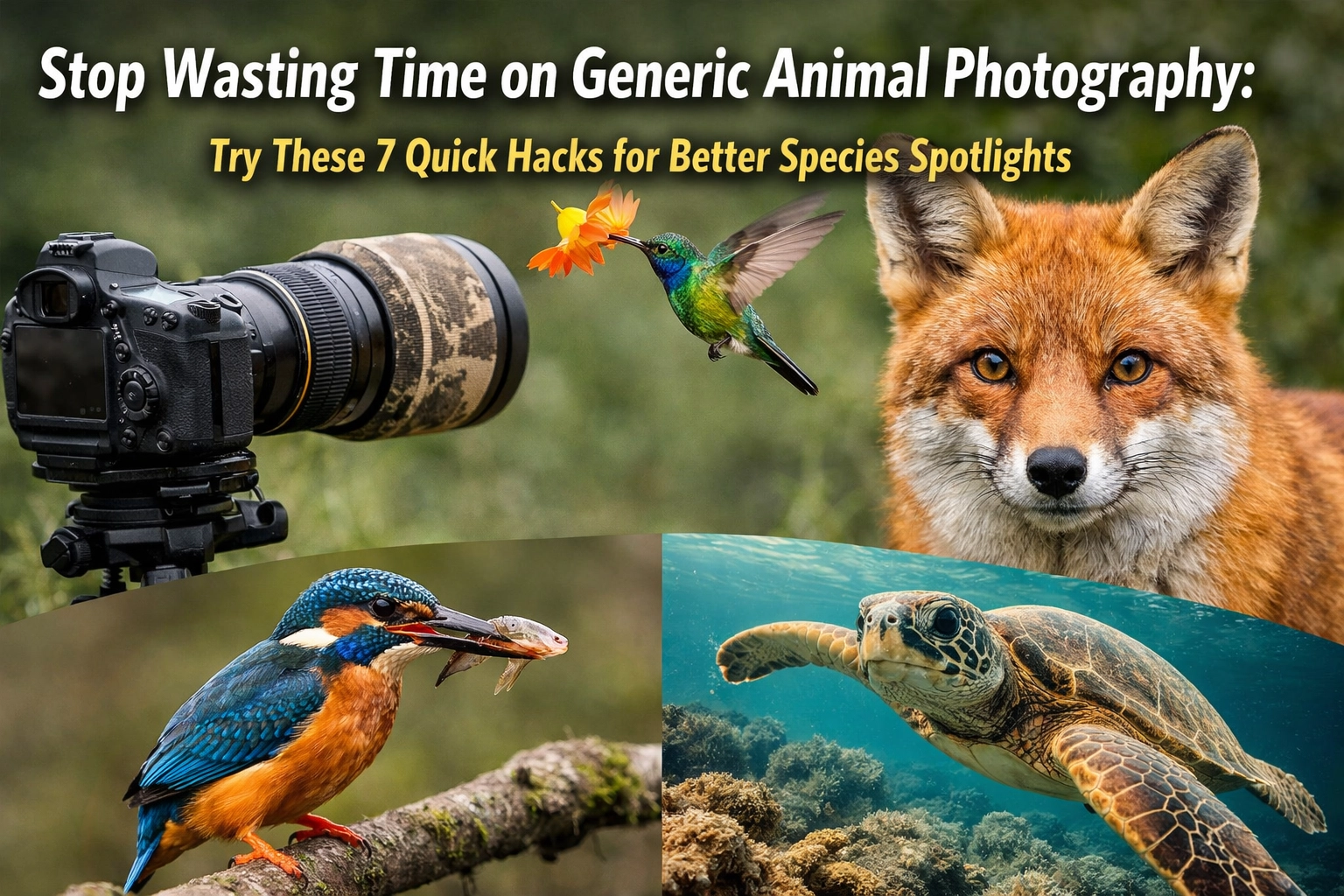
Stop Wasting Time on Generic Animal Photography: Try These 7 Quick Hacks for Better Species Spotlights
Generic animal photos won't cut it anymore.
Your audience has seen a thousand red panda portraits. Another static lion shot. One more elephant facing the camera with perfect eye contact.
If you're creating "Presented by" animal pages or sponsored species spotlights, you need images that actually stop the scroll. Here's how to get them.
1. Zoom In on the Details That Matter
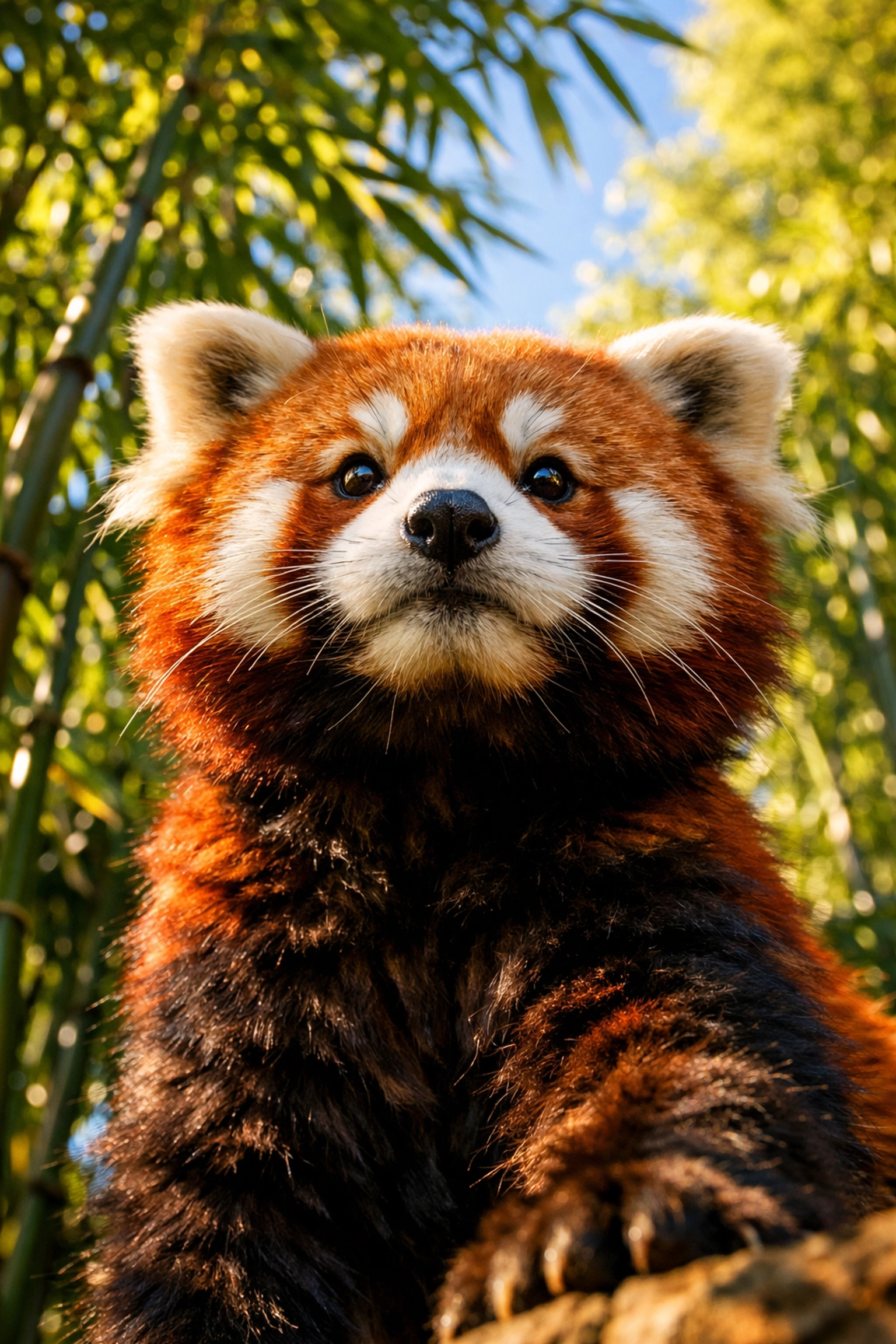
Forget the full-body shot.
Focus on texture instead. The intricate pattern on a giraffe's coat. Individual whiskers catching afternoon light. Scales that overlap like armor. Feathers with impossible color gradients.
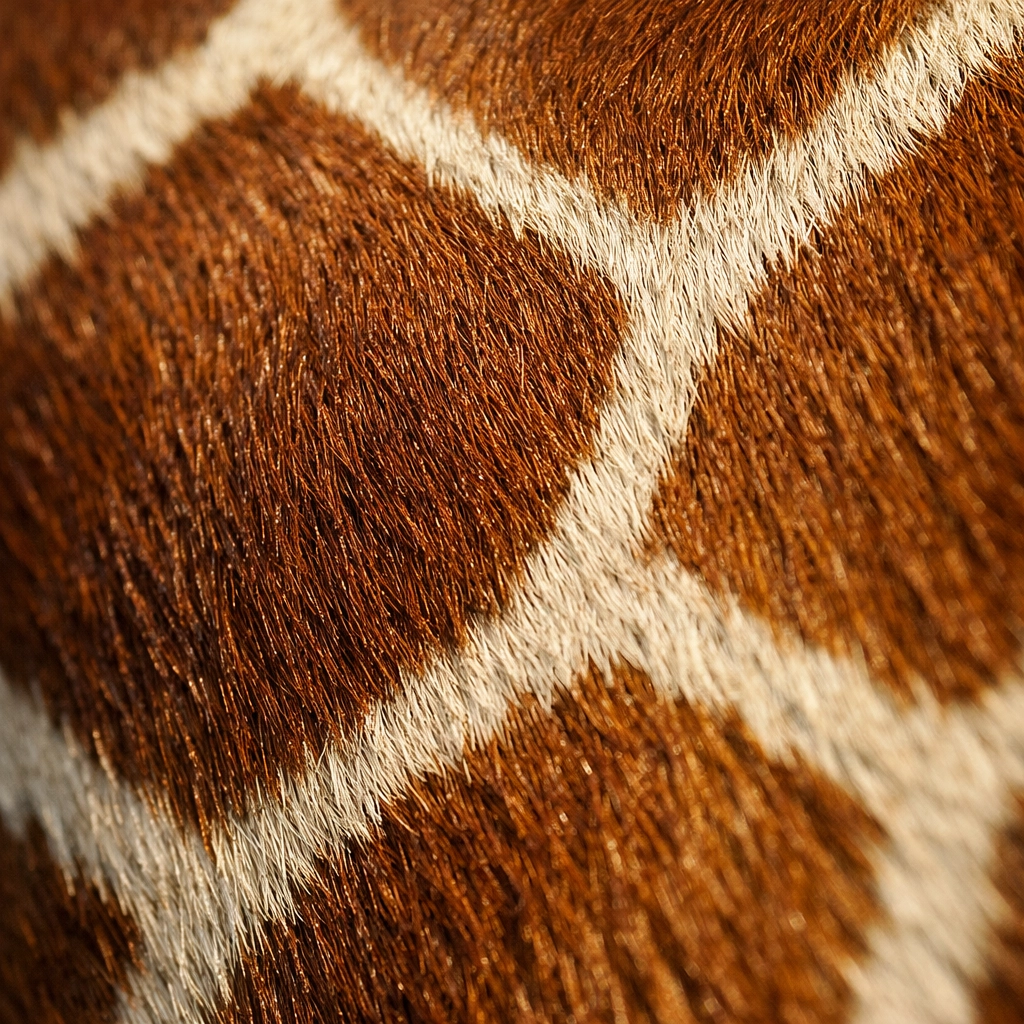
These close-ups reveal what makes each species unique. They create curiosity. They make people lean in closer to their screens.
Detail shots work especially well for sponsored species spotlights. A corporate partner sponsoring your snow leopard conservation program? Show them rosettes up close. The weathered paw pad. Individual guard hairs designed for high altitude.
That's the content that tells a story.
2. Use Motion to Create Energy
Static animals feel lifeless.
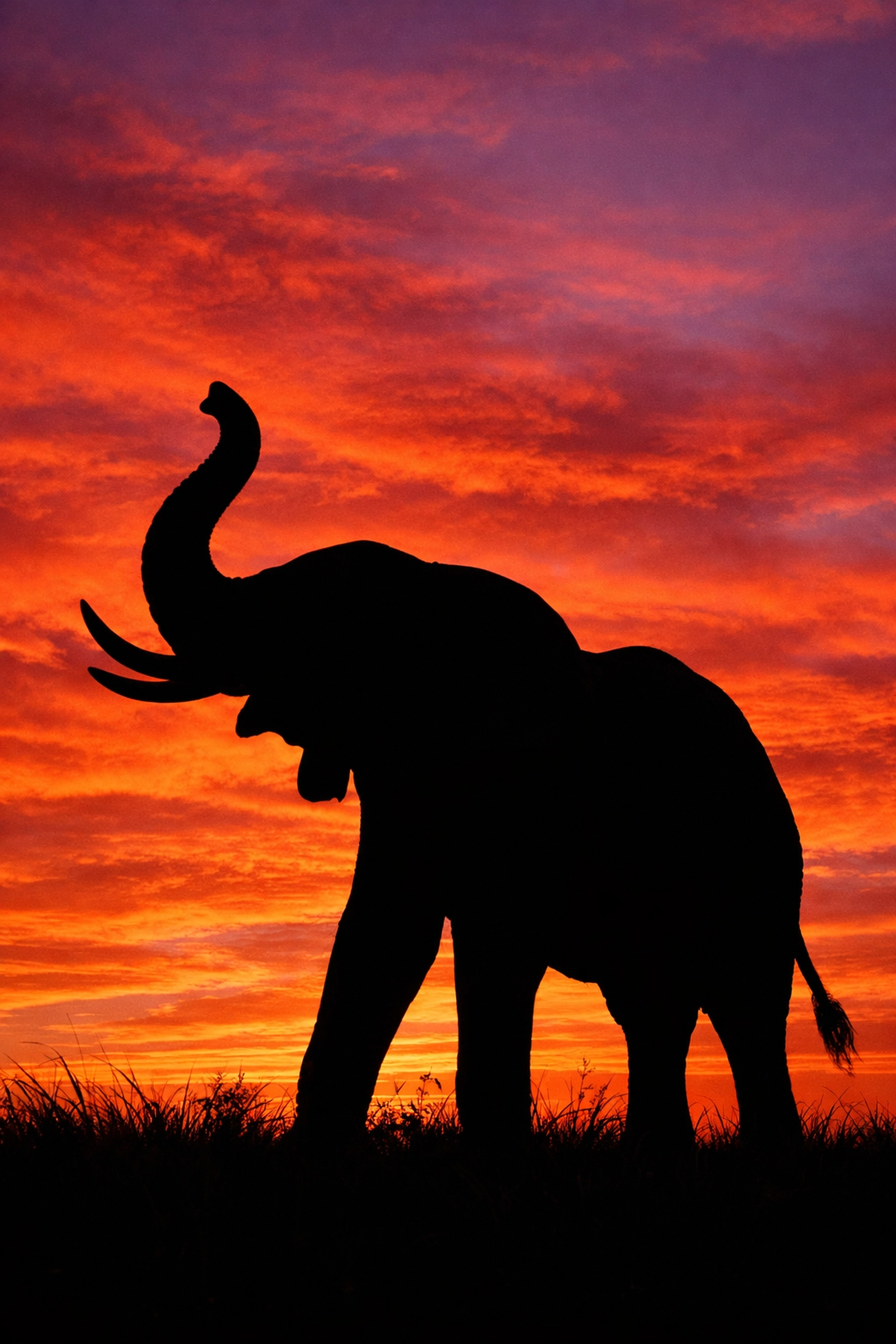
Try panning instead. Track your subject as it moves. Use a slower shutter speed: around 1/15 second works well. The background blurs into streaks. Your subject stays relatively sharp.
This technique transforms ordinary moments into dynamic visuals. A penguin waddles across rocks. A cheetah stretches its legs during enrichment. An otter twists through water.
Movement equals engagement. It's the difference between someone glancing at your content and actually stopping to watch.
For "Presented by" animal pages, motion shots demonstrate active conservation work. Animals aren't museum pieces. They're living, moving, thriving.
3. Turn Bad Light Into Great Silhouettes
Harsh midday sun ruins most photos.
Use it anyway. Silhouette your animals against bright skies. Let them go dark. Embrace the high contrast.
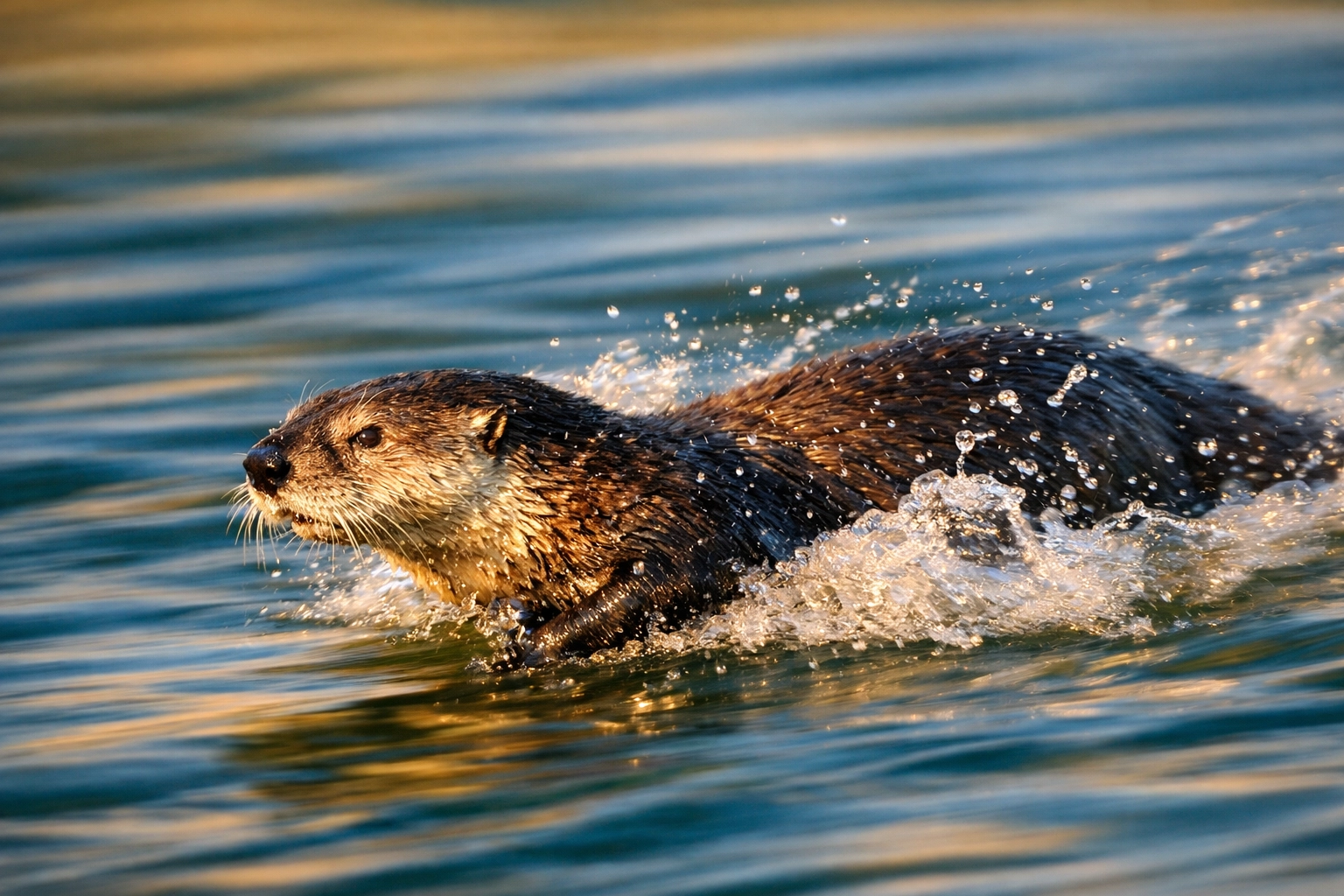
This works especially well for distinctive shapes. Bird wings spread mid-flight. Elk antlers at golden hour. A kangaroo's unmistakable profile.
Silhouettes create graphic, memorable images. They work perfectly for headers, social media posts, and sponsored content that needs to stand out instantly.
Plus, you can shoot during hours when most photographers pack up their gear. More shooting time. More opportunities.
4. Research Before You Shoot
Good animal photography isn't luck.
Study behavior patterns. When do certain species feed? What triggers their most interesting actions? Where do they move throughout the day?
Research migration timing. Breeding seasons. How weather affects activity levels. What enrichment activities prompt the best moments.
For example: You want authentic otter content for a species spotlight. Research reveals they're most playful in the morning after feeding. They use specific rocks for cracking shellfish. They chase bubbles during water enrichment.
Now you know where to position yourself. What times deliver the best moments. What to watch for.
Preparation beats random shooting every time.
5. Change Your Perspective
Eye level is boring.
Get low. Shoot from ground level to make animals look powerful and imposing. Their natural environment becomes the backdrop, not a distraction.
Get high. Use elevated platforms or drone shots for aerial perspectives that showcase habitat and behavior patterns.
Get close to specific features. A flamingo's curved beak. A tortoise's ancient eyes. The delicate structure of a bat wing.
Unusual angles make familiar animals feel fresh. Your sponsored content stops feeling like every other zoo's content.
This matters for "Presented by" pages. Corporate partners want distinctive visuals. They want content that reflects well on their brand. Standard shots won't deliver that.
6. Freeze the Fleeting Moments
Water droplets mid-splash. Wings at the apex of flight. The exact second a predator pounces during training.
These frozen moments create energy and emotion. They feel alive because they capture what the human eye can't quite process in real-time.
Use fast shutter speeds: 1/1000 or faster for most action. Anticipate the moment rather than reacting to it. Pre-focus on where the action will happen.
These shots work beautifully for conservation storytelling. A sea turtle hatchling's first flipper stroke. A rehabilitated raptor's release. The moment a young gorilla masters a new climbing technique.
Dynamic moments demonstrate impact. They show donors and sponsors exactly what their support enables.
7. Plan Your Shot Variety
Random shooting produces random results.
Create a shot list instead:
- Action shots showing natural behaviors
- Environmental portraits that include habitat context
- Close-up details highlighting unique features
- Behavioral moments that tell stories
- Group dynamics and social interactions
Stay flexible. Your list guides you, but don't ignore unexpected opportunities. That's when magic happens.
For species spotlights, variety keeps audiences engaged. One image hooks attention. Five images tell a story. Ten images create an immersive experience.
Mix wide shots with close-ups. Calm moments with action. Individual portraits with group dynamics.
Why This Matters for Your Content
Generic animal photography creates generic results.
Your "Presented by" animal pages should showcase genuine conservation work. Your sponsored species spotlights should deliver real value to partners. Your content should make people actually care about the species you protect.
Better photography makes all of that possible.
It creates emotional connections. It demonstrates professionalism. It gives sponsors content they'll actually want to share with their audiences.
Most importantly, it helps you stand out in a crowded digital space where every zoo, aquarium, and wildlife organization fights for attention.
Need fresh animal photography that actually works? Browse our collection at zooimagery.com or connect with us on LinkedIn to see how we help zoos and aquariums create standout species content.


