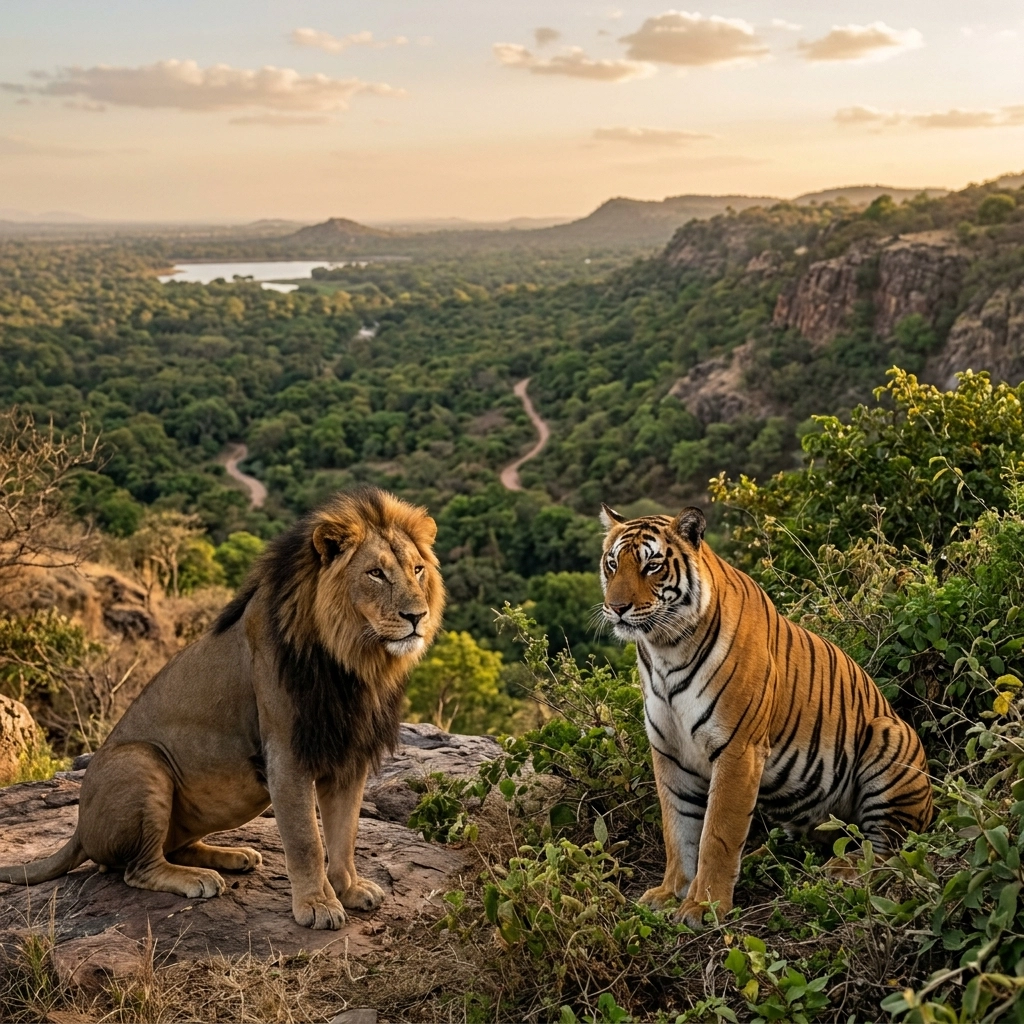
Species Spotlights Matter: Why Today’s Lion and Tiger Conservation News Drives Engagement
Stories move people. Data informs, but narratives connect.
At Zoo Imagery, we see it every day. A photo of a lion isn't just a file. It is a bridge. It connects a viewer in a city to a sanctuary in the wild.
Today is Wednesday, April 22, 2026. Conservation news is moving fast. Lions and tigers are leading the conversation.
Here is why these spotlights matter.
The Emotional Hook of the Individual
People relate to individuals, not just statistics.
Take the recent news about the Honduras lions. Three lions, Cyrus, Zephora, and Juancito. They were rescued from a difficult situation. They traveled by ship. They traveled by air. They finally reached a sanctuary in Arkansas.
Why does this drive engagement?
- It has names.
- It has a journey.
- It has a clear outcome.
When a species spotlight focuses on a specific animal, the audience feels a personal stake. They aren't just "saving lions." They are rooting for Cyrus.
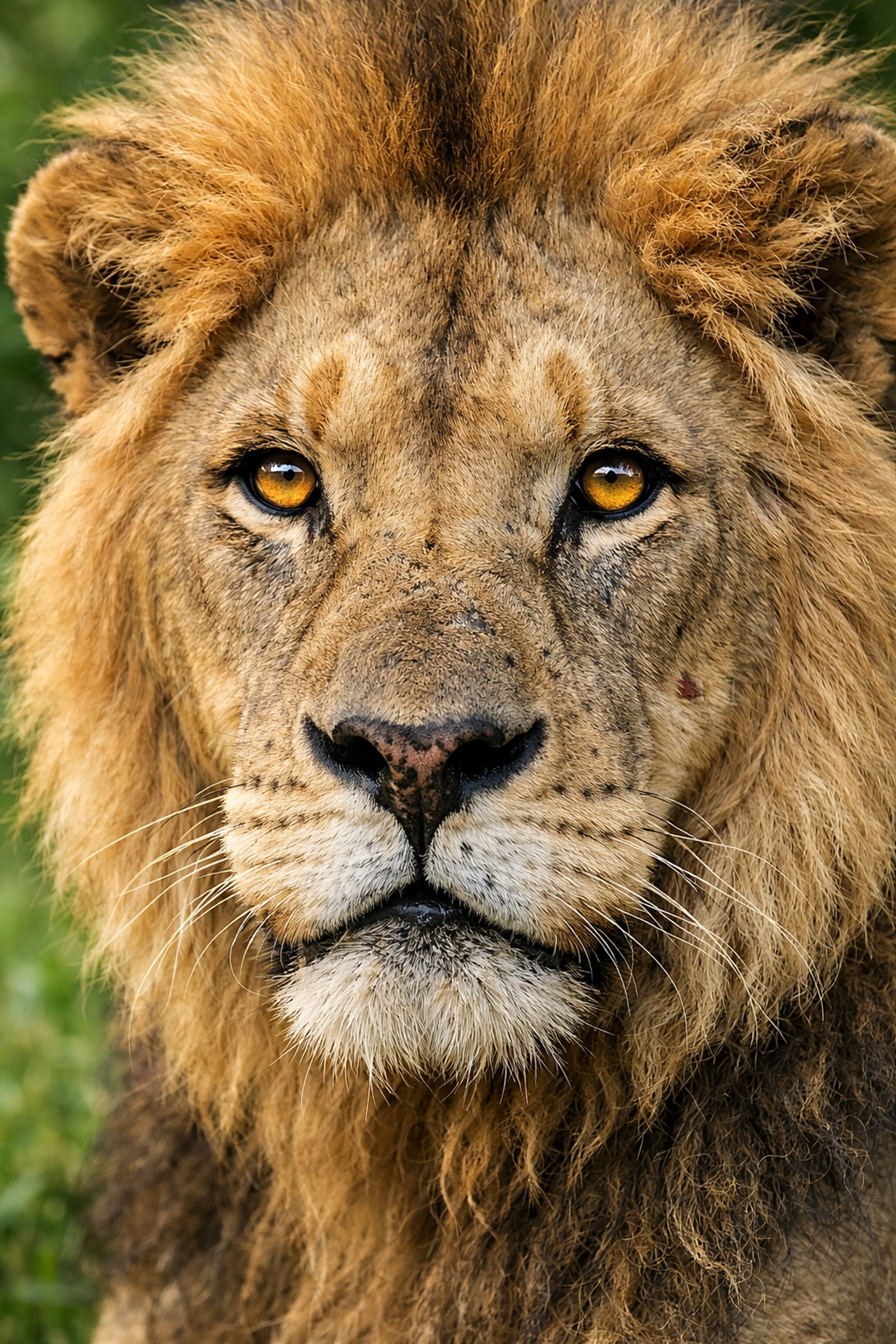
This is where digital media becomes a tool for change. High-quality imagery allows the public to see the amber in Cyrus’s eyes. It makes the distance between the viewer and the conservation site disappear.
Tigers: The Paradox of Progress
Tiger conservation news often feels like a contradiction.
The latest reports show a recovery. For the first time in over a century, wild tiger numbers are trending upward. This is a massive milestone for global conservation.
At the same time, they remain critically depleted.
This paradox creates engagement.
- Urgency: The threat is still real.
- Hope: The efforts are actually working.
When we share news about wild tigers, we give the audience a reason to keep going. Total depletion feels like a lost cause. Recovery feels like a winning team. People want to join a winning team.
Cultural Connections and Mascots
Engagement isn't always about the wild. Sometimes it’s about the community.
Programs like "Tigers United" are changing the game. They use university mascots to bridge the gap. Clemson University fans already love tigers. By connecting that school spirit to real-world conservation in India, the reach expands.
It moves conservation from a niche interest to a mainstream culture.
- It reaches sports fans.
- It reaches alumni.
- It reaches students.
These partnerships turn a local tiger spotlight into a global network. It is storytelling through existing loyalty.
The Role of High-Quality Media
Why does Zoo Imagery focus on these spotlights? Because an image is the first point of contact.
Before a person reads a press release, they see the photo.
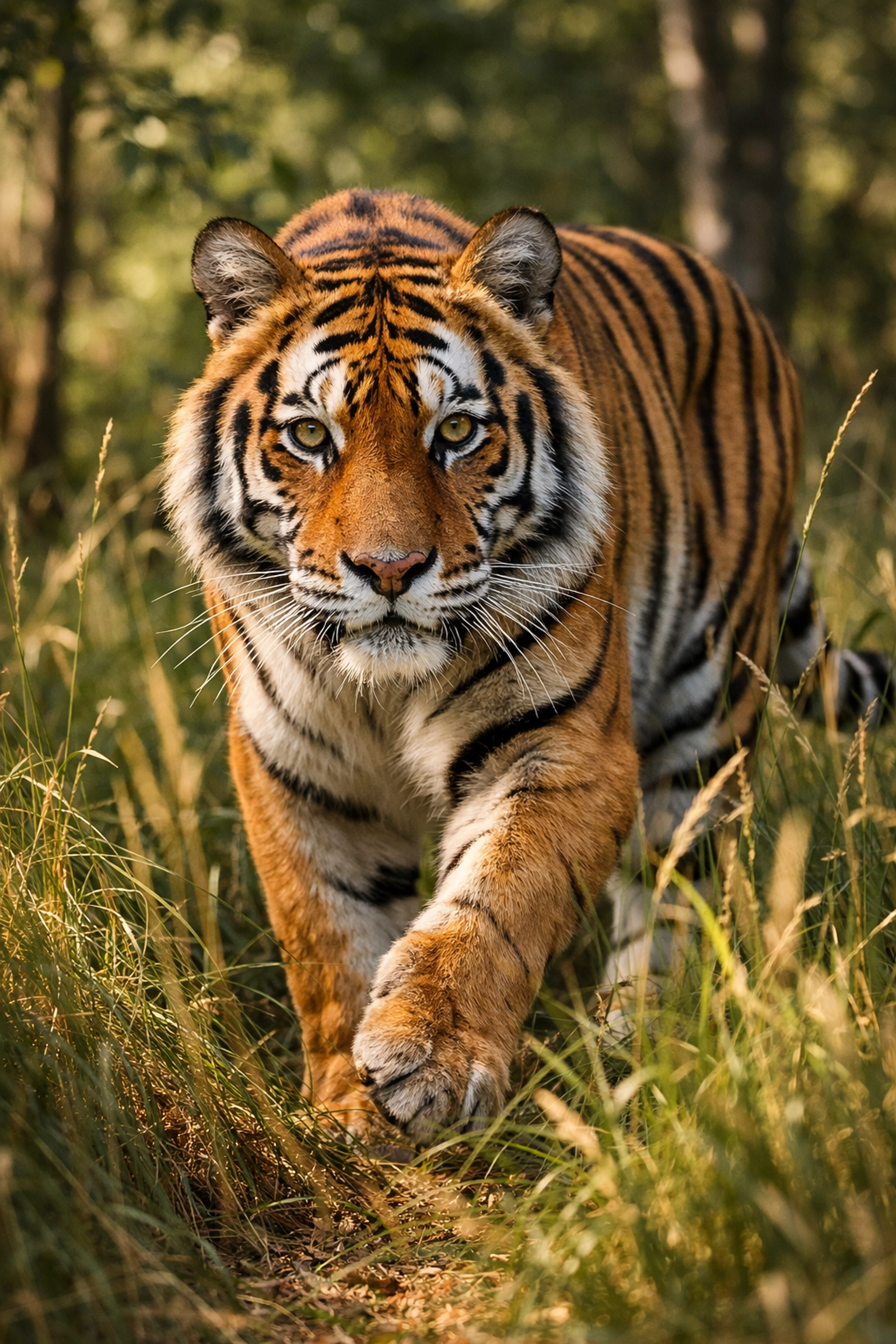
- The texture of the fur.
- The intensity of the gaze.
- The scale of the animal.
Bad photography creates a barrier. Great photography creates an invitation.
We provide the visual assets that make these stories possible. Whether it is for a zoo's social media or a corporate ESG report, the goal is the same: clarity.

Transparency and Trust
In 2026, audiences are skeptical. They want to know where their attention goes.
Species spotlights drive engagement because they are transparent. They show the work. They show the sanctuary. They show the animal in its environment.
When sanctuaries like Lions Tigers and Bears share rescue stories, they aren't just asking for support. They are showing the result of that support.
This "rescue-to-recovery" pipeline is the ultimate engagement driver. It provides a beginning, a middle, and an ongoing end.
Why Now?
The current climate demands more than just "awareness." It demands connection.
Lions and tigers are "umbrella species." When we protect them, we protect everything else in their ecosystem. But "ecosystem protection" is a hard concept to sell on a smartphone screen.
A "Species Spotlight" on a lion is the gateway.
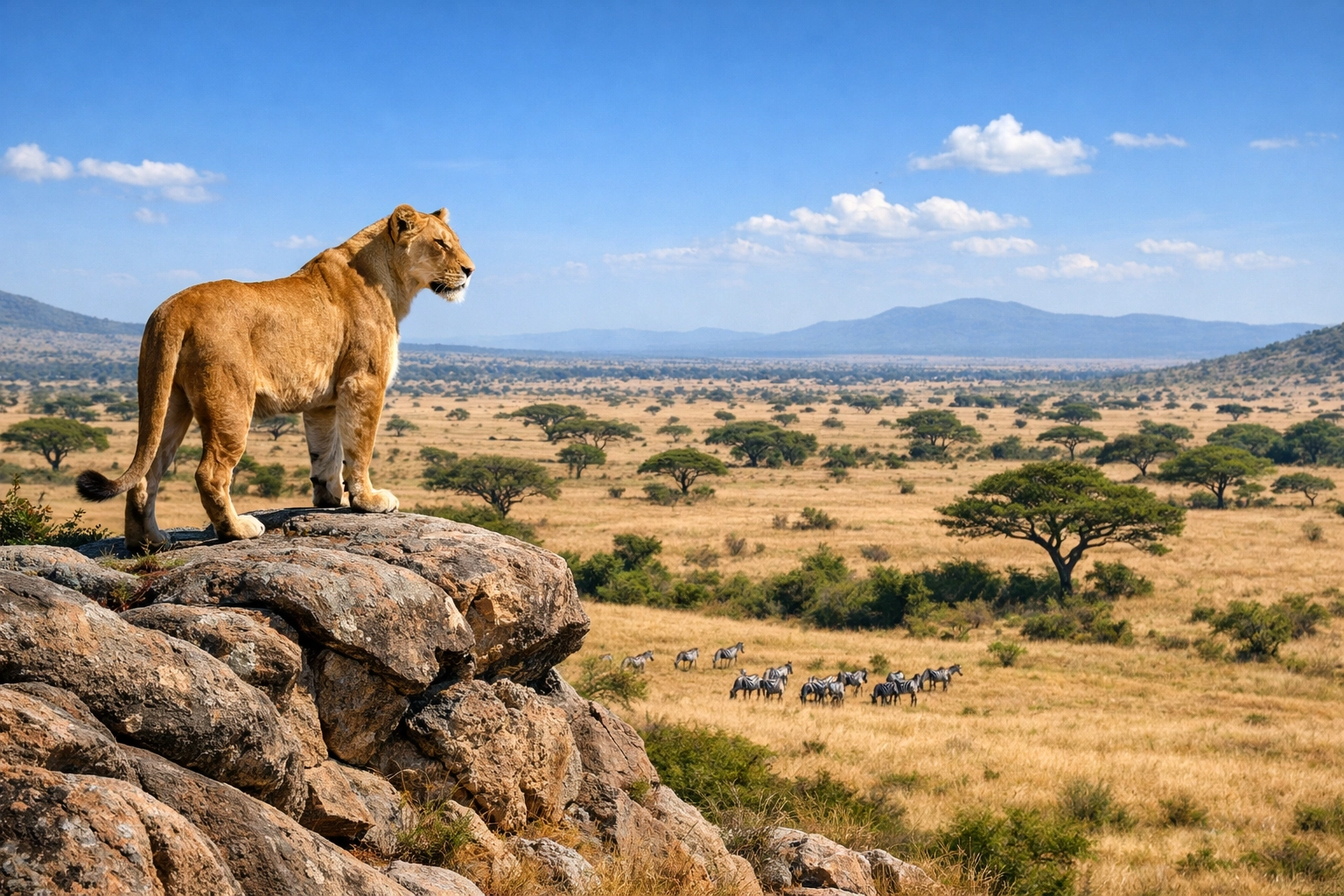
Milestones in 2026
We are seeing a shift in how media is consumed.
- Shorter attention spans.
- Higher demand for authenticity.
- Need for visual proof.
Zoo Imagery is meeting this demand. We curate collections that tell these specific stories. We don't just host photos. We host narratives.
Our milestones this year include expanding our partnerships with international sanctuaries. We want to ensure that every rescue story has the high-definition visibility it deserves.
Simple Steps for Engagement
If you are a brand or an organization looking to drive engagement through conservation, follow these simple rules:
- Be Specific: Don't talk about all animals. Talk about one.
- Be Visual: Use imagery that captures character, not just the species.
- Be Honest: Share the struggles along with the wins.
- Be Direct: Tell the audience exactly how this news impacts the future.
Conservation storytelling is not about fluff. It is about facts presented with feeling.
Looking Forward
The news about lion and tiger recovery is a sign. It proves that when the world focuses its attention, things change.
Engagement isn't a vanity metric. It is the engine of conservation. Every like, share, and view on a species spotlight contributes to the momentum.
We are proud to be the visual engine behind these stories.
Final Thoughts from Dan Kost
I’ve always believed that simplicity is the key to impact.
We don't need to overcomplicate the message. Lions and tigers are magnificent. They are in trouble. We can help.
By using the right imagery and the right stories, we make that message impossible to ignore.
Today's news is good. Tomorrow’s can be better if we keep the spotlight shining.
Join the Conversation
Stay updated on the latest species spotlights and conservation media.
Visit our website: zooimagery.com
Follow our professional updates: Zoo Imagery on LinkedIn
Explore our specific galleries:

Zoo Imagery. Simple media. Direct impact. Professional results.


