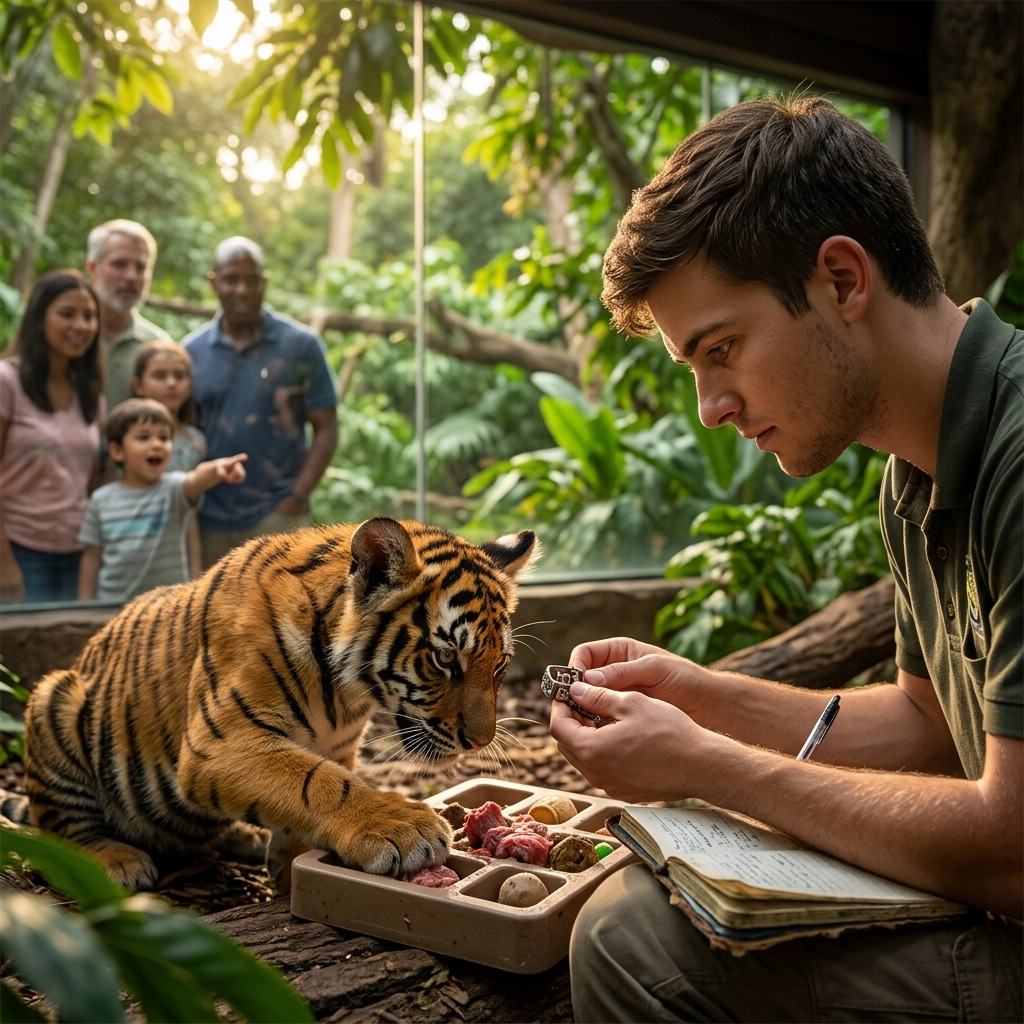
Species Spotlights Matter: Why Daily Conservation News is the Secret to Better Zoo Marketing
Most people view zoos as static. You go once. You see the lions. You see the bears. You check it off the list. This perception is a marketing hurdle. If nothing feels new or urgent, people don't visit. They don't follow your updates. They don't donate.
To fix this, shift the focus. Move from general exhibits to specific stories. Species spotlights and daily conservation news change the narrative. They turn an attraction into a living story.
The Problem with "Evergreen" Content
Evergreen content is safe. It is always relevant. But it lacks urgency.
- "We have tigers" is evergreen.
- "Amur tiger Raja just finished his morning training" is news.
Static marketing creates a "been there, done that" mindset. Daily news breaks this. It gives people a reason to check their feed today. It gives them a reason to visit this weekend.
What is a Species Spotlight?
A species spotlight is a focused story. It connects a specific animal to a broader mission. It needs three elements:
- The Face. A specific animal. A name. A personality.
- The Place. Their wild habitat. Where they come from.
- The Path. The conservation challenge. What the zoo is doing to help.
Instead of talking about giraffes in general, talk about Kito. He is a seven-year-old reticulated giraffe. He likes specific browse. His cousins in Kenya are losing space. By visiting Kito, you support that space.

Why Species Spotlights Work
They Build Emotional Bridges
Data doesn't move people. Stories do. People care about Kito. They don't relate to "population decline percentages." Names and quirks build empathy. Empathy builds long-term supporters.
They Create "New" Chapters
You don't need a new multi-million dollar exhibit every month. You just need a new chapter in an animal's life.
- A health check milestone.
- A new enrichment toy.
- A successful breeding introduction.
- Field news from a partner project.
These updates keep the audience coming back. They want to know what happens next.
They Feed the Algorithm
Social media platforms reward consistency. Daily updates signal that your page is active.
- High engagement.
- Frequent comments.
- Shared stories.
- Increased reach.
Daily Conservation News: The Secret Ingredient
Species spotlights are the foundation. Daily news is the fuel. Think of your zoo as a newsroom.
Daily updates create a sense of momentum. They show that conservation is happening right now. It isn't a goal for 2030. It is a task for today.
What to Share
- Milestones. A chick hatching. A successful transport.
- Behind the scenes. Veterinary care. Nutrition prep.
- Field updates. News from the wild projects you fund.
- Policy wins. Local or global wins for wildlife.

Zoo Imagery Company Milestones
At Zoo Imagery, we understand the power of the visual story. We have spent years building a library that supports these spotlights.
We recently reached a significant milestone: 10,000+ high-resolution, species-specific assets. Our library is designed for this exact purpose. We provide the imagery that makes these daily stories possible.
We believe in simple tools. High-quality media should be accessible. It should be easy to find. It should help you tell Kito’s story without a massive production budget.
A Simple Content Rhythm
You don't need a large team. You need a repeatable system.
Monday: The Spotlight
Deep dive into one animal. Photo, name, and wild status.
Tuesday: The Field Update
News from a wild conservation partner. Show where the money goes.
Wednesday: Care and Welfare
A look at the vet clinic or training. Show the expertise.
Thursday: Conservation Challenge
Explain a threat. Keep it simple. Offer a way to help.
Friday: The Weekly Win
A recap of good news from the week. Positive reinforcement.
Weekend: The Visitor Connection
Tell people where to find the spotlight animal. Promote keeper talks.

Visual Storytelling Basics
High-quality imagery is non-negotiable. If the photo is blurry, the story feels less professional.
- Use close-ups. Eyes matter.
- Show action. Enrichment or feeding.
- Use wide shots. Show the care put into habitats.
- Be consistent. Use a similar style for all spotlights.
Zoo Imagery exists to fill the gaps. If your team didn't catch the perfect shot of a red panda eating, we have it. The story shouldn't stop because the photo wasn't taken.
Strengthening Brand Identity
Modern zoos are more than parks. They are conservation hubs. Regular news reinforces this identity.
- It builds credibility with donors.
- It attracts educational partnerships.
- It clarifies your mission to the public.
When you post daily news, you aren't just selling tickets. You are advocating for wildlife.
Making it Shareable
People love to share good news. They love to share cute animals.
- Keep captions short.
- Use direct language.
- Include a clear call to action.
- Encourage users to tag their friends.
A shared post is a free advertisement. It is an endorsement of your work.

Measuring Your Impact
Watch the numbers. But watch the right ones.
- Repeat visits. Are people coming back to see the "new" updates?
- Member growth. Are casual followers becoming members?
- Engagement. Are people asking questions about the animals?
If a specific species gets more attention, do more spotlights on them. Follow the interest of your audience.
The Bottom Line
Marketing a zoo doesn't have to be complicated. It needs to be human. It needs to be frequent.
By focusing on individual species and daily conservation wins, you stop competing with theme parks. You start leading a movement. You become a source of education and inspiration.
Zoo Imagery is here to support that mission. We provide the visual assets you need to keep your stories fresh and your marketing effective. Simple imagery for complex conservation.
Connect With Us
Ready to upgrade your visual storytelling?
Visit us at zooimagery.com to explore our media library.
Stay updated on company milestones and conservation news by following our LinkedIn profile.
Let’s tell better stories for wildlife. Together.


