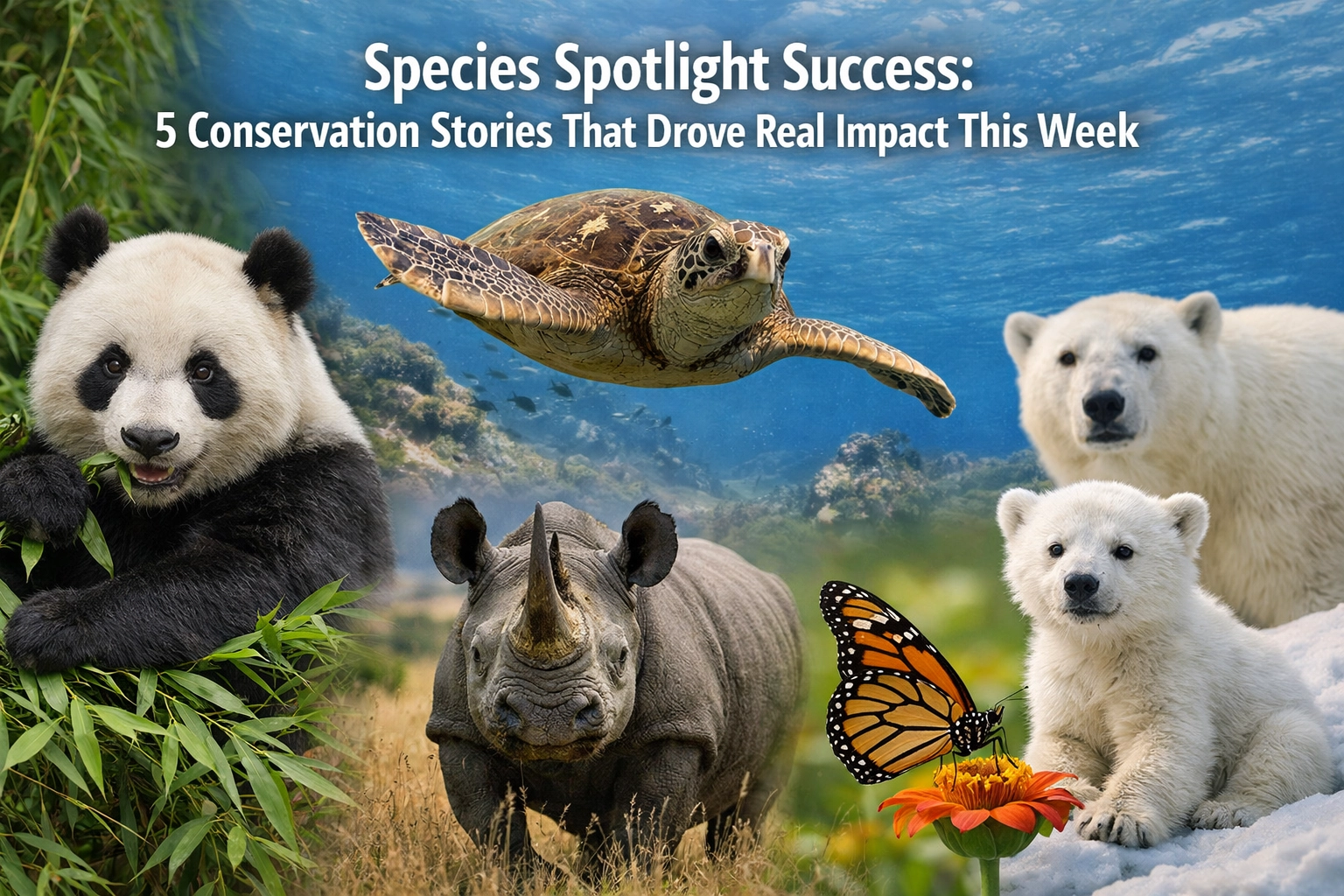
Species Spotlight Success: 5 Conservation Stories That Drove Real Impact This Week
Conservation doesn't always make headlines. But this week delivered five wins worth celebrating: real progress measured in births, habitat acres, and species brought back from the edge.
These stories matter. They show what works when resources meet commitment.
1. The Greater Bermuda Land Snail: 106,000 Bred, Extinction Reversed
The greater Bermuda land snail was nearly gone. Fewer than 200 remained in captivity in 2019.
Chester Zoo stepped in. Between 2019 and 2022, they bred 106,000 snails: adults and juveniles: and released them across 27 sites in Bermuda.
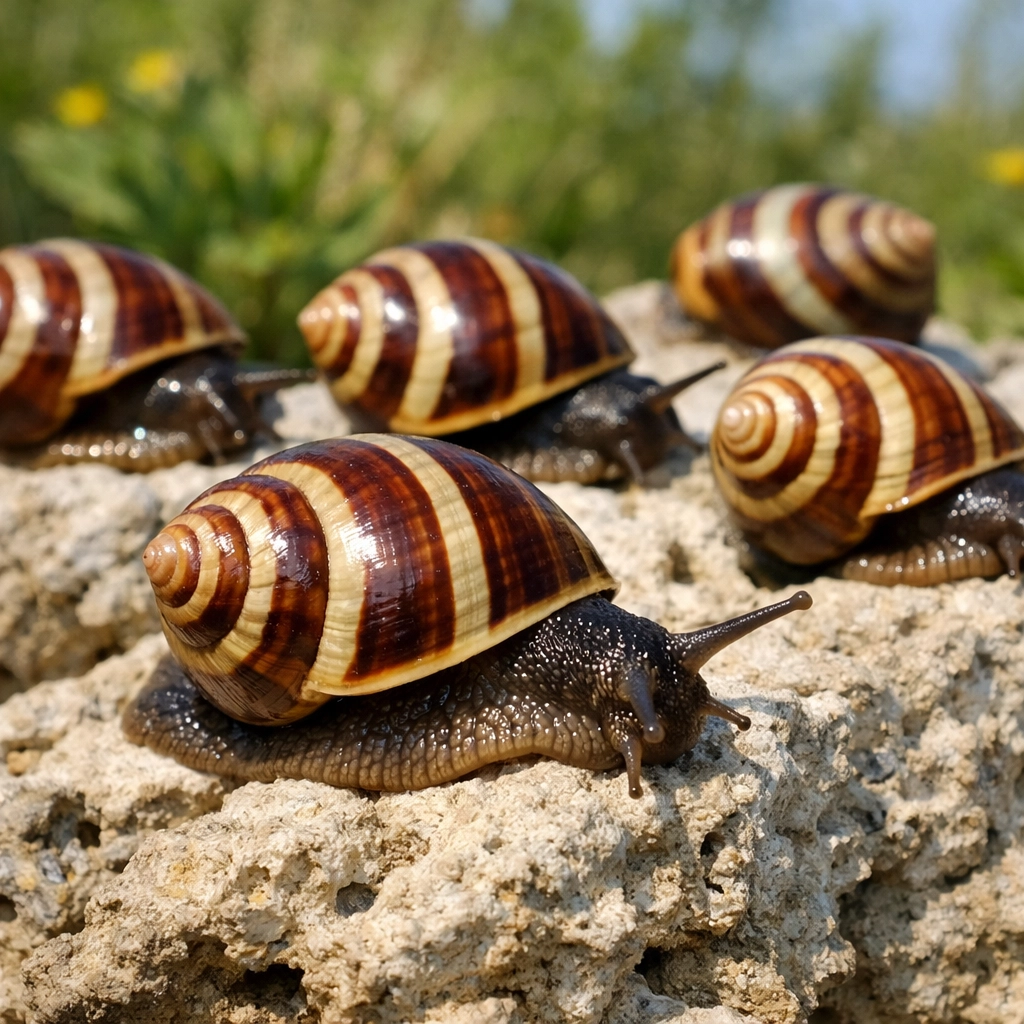
Six offshore island colonies are now self-sustaining. The snails are breeding. Thriving. The species is safe.
Conservation experts called this achievement "once in a career." The work is being studied for publication in Oryx, the International Journal of Conservation.
Small species. Massive impact. That's the formula.
2. Wood Storks Delisted: Decades of Work Pays Off
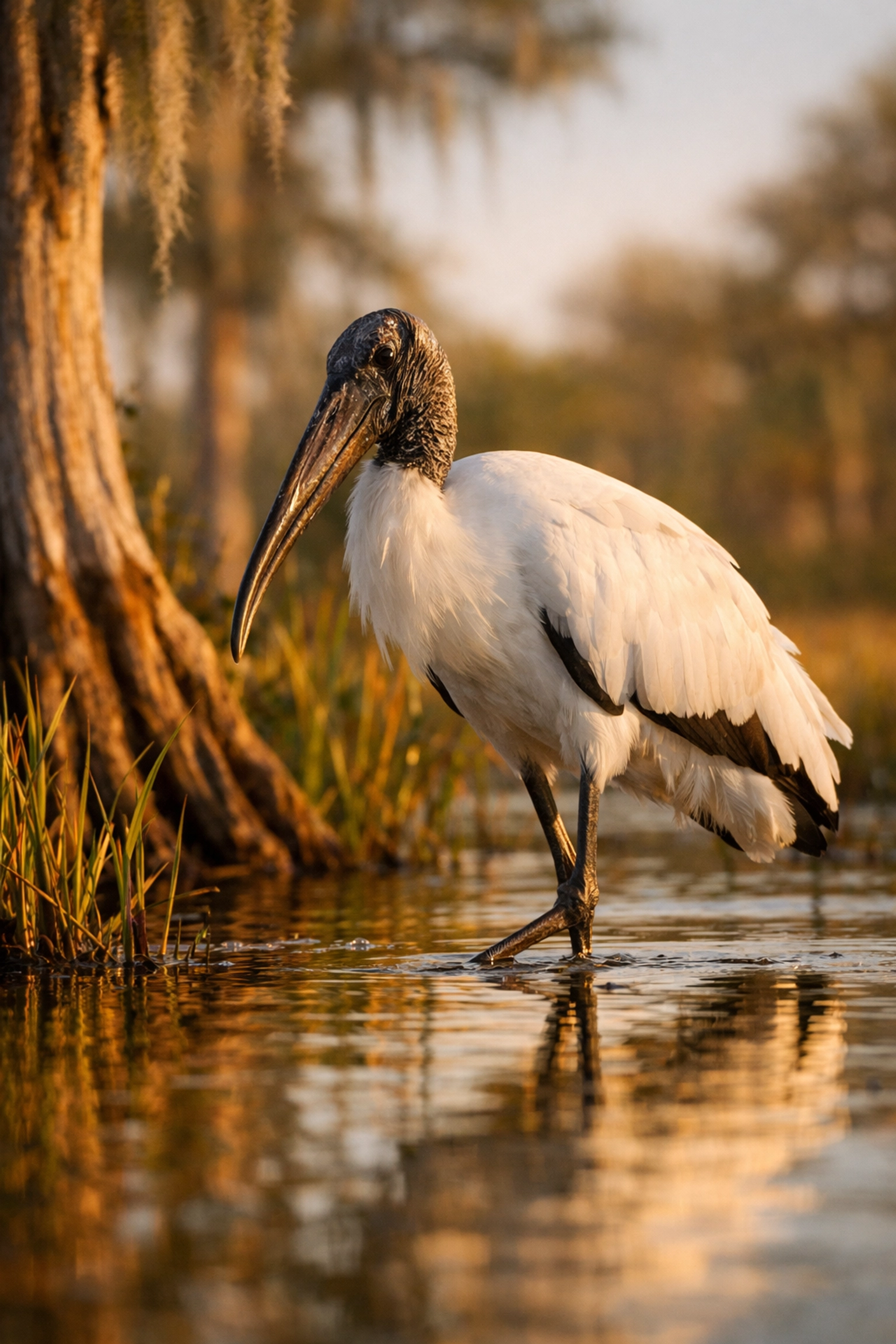
The wood stork is off the endangered species list.
This wasn't luck. It was decades of coordinated restoration across the Southeast: habitat protection, population management, and sustained funding.
Since 2017, 36 species have been delisted due to recovery efforts. The wood stork is one of the most significant.
Recovery takes time. It takes resources. But it works when stakeholders align.
3. Baby Dugong Spotted in Indonesia: Seagrass Conservation Working
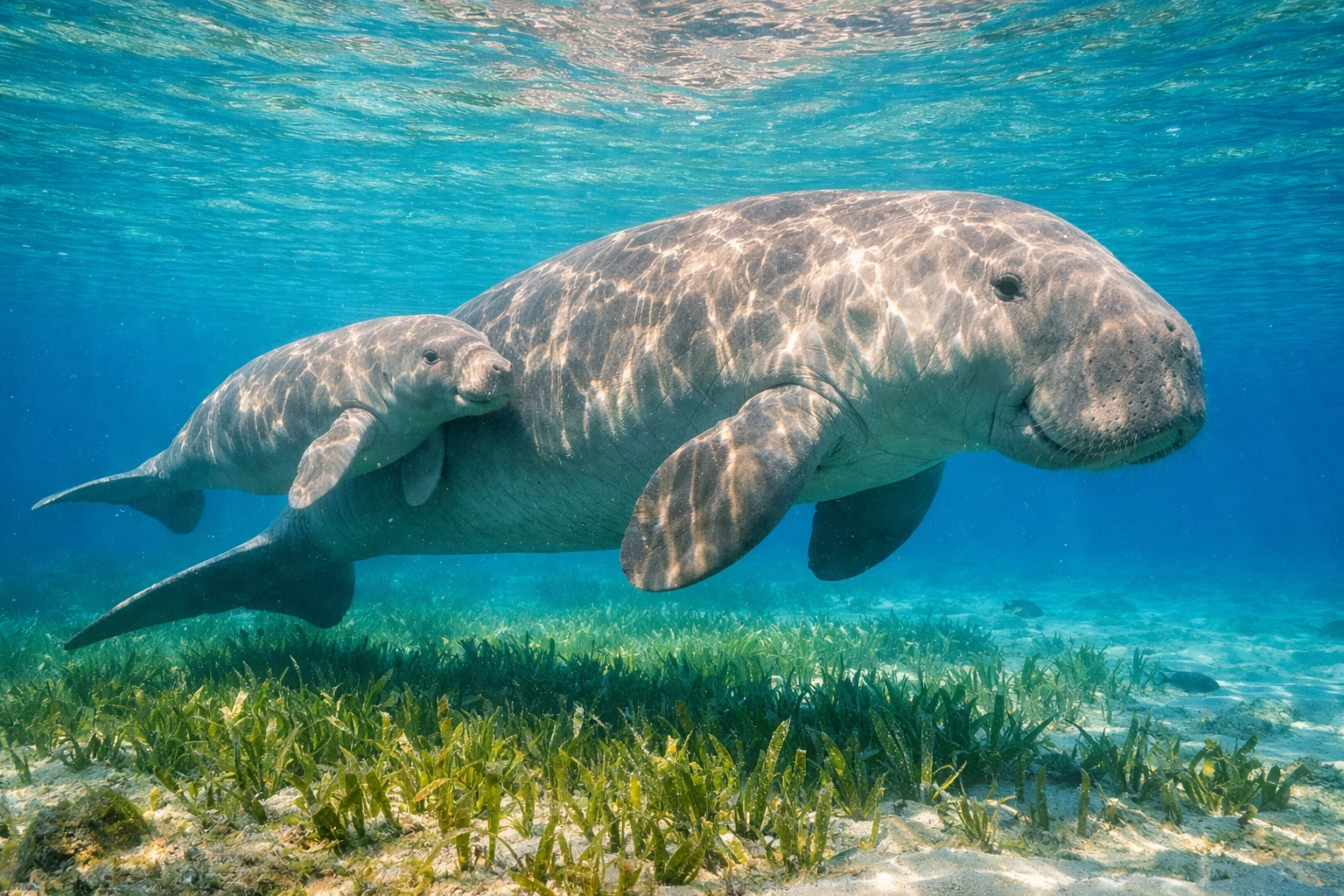
A baby dugong was spotted off Indonesia's coast on February 12.
Calves signal healthy breeding populations. They also confirm that seagrass meadow conservation is working: these endangered marine mammals depend entirely on these habitats.
Dugongs are indicators. When they thrive, entire ecosystems benefit.
This sighting proves that protecting habitat delivers results.
4. Massachusetts Commits $344K to Habitat Restoration
The Massachusetts Department of Fisheries and Wildlife awarded $343,985 in grants to seven organizations this week.
The numbers:
- 191 acres of wildlife habitat restored
- Projects across sandplain grasslands, floodplain forests, and pine barrens
- Target species: grasshopper sparrows, eastern whip-poor-wills, and more
Specific projects include:
- Sandplain grassland restoration on Cuttyhunk Island
- Invasive species management in floodplain forests
- Pine barrens restoration on Nantucket
State-level investment matters. Local impact scales.
5. First Asian Elephant Birth at Smithsonian Zoo in 25 Years
Meet Linh Mai. Born at the Smithsonian's National Zoo, she's the first Asian elephant calf there in nearly 25 years.
Asian elephants are endangered. Every birth in a managed breeding program matters for genetic diversity and long-term species survival.
The Smithsonian's investment in conservation breeding programs is paying off. This birth represents progress: not just celebration.
Why These Stories Matter for Conservation Storytelling
These five stories share something: measurable impact.
Conservation communications often struggle with abstraction. These stories deliver concrete proof:
- 106,000 snails bred and released
- One species delisted
- Baby dugong confirming ecosystem health
- $344K invested in habitat
- One endangered elephant calf born
Numbers. Results. Progress.
At Zoo Imagery, we work with conservation organizations to tell these stories through powerful visuals. Species spotlights. Habitat restoration documentation. Birth announcements.
The right image makes the story real.
What Visual Storytelling Does for Conservation
Photography captures what words can't: scale, habitat, behavior, connection.
A baby dugong in clear water tells viewers the ocean is healing. A snail colony thriving on Bermuda rock shows restoration in action. An elephant calf standing beside its mother demonstrates breeding program success.
Visuals drive engagement. Engagement drives support. Support funds the next project.
This cycle matters.
How to Amplify Your Conservation Work
If you're working in conservation: at a zoo, aquarium, wildlife organization, or research institution: your stories deserve better reach.
Consider:
- Regular species spotlights
- Behind-the-scenes habitat work documentation
- Partnership announcements
- Breeding program milestones
- Research updates
Consistency builds audience. Authenticity builds trust.
Ready to tell your conservation story? Zoo Imagery provides photography and visual content for zoos, aquariums, and conservation organizations. Visit our website or connect with us on LinkedIn to explore how we can help document your impact.
These five wins prove conservation works. Let's make sure the world sees it.


