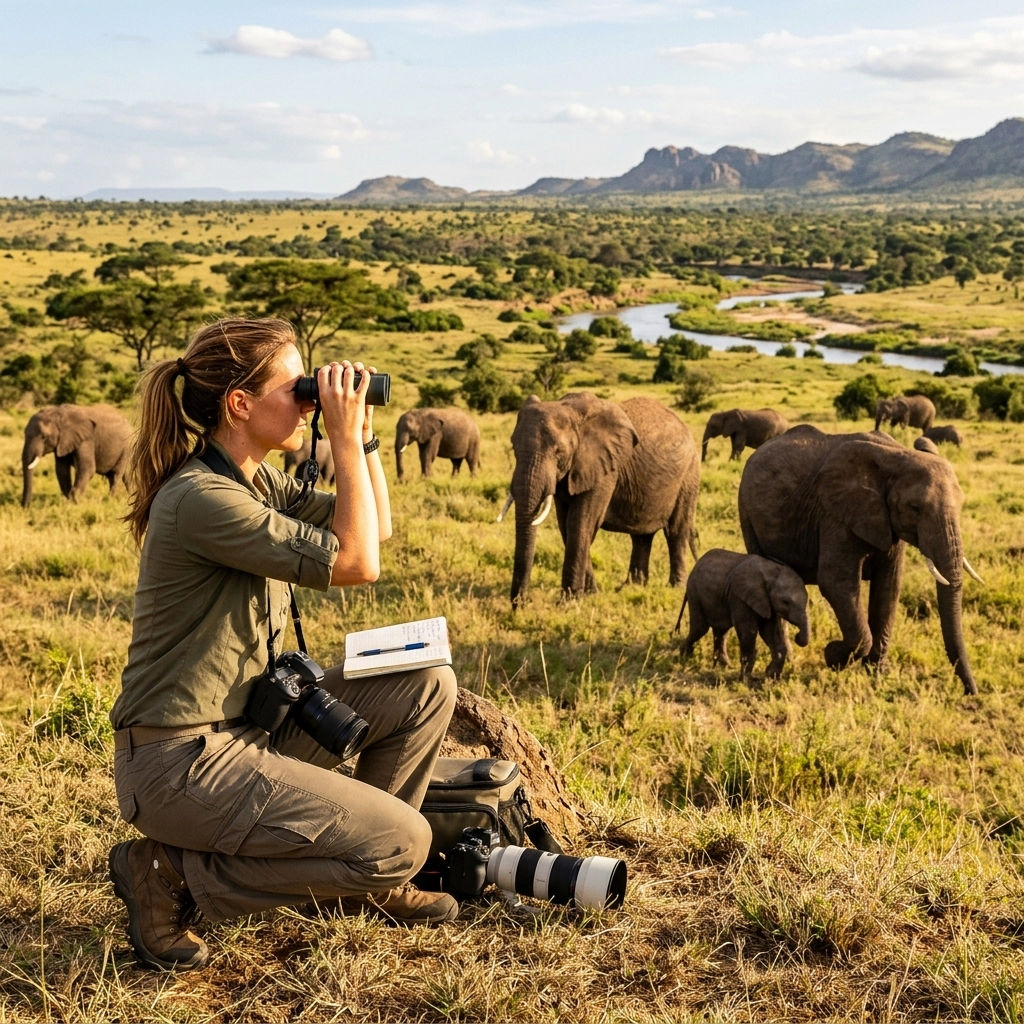
Looking For New Wildlife Trends? Here Are 10 Things You Should Know About Sustainable Marketing
Sustainable marketing in 2026 isn't about slogans. It is about proof. For zoos, aquariums, and conservation groups, the shift is clear. Donors and visitors are tired of vague promises. They want direct connection to the field.
Here is what you need to know to stay relevant.
1. Market the "Un-Charismatic" Species
Most marketing budgets go to lions, tigers, and pandas.
Recent studies show a massive research gap.
Small species like rodents and shrews are ecologically vital but ignored.
- Focus on the "underdogs."
- Use imagery of species that keep ecosystems functioning.
- Highlight the rodents that aerate soil.
- Tell stories about the shrews that manage insect populations.
- Differentiate your brand by being the voice for the overlooked.
2. Digital Transparency with Blockchain
Trust is a currency.
People want to know exactly where their money goes.
- Blockchain isn't a buzzword here. It is a ledger.
- Use it to track conservation milestones.
- Connect specific donations to specific habitat restoration markers.
- Show the chain of custody for rescued wildlife.
- Give donors a sense of ownership over a verified outcome.

3. The eDNA Revolution in Content
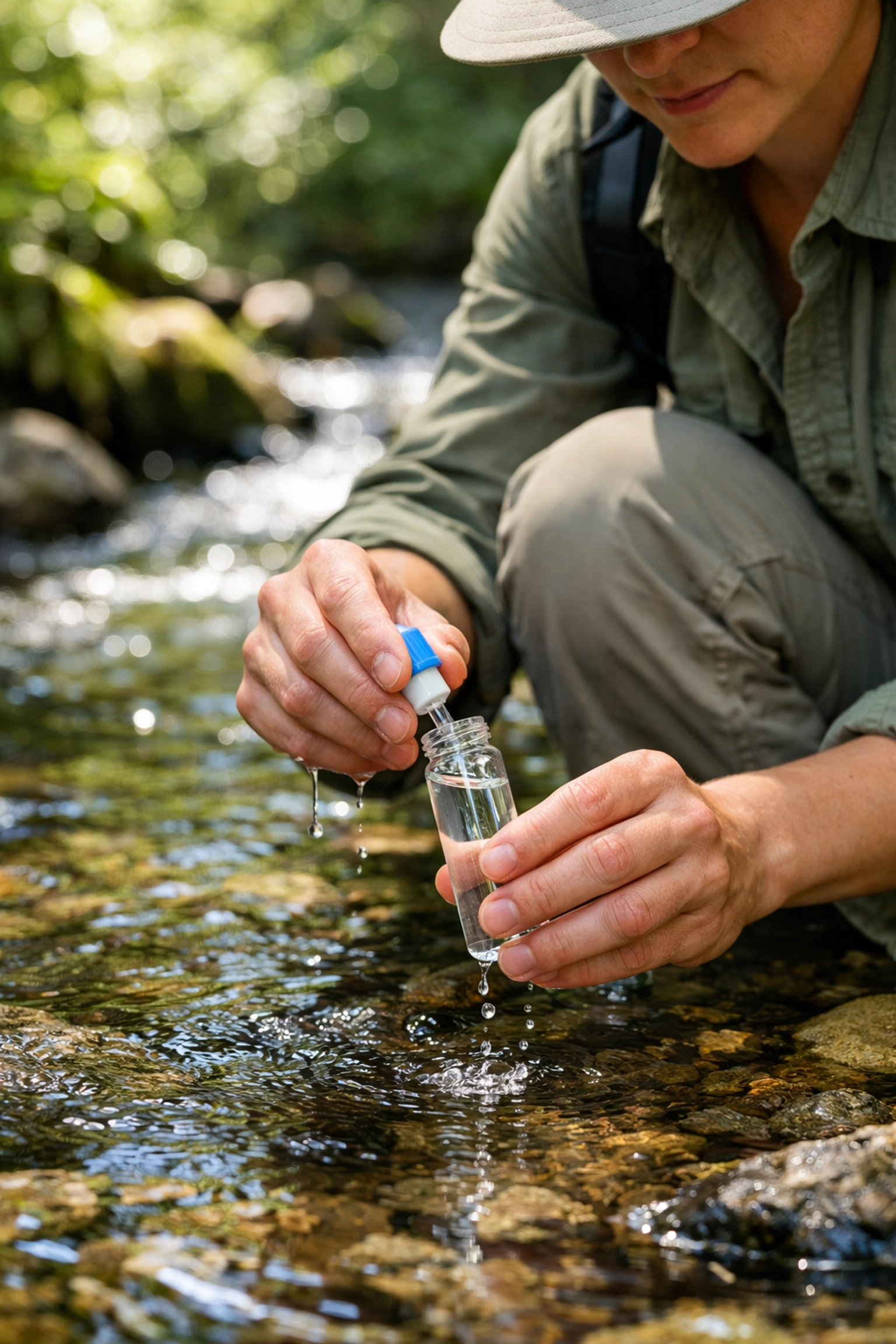
Environmental DNA (eDNA) is changing how we monitor wildlife.
It allows for non-invasive species tracking.
- Share the science behind the imagery.
- Market the "presence" of rare animals even if they aren't visible on camera.
- Use eDNA data to create heat maps for your conservation stories.
- It proves the impact of your work without disturbing the animals.
- High-tech monitoring builds high-level credibility.
4. Urban Rewilding as a Local Trend
Wildlife trends aren't just happening in remote jungles.
They are happening in the cracks of city sidewalks.
- Market your urban conservation efforts.
- Use imagery of native species returning to urban centers.
- Encourage visitors to see themselves as part of the "corridor."
- Highlight your zoo’s role in local biodiversity restoration.
- Make conservation accessible to the person living in an apartment.
5. Data-Backed Honesty
The statistics are heavy.
Abundance in studied species is down by 52%.
- Do not hide the numbers.
- Use them as a baseline for why your work matters.
- Transparent reporting is better than a glossy brochure.
- State the decline plainly.
- Show the specific steps you are taking to reverse the local trend.
- People trust brands that admit the scale of the problem.
6. Regenerative Agriculture Partnerships
Food systems and wildlife are inseparable.
Sustainable marketing now includes where your animal feed comes from.
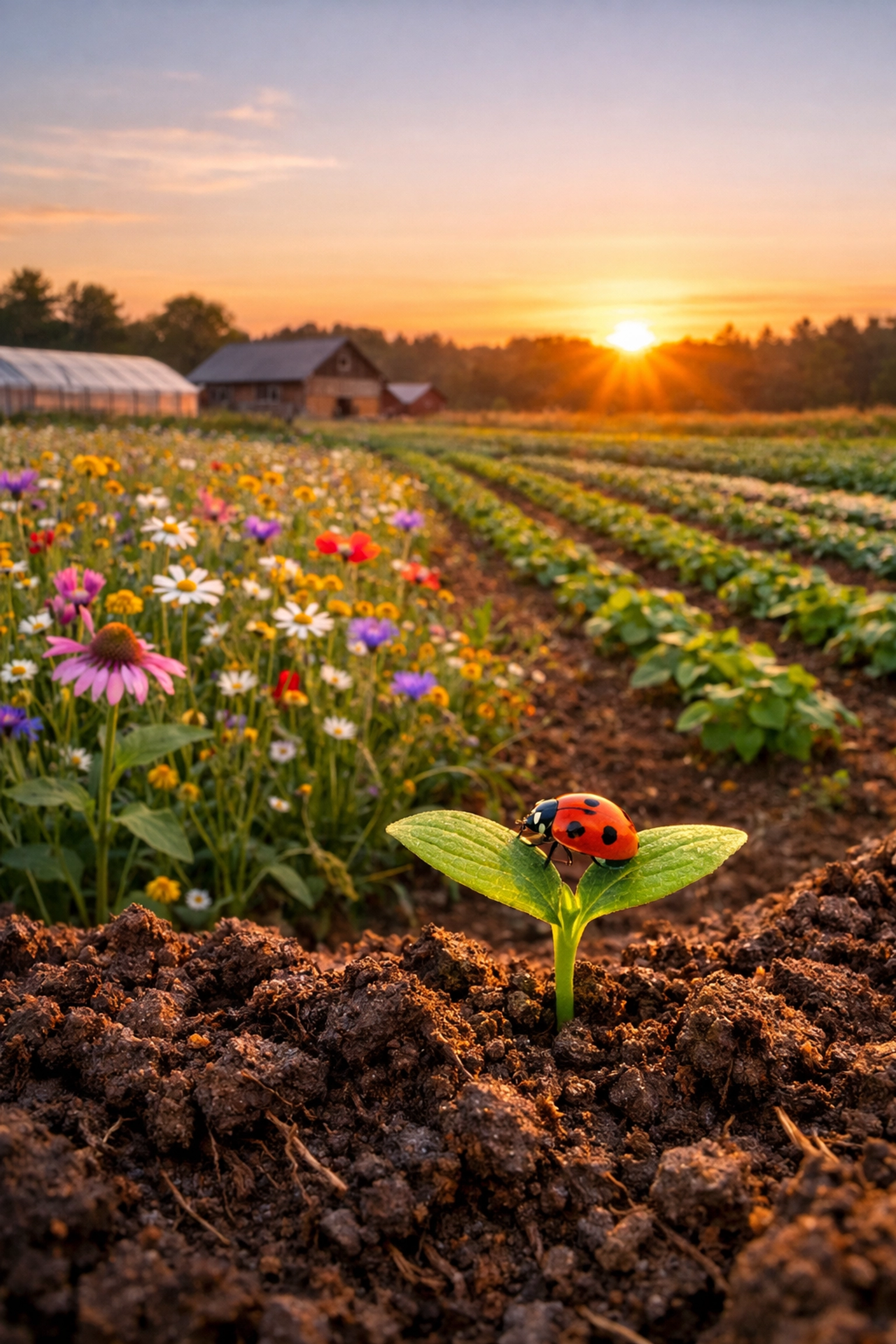
- Highlight partnerships with regenerative farms.
- Use imagery showing healthy soil and diverse insect populations.
- Tell the story of how your procurement choices protect wild habitats.
- This is a "behind-the-scenes" trend that builds deep loyalty.
- It moves the conversation from "saving an animal" to "sustaining a system."
7. Satellite Imagery and Risk Prediction
Marketing is moving from reactive to predictive.
Using satellite data, we can see threats before they happen.
- Share "birds-eye" views of habitat changes.
- Use predictive models to show what a region will look like in 10 years.
- Ask for support based on future needs, not just past crises.
- It positions your organization as a forward-thinking leader.
- High-resolution satellite imagery is a powerful storytelling tool.
8. The "Presented By" Animal Page
Traditional sponsorship is evolving.
Instead of a plaque on a fence, think digital integration.
- Create dedicated pages for species.
- Allow partners to "present" specific conservation stories.
- Focus on the work, not just the brand logo.
- High-quality stock photography makes these pages professional.
- It gives sponsors a sense of genuine contribution to a species' survival.
9. Pollinators and Wetlands: The Backbone
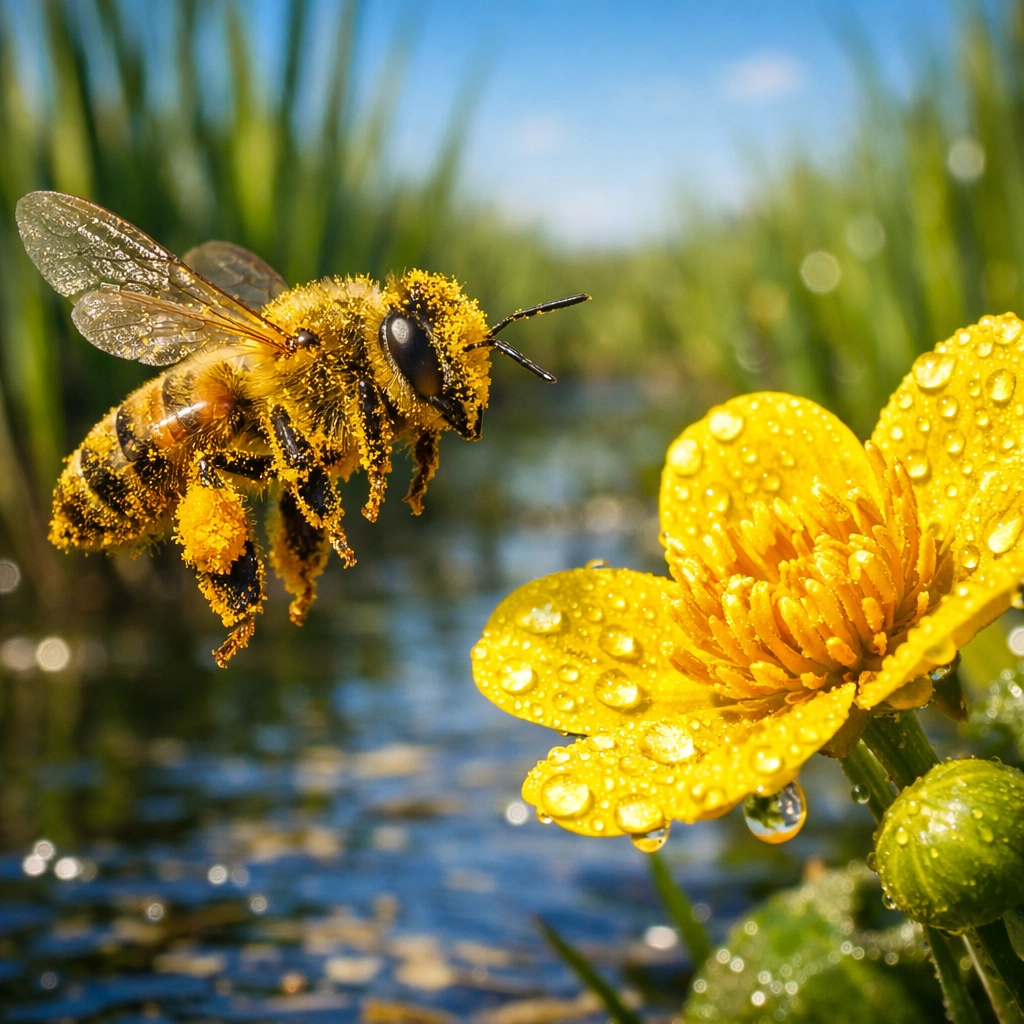
While megafauna get the clicks, wetlands and pollinators keep the planet breathing.
- Shift some of your primary marketing real estate to insects and water systems.
- Explain the "service" these species provide to humans.
- Use macro photography to make small worlds look grand.
- Connect wetland rejuvenation directly to water security.
- This creates a more robust, ESG-aligned narrative.
10. Simple, Direct Messaging
The most effective sustainable marketing is the simplest.
- Cut the jargon.
- Avoid "synergy," "paradigm shift," or "eco-friendly."
- Use words like "cleaner," "more," "healthier," and "protected."
- State the goal: "We are planting 5,000 trees to house 50 species."
- Be direct about what you need and what you have achieved.
- Let the imagery do the heavy lifting.
Why Visuals Matter More Than Ever
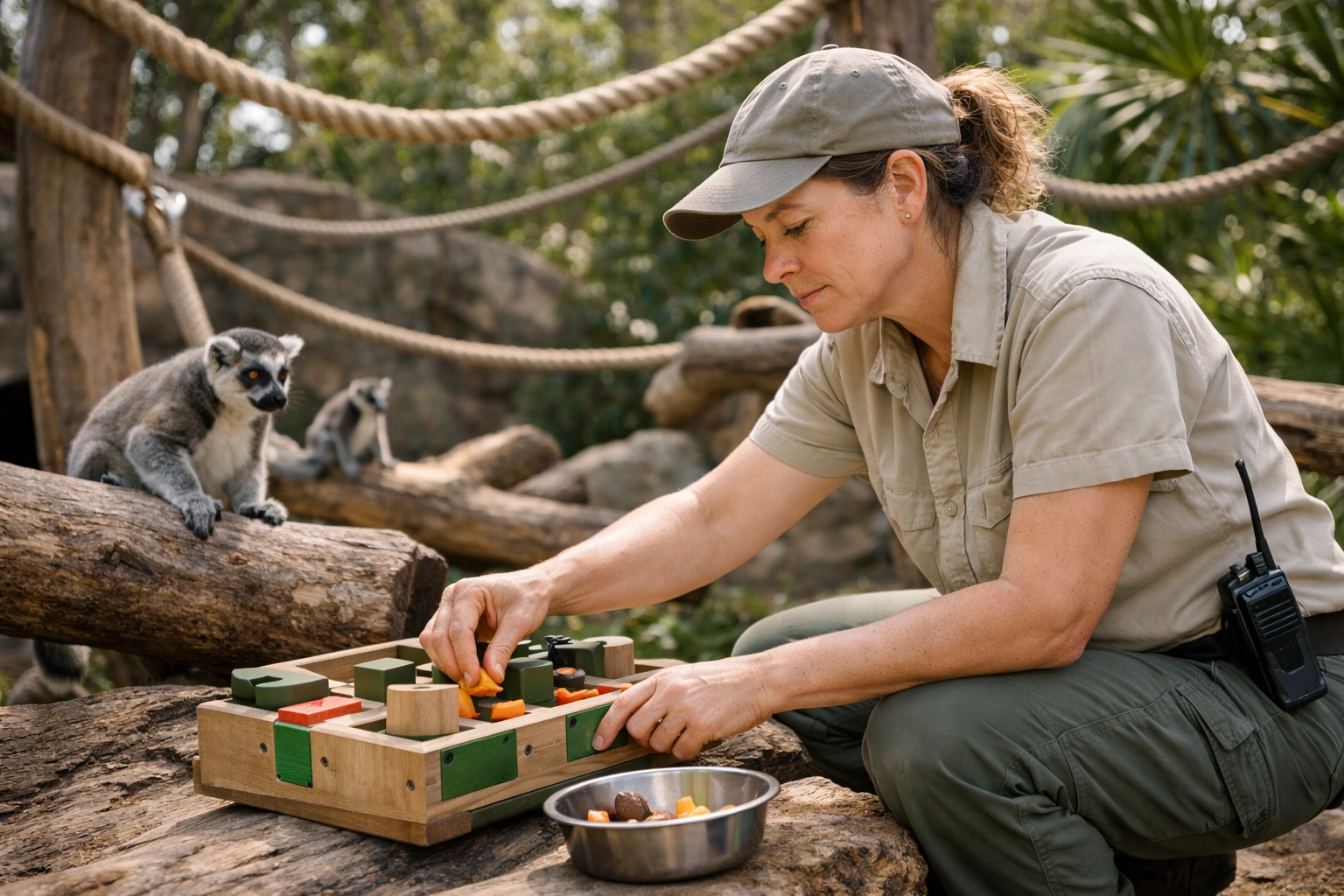
In a world of deepfakes and AI-generated noise, authentic photography is a pillar of trust.
Stock imagery for zoos and aquariums must be more than just "pretty."
It must be accurate.
It must be timely.
It must tell a story of real life.
Zoo Imagery provides the visual assets that power these trends.
Simple. Professional. Effective.
Conservation Storytelling
Your audience wants to be part of something real.
They don't want to be "marketed to."
They want to be recruited into a mission.
- Use sponsored species spotlights to highlight specific needs.
- Keep your ESG-aligned campaigns focused on outcomes.
- Share the failures as well as the wins.
- Authenticity is the only way to sustain a marketing message in 2026.
Direct Insights for Your Organization
Marketing for zoos and aquariums isn't just about ticket sales.
It is about the long-term viability of the institution.
Trends suggest that visitors now value "impact" over "entertainment."
Adjust your content strategy to reflect this.
- Audit your current imagery. Does it look like a postcard or a report from the field?
- Review your species list. Are you only talking about the "stars"?
- Check your language. Is it clear, or is it hidden behind corporate buzzwords?
- Leverage technology. Can you show proof of your impact?
The Path Forward
Sustainable marketing is a commitment to the truth.
It is a commitment to the species we protect and the people who support that protection.
By focusing on transparency, technological integration, and the "un-charismatic" species, your organization can lead the next wave of conservation awareness.
Zoo Imagery is here to provide the media you need to tell these stories effectively.
We focus on the images, so you can focus on the animals.
Connect with us.
Explore our library at zooimagery.com.
Follow our updates on LinkedIn.
Let’s change how the world sees wildlife.
Zoo Imagery. Simple media solutions for the modern conservationist.


