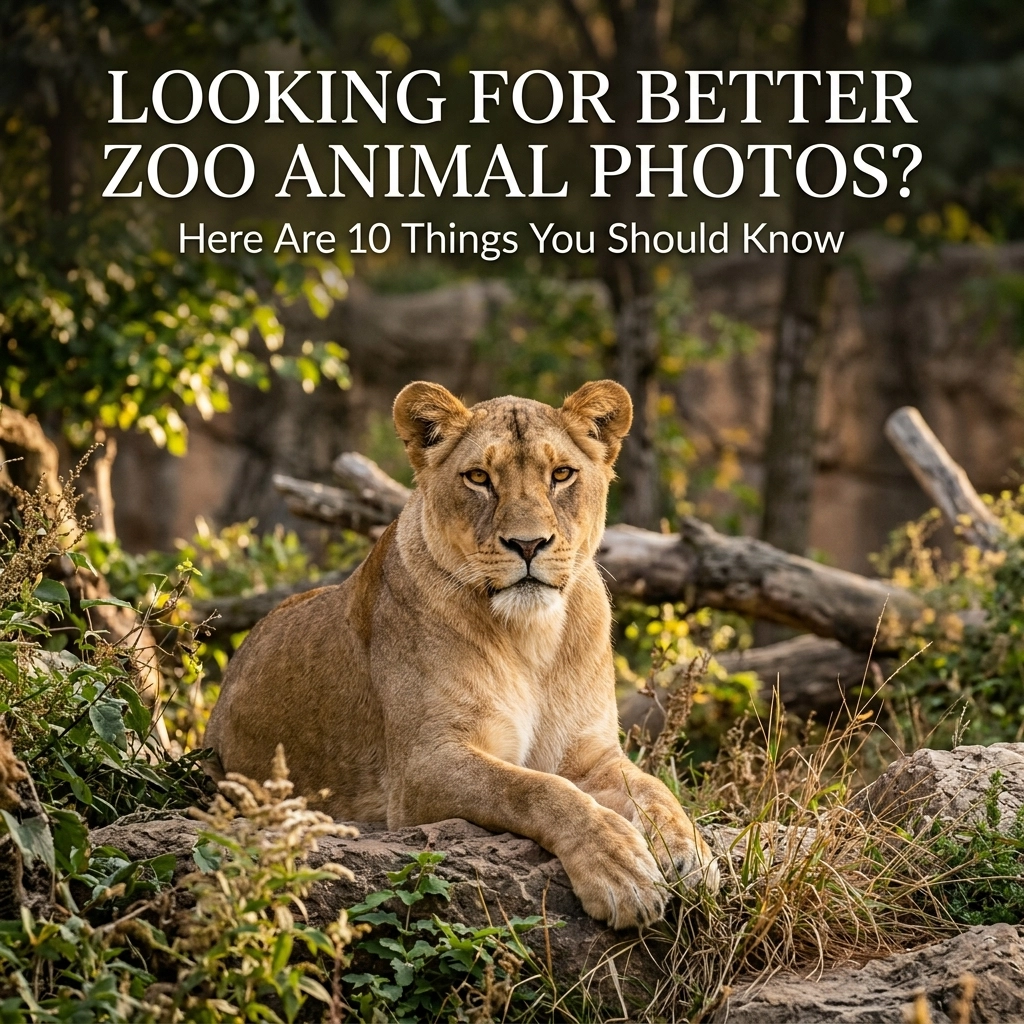
Looking For Better Zoo Animal Photos? Here Are 10 Things You Should Know
Zoo photography is an art. It takes patience. It takes the right gear. Most of all, it takes an eye for detail.
At Zoo Imagery, we provide professional stock photography. We help brands connect with wildlife through "Presented by" animal pages and sponsored species spotlights. If you want your images to look professional, you need a plan.
Here are 10 things you should know to get better results.
1. Gear Matters: Use a Telephoto Lens
Standard lenses don't cut it. Animals are often far away. You need reach.
A lens in the 100-400mm range is the sweet spot.
- Zoom in. Get close to the texture of the fur or the scales.
- Blur the background. A long focal length creates a shallow depth of field. This hides distracting elements like fences or crowds.
- Isolate the subject. The goal is to make the viewer feel like they are in the wild, not at a park.
High-quality equipment is the first step toward professional-grade digital media. If you can't get the shot, our stock library at zooimagery.com usually has exactly what you need.
2. Weather Secrets: Embrace Overcast Days
Bright sunlight is a challenge. It creates harsh shadows. It blows out highlights.
Cloudy days are a photographer's best friend.
- Soft light. Clouds act like a giant softbox.
- Even exposure. No squinting animals. No dark patches under eyes.
- True colors. Saturation looks better under flat light.
Professional species spotlights often rely on this "perfect" lighting to show off the animal’s natural beauty without the distraction of heavy shadows.
3. Perspective: Get Eye-Level
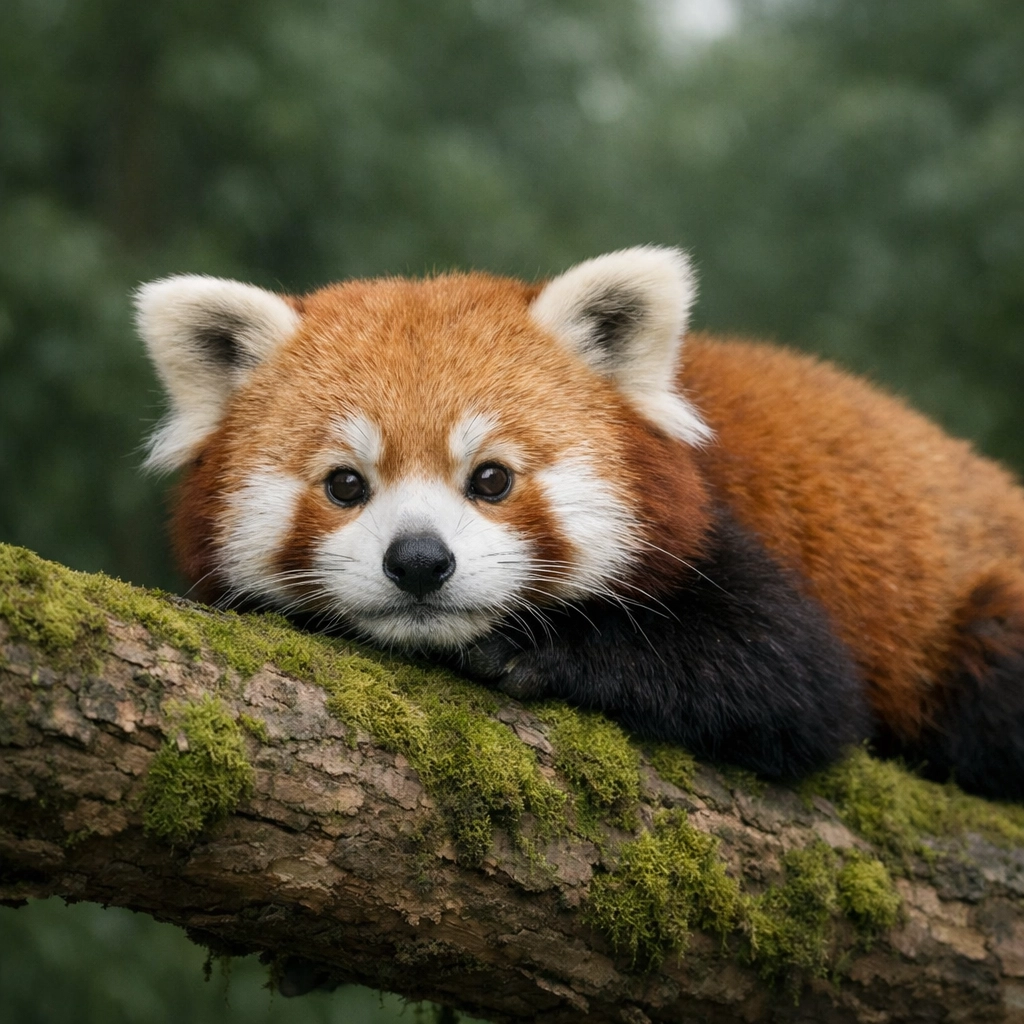
Most people take photos from a standing position. This results in a "looking down" perspective. It feels detached.
To create a connection, change your height.
- Squat or kneel. Match the animal’s eye line.
- Engage the viewer. An eye-level shot feels intimate. It tells a story.
- Natural look. It removes the "human" height bias from the frame.
This approach is vital for conservation storytelling. It treats the animal as an equal subject, not an object below us.
4. The Golden Rule: Focus on the Eyes
If the eyes are blurry, the photo is a miss.
The eyes are the window to the animal’s personality. When you look at a "Presented by" animal page, the first thing you notice is the gaze.
- Single-point autofocus. Place it directly on the eye.
- Continuous focus. If the animal moves, your camera should track the eye.
- Catchlights. Look for a small reflection of light in the eye. It adds "life."
Sharp eyes turn a simple snapshot into a professional asset for digital media use.

5. Disappearing Acts: Eliminating Fences
Fences are the biggest giveaway of a zoo setting. You can make them vanish.
- Large aperture. Use a low f-stop (like f/4 or f/5.6).
- Get close. Put your lens as close to the mesh as safety allows.
- Focus distance. Ensure the animal is far behind the fence. The lens will "look through" the mesh, turning it into a faint, invisible blur.
This technique is essential for stock photography. Buyers want images that look like they were taken in the wild.
6. Glass Tactics: Handling Reflections
Aquariums and reptile houses use glass. Glass means glare.
- Wipe it down. Fingerprints ruin shots. Use a microfiber cloth.
- Touch the glass. Lean your lens hood against the glass to block light from behind you.
- Angle yourself. If you can’t touch the glass, shoot at a slight angle to move reflections out of the frame.
Clean shots through glass are necessary for high-end sponsored species spotlights where clarity is everything.
7. Background Check: Watch the Clutter
A great animal shot is often ruined by a trash can or a bright blue sign in the background.
- Scan the frame. Look at the edges before you click.
- Shift your feet. A two-inch move to the left can hide a distracting pole behind a tree.
- Dark backgrounds. Try to find angles where the background is in shadow. This makes the animal "pop."
Simplicity is key. Professional photography is about what you leave out of the frame as much as what you put in.
8. Timing is Everything: Behavior over Boredom
Animals sleep a lot. A sleeping lion is fine, but a lion at feeding time is better.
- Check the schedule. Ask zookeepers about feeding times.
- Early or late. Animals are most active during the cooler parts of the day.
- Patience. Wait for a yawn, a stretch, or a look toward the camera.
Action shots provide more engagement for social media and marketing campaigns. They show the animal’s true spirit.
9. Natural Settings: The Sponsorship Edge
For brands looking at "Presented by" opportunities, the environment matters.
- Choose naturalistic enclosures. Focus on areas with grass, rocks, and trees.
- Avoid man-made structures. If there is a wooden platform or a plastic toy, try to crop it out.
- Consistent branding. High-quality, natural-looking images build trust between the sponsor and the audience.
Zoo Imagery specializes in capturing these moments so brands don't have to worry about the logistics of a shoot. We focus on quality visuals that align with your brand's commitment to nature.
10. Light Direction: Keep the Sun at Your Back
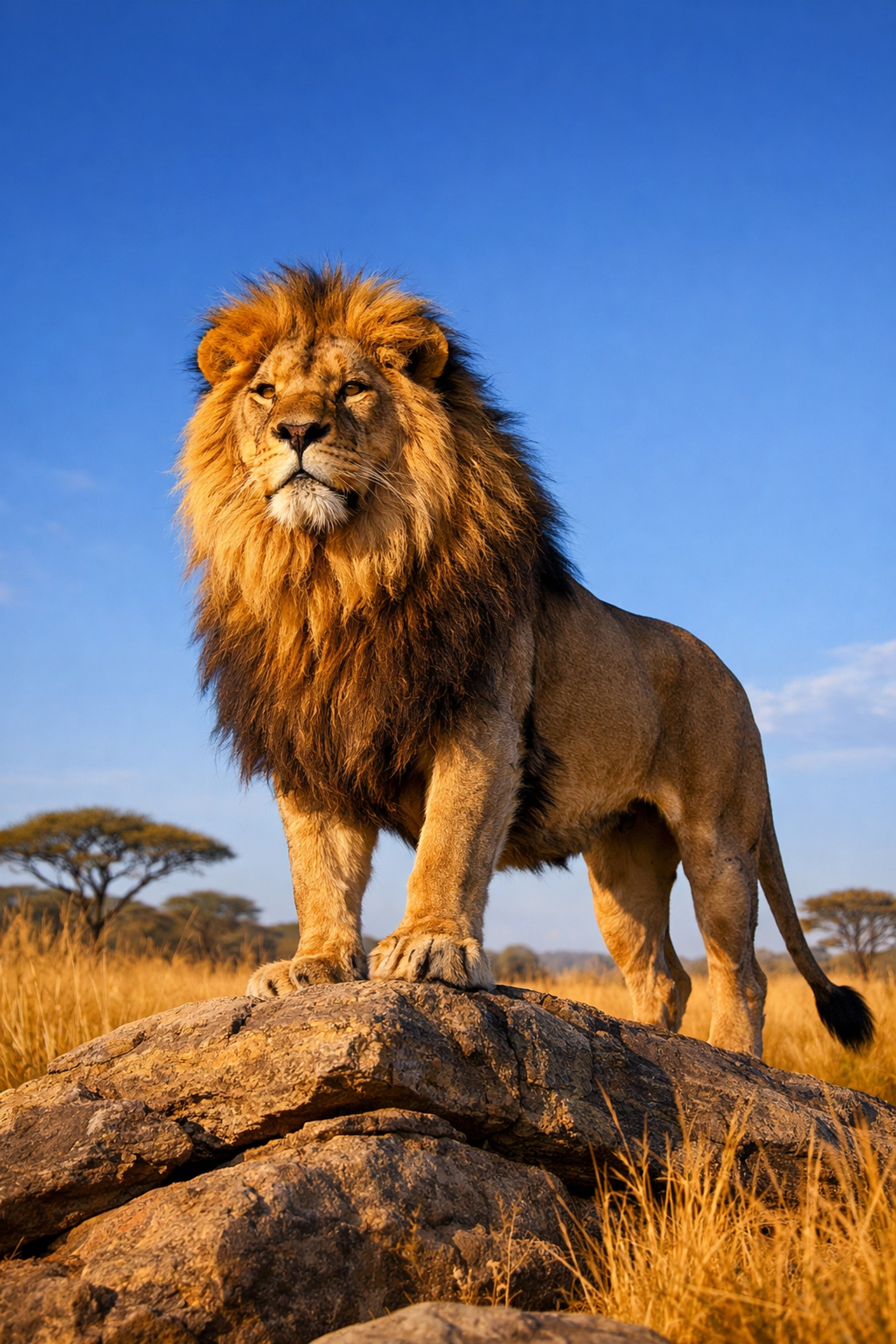
Lighting can make or break the texture of an animal’s coat.
- Check the sun. Position yourself so the sun is behind you or to your side.
- Preserve detail. Front-lighting ensures the details in dark fur or feathers aren't lost in shadow.
- Side-lighting. This is great for showing off the texture of elephant skin or rhino horns.
Understanding light is the difference between a flat image and a three-dimensional one.
Why Better Photos Matter
In the world of digital media, quality is the barrier to entry. High-resolution, professional images are essential for:
- Species Spotlights. Highlighting a specific animal requires a photo that captures its unique characteristics.
- Sponsored Pages. Corporations want to be associated with excellence. A blurry photo reflects poorly on the sponsor.
- Educational Content. Clear photos help people identify and appreciate wildlife features they might otherwise miss.
Work With Zoo Imagery
We understand the challenges of zoo photography. It takes time, expensive gear, and a lot of luck.
We’ve done the hard work for you.
Our library is filled with professional stock photography designed for zoos, aquariums, and their partners. We focus on simple, effective marketing solutions that put animals first.
Whether you are looking for a specific species spotlight or want to learn more about our "Presented by" animal pages, we are here to help.
Explore our library: zooimagery.com
Stay updated: Follow Dan Kost and the team on LinkedIn for more insights into the world of zoo media and stock photography.
Summary Checklist for Your Next Visit:
- Telephoto lens (100mm+).
- Overcast day (if possible).
- Kneel down for eye-level shots.
- Focus lock on the eyes.
- Wide aperture to blur fences.
- Lens hood against the glass.
- Clean, natural backgrounds.
- Arrive early for peak activity.
- Look for naturalistic elements.
- Keep the sun behind you.
Capture the beauty. Tell the story. Support conservation.
Zoo Imagery makes it simple.


