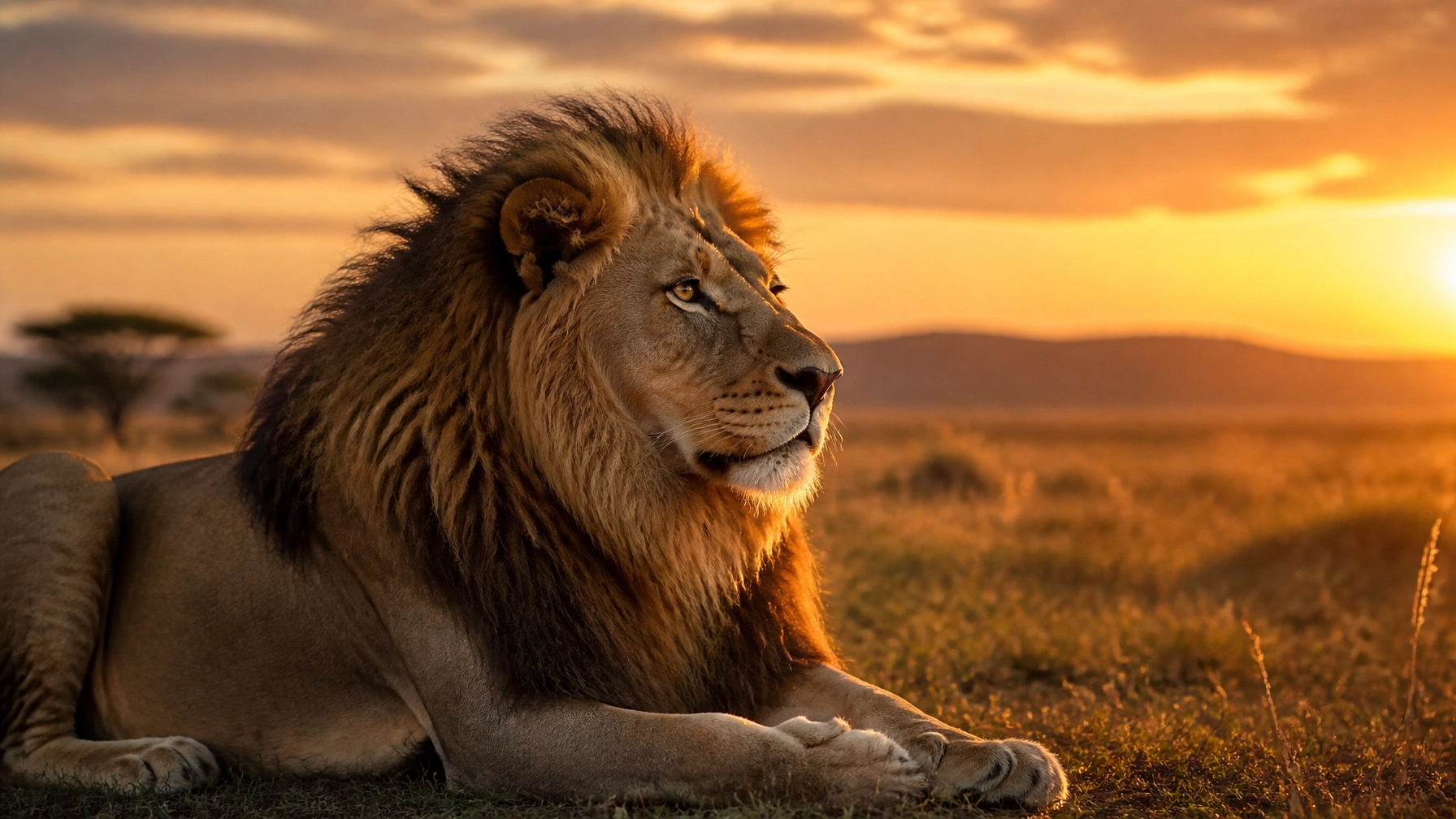
Lion Conservation Spotlight: The Kings of the Savanna
When we picture the wide-open spaces of the African savanna, one animal instantly comes to mind. With their magnificent manes, powerful strides, and deep, resonant roars, lions have earned their reputation as the undisputed kings of the animal kingdom. But beyond their majestic presence on postcards and documentaries, lions play a critical role in maintaining healthy ecosystems. Today, we are taking a closer look at these incredible cats, the conservation challenges they face, and how exceptional photography can help tell their story and inspire action.
Fascinating Facts About Lions
Lions are full of surprises. While many people think of them as solitary hunters like leopards or tigers, lions are actually the most social of all wild cat species. They live in family groups known as prides.
Here are a few quick facts about these remarkable animals:
- The Pride Dynamic: A typical pride consists of related females, their offspring, and a small coalition of dominant males who protect the territory.
- The Power of the Roar: A lion's roar is so loud that it can be heard from up to five miles away. It serves as a warning to rival prides and a beacon to keep the family connected.
- Rest is Priority: Lions are famous for their afternoon naps. They can sleep or rest for up to 20 hours a day, conserving energy for the cool evening hours when hunting usually takes place.
- Apex Predators: Sitting at the top of the food chain, lions help regulate the populations of herbivores like zebras and wildebeest, keeping the entire savanna ecosystem balanced and vibrant.

Understanding Lion Conservation Status
Despite their iconic status, wild lion populations have experienced significant declines over the past few decades. Globally classified as Vulnerable on the IUCN Red List, African lions now occupy only a small fraction of their historical range.
Several key pressures contribute to these declines:
- Habitat Loss: As human populations grow, savanna and woodland areas are increasingly converted into agricultural land and settlements, shrinking the space available for wildlife.
- Prey Depletion: The illegal bushmeat trade reduces the natural prey base for lions, making it harder for them to find food in protected reserves.
- Human-Wildlife Conflict: When lions occasionally venture near livestock, it can lead to tension with local farming communities, sometimes resulting in retaliatory actions.
Conservationists and local communities are working hard to turn the tide. Through innovative coexistence programs, protected wildlife corridors, and anti-poaching patrols, there is real hope for securing a sustainable future for lions across Africa and safeguarding regional populations like the Asiatic lions in India.

The Power of Visual Storytelling in Conservation
How do we inspire people thousands of miles away to care about creatures they may never see in person? The answer lies in powerful, authentic imagery.
Photography bridges the gap between wild landscapes and human empathy. When content creators, educators, and marketers use stunning, high-resolution animal photos, they capture attention instantly. A crisp portrait of a lioness looking out over the plains or a playful cub learning the ropes can spark curiosity, foster emotional connection, and drive support for conservation initiatives.
At Zoo Imagery, we believe that incredible photography should do more than just look good: it should tell a meaningful story. Whether you are building an educational website, designing a campaign for an environmental non-profit, or curating content for a zoo or aquarium, having access to diverse, high-quality animal imagery makes all the difference.

Building Coexistence and Community Support
Protecting lions is not just about fences and rangers; it is about working hand-in-hand with local communities who share space with wildlife. Modern conservation initiatives focus heavily on predator-friendly farming practices. For instance, reinforcing livestock enclosures: known as bomas: helps protect cattle from predators while keeping lions safe from harm.
When communities benefit from wildlife tourism and sustainable land management, conservation becomes a shared mission. Educating visitors through engaging exhibits, interactive apps like ZooMedia.us, and vibrant visual storytelling helps foster a culture of appreciation and respect for nature.

How You Can Help
Every one of us can play a part in protecting lions and preserving savanna ecosystems:
- Spread Awareness: Share factual information and stunning photos of wildlife to educate your network about the importance of apex predators.
- Support Conservation Groups: Back reputable organizations working on anti-poaching, habitat restoration, and human-wildlife conflict mitigation.
- Choose Quality Content: If you are a creative professional or marketer, use authentic animal imagery in your projects to highlight wildlife beauty and encourage environmental stewardship.
Ready to elevate your next project with breathtaking wildlife visuals? Explore our diverse collection of stunning animal photography at Zoo Imagery and discover the perfect images to bring your conservation story to life.


