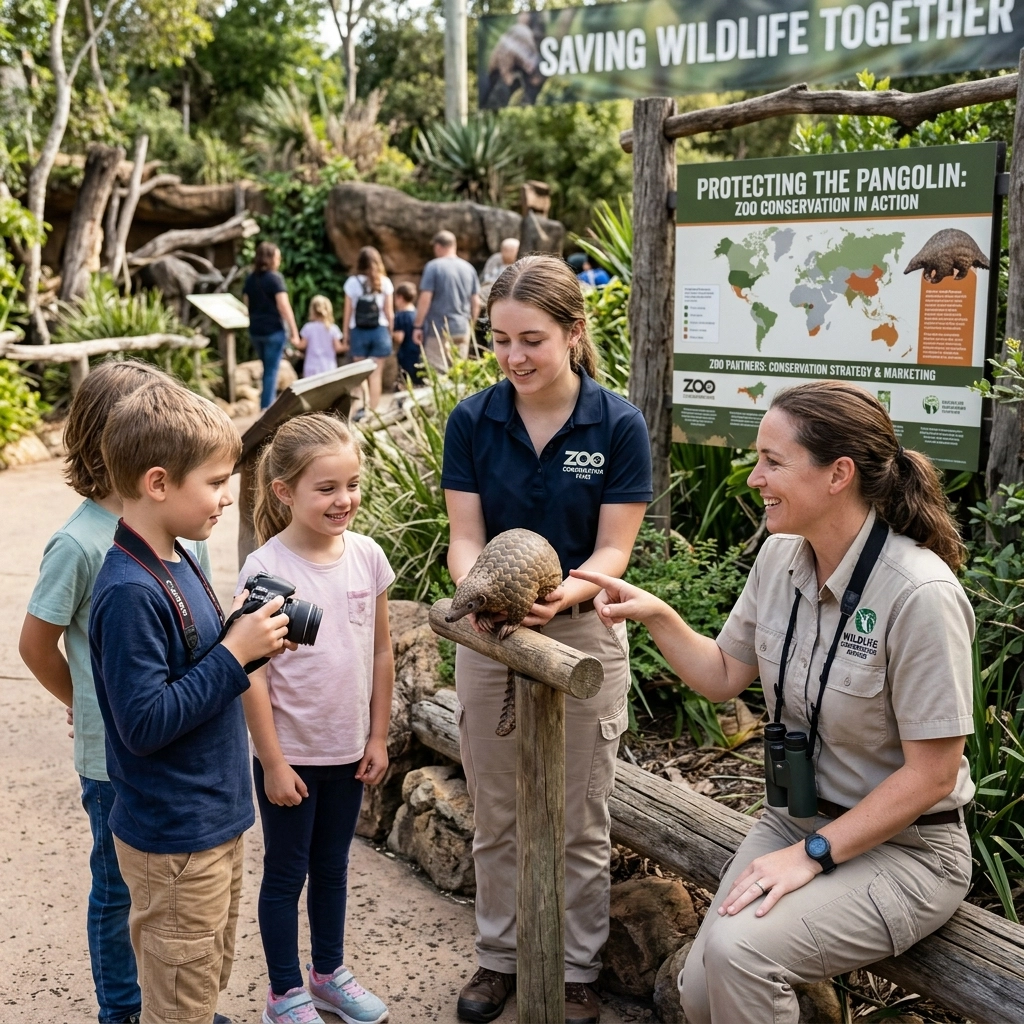
How to Integrate Wildlife Conservation with Your Zoo Marketing Strategy
Monday, 4 of May 2026.
Conservation is no longer a side project. It is your brand.
For modern zoos and aquariums, the mission and the marketing are the same thing. People don't just visit to see animals. They visit to support them. If your marketing doesn't reflect your conservation work, you are missing the point.
At Zoo Imagery, we see how visuals change the narrative. High-quality media bridges the gap between a visitor at the gate and a researcher in the field.

The Shift in Visitor Expectations
Visitors in 2026 are savvy. They want transparency. They look for proof of impact.
Old marketing: "Come see the lions."
New marketing: "Help us protect the pride."
Integration starts with a mindset shift. Stop treating conservation as a "feel-good" footer in your newsletter. Make it the headline.
1. Exhibits as Living Stories
Your physical space is your strongest marketing tool. Every enclosure should tell a story of preservation.
- Mimicry: Design habitats that mirror the wild.
- Signage: Use simple, direct language.
- Connection: Link the animal in front of the visitor to its counterparts in the wild.
When an exhibit looks natural, the message of conservation feels urgent. It shows the visitor what is at stake.

2. The "Presented by" Species Spotlight
Create dedicated pages for specific species. This is a "Presented by" model.
- Pick a species.
- Document their daily life.
- Share their conservation status.
- Highlight the specific field projects your zoo supports for them.
Don't use stock phrases. Use real data. How many hectares were protected last year? How many animals were released?
This creates a sense of ownership for the donor. They aren't just giving to "the zoo." They are giving to the Red Panda in Habitat 4.
3. Storytelling Through Rescue and Rehab
Rescue stories are powerful. They provide a clear beginning, middle, and end.
- The Arrival: Why did the animal come to you?
- The Care: What does it take to nurse them back to health?
- The Outcome: Can they be released? If not, how will they live out their lives?
Use video. Use high-resolution photography. Show the vet teams. Show the late-night feedings. This transparency builds trust. It shows the work that happens when the gates are closed.
4. Educational Programs with ROI
Education isn't just for school field trips. It’s for everyone.
- Workshops: Host sessions on local backyard conservation.
- Interactive Exhibits: Use touchscreens to show migration paths.
- Gamification: Create apps that reward visitors for learning about species threats.
When visitors learn, they stay longer. When they stay longer, they connect deeper.

5. Social Media Beyond the "Cute" Factor
Cute animal videos get likes. Impact stories get members.
Balance your feed.
- 60% Conservation impact: Fieldwork updates, research breakthroughs, habitat wins.
- 30% Animal updates: Births, enrichment, daily care.
- 10% Operations: Behind-the-scenes, staff spotlights.
Avoid buzzwords. Don't say "synergy" or "holistic approach." Say "We planted 500 trees." Say "We tracked three snow leopards."
Keep it simple. Let the visuals do the heavy lifting.
6. ESG-Aligned Campaigns (Without the Fluff)
Companies want to partner with zoos that show real results. They look for environmental and social governance.
- Waste Reduction: Show how your zoo handles plastic.
- Energy: Highlight solar panels or water recycling.
- Sourcing: Discuss where your animal feed comes from.
Marketing these efforts shows you practice what you preach. It makes your zoo a leader in the community. It attracts corporate sponsors who share your values.

7. Conservation Hero of the Month
Spotlight a person or an animal.
- Staff Heroes: The keeper who noticed a health issue early.
- Animal Heroes: The mother who successfully raised a rare cub.
- Community Heroes: The local school that raised funds for a specific project.
People relate to people. They also relate to individual animals. Personalize the mission.
8. Data and Transparency
Numbers don't lie. Use them.
- Current count: How many of a species are left in the wild?
- Your contribution: Total dollars sent to field partners this quarter.
- Success rate: Percentage of successful births in your breeding program.
Display these numbers on your website. Put them in your lobby. Update them regularly. Consistency builds credibility.
9. Membership with Purpose
Change how you sell memberships.
Don't just sell "free parking." Sell "active participation."
- "Your membership funded 10 sea turtle rescues this year."
- "A portion of your fee directly supports forest rangers in Sumatra."
Give members a reason to feel proud of their card. Give them regular updates on "their" projects.
10. Wildlife Trends to Watch in 2026
The landscape is changing. Here is what we see at Zoo Imagery:
- Hyper-Local Focus: Visitors care more about local wildlife than ever before. Don't ignore the species in your own backyard.
- Live Stream Access: 24/7 access to habitats via high-def cameras.
- Virtual Reality (VR): Taking visitors to the field projects without them leaving the zoo.
Stay ahead. Use technology to enhance the physical experience, not replace it.
Practical Marketing Insights
Keep your messaging direct.
- Use short sentences.
- Use active verbs.
- Avoid industry jargon.
- Focus on the animal, not the administration.
If a five-year-old can't understand why a species is in trouble, your marketing is too complex. Strip it back.
Building Trust Through Honesty
Sometimes conservation is hard. Sometimes stories don't have a happy ending.
Be honest about the challenges. Share the difficulties of field work. Talk about the threats of climate change and habitat loss without being "doom and gloom."
Offer solutions. Tell the visitor what they can do today.
- Avoid single-use plastics.
- Support sustainable palm oil.
- Donate to specific funds.
Empowerment is better than guilt.
The Role of High-Quality Media
You can have the best conservation project in the world. If you have a blurry photo of it, no one will care.
Invest in your visual library.
- Professional photography of every species.
- B-roll of field work.
- Interviews with experts.
Zoo Imagery provides the assets you need to tell these stories properly. We simplify the process so you can focus on the animals.
Final Thoughts
Integrating conservation into your marketing isn't a trend. It's the future of the industry.
When you lead with your mission, the marketing takes care of itself. People want to be part of something bigger. Show them how your zoo is changing the world.
Start small. Change one campaign. Update one sign. Tell one rescue story.
The impact will follow.
Ready to upgrade your zoo’s visual storytelling?
Explore our library of professional wildlife media at zooimagery.com.
Follow our latest updates and marketing insights on LinkedIn.
Let’s share the story of conservation together.


