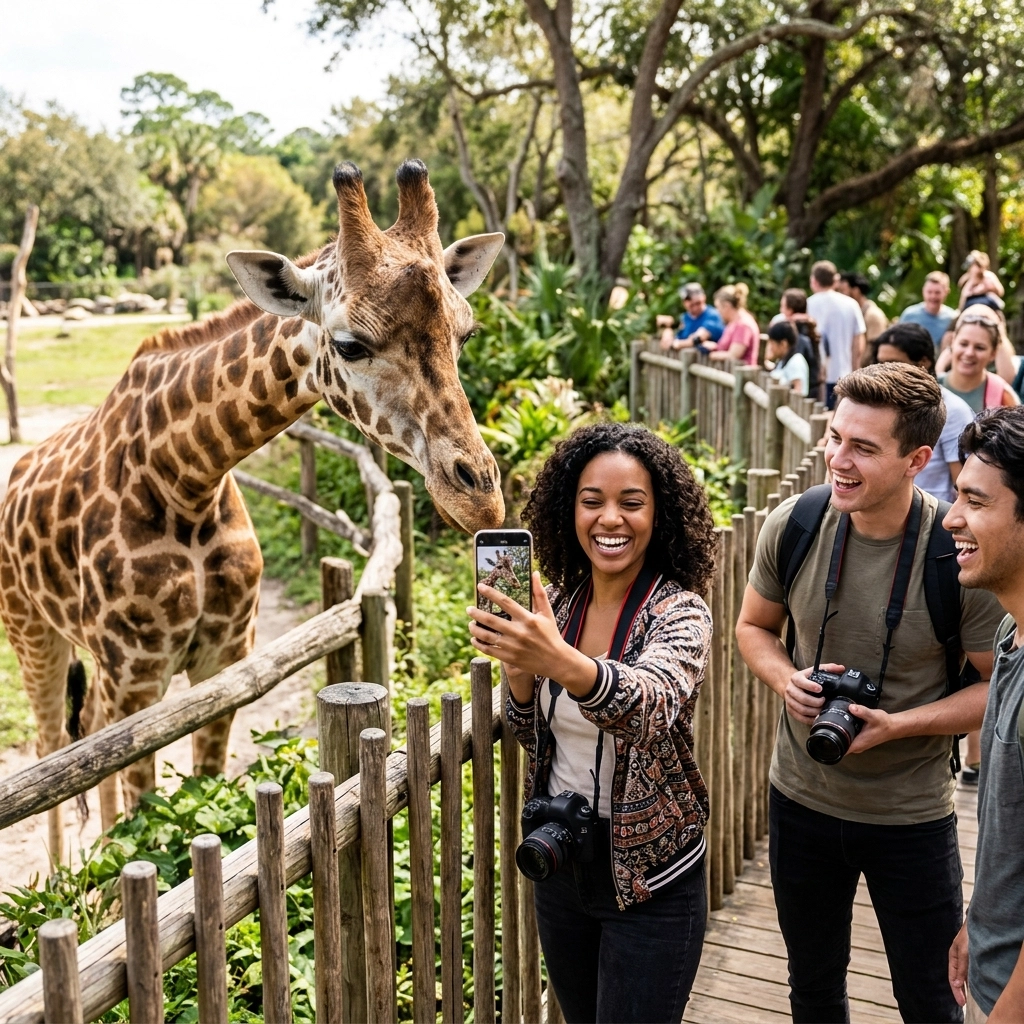
How to Integrate User-Generated Content With Zoo Animal Photos
Authenticity matters. In the digital space, users seek real connections. User-Generated Content (UGC) provides this. It is raw. It is relatable. It builds trust.
At Zoo Imagery, we provide professional foundations. We offer high-quality stock photography. But professional photos are only half of the story. The other half belongs to the visitors.
Combining these two elements creates a complete narrative. It bridges the gap between polished marketing and genuine experience.
The Value of UGC
UGC is social proof. When a visitor shares a photo of a wild tiger, they are endorsing the experience.
- Trust. People believe other people.
- Engagement. UGC starts conversations.
- Cost-effective. It supplements your media library.
- Freshness. It provides a constant stream of new perspectives.
Professional imagery sets the standard. UGC adds the heart.

The Anchor: Professional Stock Photography
UGC can be inconsistent. Lighting varies. Composition is often secondary to the moment. This is where Zoo Imagery fits in.
Our library acts as the anchor. Use professional shots for:
- Hero banners.
- Educational materials.
- High-end print media.
- "Presented by" pages.
When you pair a professional lion portrait with a visitor's shaky video of a roar, you get the best of both worlds. The professional photo shows the beauty. The video shows the energy.
Sponsored Species Spotlights
Sponsored spotlights are powerful tools. They highlight a specific animal. They invite a sponsor to align with conservation.
How to integrate UGC here:
- Pick a species. Example: Elephants.
- Feature a professional lead image from Zoo Imagery.
- Surround it with a "Community Gallery."
- Use visitor photos showing the elephant in daily life.
- Credit the photographer.
This approach makes the sponsor look like a patron of the community, not just the zoo. It feels inclusive. It feels shared.

"Presented by" Animal Pages
These pages are the bread and butter of digital zoo presence. A brand sponsors a specific animal’s landing page.
Structure for integration:
- Header: Professional, high-resolution photo. Use our pandas or giraffes listings for impact.
- Sidebar: Live social feed. Pull in content using a specific hashtag.
- Middle: Educational facts.
- Footer: Call to action for both the sponsor and the zoo.
The professional photo provides the visual identity. The UGC feed provides the proof of life and ongoing interest.
Strategies for Implementation
Integration requires a plan. It is not just about reposting.
1. Define Your Hashtags
Simple. Memorable. One for the zoo. One for the specific animal.
- #ZooImageryVibes
- #MyElephantEncounter
2. Quality Control
Not all UGC is good. Select the best. Look for:
- Emotional impact.
- Unique angles.
- Natural behaviors.
3. Conservation Storytelling
UGC is perfect for ESG (Environmental, Social, and Governance) goals. It shows the public’s involvement in conservation.
When a visitor captures a bird in flight, it highlights habitat health. Use our birds gallery to provide context on the species' status in the wild.

The Human Element
People like seeing people. UGC often includes the visitor. A child’s face when seeing hyenas for the first time is a marketing goldmine.
- Professional photo: The hyena’s features.
- UGC photo: The child’s reaction.
This combination tells the full story of the zoo's mission: education and inspiration.
Practical Tips for Mixing Media
- Color Grading: Try to match the "vibe" of your professional photos when selecting UGC.
- Permissions: Always ask before using visitor content in official campaigns. Most people say yes. They feel honored.
- Credit: Always tag the original creator. It builds the community.
Using Zoo Imagery Links
Our categories help you organize your UGC campaigns.
- If you are running a campaign on the Arctic, use our polar bears section for the main visuals.
- If you are focusing on the business side of media, check our business or corporate categories for professional context.

Ethical Considerations
UGC should always promote responsible behavior.
- Avoid photos showing people feeding animals (unless part of a sanctioned program).
- Avoid photos that show animals in distress.
- Focus on enrichment and natural movements.
Use professional photography to show the "ideal" state. Use UGC to show the "shared" state.
Why It Works for Brands
Brands want to be where the people are. They want to be associated with positive emotions.
A brand sponsoring a "Species Spotlight" benefits from the high engagement of visitor content.
- Authenticity. The brand is part of a real conversation.
- Reach. When visitors see their content featured, they share it. The brand’s logo goes with it.
- Sentiment. Linking a brand to the joy of a zoo visit is effective marketing.
Building the Gallery
Don't just have one page. Build a library.
- Use Zoo Imagery for your permanent assets.
- Use social media for your transient, high-volume content.
A mix of 20% professional imagery and 80% UGC is a common social media ratio. For websites, flip it. Use 80% professional to maintain brand standards and 20% UGC to provide social proof.
Final Thoughts on Integration
Simplicity is key. Do not overcomplicate the layout.
Let the animals be the stars.
Let the visitors be the storytellers.
Let Zoo Imagery be the foundation.
Check our press section for more on how we are changing the digital landscape for zoos.
For more information on how to utilize professional stock photography in your marketing mix, visit our website. We focus on quality visuals that tell a story.
Connect with us:
- Visit zooimagery.com
- Follow our updates on LinkedIn
We help you tell the story of the wild. One photo at a time. Simple. Effective. Engaging.


