
How to Integrate Sustainable Wildlife Stories With Your Daily Social Strategy
Social media moves fast. Wildlife conservation takes time. Merging the two is difficult but necessary. Most zoos and aquariums post photos of cute animals. They get likes. They don't always get action.
To bridge the gap, you need a daily strategy. It shouldn't feel like a marketing campaign. It should feel like a conversation about the planet. This post breaks down how to tell sustainable stories without the corporate fluff.
The Problem With "Business as Usual"
Traditional social media focuses on the "iconic." Lions, tigers, and pandas. These animals get attention. However, they don't always tell the full story of your conservation work.
When you only post icons, your audience misses the ecosystem. They miss the smaller species. They miss the human effort. A daily strategy should be broader. It should be about the work, the people, and the species often ignored.
Move Beyond the "Cute" Factor
Engagement is a tool, not the end goal. A photo of a sleeping red panda will always perform well. But does it explain why the species is at risk?
Sustainable storytelling requires context.
- Use the caption to explain a specific challenge.
- Show the habitat, not just the animal.
- Connect the image to a real-world project.
Strategy by Platform
Every platform has a different rhythm. You cannot post the same content everywhere and expect it to work.
Instagram and Flickr: Visual Geography
These are your galleries. Focus on high-quality imagery.
- Geotagging: Use tags to show exactly where conservation work is happening. It makes the story feel real.
- Framing: Research shows that how you edit and frame a photo matters more than the animal itself. High-quality, clear images with thoughtful text overlays drive the most interest.
- Stories: Use these for daily updates. A quick video of a keeper cleaning an enclosure. A 15-second clip of a new enrichment toy. It’s raw. It’s honest.
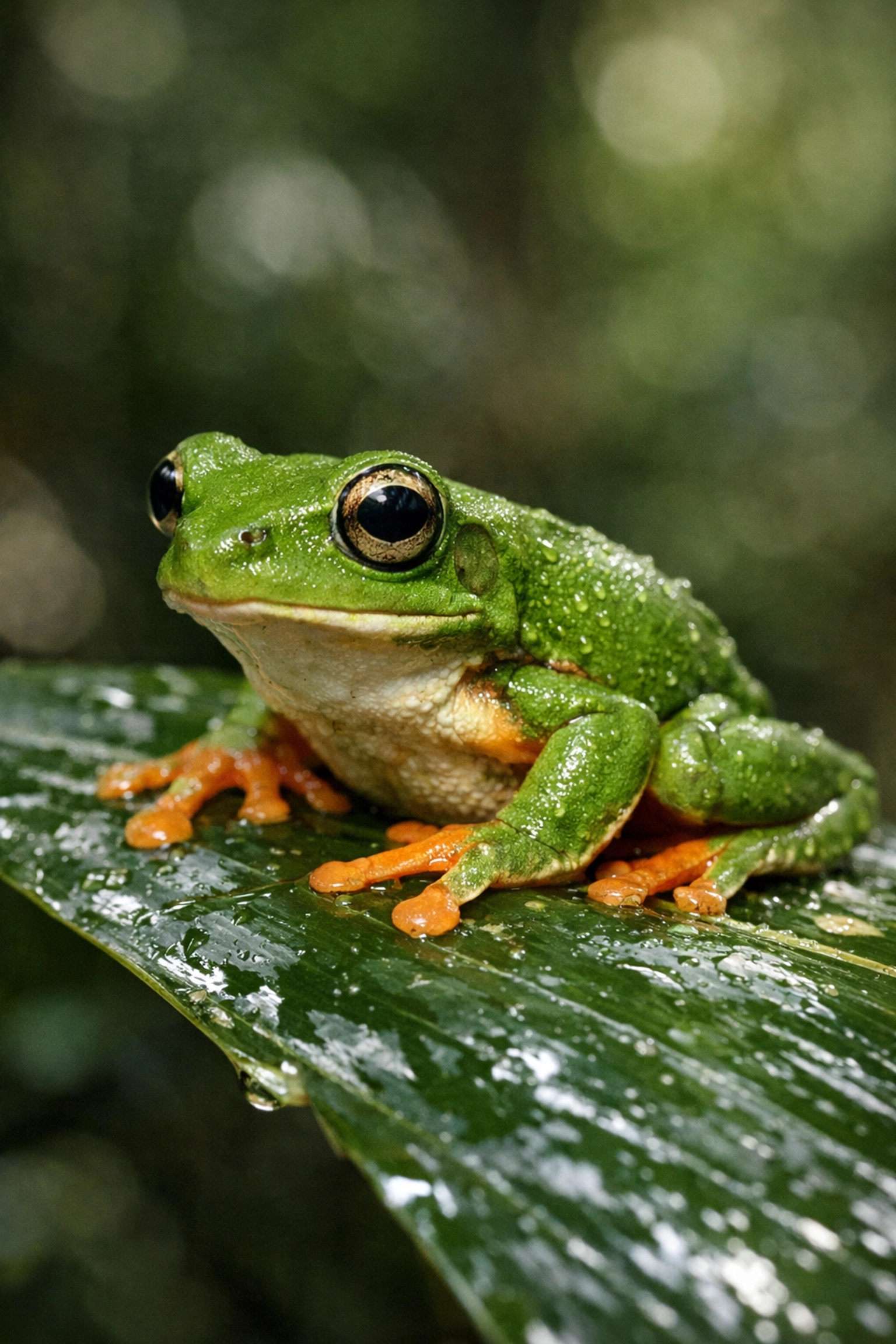
Snapchat: The Behind-the-Scenes Access
Snapchat is for your most engaged, younger audience.
- Real-time: Use it for "Live from the field" moments.
- Lenses: Create AR lenses that teach. Let users "see" like an owl or "track" a rhino.
- Transparency: Show the mess. Show the early mornings. This builds trust.
LinkedIn: The Impact Narrative
This is where you talk about the "how."
- Reports: Share your annual conservation impact. Use simple charts.
- Partnerships: Tag the organizations you work with.
- Professionalism: Focus on the logistics of wildlife management. Talk about the science.
Feature the Underdog
Research indicates that lesser-known species often drive more clicks than famous ones. People are curious about what they don't know.
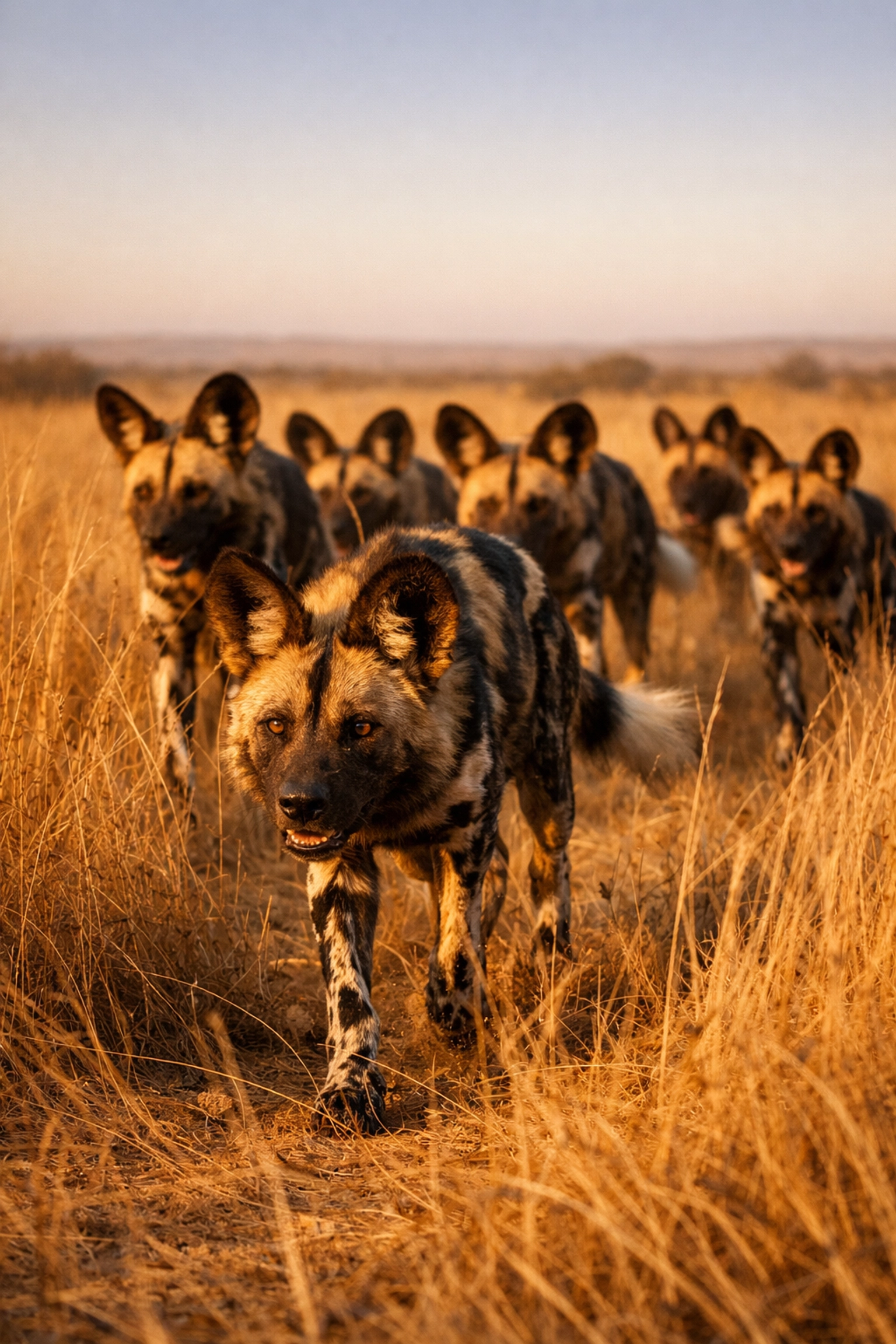
The "Wild Dog" Effect
A study found that wild dogs often get more engagement than elephants when the story is right. Why? Because the story is fresh.
- Feature species like the pangolin, the vaquita, or local native insects.
- Highlight the specific human-driven challenges they face, like habitat loss.
- Use these "underdogs" to explain how the whole ecosystem relies on them.
Building Campaigns Without Buzzwords
Avoid words like "synergy," "transformation," or "ESG-aligned." People want the truth, not a press release. Use simple language to describe your environmental and social goals.
"Presented by" Animal Pages
This is a clean way to involve partners.
- Dedicated pages for specific animals.
- Sponsored by a local business that shares your values.
- Focus on the animal's needs and the partner's contribution to their care.
Sponsored Species Spotlights
Focus on one species for a week.
- Monday: The basics. What they eat. Where they live.
- Wednesday: The challenge. What is threatening them?
- Friday: The solution. What is your zoo doing right now?
- Sunday: The call to action. How can the follower help?
The Content Calendar: A Simple Weekly Flow
If you are struggling to find daily content, use a repeatable framework.
| Day | Theme | Content Goal |
|---|---|---|
| Monday | The Field | Show a researcher or keeper in action. |
| Tuesday | Species Spotlight | Focus on a "lesser-known" animal. |
| Wednesday | Problem/Solution | Address a specific environmental hurdle. |
| Thursday | Throwback/Progress | Show a habitat before and after restoration. |
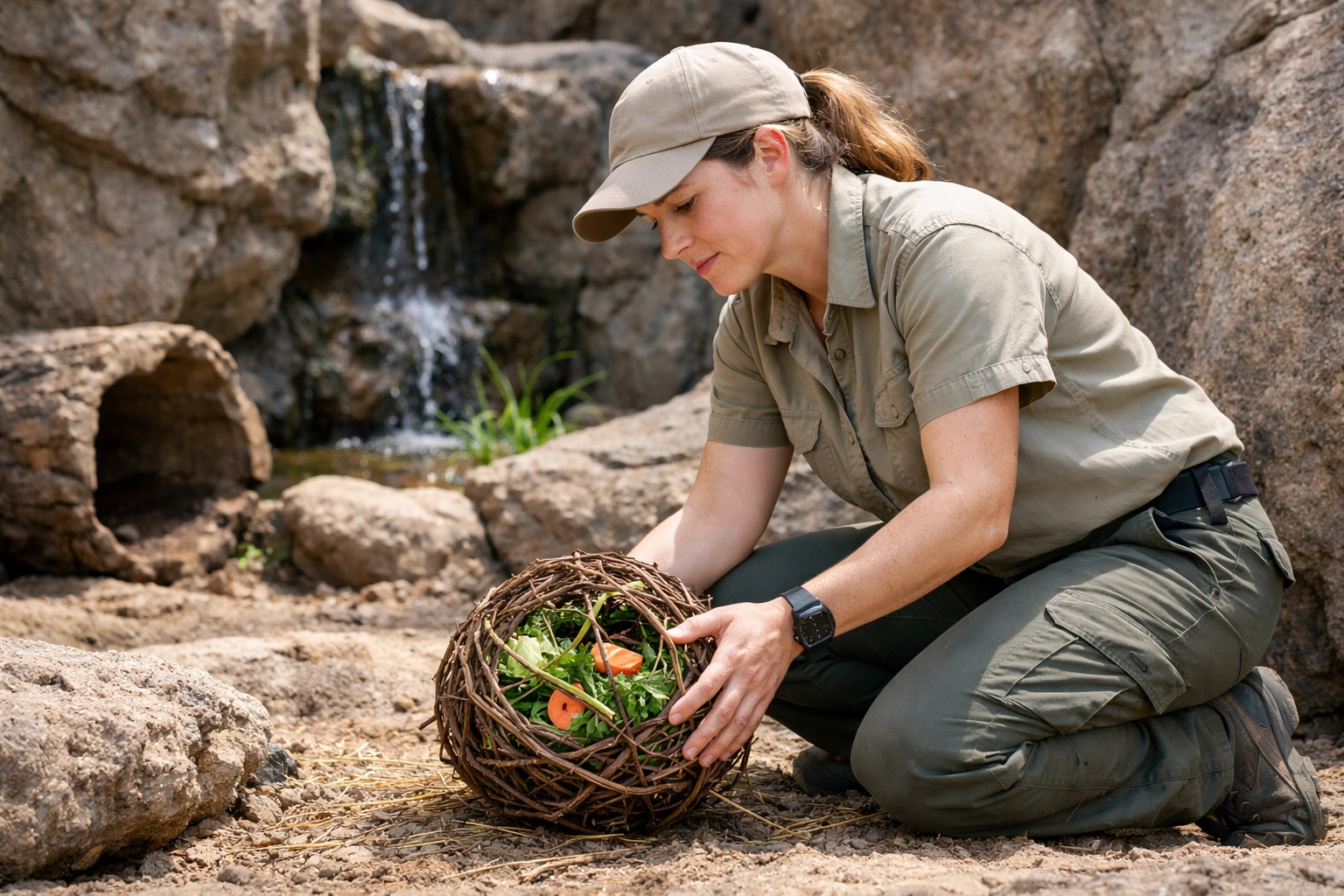
| Friday | Staff Friday | Highlight the humans behind the mission. |
| Saturday | Visual Break | One stunning, high-quality image. Minimal text. |
| Sunday | Community | Share user-generated content or answer a question. |
Framing the Narrative
The way you tell the story is as important as the story itself.
Focus on Human Impact
People care about people.
- Show the local communities living near wildlife.
- Show the veterinarian performing a check-up.
- Show the volunteer planting trees.
- When conservation has a human face, it feels achievable.
Quality Over Quantity
Do not post for the sake of posting.
- One great photo is better than five mediocre ones.
- One thoughtful paragraph is better than a string of emojis.
- Be the source of the "best" wildlife content, not the "most" content.
Photography and Digital Media
Visuals are the foundation of your strategy. Most users scroll past text. They stop for images.
The Power of Stock Photography
You cannot always have a photographer in the field. This is where high-quality stock photography helps.
- Use authentic, professional images to fill gaps in your storytelling.
- Ensure the images match the tone of your zoo.
- Avoid "staged" looking photos. Look for movement and natural behavior.

Tracking What Matters
Don't just look at "Likes."
- Shares: This means your story resonated enough for someone to claim it as their own.
- Saves: This means your content was educational.
- Link Clicks: This means you successfully moved someone from a spectator to a participant.
Adjust your strategy based on these numbers. If people aren't clicking, change your "Solution" post. If they aren't sharing, make your visuals more striking.
Simple Habits for Daily Success
- Keep a camera ready. The best moments are unplanned.
- Read the news. If a specific animal is trending, join the conversation with facts.
- Be honest. If a conservation project is failing, say so. Explain why. People respect the truth.
- Respond. Social media is a two-way street. Answer the comments. Even the tough ones.
Integrating sustainable stories isn't about a single viral post. It’s about the steady drumbeat of daily information. It’s about showing your audience that conservation isn't a hobby: it's the mission.
Connect With Us
We help zoos and aquariums tell better stories through professional imagery and marketing insights.
Learn more at zooimagery.com or follow our updates on LinkedIn.


