How to Choose the Best Wildlife Stock Photos for Your Brand (Compared)
Choosing a photo for your brand is a high-stakes decision. The right image builds trust. The wrong one feels cheap. For companies focusing on sustainability, conservation, or simple natural beauty, wildlife photography is the go-to choice.
At Zoo Imagery, we provide direct access to high-quality digital media. We believe in simplicity. We believe in the power of a single, well-captured moment.
This guide compares your options. It helps you pick the right photos for your brand.

Why Wildlife Photography Matters
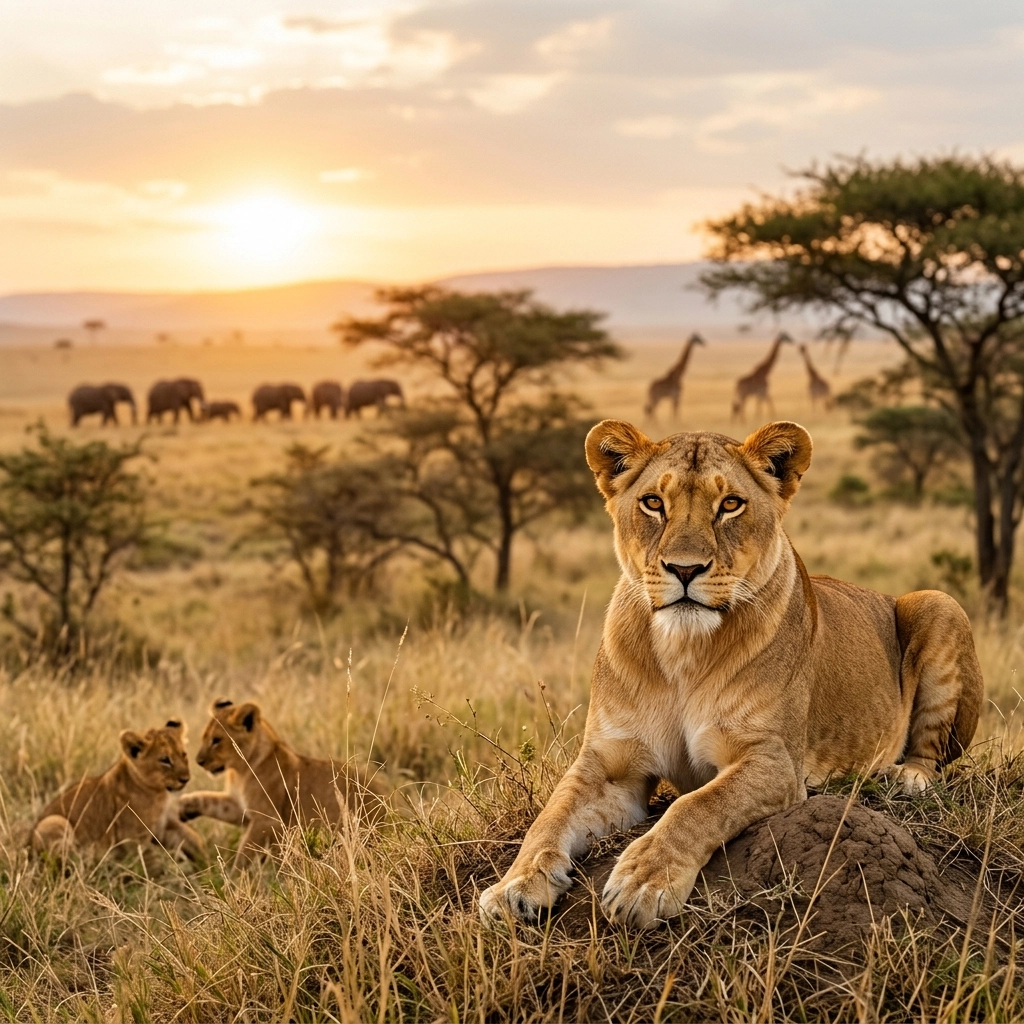
Wildlife images evoke immediate emotion. Humans have a deep connection to nature. When a brand uses a photo of a wild tiger, it signals power and grace. When they use pandas, it signals gentleness and protection.
Your brand tells a story. The animals you choose are the characters in that story.
The Problem with Traditional Stock
Most stock photo sites are crowded. You search for "lion." You get 50,000 results. Half are poorly lit. Some are clearly photoshopped. Many are used by thousands of other companies.
Generic stock feels like generic stock. It lacks soul.
Comparing Your Options
When looking for wildlife images, you have four main paths.
1. Free Platforms (Unsplash, Pexels)
- Pros: Zero cost. High volume.
- Cons: Extremely common. Overused. No exclusivity. Limited specific species.
- Best for: Small personal blogs or social media posts where uniqueness isn't a priority.
2. General Corporate Stock (Adobe Stock, Shutterstock)
- Pros: Massive libraries. Good search tools.
- Cons: High volume of mediocre content. "Corporate" feel. Can be hard to find authentic, ethical wildlife shots.
- Best for: General business needs like finance or consulting where a generic background is acceptable.
3. Niche Artistic Collections (National Geographic)
- Pros: Stunning quality. Award-winning photographers.
- Cons: Often restricted for commercial use. High barrier to entry. Complex licensing.
- Best for: High-end editorial or documentary work.
4. Zoo Imagery
- Pros: Direct. Simple. Focused on animals. ESG-aligned. No fluff.
- Cons: Highly curated (we value quality over sheer quantity).
- Best for: Brands wanting authentic connection. Companies sponsoring specific species. Ethical marketing.
The Zoo Imagery Difference: "Presented By" Pages
We do things differently. We don't just sell files. We build connections between brands and nature.
Sponsored Species Spotlights
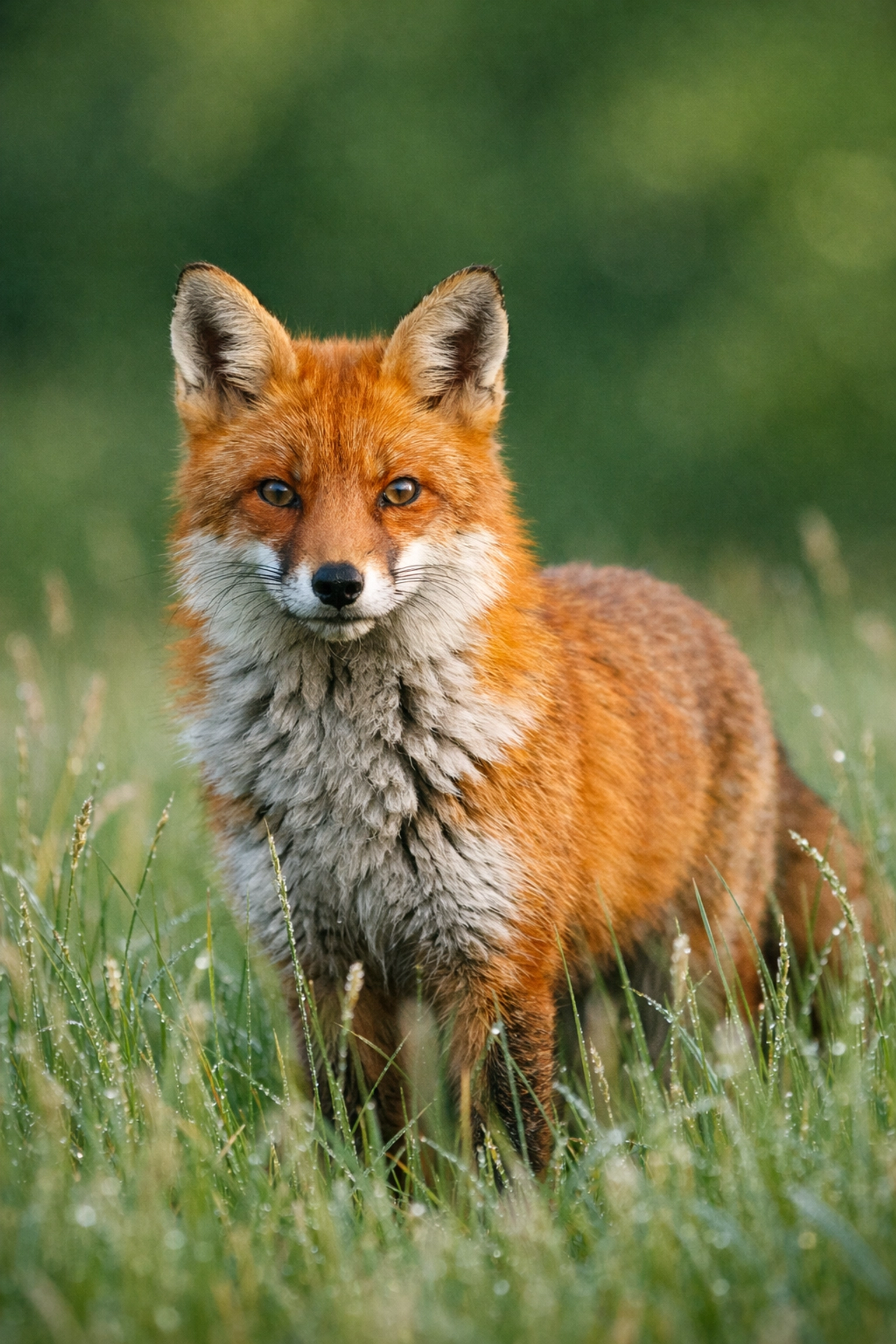
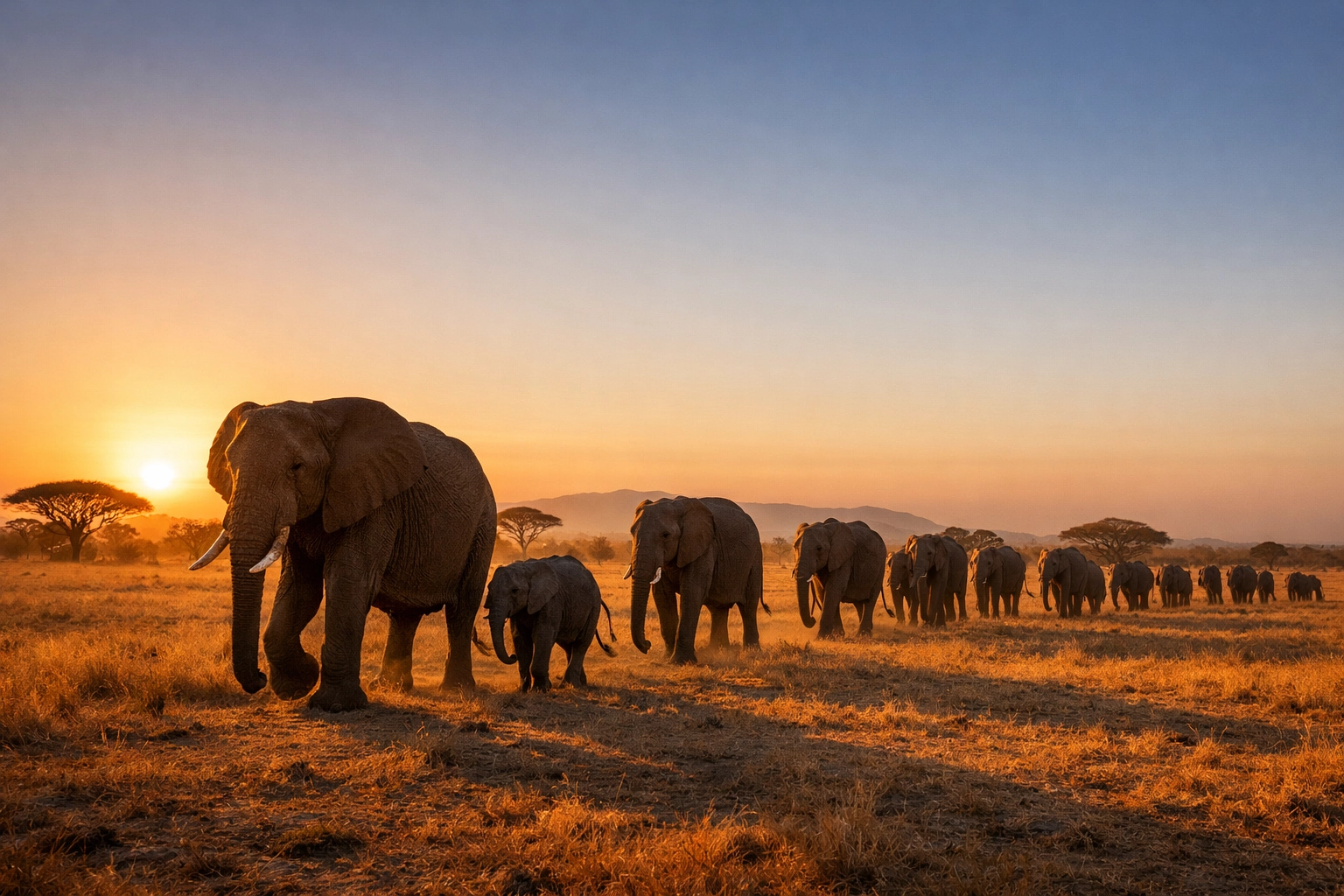
Your brand can "own" a species on our platform. Imagine a page dedicated to elephants. It’s "Presented by [Your Company]." This creates a direct link between your brand and conservation efforts. It shows your audience that you care about more than just profit.
"Presented by" Animal Pages
These pages are simple. They focus on the animal. They feature your logo. They tell a story of partnership. This is a powerful tool for ESG (Environmental, Social, and Governance) reporting. It is marketing that feels good.
How to Choose the Right Animal for Your Brand
Every animal carries a different weight. Choose the one that fits your message.
For Strength and Leadership
- Lions: The classic choice. Represents authority.
- Wild Tigers: Represents focus and individual power.
- Polar Bears: Represents resilience in harsh environments.
For Community and Intelligence
- Elephants: Represents wisdom and memory.
- Giraffes: Represents a high-level perspective.
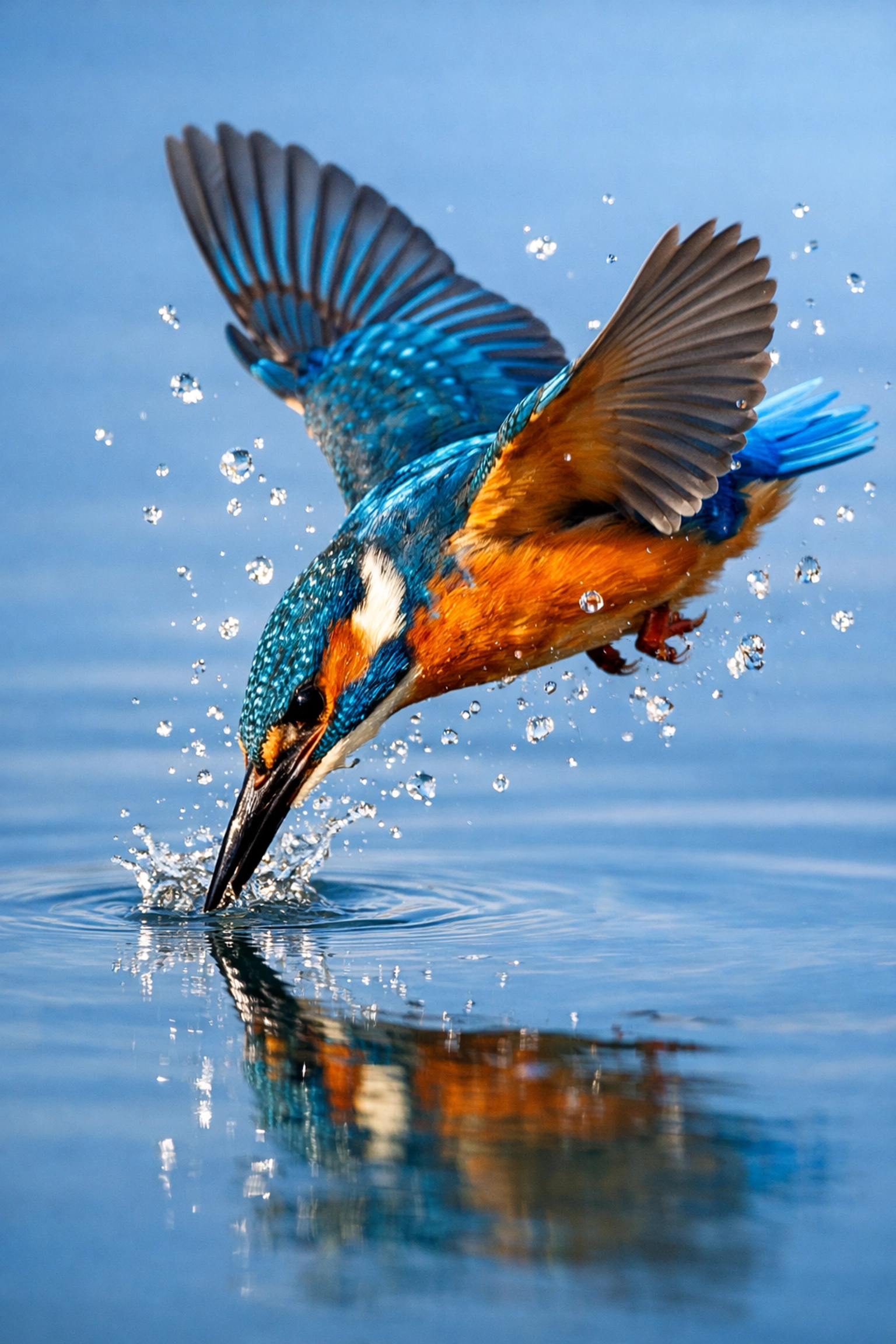
- Birds: Represents freedom and communication.
For Unique or "Disruptor" Brands
- Hyenas: Represents teamwork and misunderstood intelligence.
- Pandas: Represents peacefulness and global appeal.
Technical Quality: What to Look For
When you are browsing zooimagery.com, keep these three criteria in mind:
1. The Eyes
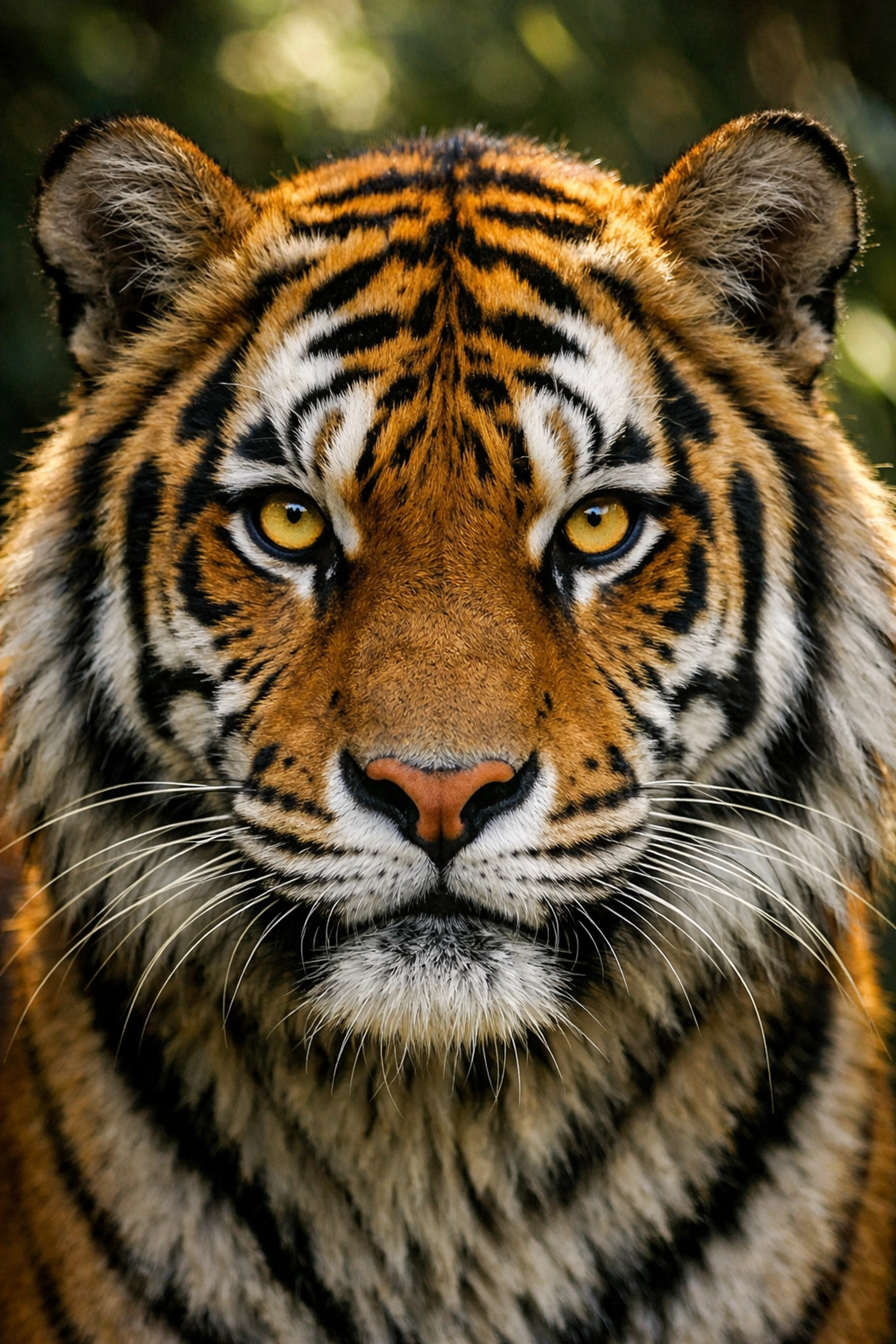
A great wildlife photo starts with the eyes. If the eyes are sharp, the photo works. If they are blurry, the connection is lost. We prioritize shots where the animal is "looking" at the viewer. This creates empathy.
2. The Background
The background should not distract. Look for a clean "bokeh" (the blurry part). It makes the animal pop. Our corporate and business categories focus on images that allow for text overlay.
3. Ethical Capture
Don't use photos where animals look stressed. Don't use photos of animals in poor captive conditions. Ethical photography is better for your brand's reputation. We focus on natural behaviors.
Using Wildlife Images in Your Marketing
How you use the photo is as important as the photo itself.
- On your Website: Use a hero image. Keep it large. Let the animal speak.
- In your Reports: Use species spotlights to highlight ESG goals.
- In Social Media: Use close-ups for high engagement. Animals get more likes than buildings.
ESG and Conservation Storytelling
Brands are now expected to have a purpose. Wildlife imagery is the visual language of that purpose. By choosing specific images and sponsoring species, you tell a story of conservation.
You aren't just a finance company. You are a company that supports the preservation of polar bears. You aren't just a consulting firm. You are a partner in wild tiger protection.
Simple Licensing. Simple Choice.
We keep our process clean. No complex tiers. No hidden fees.
- Browse the collection.
- Choose your animal.
- Download the file.
- Use it.
If you want to go deeper, talk to us about a "Presented by" page. It is the most direct way to align your brand with nature.
Conclusion
The right image is out there. Don't settle for generic. Don't settle for low-quality.
Choose an image that means something. Choose an image that reflects your brand's values. Choose an image from Zoo Imagery.
Ready to elevate your brand?
Visit us at zooimagery.com to find your next hero shot.
Follow our CEO, Dan Kost, on our LinkedIn profile for more insights on digital media and conservation marketing.
Keep it simple. Keep it real.


