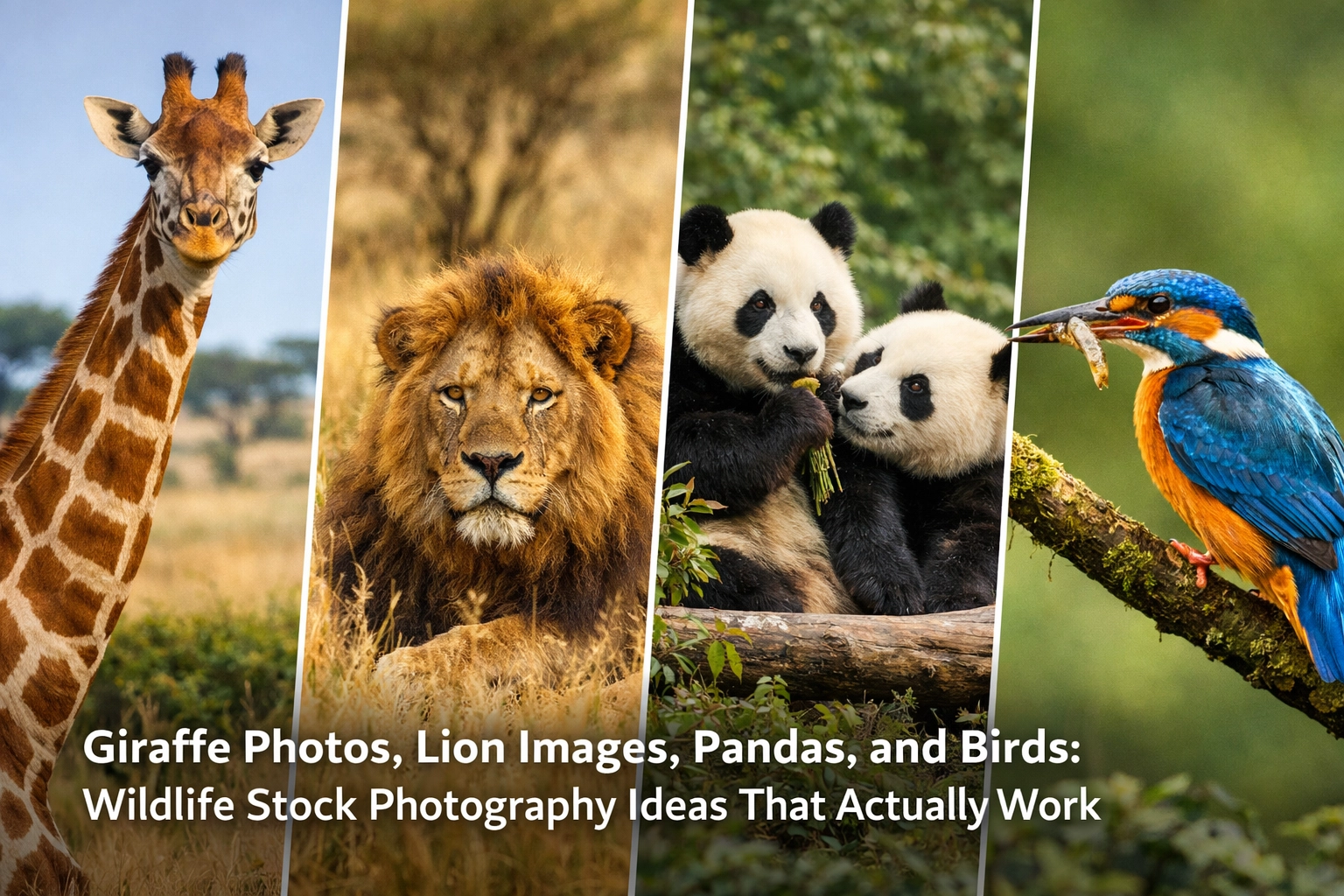
Giraffe Photos, Lion Images, Pandas, and Birds: Wildlife Stock Photography Ideas That Actually Work
Some animals just photograph better than others. It's not personal: it's practical.
Giraffes, lions, pandas, and birds dominate stock photography libraries for good reason. They're recognizable. They're emotional. They work across industries from conservation campaigns to corporate presentations.
Here's what actually makes these images sell.
Why These Four Species Matter
These aren't random picks. Each animal brings something specific to the table.
Giraffes – Unique silhouettes. Natural height variation creates composition flexibility. Works for safari tourism, African conservation, and brand storytelling about reaching higher.
Lions – Instant authority. Strength without explanation. Perfect for leadership content, courage themes, wildlife documentaries.
Pandas – Universal appeal. Conservation icon. Gentle charisma that crosses cultural boundaries. Essential for ESG content and endangered species campaigns.
Birds – Volume and variety. From eagles to flamingos, each species serves different creative needs. Flight imagery works for freedom themes, migration patterns support travel content.
Giraffe Photography That Actually Gets Used
Shoot at eye level when possible. Most giraffe photos are shot looking up: which makes yours different if you don't.
Angles that work:
- Head and neck against clean sky
- Feeding behavior at tree level
- Mother-calf interactions
- Full body showing distinctive pattern
Focus on the eyes. Connection matters more than scale. A giraffe making eye contact beats a technically perfect profile shot with no engagement.
Use a fast shutter speed: at least 1/500s. Giraffes move slowly until they don't. One head swing blurs everything.
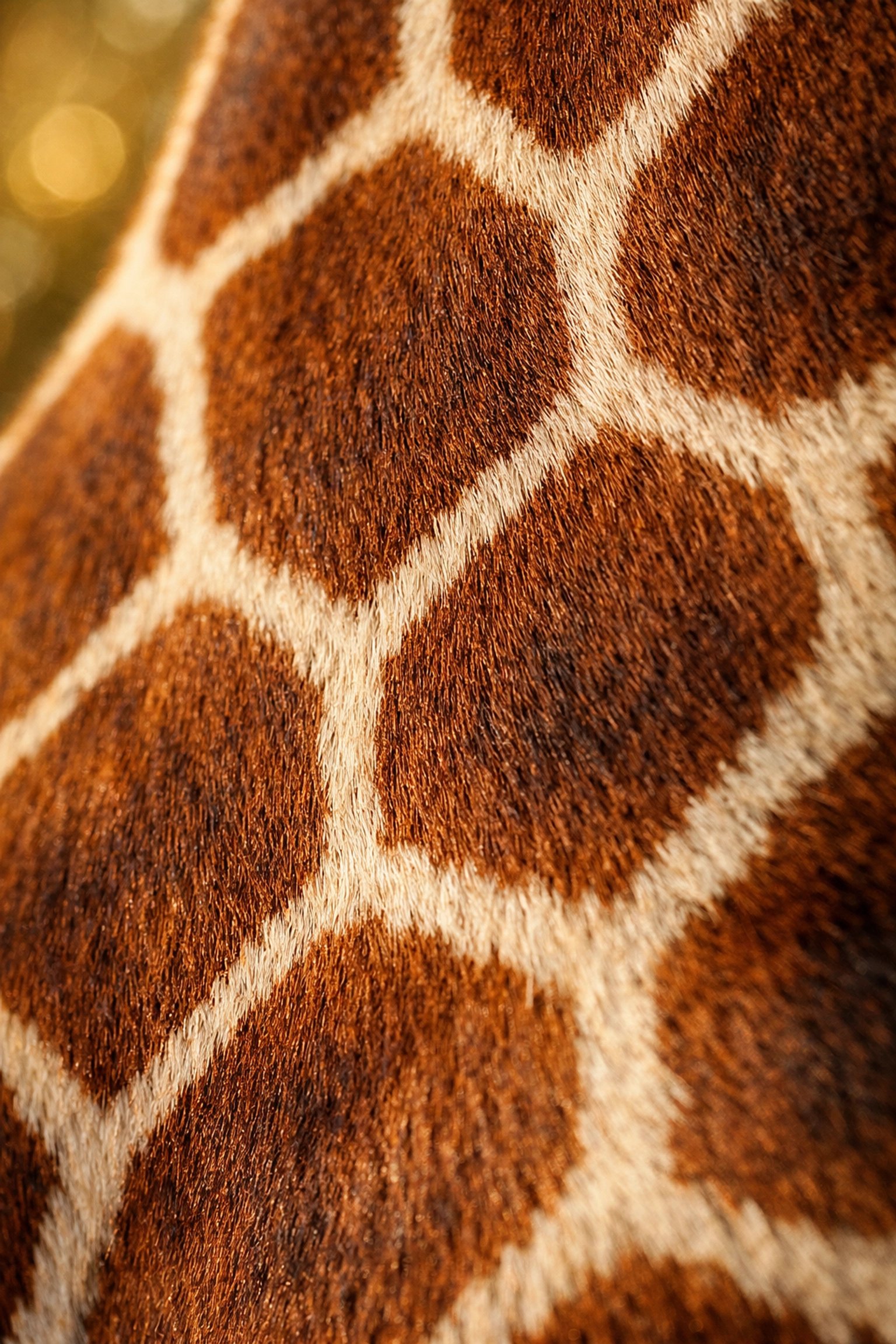
Frame tight on patterns. Giraffe coat markings work as texture backgrounds. Marketing teams use these for overlays and branded content.
Lion Images That Deliver
Male lions photograph differently than females. Know which you're shooting and why.
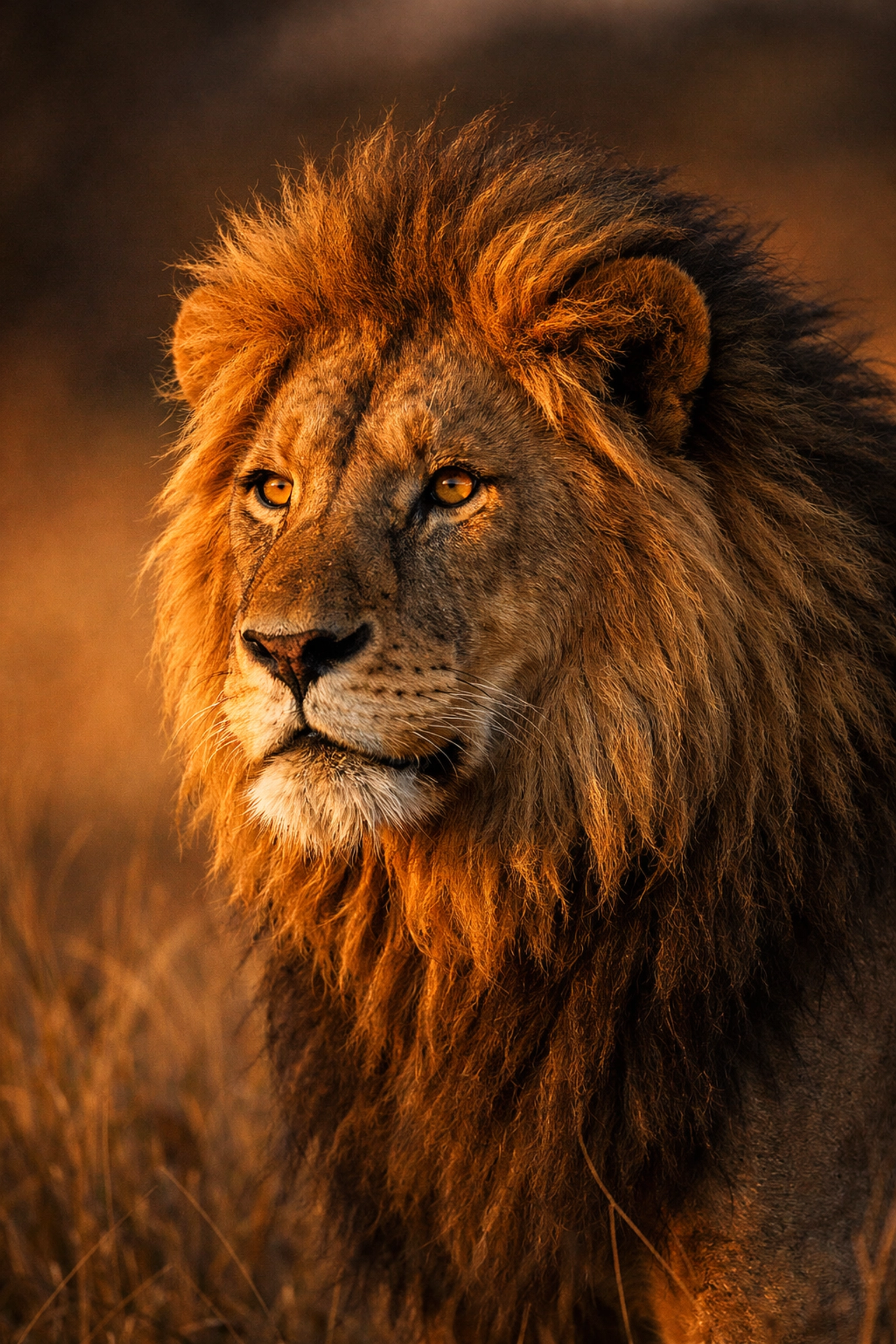
Males – Mane detail matters. Side lighting shows texture. Shoot during golden hour for warm tones on darker manes. Head-on portraits work for authority themes.
Females – Action and relationship shots. Hunting poses, pride dynamics, cub interactions. These tell stories males can't.
Skip the yawning lion shot. Everyone has it. It's been done.
Instead, capture:
- Resting paw over another lion
- Grooming behavior between pride members
- Alert posture scanning surroundings
- Walking directly toward camera
Use aperture priority mode around f/5.6. Isolates subject, keeps enough depth for multiple lions in frame.
Position lions along rule-of-thirds gridlines. Center composition kills the image energy. Off-center creates movement and interest.
Panda Photography Strategies
Pandas present a specific challenge: they're often in captivity. Make it look natural anyway.
Eliminate zoo markers:
- Zoom tight
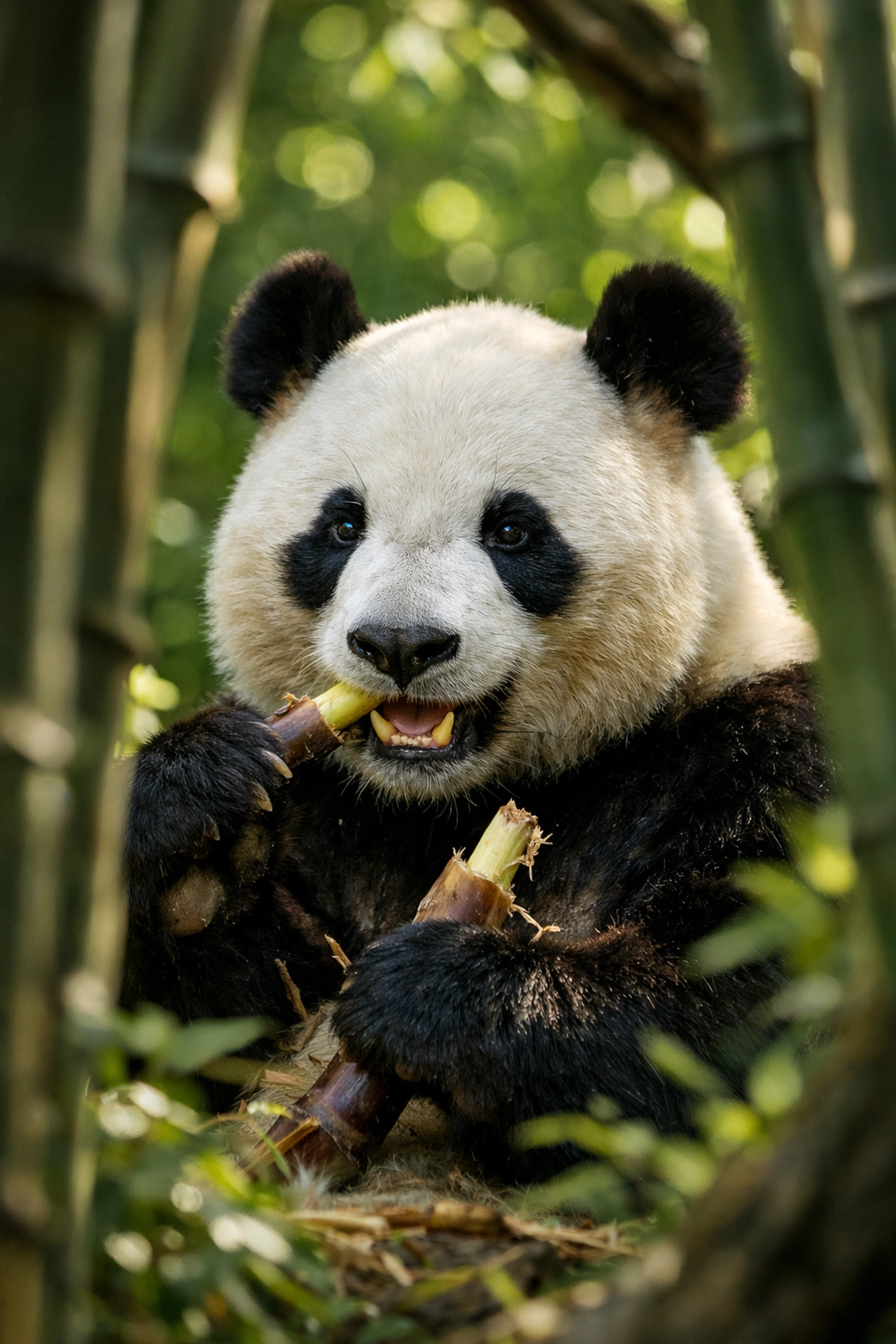
- Shoot through bamboo
- Wait for natural positioning
- Avoid artificial structures in frame
Black and white fur creates exposure problems. Your camera wants to make the white gray and the black muddy. Manual exposure control solves this. Expose for the white fur, let the black go darker.
ISO around 400-800 handles indoor zoo lighting without excessive noise. Pandas mostly photograph indoors or in shaded enclosures.
Behaviors that work for stock:
- Eating bamboo (the classic for a reason)
- Playing or climbing
- Mother-cub bonding
- Resting in natural-looking poses
Facial expressions matter enormously. Pandas have recognizable "faces" humans respond to. Capture those moments.
Bird Photography That Sells
Birds offer the widest range. Species selection determines use case.
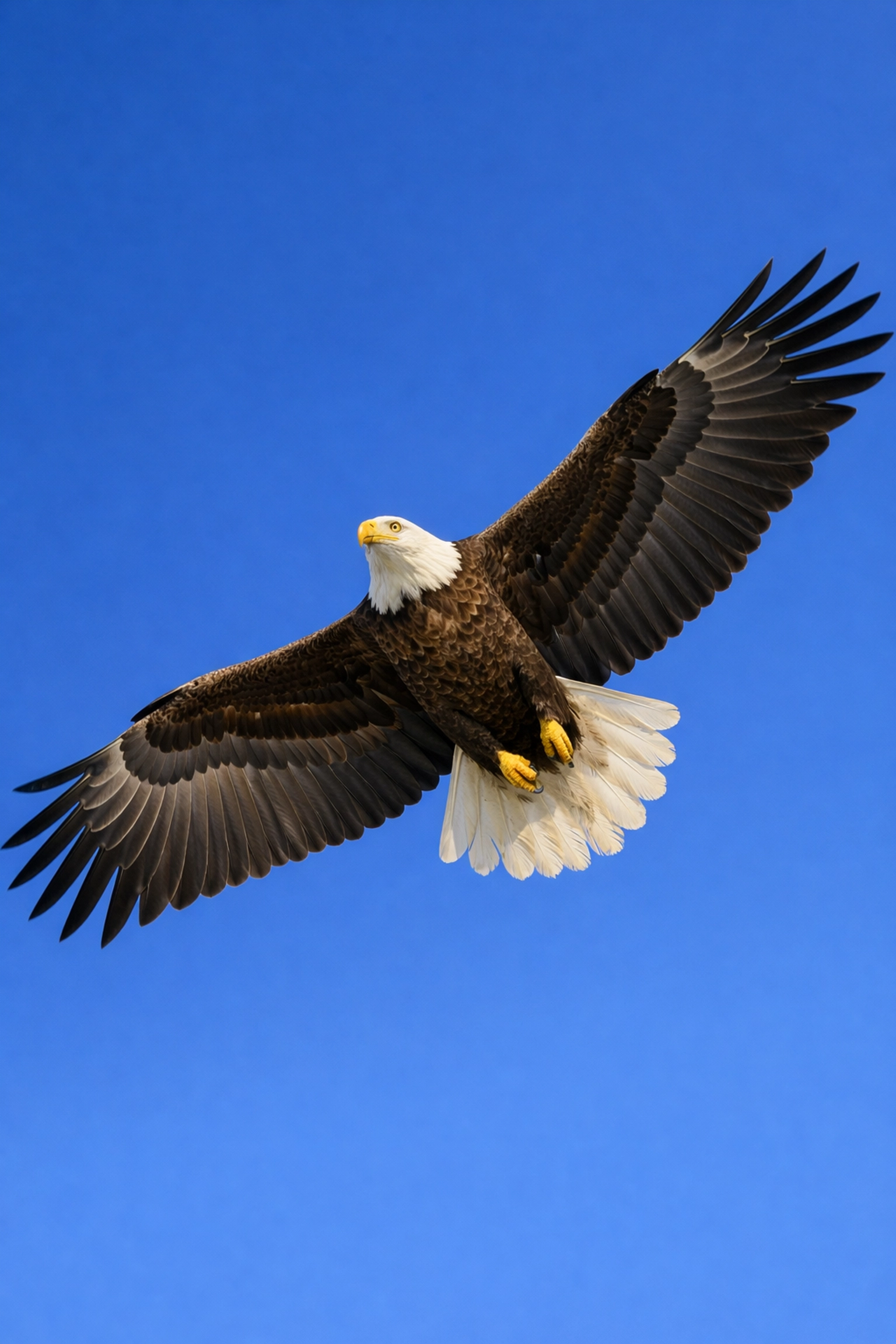
Eagles and raptors – Leadership, vision, freedom themes. Shoot in flight with fast shutter (1/2000s minimum). Isolate against clean backgrounds.
Flamingos – Color and pattern. Tight crops on groups create abstract compositions. Wide shots show scale and visual impact.
Owls – Wisdom and nature content. Eye detail is everything. Use long lens, focus precisely on the eye closest to camera.
Songbirds – Spring, growth, delicate beauty. Shoot on natural perches, never man-made structures.
Waterfowl – Versatile for wetland conservation, migration stories, seasonal content.
For any bird, eye sharpness determines whether the image works. If the eye isn't sharp, delete it.
Use continuous autofocus mode. Birds don't hold still. Your camera needs to track them.
Shoot in burst mode during action. Wings mid-flap, takeoff sequences, landing approach: these moments happen fast.
Technical Settings That Matter
These apply across all four species:
Shutter speed – 1/500s minimum for stationary animals, 1/1000s for moving subjects, 1/2000s for birds in flight
Aperture – f/4 to f/5.6 for single subjects, f/8 for groups or wider depth needs
ISO – Start at 400, adjust for lighting. Better slight noise than motion blur.
Focus mode – Single point AF for stationary subjects, continuous for moving animals
Lens choice – 200-400mm for flexibility, longer for birds or distant subjects
Composition Beyond the Basics
Rule of thirds gets mentioned constantly because it works. Position your subject where the gridlines intersect.
But go further.
Leave space in the direction animals face. A lion looking left needs space on the left side of frame. This creates visual tension and purpose.
Shoot over-the-shoulder angles. Works especially well with birds and giraffes. Creates depth and guides viewer attention.
Include environmental context selectively. Habitat matters for conservation content. Pure portraits work for corporate use.
Capture both tight and wide. One session should produce varied framing options. Marketing teams need flexibility.
Why Stock Photography Needs These Species
Conservation organizations need authentic wildlife imagery. Corporate teams want recognizable species that communicate clearly. Marketing agencies search for animals with established symbolic meaning.
These four deliver that.
They cross cultural boundaries. A panda means the same thing in New York and Tokyo. A lion communicates strength universally.
They photograph well. Distinctive features, expressive faces, recognizable silhouettes. They work at thumbnail size and billboard scale.
They support sponsored content naturally. A "Presented by" species page featuring pandas or lions gives sponsors immediate credibility. ESG campaigns built around these animals connect with audiences.
What Makes Stock Images Actually Usable
Technical quality is baseline. Sharp focus, proper exposure, clean composition: these are requirements, not differentiators.
What separates used images from ignored ones:
Authenticity – Natural behavior over posed shots
Emotion – Eye contact, interaction, expression
Versatility – Clean enough for text overlay, composition that works in multiple crops
Story – The image suggests narrative without requiring explanation
Distinction – Different enough from the thousand similar shots already available
Moving Forward
Wildlife stock photography serves specific needs. Understanding which animals work for which applications determines success.
Giraffes, lions, pandas, and birds aren't the only options. But they're proven ones.
Shoot with purpose. Know what marketing teams search for. Capture the technical requirements and the emotional connection.
The images that work tell stories simply.
Ready to explore how wildlife imagery supports your conservation message or brand story? Check out our animal photography collections and sponsored species opportunities at zooimagery.com or connect with us on LinkedIn to discuss custom solutions.


