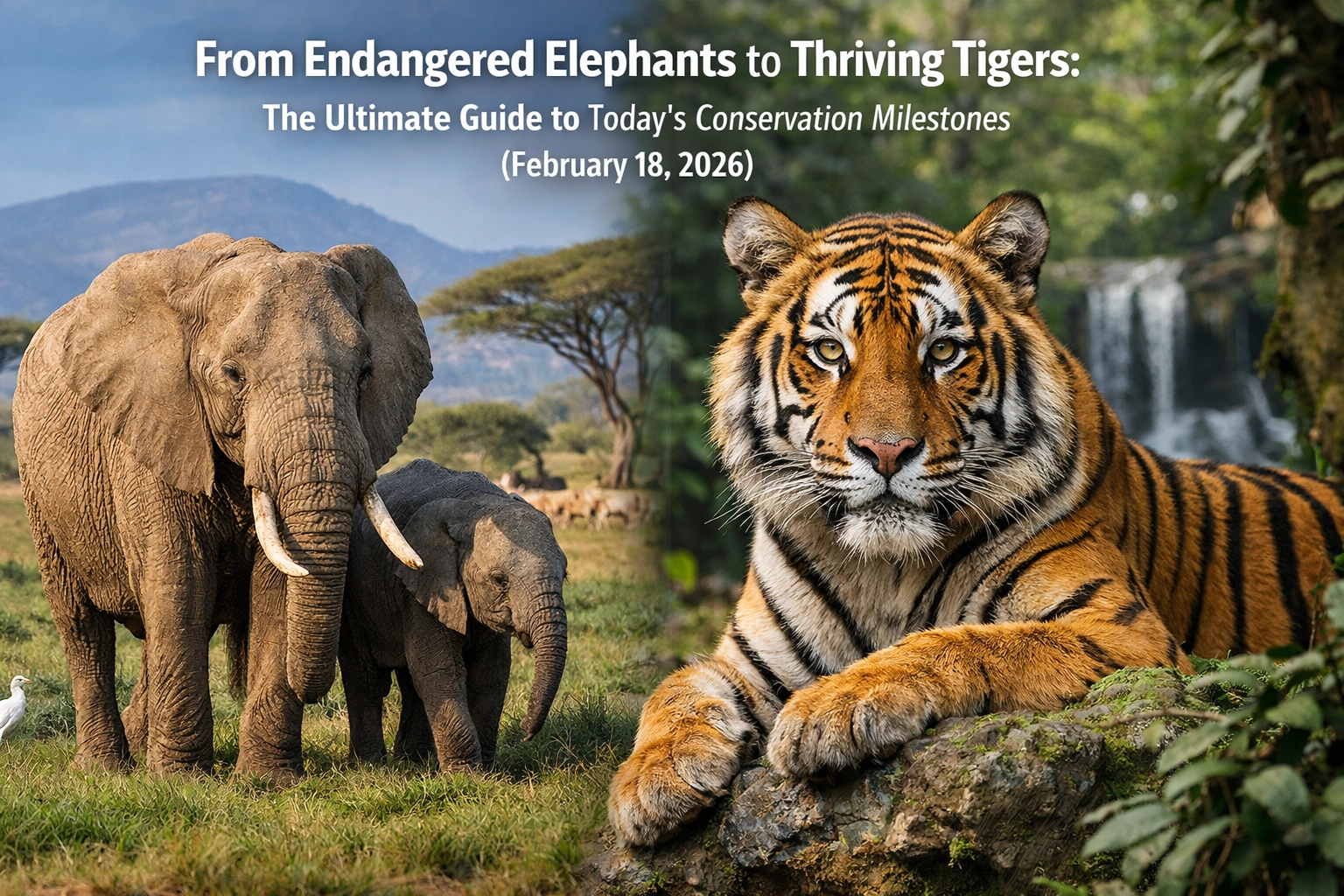
From Endangered Elephants to Thriving Tigers: The Ultimate Guide to Today’s Conservation Milestones (February 18, 2026)
Conservation wins don't happen overnight. They take decades of work, coordination, and commitment from communities worldwide. Today's milestones tell a story worth sharing.
Tigers Return to Laos
Laos finalized its National Tiger Recovery Action Plan (NTRAP) for 2026-2035. The plan awaits ministerial approval.
No wild tigers have been confirmed in Laos since 2013. That makes this framework critical.
The Deputy Director General stated tiger recovery is "possible" through coordinated action. The plan works alongside national forest strategies and community engagement programs.
Recovery requires documentation. Visual evidence drives funding and public support. Quality imagery shows stakeholders what's at stake.
India's Three-Pronged Strategy
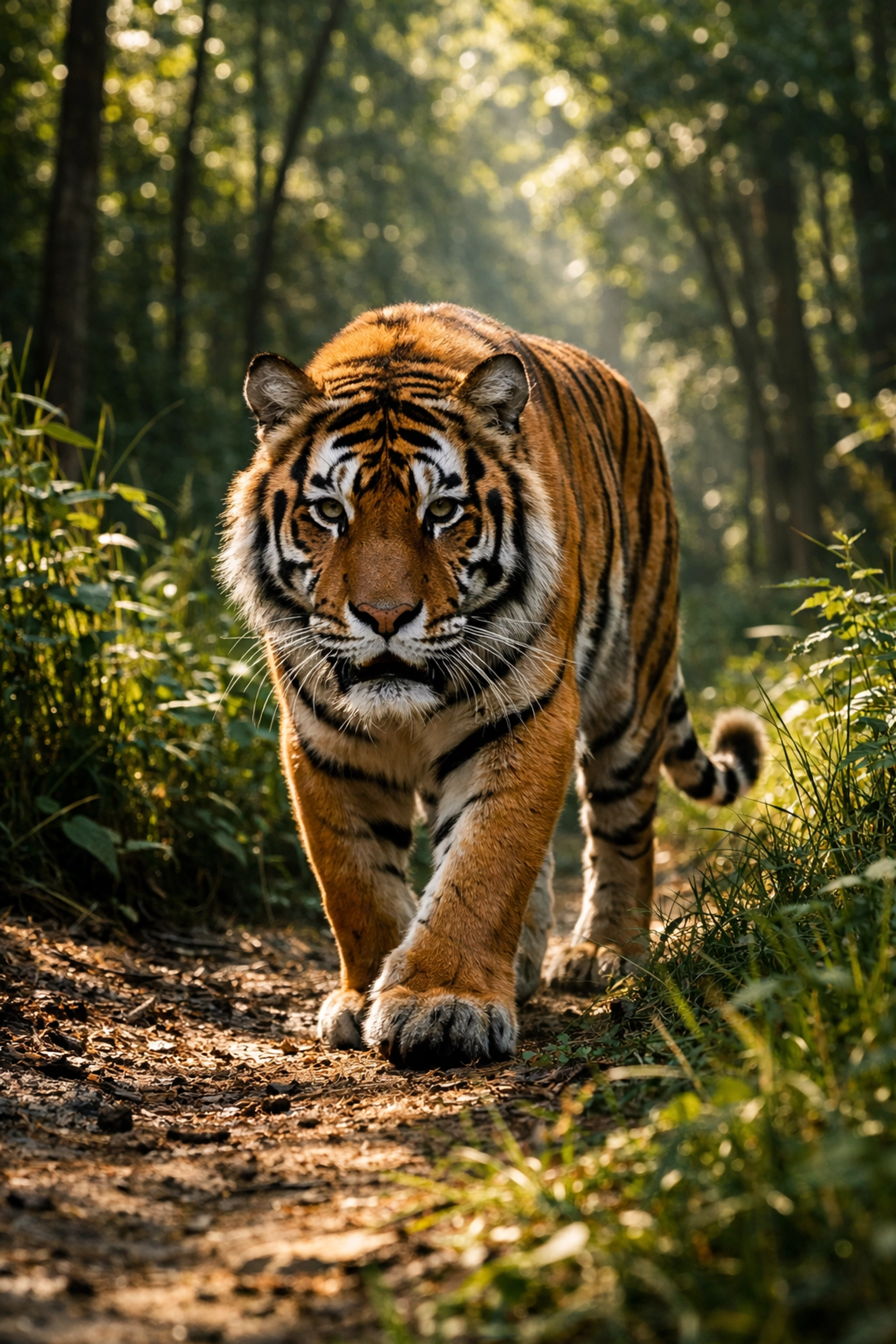
India hosted its 28th Meeting of the National Tiger Conservation Authority in December 2025. New initiatives emerged.
The three-pronged strategy addresses human-tiger conflict head-on. A dedicated project now manages tigers outside designated reserves.
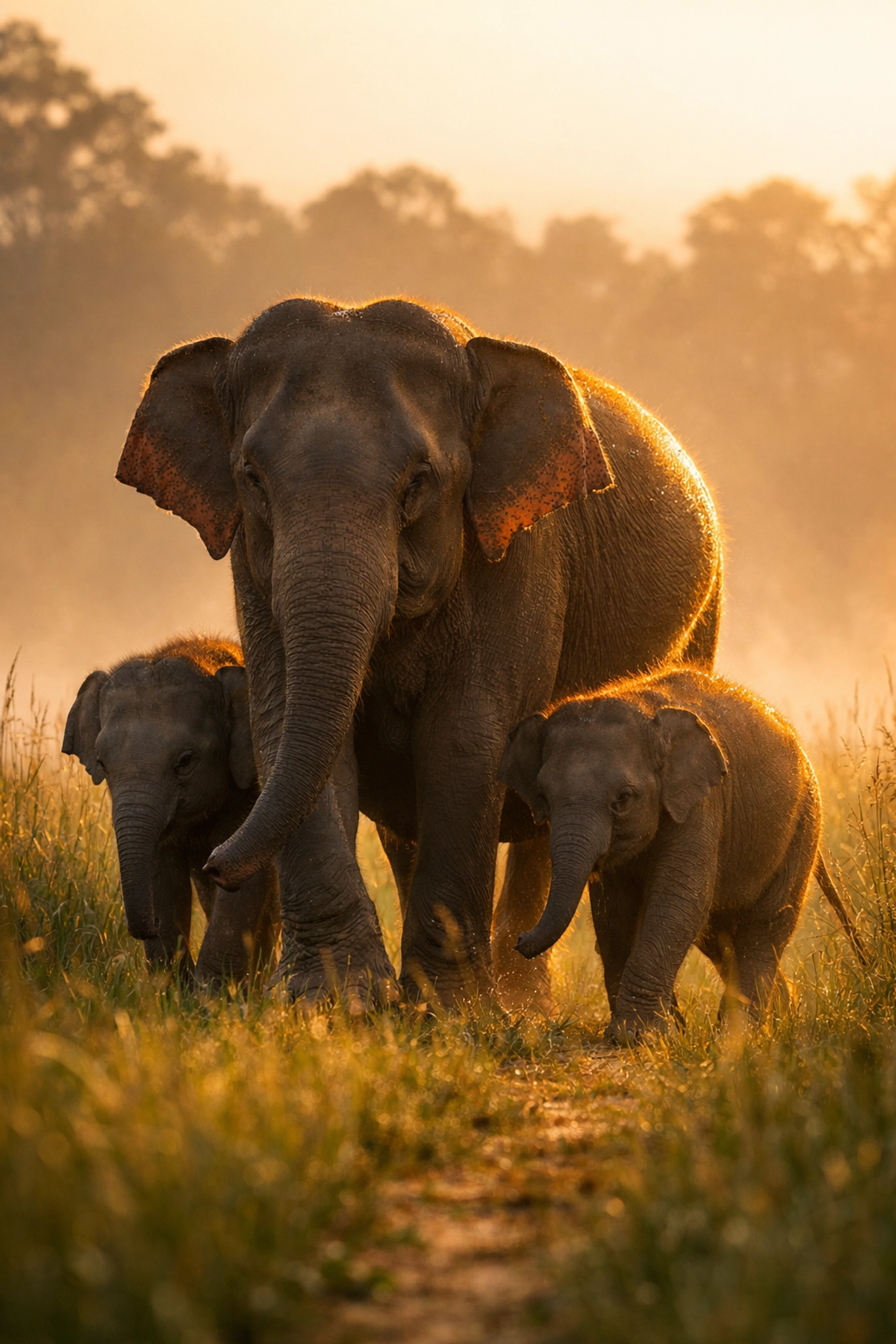
For elephants, comprehensive conflict mitigation measures rolled out across range states. Compensation mechanisms aim to reduce human-wildlife tensions.
Progress tracking continues with the sixth cycle of the All India Tiger Estimation. Landscape-level training programs expand nationwide.
Both species need space. Habitat protection and human coexistence models determine survival outcomes.
The Last Place on Earth
The Leuser Ecosystem in Aceh, Indonesia, holds a unique distinction. It's the only place where tigers, rhinos, elephants, and orangutans coexist in the wild.
Eight wildlife protection teams conducted 150+ patrol missions in 2024-25. They documented 844 encounters with Sumatran tigers. Only 400 remain in existence.
The teams also recorded 1,182 encounters with Malayan bears. Every sighting contributes to conservation data.
Global Conservation received $1.35 million in October 2025. The funding protects Rawa Singkil Wildlife Reserve: critical habitat for the last Sumatran tigers and endangered orangutans.
Over 1 million hectares of tropical rainforest depend on sustained protection efforts.
Critical Status Updates
Numbers tell hard truths.
The Sumatran elephant moved from "Endangered" to "Critically Endangered" in 2012. The species lost half its population in one generation.
Tesso Nilo National Park supports approximately 60 elephants as of 2021. That's a key habitat with dangerously low numbers.
Sumatran tigers fare similarly. Fewer than 400 individuals survive across fragmented habitats.
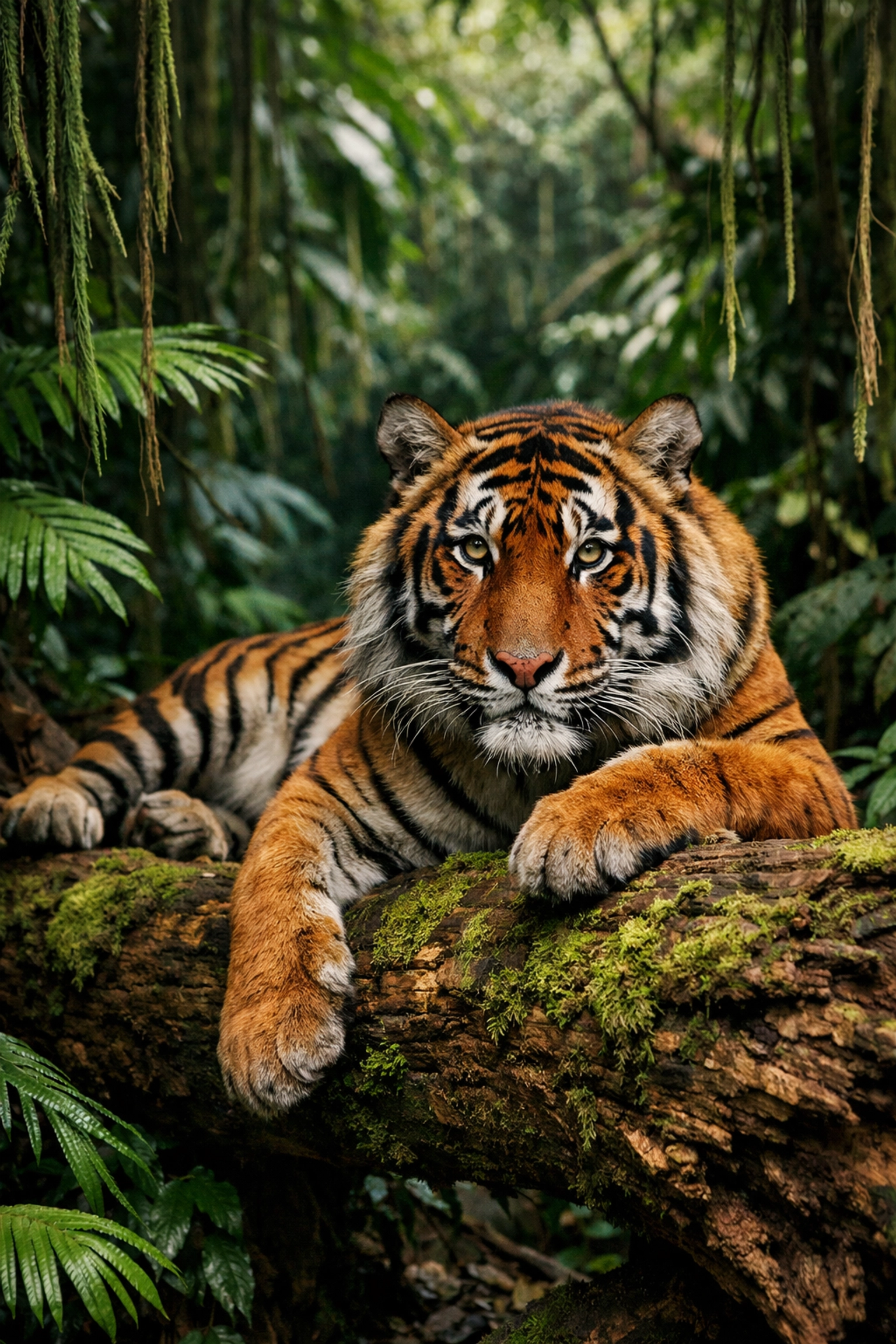
Every individual matters at these population levels. Genetic diversity becomes precarious. Breeding programs and habitat corridors gain urgency.
Restoration Work on the Ground
Field teams build solutions daily.
Tiger-proof enclosures prevent human-livestock-wildlife conflict in Indonesia. These structures protect both communities and endangered species.
The Pasie Lembang Nursery produced over 5,700 saplings in recent cycles. Teams planted 2,132 across 21 hectares of restoration zones.
Habitat restoration creates corridors. Wildlife moves between protected areas more safely.
Rescue and monitoring programs supported six tiger rescues and releases. Each rescue demands documentation, veterinary care, and habitat assessment.
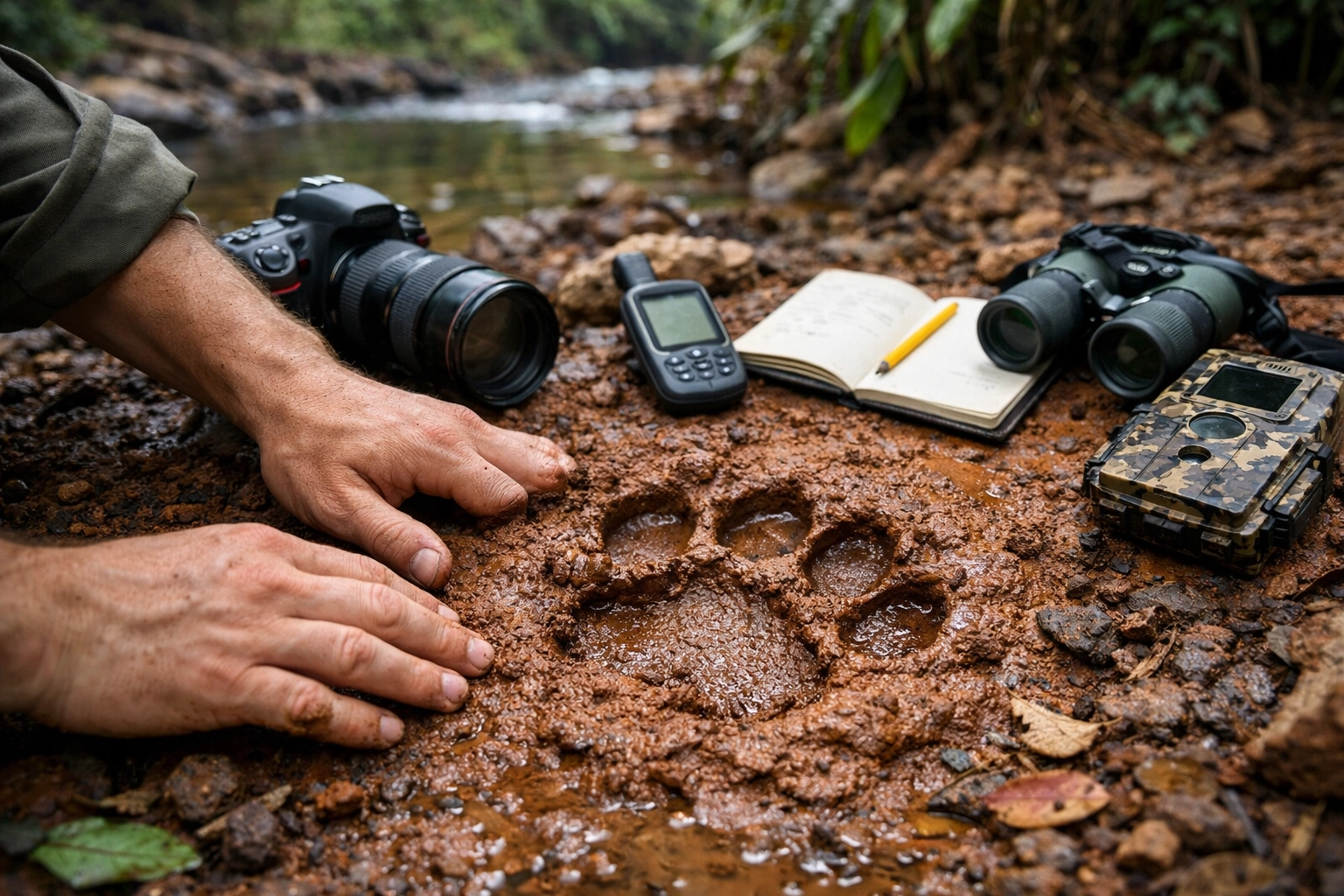
Ground-level conservation generates powerful visual stories. These moments connect global audiences to field realities.
Why Conservation Imagery Matters
Conservation organizations need compelling visuals. Fundraising campaigns, educational programs, and policy advocacy all depend on quality imagery.
Stock photography fills this gap. Endangered species documentation provides authentic representation without disturbing wild populations.
Zoos and aquariums play a vital role. They house assurance populations, conduct breeding programs, and educate millions annually. Their marketing efforts drive public engagement with conservation issues.
Professional imagery elevates messaging. Clear, impactful photos tell stories that statistics alone cannot convey.
February 2026: A Turning Point
Multiple conservation frameworks converged this month. Laos moves toward tiger recovery. India expands protection strategies. Indonesia secures critical funding.
These milestones represent years of groundwork. Cooperation between governments, NGOs, and local communities made progress possible.
Documentation captures this moment. Future generations will look back at conservation wins: and losses: through the visual record we create today.
The story continues. Elephants and tigers need sustained attention. Habitat loss, poaching, and climate change remain persistent threats.
But recovery is possible. Dedicated teams prove it daily.
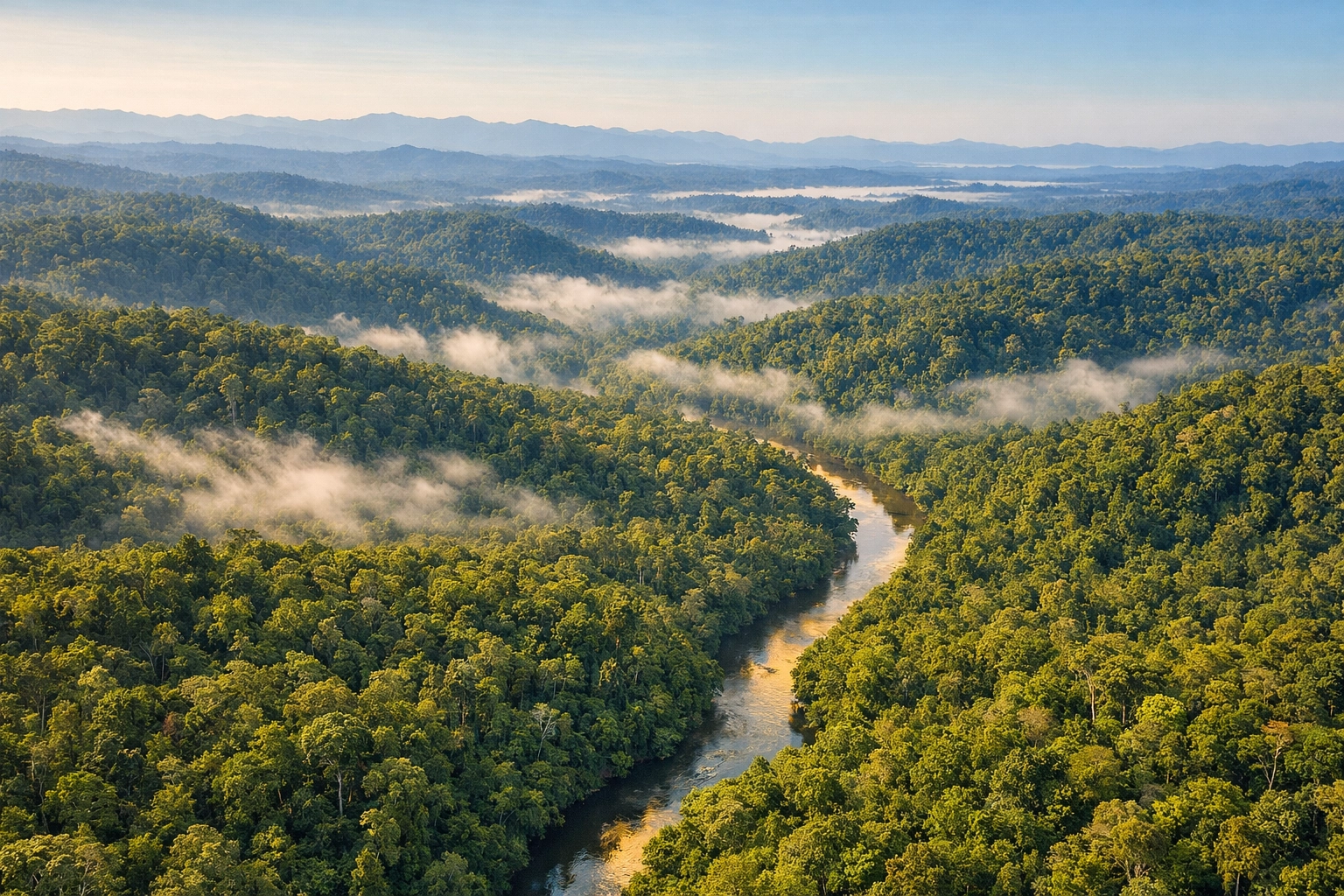
The Role of Visual Storytelling
Conservation marketing requires authentic, high-quality visuals. Organizations seek imagery that resonates with donors, educates the public, and represents species accurately.
Stock photography provides accessible solutions. Professionals need diverse content: from species closeups to habitat landscapes to conservation action shots.
Ethical sourcing matters. Images should support conservation rather than exploit it.
Zoos and aquariums balance education with entertainment. Their visual content shapes public perception of endangered species. Quality matters.
Moving Forward
Conservation milestones in February 2026 show coordinated global effort. Tigers in Laos have a roadmap. Indian elephants receive expanded protection. Sumatran species gain crucial funding.
Every milestone started with awareness. Visual content drives that awareness.
Organizations working on endangered species campaigns need imagery that reflects reality. Clear messaging. Authentic representation. Strategic visual storytelling.
Ready to elevate your conservation storytelling? Explore our collection at Zoo Imagery or connect with us on LinkedIn to discover how professional wildlife photography supports your mission.
Conservation doesn't wait. Neither should your visual strategy.


