Daily Wildlife Marketing Brief: Make Conservation Useful to Visitors
Presented by Zoo Imagery
Conservation messages work better when visitors know what to do.
Not later.
Not in general.
Now.
“Help protect sea turtles” is a useful starting point. It is not a complete instruction.
A stronger message tells visitors:
- What to look for
- What to avoid
- Who to contact
- Why the timing matters
That is the difference between awareness and useful guidance.
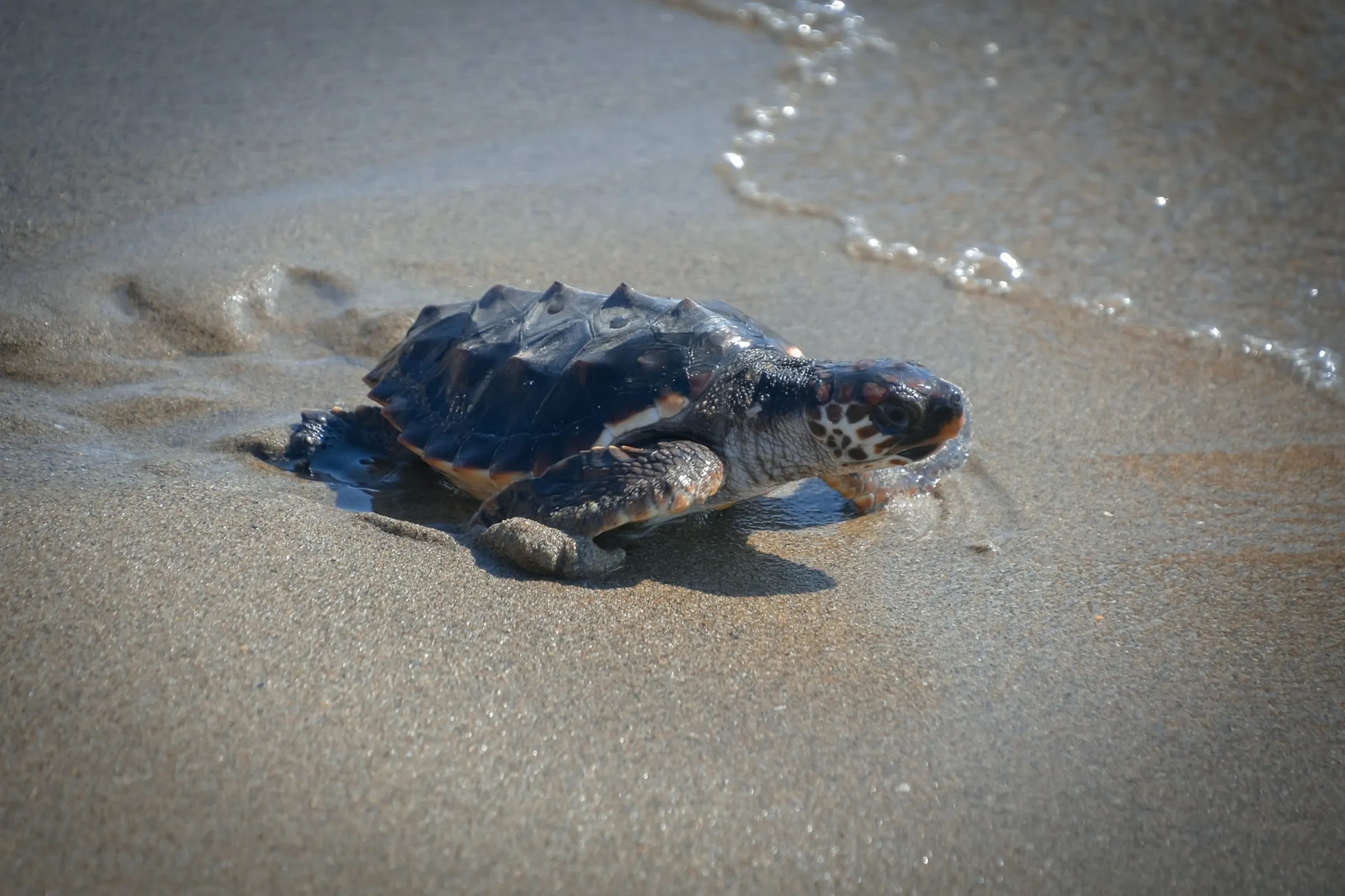
Species spotlight: loggerhead sea turtles
In June 2026, Seville Aquarium launched a new edition of its “Here We Save Sea Turtles” campaign in Fuengirola.
The campaign focused on loggerhead sea turtles (Caretta caretta) during nesting season.
The launch took place at Los Boliches Beach. Aquarium educators spoke with residents and visitors about what to do when a turtle or possible nest is seen.
The instruction was clear:
- Keep your distance.
- Do not disturb the turtle.
- Call Spain’s 112 emergency number.
The call activates the appropriate response network.
The campaign used beach and mobile outreach to reach people where sightings happen. Information panels were installed on beaches, promenades, marinas, and other busy public areas. Visitors could read the guidance while already near the coastline.
The campaign reached 102 coastal municipalities across Andalusia, the Valencian Community, the Region of Murcia, and the Balearic Islands.
The lesson for zoo and aquarium teams is simple:
Give people a safe action they can complete immediately.
Read the full Seville Aquarium campaign announcement.

Make the message specific
Conservation guidance becomes useful when it is connected to a real situation.
A visitor may see a turtle on a beach.
A guest may find an injured bird near a parking area.
A family may notice plastic near a pond.
A clear campaign prepares them for that moment.
Use this structure:
See
Tell visitors what they may notice.
- A turtle moving toward the beach
- Tracks in the sand
- A possible nest
- An animal behaving unusually
Do
Give one action.
- Step away
- Keep dogs and children back
- Do not touch the animal
- Do not use flash
- Leave the area clear
Call
Give one trusted contact.
- 112
- A wildlife rescue number
- A local authority
- A zoo or aquarium response team
Avoid giving visitors five different actions at once.
The message should fit on one panel, one social post, or one mobile screen.
The current wildlife marketing pattern
Wildlife organizations are using a consistent mix of approaches.
Authentic, emotion-led stories
The strongest stories show real animals and real people.
A keeper preparing food.
An aquarist treating a rescued turtle.
A field team checking a nest.
A bird returning to a restored wetland.
The emotion comes from the situation. It does not need heavy copy.
Short video clips can show natural behavior. A close look at an animal. A staff member explaining one task. A field update recorded on a phone.
The goal is connection with proof.
Mobile-first content
Visitors often encounter conservation information through a phone.
Design for a small screen first:
- Short captions
- Vertical video
- Clear buttons
- Large text
- Captions on video
- Fast-loading pages
- Simple forms
- No required app download when one QR code will work
A mobile message should still make sense without sound.
Visitor-generated content
Visitors already create photographs and videos during their visits.
The useful question is not whether they will create content.
It is whether your organization has a clear, permission-based way to use it.
Visitor photos can show:
- What guests notice
- Which species attract attention
- How people experience an exhibit
- What moments are worth sharing
- Which conservation messages travel beyond the facility
The photo becomes more valuable when paired with a fact and an action.
“Spotted this turtle?”
“Keep back. Call 112.”
That is stronger than a photo with no context.
Accessible digital experiences
Conservation information should be usable by more people.
Use:
- Alt text for images
- Captions for video
- Good color contrast
- Plain language
- Readable type
- Audio alternatives where possible
- Clear directions
- Minimal steps
Do not place essential guidance only inside a video or image.
The words still need to be available as text.
Post-visit follow-up
The visit should not be the end of the message.
Send one focused follow-up:
- A short thank-you
- One conservation result
- One action to take at home
- One relevant animal story
- One way to stay connected
For an aquarium, that action may involve reducing single-use plastic.
For a zoo, it may involve protecting native habitat or reporting local wildlife safely.
Keep the connection to the visit.
A post-visit email should answer:
What did the visitor help support, and what can they do next?

Three actions for your next campaign
1. Give visitors one clear action
Start with one behavior.
Not a list of ten.
Examples:
- Keep five meters from nesting wildlife.
- Call 112 when a sea turtle is seen.
- Do not feed wild animals.
- Refill a bottle instead of buying a new one.
- Share a photo of the featured species.
- Report local litter near a protected habitat.
Write the action as a short sentence.
Test it with someone outside your communications team.
If they cannot repeat it after reading it once, simplify it.
2. Build content around real people, animals, and measurable outcomes
Choose one animal.
Choose one person connected to the work.
Choose one result you can report.
For example:
- A rescued turtle
- The aquarist caring for it
- The number of rescue calls or rehabilitation milestones
Or:
- A nesting sea turtle
- The educator explaining the response
- The number of municipalities displaying campaign information
The story does not need to be dramatic.
It needs to be accurate.
Use names, locations, dates, and simple results when available.
Show the work behind the message.
A strong species spotlight can support an exhibit panel, email, social post, campaign page, or press release. Zoo Imagery’s elephant photography is one example of how a species page can provide a focused visual starting point.
3. Reuse visitor photos with permission
Create a simple process.
Ask visitors to submit or tag their photos.
Explain where the images may appear.
Request clear permission before using them in advertising, websites, emails, or printed materials.
Credit the photographer when appropriate.
Tell visitors when their images are published.
Then return the value.
Share selected photos in:
- Social posts
- Exhibit screens
- Email updates
- Campaign pages
- Visitor galleries
- Conservation reports
A permission-based photo loop builds trust.
It also gives your team a steady source of real visit moments.
The ZooMedia visitor-photo approach shows how guest images can support engagement while giving visitors a visible role in the story.

A simple responsibility checklist
For a campaign built around environmental care, community participation, and clear accountability:
- Is the conservation issue specific?
- Is the featured species clearly identified?
- Is there one action visitors can take?
- Are safety instructions accurate?
- Are local partners or authorities included where needed?
- Can you report one measurable result?
- Are visitor photos used only with permission?
- Is the content readable, captioned, and mobile-friendly?
- Can visitors understand the message without specialist terms?
- Is there a post-visit follow-up?
- Does the campaign show real work, not only claims?
- Can staff explain the campaign in one sentence?
This is practical responsibility in campaign form.
Clear environmental purpose.
Visible community involvement.
Simple reporting.
No extra language needed.
The brief takeaway
Conservation communications do not need to say more.
They need to help visitors do the right thing at the right moment.
Seville Aquarium’s sea turtle campaign provides a useful model:
- Meet people where the issue occurs.
- Use visible information panels.
- Explain the seasonal reason.
- Give one safe response.
- Provide one trusted phone number.
- Connect local action to species protection.
Use the same structure for your next campaign.
Need clear animal imagery for your next conservation message? Visit zooimagery.com. Follow Zoo Imagery on LinkedIn for more zoo and aquarium marketing briefs.


