Daily Press Release: Species Spotlights & Conservation News – July 23, 2026
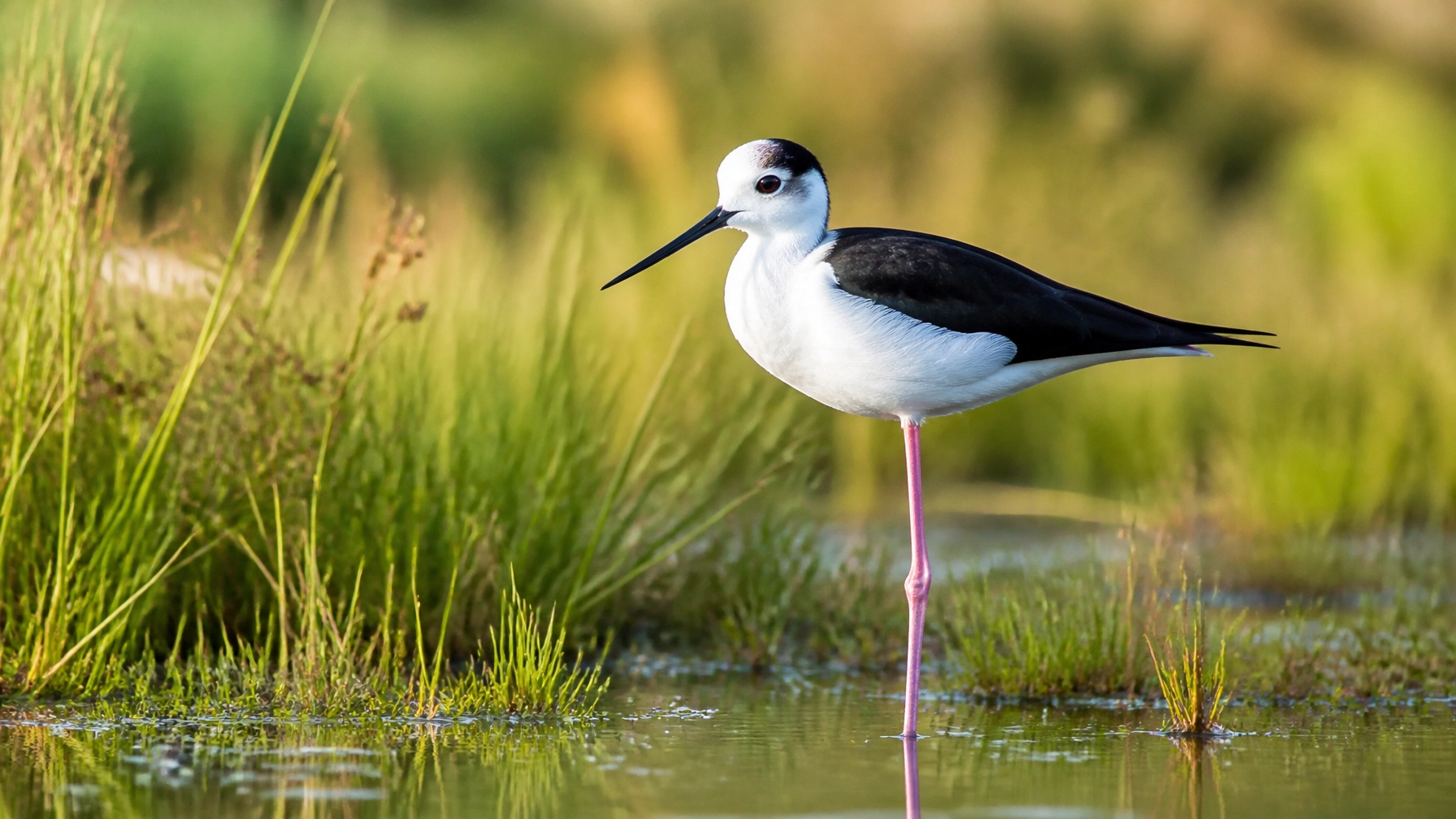
The Hawaiian Stilt: A Recovery Milestone
The Hawaiian stilt, known locally as the aeʻo, is no longer classified as endangered.
The U.S. Fish and Wildlife Service officially moved the species to "threatened" status this month. This change reflects fifty years of consistent conservation effort.
The Data
- 1940s Population: Approximately 200 birds.
- 2026 Population: Over 1,500 birds.
- Trend: Stable and improving across the islands.
Recovery Drivers
The recovery did not happen by chance. It required specific, long-term actions.
Habitat Restoration
Wetlands were reclaimed. Invasive plants were removed to allow native vegetation to return. Water levels were managed to ensure nesting success.
Predator Control
Invasive predators like mongooses, cats, and rats were targeted. Fencing and trapping programs protected nesting sites during vulnerable periods.
Institutional Support
The Honolulu Zoo and other local facilities provided critical research. Their management of the species offered a blueprint for wild success. Partnerships between state agencies and private landowners expanded protected territory.
Looking Ahead
"Threatened" does not mean "safe." The species remains vulnerable to habitat loss and disease. Conservation management will continue to ensure these gains are permanent.

Zoo Imagery: Scaling Digital Conservation
Zoo Imagery has reached a significant milestone in digital asset management. Our library now holds over 1,000,000 high-quality animal files.
Growth Metrics
- Annual Growth: 40% year-over-year.
- Format Diversity: Equal focus on landscape and portrait formats.
- Categories: Polar bears, wild tigers, giraffes, lions, elephants, pandas, hyenas, birds, and fish.
The ZooMedia.us App
Our mobile solution is expanding. More than 50 partner zoo and aquarium institutions now use the ZooMedia.us app.
The app serves two purposes:
- Guest Engagement: Visitors share photos instantly.
- Marketing ROI: Facilities track real-time engagement and visitor-generated content.
The result is authentic marketing. Real photos from real visitors drive engagement.

Sponsored Species Spotlights
We are introducing the Sponsored Species Spotlights program.
This initiative allows organizations to fund branded animal pages. These pages tell specific conservation stories. They align corporate social responsibility (CSR) with visual storytelling. It is a direct way for brands to support wildlife visibility.

Scarlet Macaws: Return to the Atlantic Forest
For the first time in over two centuries, scarlet macaws (red-and-green macaws) are breeding in Brazil's Atlantic Forest.
The Event
Two chicks hatched in a nest box in southern Bahia. This is the first documented reproduction in this biome since the 19th century.
The History
- Disappearance: Extinct in the region for nearly 200 years.
- Cause: Habitat loss and wildlife trafficking.
- Return: Government-led reintroduction programs began releasing birds in 2024.
Why It Matters
Macaws are seed dispersers. They are essential for forest regeneration. Their return signifies a healing ecosystem. The parents were previously in captivity. Their ability to successfully nest and feed chicks in the wild proves that rehabilitation works.

Project Partners
The effort was coordinated by IBAMA and local conservation groups. It involved:
- Rehabilitation of captive birds.
- Monitoring of released individuals.
- Strategic placement of nesting boxes.
- Community education to prevent trafficking.
Engagement and Impact
Conservation relies on visibility. Quality imagery bridges the gap between field work and public awareness.
Zoo Imagery provides the tools for this connection.
Our library supports creative professionals. Our app supports zoological institutions. Our news highlights the success of the global conservation community.
Summary of Today’s News
- Aeʻo Status: Endangered to Threatened.
- Library Size: 1,000,000+ files.
- App Reach: 50+ institutions.
- Macaw Breeding: First in 200 years.
Visit zooimagery.com to explore the library.
Follow our progress on LinkedIn.


