Daily Press Release: Species Spotlights & Conservation News – August 21, 2026
FOR IMMEDIATE RELEASE
August 21, 2026
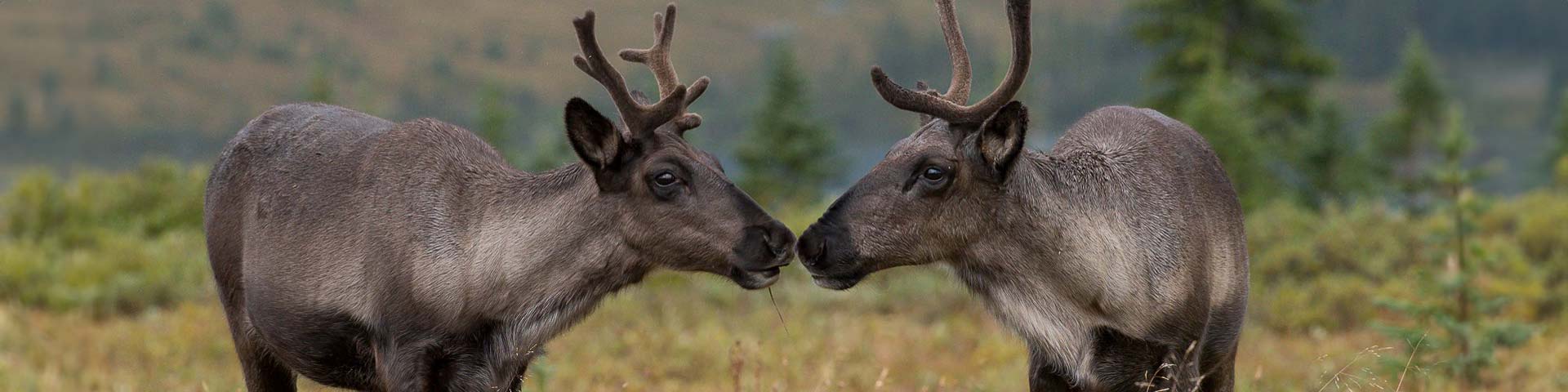
Parks Canada Releases First Captive-Bred Caribou into Jasper’s Tonquin Herd
Parks Canada has completed the first release of captive-bred caribou into the wild Tonquin herd in Jasper National Park.
Five males were released:
- Four yearlings born at the Caribou Conservation Breeding Centre
- One adult bull from the Brazeau herd
The animals were moved by helicopter on June 10 to a soft-release pen near Amethyst Lake.
They spent about two weeks adjusting to the landscape and natural foods.
The full release took place on June 24.
GPS data showed that the released caribou joined the wild Tonquin herd. The herd has about 50 animals.
The long-term goal is to grow the Tonquin herd to about 200 caribou over roughly 10 years.
Read the full update from Parks Canada.
See the CBC News report.
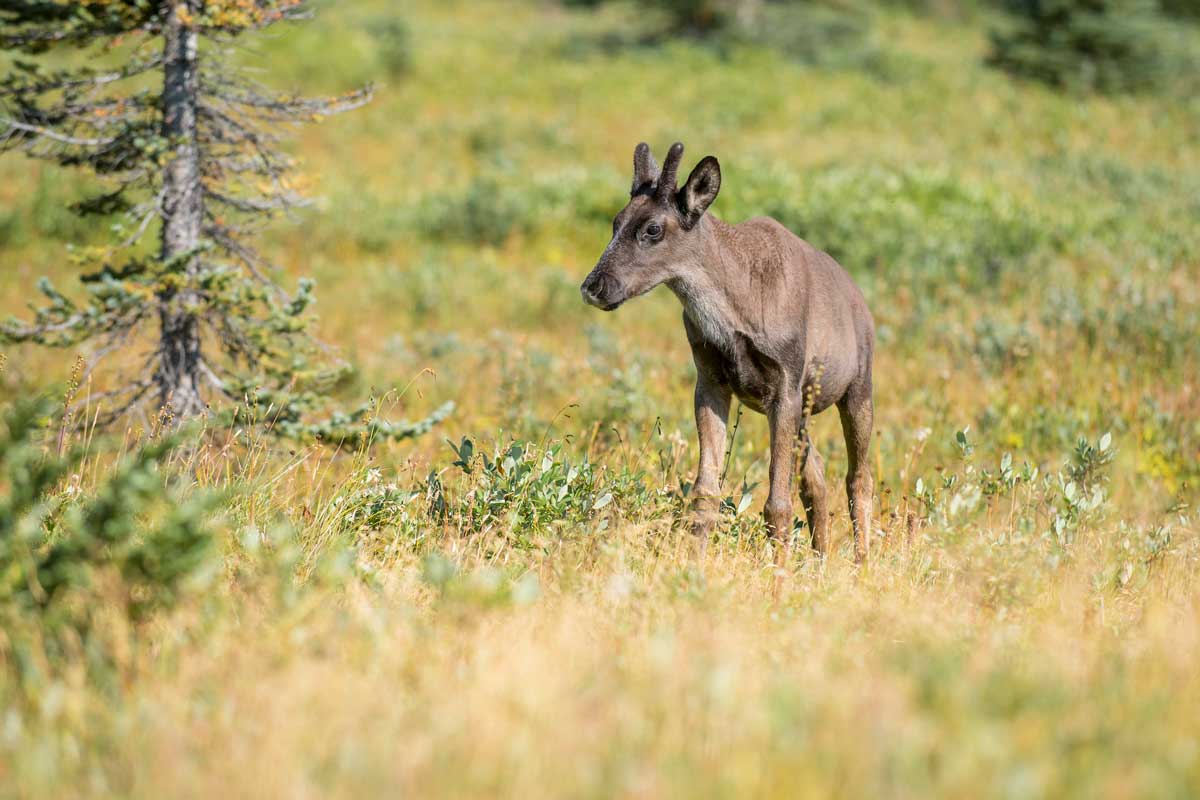
Photo credit: Mark Bradley / Parks Canada
Why This Release Matters
Southern mountain caribou are at risk across Western Canada.
Their numbers are small. Their reproduction rate is low. Most females produce one calf each year.
A herd with fewer than 10 reproducing females may not be able to recover without help.
The Tonquin herd is near that threshold.
Adding young caribou gives the herd more breeding potential. It also tests a conservation method that Parks Canada may use in other Jasper ranges.
The breeding centre is North America’s first caribou conservation breeding centre. It protects a small breeding group from predators and other risks while calves are born and raised.
The young animals are released when ready to live with wild caribou.
The goal is not permanent captivity.
The goal is a healthy wild herd that can sustain itself.
The first release also provided a practical test. The caribou adapted to boulder fields, running creeks, natural food, and the movement of wild animals.
Within days, GPS data showed the released animals travelling with the Tonquin herd.
That early integration is an important result.
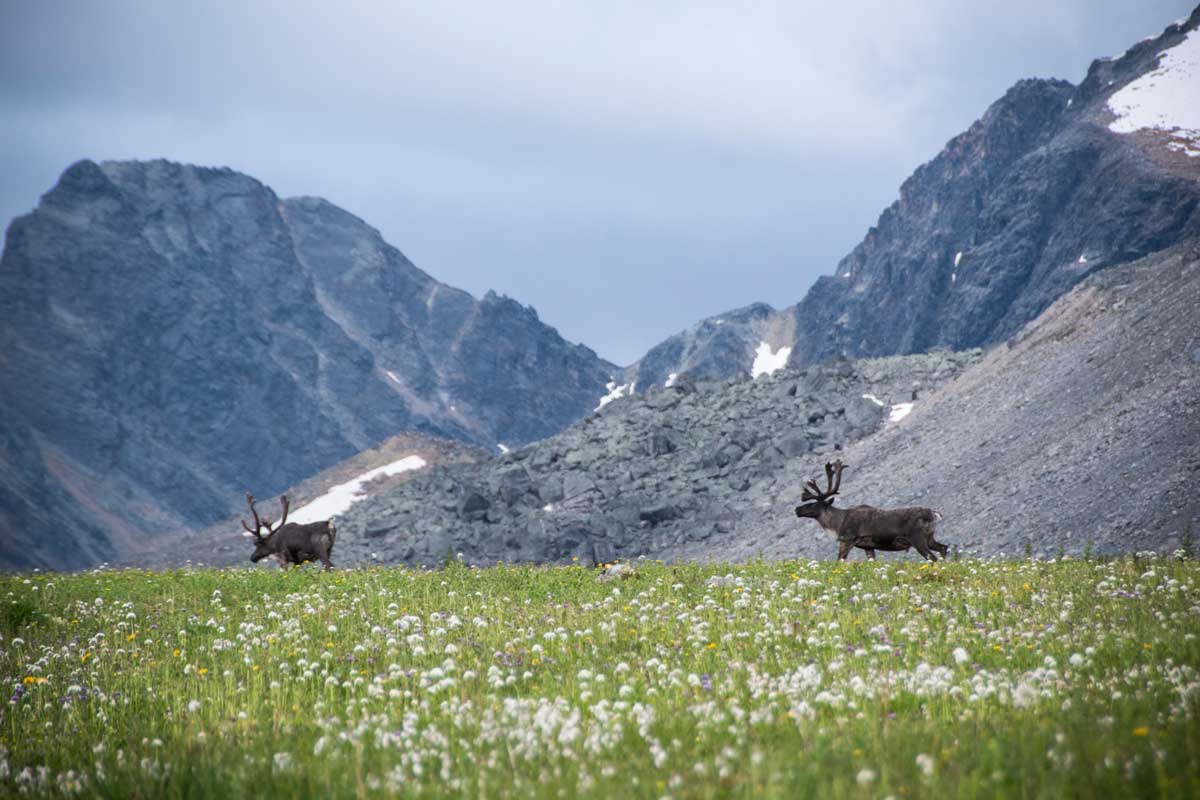
Photo credit: Lalenia Neufeld / Parks Canada
The Threats Facing Southern Mountain Caribou
Caribou need large areas of connected habitat.
They use old-growth forests in winter and move into alpine areas during summer. Habitat changes can limit access to food, shelter, and safe calving areas.
Main threats include:
Small herd size
Small populations are vulnerable to disease, accidents, avalanches, and the loss of individual breeding animals.
Fewer breeding females means fewer calves.
Predation
Wolves are the main predator concern in Jasper.
Landscape changes can increase deer, elk, and moose populations. More prey can support more wolves. Higher wolf numbers can increase pressure on caribou.
Industrial development can also create roads and corridors that change how predators move through the landscape.
Habitat disturbance
Caribou may leave important habitat when disturbed by people, dogs, aircraft, packed trails, or vehicles.
Winter trails can allow wolves to reach areas that are normally difficult to enter through deep snow.
Wildfire and climate change
Climate change is increasing pressure on old-growth forests through warmer conditions, insect outbreaks, and more frequent or severe wildfires.
The 2024 Jasper wildfire also changed parts of the landscape.
These changes may affect food, cover, predator movement, and future habitat conditions.
Recovery requires monitoring and adjustment over time.
Species Spotlight: Southern Mountain Caribou
Caribou belong to the deer family.
Their scientific name is Rangifer tarandus caribou.
The Jasper animals are a type of woodland caribou known as southern mountain caribou.
Physical traits
Caribou are larger than deer and smaller than elk.
They usually weigh between 100 and 210 kilograms.
Their most notable features include:
- Large antlers
- Broad hooves
- Thick coats
- Long legs
- Strong bodies built for snow and rugged terrain
Both males and females can grow antlers.
Their large hooves work like snowshoes. They help caribou walk across deep snow, dig for food, and move through wet ground. The hooves can also help the animals swim.
Caribou make several sounds, including snorts and clicking sounds from tendons in their feet.
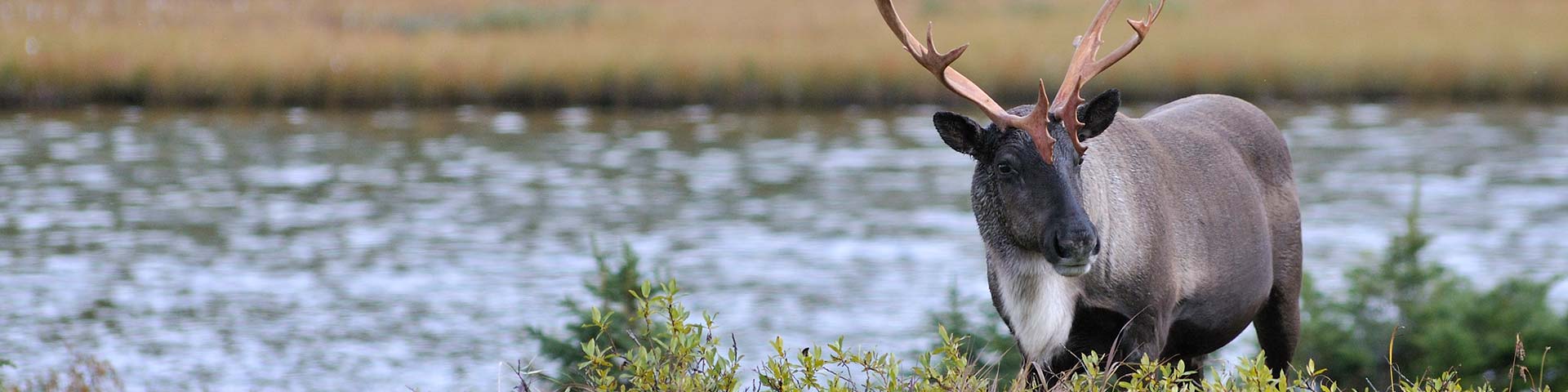
Photo credit: Mark Bradley / Parks Canada
Habitat
Southern mountain caribou live in the mountain regions of Western Canada.
Their habitat includes:
- Old-growth forests
- Subalpine forests
- Alpine meadows
- Mountain valleys
- Snow-covered winter ranges
In summer, they often move into higher alpine areas.
In winter, they rely on mature forests. These areas provide food and cover from predators.
The Tonquin Valley is one of the remaining caribou areas in Jasper National Park.
Diet
Caribou eat a wide range of plants and fungi.
Their diet includes:
- Lichens
- Grasses
- Shrub leaves
- Herbs
- Mushrooms
During winter, caribou dig through snow to reach lichen.
The soft-release pen helped the five released animals move from pellet food to natural foods before they entered the wild.
Conservation status
Southern mountain caribou are listed as Threatened under Canada’s Species at Risk Act.
Many southern mountain caribou herds are small. Some have disappeared entirely.
The Tonquin release is one part of a broader recovery program that includes breeding, habitat protection, wildlife monitoring, Indigenous partnership, and reduced disturbance.
Read the Parks Canada woodland caribou profile for more species facts and recovery information.
A First Month of Daily Conservation Releases
Zoo Imagery’s daily editorial series has now reached its first month of consistent daily conservation releases.
This is a company milestone.
It reflects a sustained commitment to species education and conservation storytelling.
Each release connects:
- A current conservation story
- A clear species spotlight
- A useful visual resource for communication teams
The format is simple by design.
Important conservation stories should be easy to understand. The animal, habitat, threat, and response should be clear.
Images for Conservation Storytelling
Strong visuals support clear information.
Zoo Imagery’s animal stock photos and wildlife stock photos can help teams create:
- Species spotlights
- Conservation campaigns
- Zoo and aquarium education
- Social media posts
- Editorial content
- School materials
- Presentations
- Habitat pages
- “Presented by” animal pages
- Sponsored species pages
Use a close animal portrait to introduce the species.
Use a landscape image to show habitat.
Use a behavior image to explain how the animal lives.
Use a care or monitoring image to show the work behind conservation.
Zoo animal photos can also support education inside zoos and aquariums. A well-selected image gives visitors a clear starting point for learning about diet, behavior, habitat, and conservation status.
Zoo Imagery provides animal photography in both landscape and portrait formats. The library includes categories such as lions, polar bears, wild tigers, giraffes, elephants, pandas, hyenas, birds, and fish.
The images are designed for practical use.
Find the right visual.
Build the story around accurate information.
Keep the message clear.
The Work Continues
Five caribou are now moving with the wild Tonquin herd.
The herd has about 50 animals.
The long-term target is 200.
That target will require repeated releases, careful monitoring, healthy habitat, and continued protection from disturbance and predation.
The first release is a milestone.
It is not the end of the recovery work.
Zoo Imagery will continue sharing daily species spotlights and conservation news in a direct, useful format.
For wildlife stock photos and animal photography: Visit Zoo Imagery.
For daily conservation updates: Follow Zoo Imagery on LinkedIn.


