Daily Press Release: Species Spotlights & Conservation News – August 19, 2026
FOR IMMEDIATE RELEASE
August 19, 2026
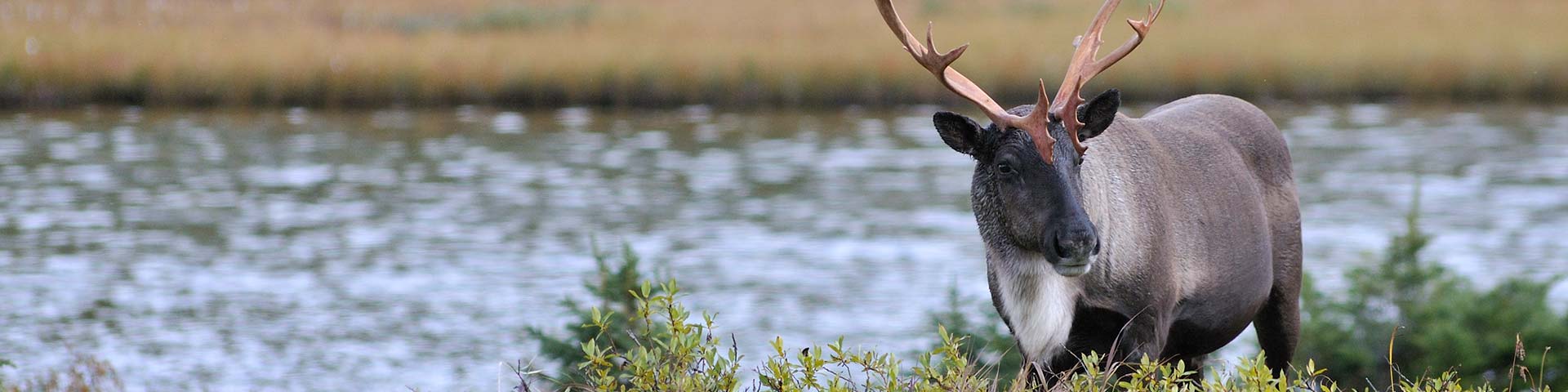
Parks Canada Releases First Captive-Bred Caribou Into Jasper’s Wild Herd
Parks Canada released five male caribou into Jasper National Park’s Tonquin Valley on June 24, 2026.
This was the first release from the park’s caribou conservation breeding program.
The animals spent two weeks in a soft-release pen near Amethyst Lake. The pen gave them time to adjust to the local landscape and natural food.
Within one hour of the gates opening, all five caribou had left the pen.
Within days, GPS collar data showed the animals travelling with the wild Tonquin herd, which includes about 50 caribou.
The group included:
- Four male yearlings born at the conservation breeding centre
- One adult male originally from the Brazeau herd
The released caribou had been moved to the soft-release pen by helicopter on June 10. During the two-week transition, they moved from pellet feed to natural foods such as lichen. They also adapted to boulder fields, running creeks, and the surrounding mountain terrain.
Parks Canada describes the release as an important step in rebuilding the local population.
The program aims to grow the Tonquin herd to 200 caribou over the next 10 years.
Read the full Parks Canada conservation breeding program and the CBC report on the first release.
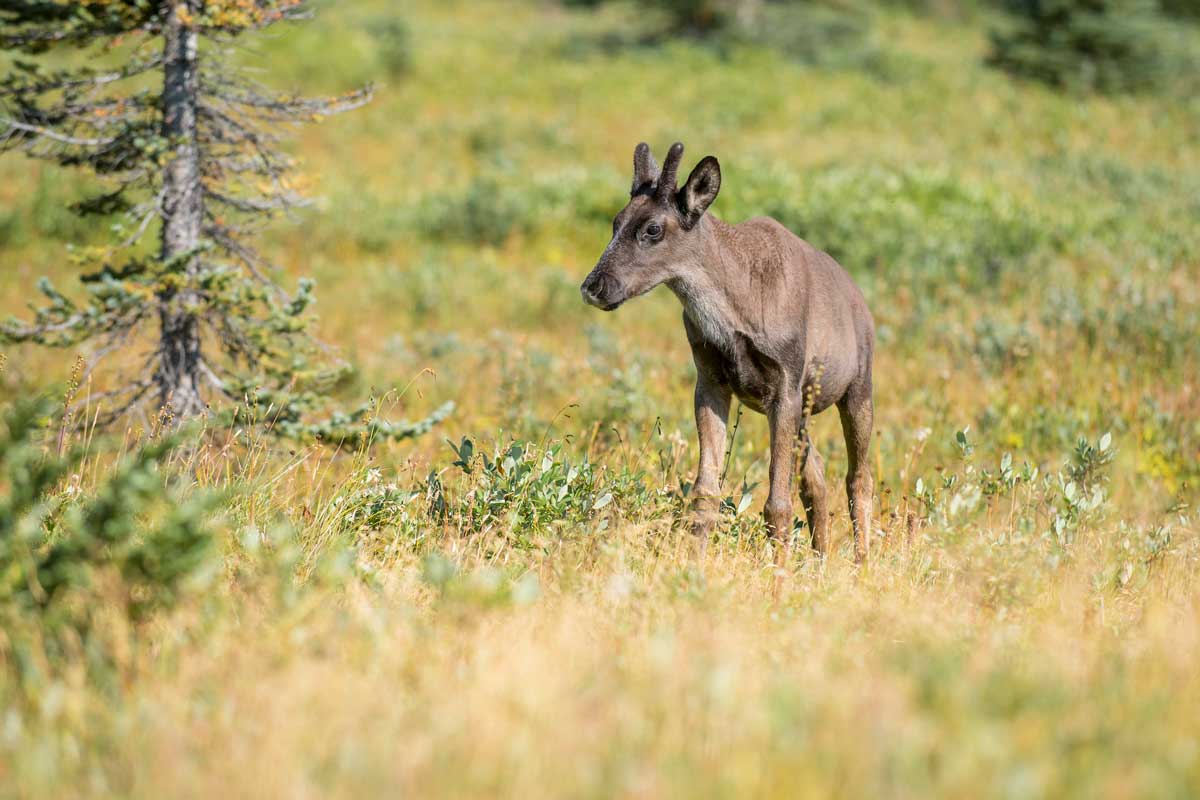
Photo: Mark Bradley / Parks Canada
Why This Release Matters
Caribou populations have been listed as species at risk in Canada for more than 20 years.
The main pressures include:
- Habitat fragmentation
- Loss of old-growth forest
- Roads and other development
- Human disturbance
- Wolf predation
- Changes to deer, elk, and moose populations
- Wildfire and climate-related habitat changes
There are only about 50 wild caribou in the Jasper-Banff local population unit. Only 11 are reproducing females.
A herd with fewer than 10 reproducing females is not considered self-sustaining.
The Tonquin herd is close to that threshold.
Caribou reproduce slowly. Females typically have one calf each year. The loss of even a small number of animals can affect the future of a small herd.
The breeding program protects adult females and allows them to produce calves in a controlled setting. Male caribou can later be released into the wild, while some females remain at the breeding centre to support future births.
The long-term goal is a wild herd that can survive without continued human intervention.
Species Spotlight: Caribou
Caribou are also known as reindeer.
They belong to the deer family. Their scientific name is Rangifer tarandus.
Jasper’s animals are southern mountain caribou, a type of woodland caribou.
Physical Traits
Caribou are larger than deer but smaller than elk. Adults can weigh between 100 and 210 kilograms.
Their most notable features include:
- Large, spreading hooves
- Thick winter coats
- Short tails
- Long legs
- Strong shoulder muscles
- Large antlers
Both males and females can grow antlers. This is unusual among members of the deer family.
Their wide hooves help them walk across deep snow. The hooves also help them dig through snow to reach food. Caribou can use them to move across soft ground and swim through water.
Their coats provide insulation in cold mountain conditions. Hollow guard hairs trap air and help protect the animal from wind and snow.
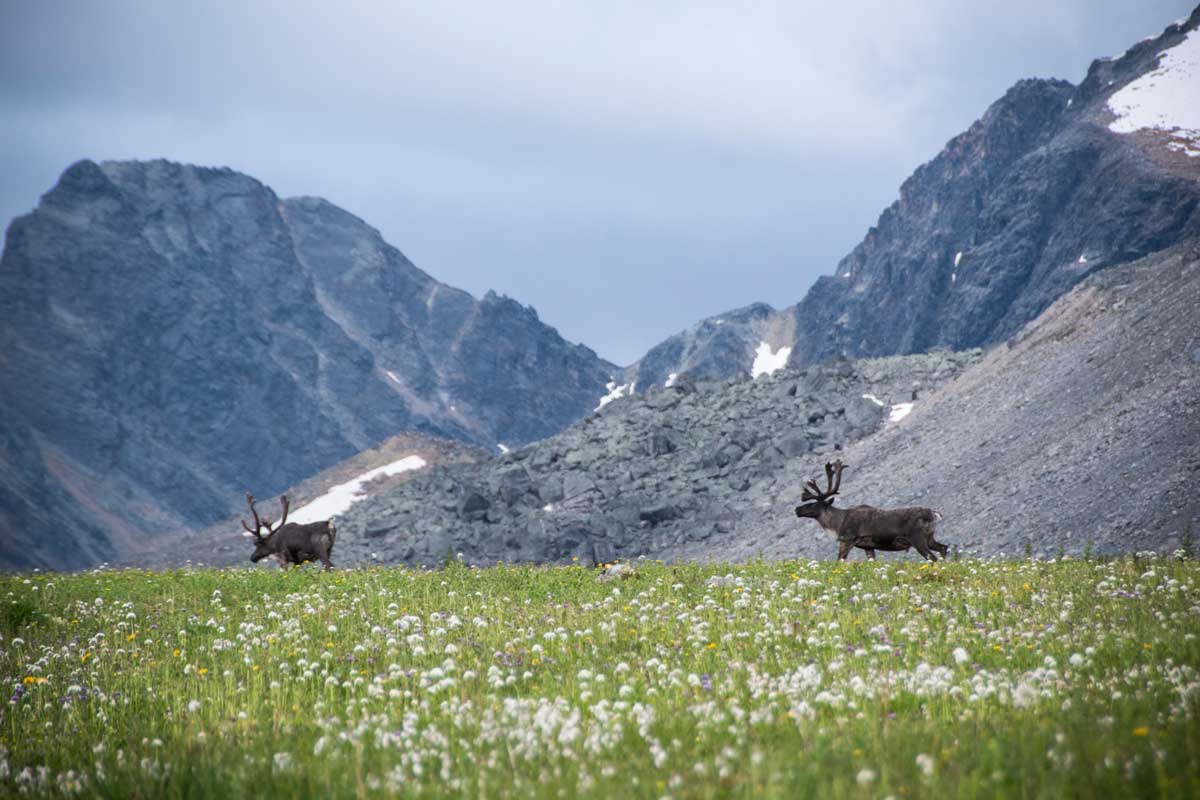
Photo: Lalenia Neufeld / Parks Canada
Habitat
Southern mountain caribou live in the mountain regions of western Canada.
Their habitat includes parts of:
- Jasper National Park
- Banff National Park
- Mount Revelstoke National Park
- Glacier National Park
They rely on large, connected areas of old-growth forest, subalpine forest, and alpine terrain.
In summer, caribou may move into higher alpine areas. In winter, they often use mature and old-growth forests where lichens grow on trees and the ground.
This habitat also helps caribou avoid predators. Deep snow can limit the movement of wolves and other predators. Human disturbance can remove that advantage.
Roads, packed trails, aircraft, dogs, and recreation can push caribou away from safe feeding and calving areas.
Diet
Lichen is a key food source.
During winter, caribou dig through snow to reach lichens on the ground. They also eat lichens growing on trees, especially in older conifer forests.
Their seasonal diet can also include:
- Grasses
- Shrub leaves
- Herbs
- Mushrooms
- Sedges
- Other green plants
Lichens grow slowly. They need time and stable habitat. Logging, fire, and other disturbances can reduce the supply of this important food.
The five caribou released in June had to learn to find natural food after being raised on pellet feed. The soft-release period supported that transition.
Movement and Migration
Caribou are known for long migrations in some parts of Canada.
Southern mountain caribou move differently.
They generally make seasonal movements up and down mountain landscapes. These movements help them follow snow conditions, food, and areas with fewer predators.
They may move:
- Into higher alpine areas during parts of the year
- Into subalpine forests
- Between winter lichen areas and summer feeding grounds
- Toward remote areas during calving season
Females often separate from the group in late spring or early summer to give birth. Remote locations provide some protection for newborn calves.
Caribou are social animals. The released males joining the Tonquin herd within days is an important sign that the animals were accepted by the wild group.
Threats
The biggest threat in Jasper is the small size of the remaining population.
Small herds are vulnerable to:
- Low birth rates
- Wolf predation
- Disease
- Avalanches
- Vehicle collisions
- Disturbance
- Habitat loss
Habitat fragmentation also changes predator behavior.
When roads and development create better conditions for deer, elk, and moose, wolf numbers can increase. Wolves then have more opportunities to encounter caribou.
Wildfire and changing climate conditions add further pressure. More frequent fires can affect old-growth forests and lichen habitat. Changes in snowfall can also affect where caribou find food and how easily predators move through the landscape.
Conservation Status in Canada
Woodland caribou, southern mountain population, are listed as Threatened under Canada’s Species at Risk Act.
The population has also been assessed as Endangered by the Committee on the Status of Endangered Wildlife in Canada.
The Parks Canada woodland caribou profile provides additional information about the species, its habitat, threats, and recovery work.
Zoo Imagery Daily Press Release Series Milestone
Zoo Imagery launched its daily editorial format in August 2026.
Each release brings together:
- A current conservation story
- A species spotlight
- Clear facts for public education
- Practical uses for animal photography
- A connection to zoo and aquarium communication
Today’s release continues that work with a story from Jasper National Park.
The format supports conservation storytelling for publishers, educators, marketers, zoos, aquariums, and creative teams.
Animal imagery can support:
- Presented by animal pages
- Sponsored species spotlights
- Conservation campaigns
- Educational content
- Social media posts
- Annual reports
- Environmental and community-focused campaigns
- ESG-aligned communications
A strong image gives people a reason to pause.
Clear facts give them a reason to understand.
Zoo Imagery provides animal photography in landscape and portrait formats. The library includes elephants, birds, polar bears, giraffes, lions, tigers, pandas, hyenas, fish, and other animal categories.
For zoos and aquariums, the ZooMedia.us phone app helps visitors share photos they take during their visit. The platform supports visitor-generated content, real-time engagement results, and ROI tracking.
Professional photography and visitor photography serve different purposes.
Both can help keep conservation stories visible.
Closing Note
Five male caribou now travel with the wild Tonquin herd.
The release does not complete the recovery effort.
It begins a new stage.
Parks Canada will continue monitoring the animals and adapting the breeding program as new information becomes available.
The goal remains clear:
A healthy, self-sustaining caribou population in Jasper National Park.
For animal photography and conservation storytelling, visit zooimagery.com.
For company updates and daily releases, follow Zoo Imagery on LinkedIn.


