Daily Press Release: Species Spotlights & Conservation News
August 11, 2026
Zoo Imagery’s daily press release brings together three updates:
- A major global conservation initiative
- A new editorial milestone for Zoo Imagery
- A species spotlight on the Asian elephant
The focus remains simple: clear news, useful images, and stories that help people understand wildlife.
Conservation News: $200 Million for 100 Threatened Species
The IUCN Phoenix Species Project launched on August 4 with a $200 million commitment.
The project will support the recovery of 100 species classified as Critically Endangered or Extinct in the Wild.
The effort is led by Re:wild and the Bezos Earth Fund, with the IUCN Species Survival Commission serving as a global knowledge partner. More than 100 local and international partners will work across 30 countries.
The species include:
- Mammals
- Birds
- Fish
- Amphibians
- Reptiles
- Invertebrates
- Plants
The work will be shaped by local conditions. Planned actions include habitat restoration, disease management, species reintroduction, conservation breeding, and control of invasive species.
The project also recognizes the role of Indigenous Peoples and local communities. Long-term recovery depends on people who understand each landscape and remain involved after the first campaign ends.
The IUCN reports that nearly 176,000 species have been assessed for its Red List. More than 31,000 are listed as Endangered, Critically Endangered, or Extinct in the Wild.
The Phoenix Species Project is built around a practical idea: species can recover when conservation work receives steady support for long enough.
A Smaller Species With a Large Story
One of the project’s featured animals is the Charco Azul pupfish.
The small freshwater fish became extinct in the wild after its spring habitat dried up following drought and water extraction for agriculture. Recovery work now aims to rebuild its population and restore the conditions it needs to survive.

The story is a reminder that conservation is not limited to famous animals. Small fish, plants, insects, and amphibians are part of the same natural systems as elephants, tigers, and lions.
Good conservation reporting gives each species a clear place in the public conversation.
Zoo Imagery Milestone: Daily Conservation Reporting
Today marks a new editorial milestone for Zoo Imagery.
The company is expanding its public communication around three connected areas:
- Animal stock photos
- Conservation storytelling
- Visitor engagement for zoos and aquariums
Zoo Imagery has traditionally helped creative teams find high-quality animal photography for campaigns, presentations, websites, education materials, and social content.
The company also supports picture marketing through the ZooMedia.us app. The app helps zoo and aquarium visitors share photos from their visits. Marketing teams can then review engagement results and track the response to photo-based campaigns.
The daily press release brings these activities together.
A conservation story needs strong visuals. A species spotlight needs accurate context. A zoo campaign needs content that feels direct and real.
The goal is not to add more noise. It is to give creative professionals, marketers, educators, and animal organizations a reliable place to find concise wildlife news and relevant visual resources.
This format will feature:
- Presented-by animal pages
- Sponsored species spotlights
- Conservation updates
- Zoo and aquarium engagement ideas
- Wildlife photography guidance
- Stories connected to habitat protection and responsible communication
The milestone is modest but useful: one daily channel for animal imagery and conservation news.
Species Spotlight: The Asian Elephant
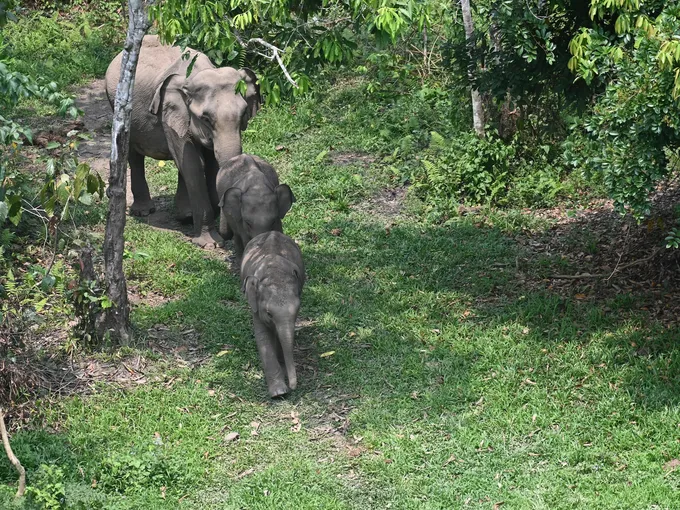
The Asian elephant is today’s featured species.
Wild populations of Asian elephants are found across parts of South and Southeast Asia. They depend on forests, grasslands, water sources, and connected routes between habitats.
Their size makes them easy to notice. Their needs are more difficult to protect.
Asian elephants often move through landscapes that include farms, plantations, roads, and villages. When natural routes become blocked, encounters with people become more likely.
That is why elephant conservation requires more than protecting a single forest.
It also requires:
- Safe movement routes
- Connected habitat
- Early warnings for nearby communities
- Better land-use planning
- Protection from traps and poison
- Support for local conservation teams
- Clear public education
A recent WWF report on elephants in northeastern India highlights progress in the region. The report points to improved conservation work and the importance of protecting elephant movement across the foothills.
The report was published on August 10, 2026.
At the same time, news from Indonesia shows the risks that remain. The Aceh Natural Resources Conservation Agency is investigating the death of a male Sumatran elephant found at a palm oil plantation in Aceh Tamiang District.
The elephant’s tusks were intact. Authorities had not determined the cause of death when the report was published.
The investigation matters because the Sumatran elephant is found only on the island of Sumatra and is classified as Critically Endangered by the IUCN.
Both stories belong in the same species spotlight.
One shows progress.
The other shows why the work continues.
Why Elephant Images Matter
Images help people recognize an animal and remember its story.
A strong elephant photo can support:
- A conservation campaign
- A zoo education page
- A school project
- A habitat presentation
- A social media post
- A visitor engagement display
- A report on biodiversity
The best image depends on the message.
A herd photo can show family and movement. A close portrait can show age, texture, and personality. A landscape image can explain habitat. A vertical image can support mobile content and social platforms.
Zoo Imagery provides both landscape and portrait formats across its animal categories. Browse the elephant photography collection for project-ready options.
A Note on Lions and Other Big Cats
Lion conservation remains an important part of the wider wildlife story.
African lions face pressure from habitat loss, conflict with people, declining prey, and illegal killing. Their future depends on protecting large connected landscapes and supporting communities that share those spaces with them.
The same principle appears across big-cat conservation.
Recent reporting from China describes gains for Siberian tigers and Amur leopards. The country reported Siberian tiger numbers increasing from 27 in 2017 to 72 today, while Amur leopard numbers rose from 42 to 115.
These figures come from CGTN’s August 11 report on rare species recovery in China.
Zoo Imagery’s lion collection and wild tiger collection support campaigns that need clear, relevant animal visuals.
The image should serve the message.
The message should respect the animal.
Using Wildlife Images With Care
Wildlife stock photos work best when paired with accurate information.
Keep the basics clear:
- Name the species
- Identify the location when known
- Explain the main conservation issue
- Avoid exaggerated claims
- Credit outside reporting
- Choose images that match the story
- Show animals as living species, not decorations
For zoos and aquariums, visitor photos can add another layer.
ZooMedia.us helps guests share photos from their visits. These real moments can show curiosity, family connection, and public interest in animals. Professional images can then fill the gaps for campaign banners, educational materials, and polished layouts.
Zoo Imagery explains this approach in How Zoos Are Turning Visitor Photos Into Conservation Wins.
Together, visitor-generated content and professional zoo animal photos can create a more complete story.
Today’s Takeaway
Three points from today’s release:
-
The Phoenix Species Project will support recovery work for 100 of the world’s most threatened species.
-
Zoo Imagery is launching a daily editorial format focused on animal imagery, conservation, and zoo engagement.
-
Asian elephant conservation shows both progress and continued risk across India and Indonesia.
The stories are different.
The need is shared.
People need accurate information and strong images to understand wildlife. Zoo Imagery helps provide both.
Browse animal stock photos at zooimagery.com or follow Zoo Imagery on LinkedIn for future species spotlights and conservation news.


