Daily Press Release: Species Spotlights & Conservation News
Conservation news moves fast. Global funding initiatives, regional wildlife challenges, and visual storytelling intersect daily. Understanding these developments requires clear facts.
Today’s brief examines a major new philanthropic initiative for endangered species, a critical wildlife update from Kenya, and an update on visual communication resources for conservation advocates.
The Phoenix Species Project: $200 Million for 100 Species

A major global conservation effort has officially launched. The Phoenix Species Project represents a $200 million funding commitment designed to recover 100 of the world’s most critically endangered species.
Co-led by Re:wild: co-founded by Leonardo DiCaprio: and the Bezos Earth Fund, the initiative pairs equal $100 million contributions to target species on the brink of extinction.
Core Focus Areas
- Target Count: 100 critically endangered species
- Geographic Scope: Approximately 30 countries across five continents
- Taxonomic Range: Mammals, birds, reptiles, amphibians, fish, and plants
- Timeline: Multi-year structured recovery rather than short-term grants
- Expected Impact: Population increases of 20% to 40% over the next decade
Implementation Strategy
The project bypasses temporary fixes. Instead, funding supports long-term, locally led actions:
- Captive breeding and reintroduction programs
- Habitat restoration and protection
- Disease management protocols
- Invasive species control
- Direct collaboration with Indigenous communities and local experts
By focusing on measurable population recovery, the Phoenix Species Project establishes a new benchmark for philanthropic wildlife conservation.
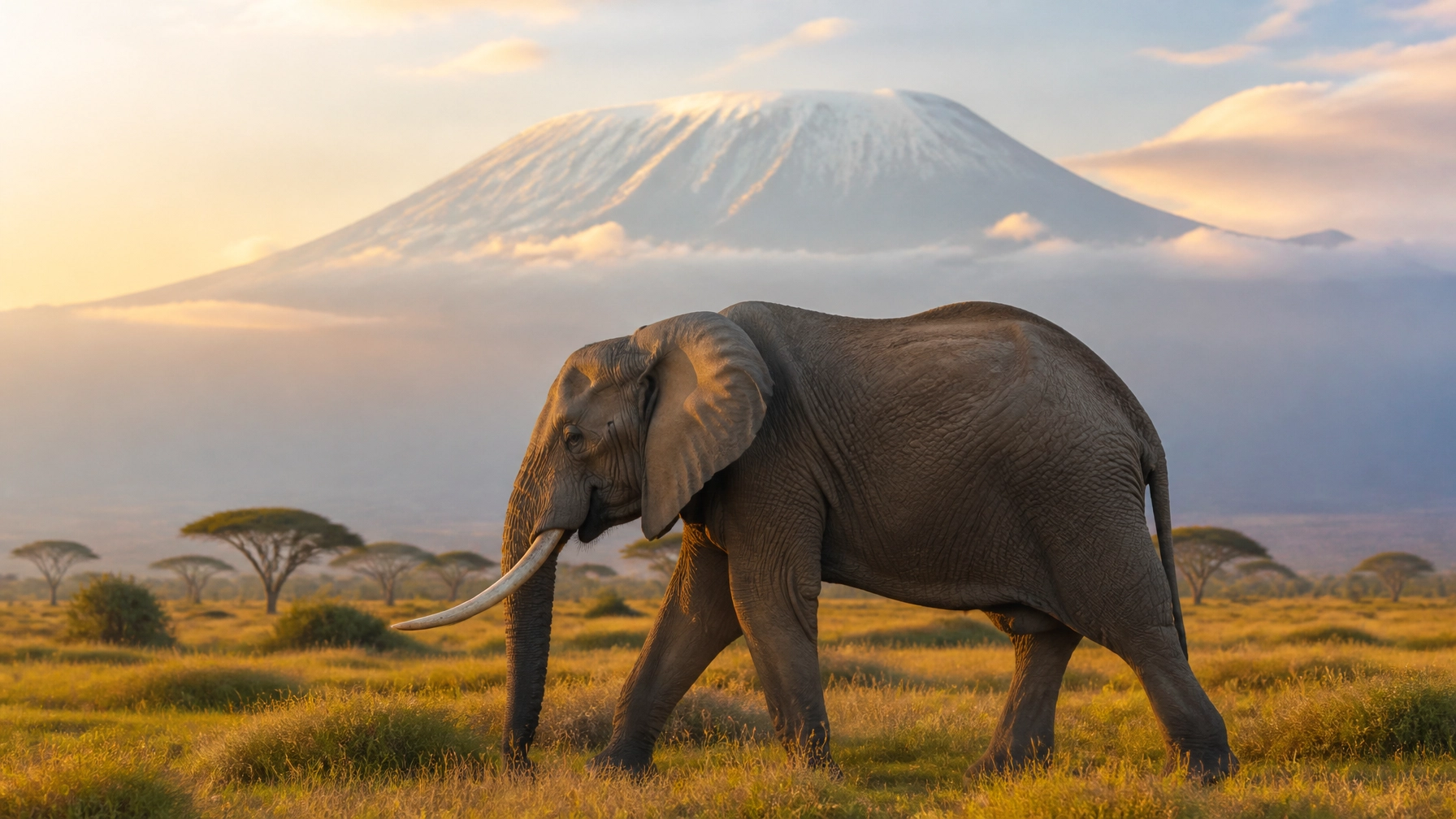
Species Spotlight: The African Elephant and the Amboseli Crisis

While global funds target long-term recovery, regional emergencies demand immediate attention. Recent events in Kenya highlight ongoing pressures on iconic megafauna.
Between late June and late July, fifteen elephants died within the wider Amboseli ecosystem in Kajiado County. Wildlife authorities and veterinary teams investigated the sudden mortalities across Amboseli National Park, Kimana Sanctuary, and local group ranches.
Key Findings from Kenya Wildlife Service
- Symptoms: Several animals exhibited partial paralysis and sudden collapse within one to two days.
- Laboratory Results: Post-mortem analyses detected cyanide in digestive samples.
- Agricultural Link: Stomach contents in multiple cases contained tomatoes from nearby farms, pointing to agrochemical exposure.
- Context: Investigators are examining whether pesticides used on crops served as an accidental contaminant or an intentional deterrent during crop-raiding incidents.
Broader Conservation Implications
The Amboseli mortality event underscores the complex challenges of human-wildlife coexistence:
- Land-Use Pressures: Expanding agriculture overlaps directly with traditional elephant migratory corridors.
- Agrochemical Regulation: The presence of hazardous or restricted chemicals highlights enforcement gaps in cross-border agricultural supply chains.
- Community Collaboration: Protecting stable elephant populations requires non-lethal deterrents, secure buffer zones, and robust support for local farmers.
Addressing these risks ensures that key strongholds like Amboseli remain secure for future generations.
Visual Storytelling: Expanding Conservation Awareness

Accurate reporting and effective conservation advocacy depend on powerful visual communication. Without clear imagery, complex ecological stories struggle to connect with public audiences.
Zoo Imagery continues expanding its digital archive to support researchers, media outlets, and conservation organizations. High-quality photography bridges the gap between field research and public understanding.
Library Highlights
- Diverse Categories: Detailed collections spanning polar bears, wild tigers, giraffes, lions, pandas, and birds.
- Flexible Formats: Assets available in both landscape and portrait orientations for multi-platform publishing.
- Authentic Documentation: Clear, natural lighting and sharp resolution reflecting real animal behavior.
When conservationists share authentic visual narratives, engagement rises. Clear imagery transforms statistical data into relatable stories.
Global Biodiversity Outlook

Species preservation is an ongoing, collaborative discipline. From multi-million dollar funding initiatives to local habitat monitoring, every action contributes to ecosystem stability.
Effective communication underpins these efforts. By documenting species accurately and sharing conservation breakthroughs transparently, communities maintain momentum toward global biodiversity targets.
Connect and Explore
Explore professional animal photography for your conservation projects, educational materials, and media campaigns.
Visit Zoo Imagery to browse the animal stock photo library or connect with our team on LinkedIn.


